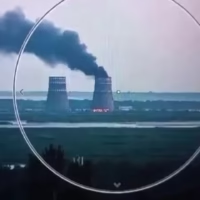
Russian officials say air defense forces intercepted and destroyed 23 additional unmanned aerial vehicles overnight, underscoring how drone attacks Russia is facing have become a persistent and evolving security challenge. The announcement reflects the growing role of drones in modern conflict and the increasing demands placed on air defense systems tasked with protecting territory, infrastructure, and civilian populations.
According to official statements, air defense units were activated across several regions after radar systems detected incoming aerial threats. While authorities reported no large scale damage, the frequency of interceptions illustrates how drone operations have become a near daily feature of the conflict environment.
Details From Defense Authorities
The Russian Ministry of Defense confirmed that multiple air defense systems were deployed to counter the latest wave of unmanned aircraft. Officials stated that the drones were detected early and neutralized before reaching strategic targets.
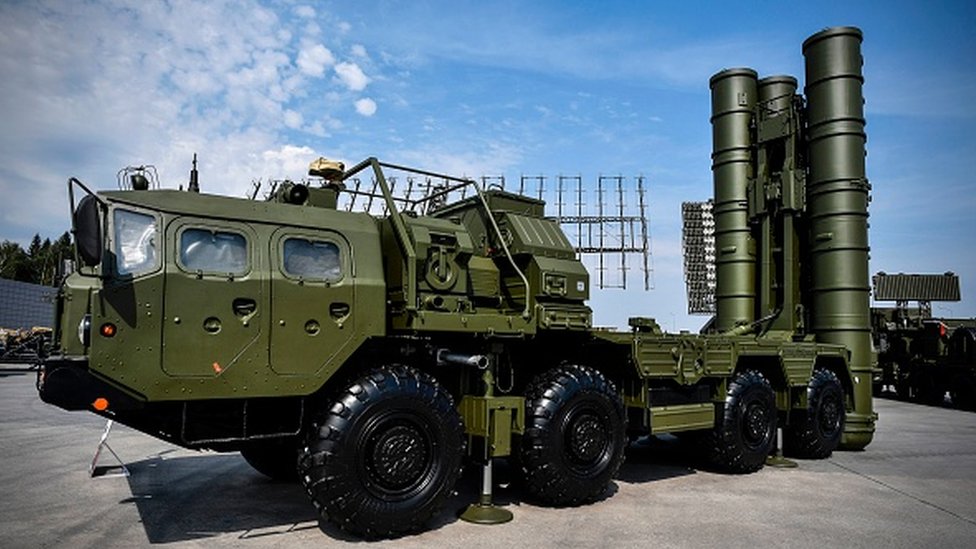
Defense briefings emphasized that layered defenses combining radar detection, electronic warfare, and missile interception were responsible for stopping the drones. The ministry said the ability to respond effectively to drone attacks Russia continues to face demonstrates preparedness despite sustained operational pressure.
Precise locations were not disclosed for security reasons, a standard practice during ongoing operations.
Why Drone Attacks Have Increased
Military analysts note that drone attacks Russia is experiencing reflect a broader shift in warfare toward unmanned systems. Drones offer a relatively low cost method for surveillance, disruption, and pressure without risking pilot lives.
Their accessibility allows for frequent launches, sometimes in coordinated waves, forcing defenders to remain on constant alert. Even when intercepted, drones consume defensive resources and attention, achieving strategic impact beyond physical damage.
This dynamic has made drone warfare a defining feature of the conflict.
Air Defense Systems Under Constant Demand
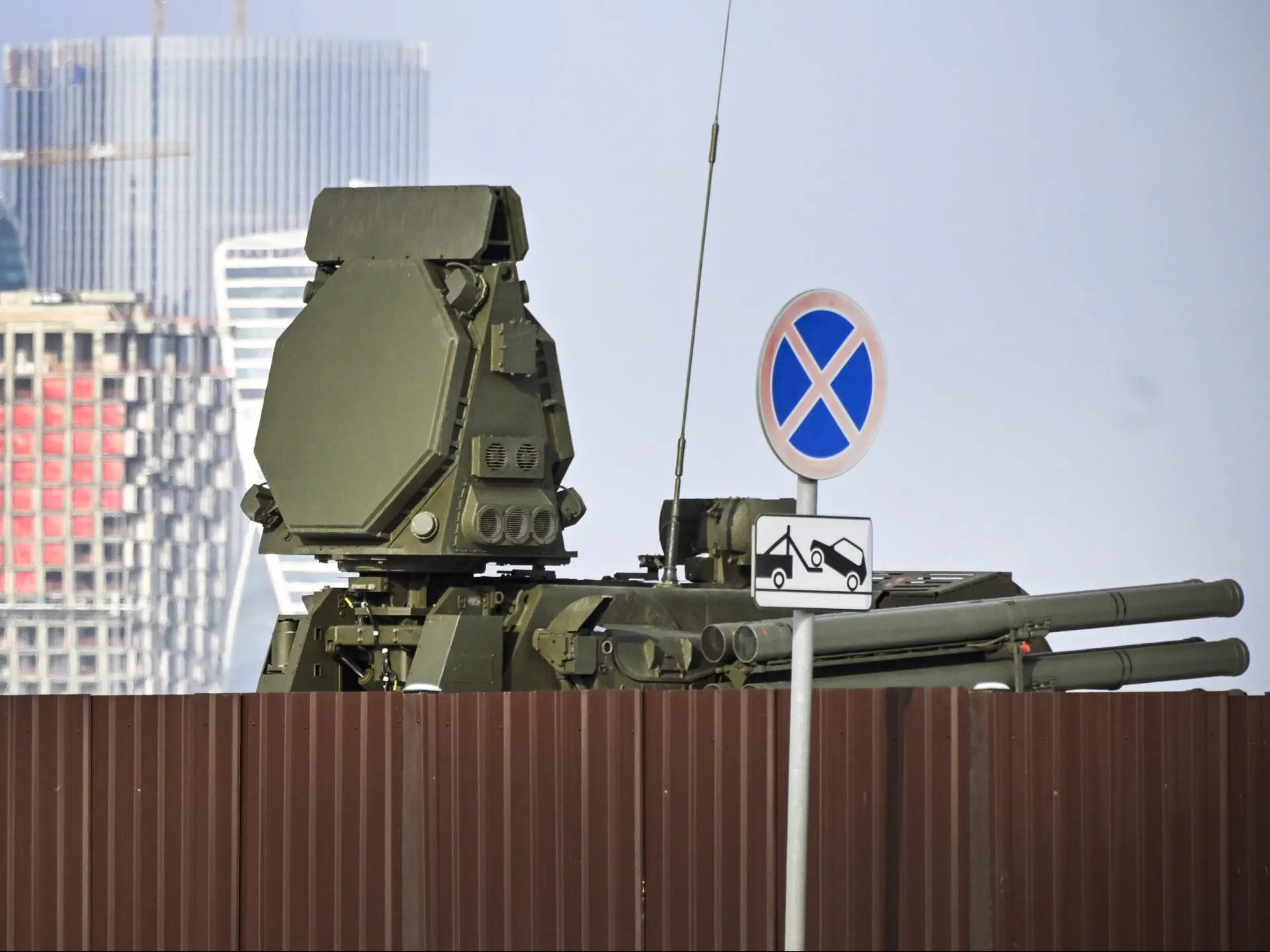
Responding to repeated drone attacks Russia has placed air defense units under sustained demand. Crews operate around the clock, monitoring radar screens and responding rapidly to alerts that can occur at any time.
Defense officials say modern air defense systems are designed for prolonged operations, but acknowledge that maintaining readiness requires careful management of personnel and equipment. Regular maintenance, resupply, and rotation are critical to sustaining effectiveness.
Despite the pace, authorities say interception success rates remain high.
Impact on Civilian Areas
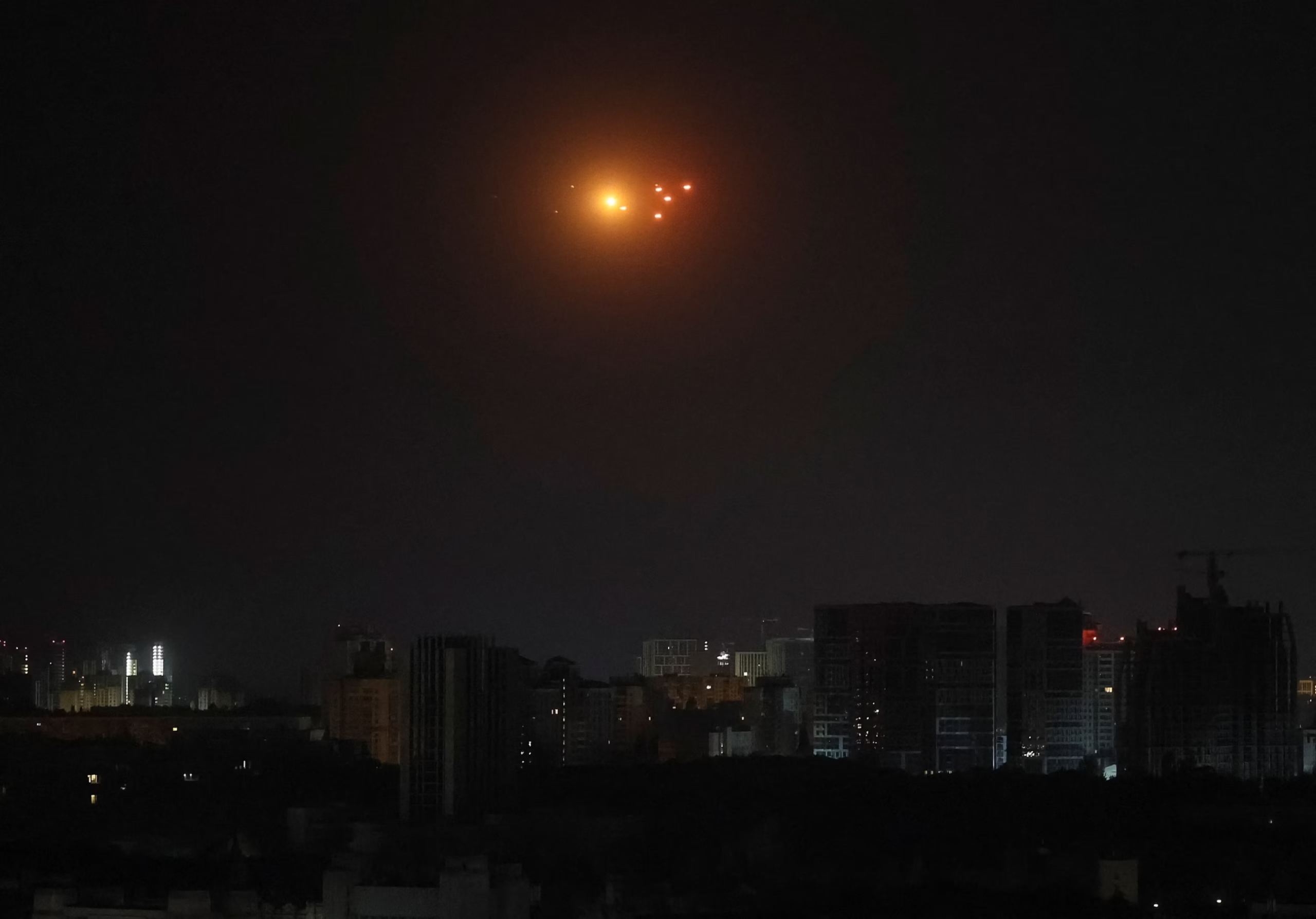
Although officials report that most drone attacks Russia has faced were intercepted away from major population centers, residents in some regions reported hearing explosions and air defense fire. Local authorities urged calm, explaining that such sounds often indicate successful interception rather than direct impact.
Emergency services conducted inspections to assess potential debris damage, and residents were advised to avoid approaching wreckage. Public messaging emphasized safety and cooperation with official guidance.
The psychological impact of frequent alerts has become an additional concern for communities experiencing prolonged tension.
Government Communication Strategy
Official messaging surrounding drone attacks Russia focuses on reassurance and transparency. Authorities highlight successful interceptions to maintain public confidence and demonstrate control of the situation.
Analysts note that communication serves both domestic and international audiences. Domestically, it reassures citizens; internationally, it signals resilience and capability.
Balancing openness with operational security remains a delicate task.
Drone Warfare and Modern Conflict
The persistence of drone attacks Russia illustrates how unmanned systems have reshaped modern conflict. Drones are no longer limited to reconnaissance but are increasingly used for direct attacks and testing defenses.
Their small size and low altitude flight make detection challenging, while their affordability allows for repeated use. Defending against them requires constant adaptation and technological investment.
Experts say this trend is likely to continue regardless of broader conflict developments.
Regional Security Challenges
Reports that drone attacks Russia have occurred across multiple regions highlight the challenge of defending vast territory. Security planners must allocate resources across diverse areas, protecting infrastructure, transportation hubs, and energy facilities.
Regional authorities have increased coordination with federal defense units to improve response times and information sharing. Preparedness drills and public awareness campaigns have also been expanded.
These measures reflect recognition that drone threats are not isolated incidents.
Economic and Infrastructure Costs
Even when drones are intercepted, responding to drone attacks Russia carries economic costs. Each activation of air defense systems involves expenditure on equipment use, maintenance, and personnel deployment.
Protecting critical infrastructure remains a priority. Energy facilities, communications networks, and transport systems are considered potential targets, requiring enhanced security measures.
Over time, these costs factor into broader defense and budget planning.
International Monitoring and Analysis
International observers closely track reports of drone attacks Russia as indicators of conflict intensity and tactical evolution. Such data informs diplomatic assessments and security planning beyond the immediate region.
Foreign governments and global institutions evaluate whether changes in frequency or scale suggest shifts in strategy. Drone activity has become a key metric in understanding modern conflict dynamics.
Global attention remains focused on preventing escalation.
Technological Adaptation on Both Sides
The cycle of drone deployment and interception reflects an ongoing technological contest. Each wave of drone attacks Russia prompts analysis of tactics, flight paths, and payloads.
Defense developers continue refining detection systems, electronic countermeasures, and interception methods. At the same time, drone designers adapt to evade defenses.
This arms race drives rapid innovation and increasing complexity.
Military Readiness and Personnel Strain
Sustained responses to drone attacks Russia place significant demands on military personnel. Continuous readiness requires high levels of training, coordination, and endurance.
Officials emphasize the importance of rotation schedules and support services to prevent fatigue. Human performance remains as critical as technological capability in maintaining air defense effectiveness.
Maintaining morale and operational focus is an ongoing challenge.
Comparison With Earlier Phases of the Conflict
Compared with earlier stages, the regularity of drone attacks Russia suggests an evolution in tactics. What began as sporadic incidents has become a more consistent pattern.
This shift reflects broader changes in warfare, where unmanned systems enable persistent pressure without large scale troop movements. Defense systems have adapted, but challenges remain.
Historical comparison highlights how quickly conflict methods evolve.
Strategic Value of Drone Pressure
The strategic significance of drone attacks Russia lies not only in physical damage but in forcing constant vigilance. Even unsuccessful attacks require defensive responses, stretching resources and attention.
This form of pressure can influence planning and resource allocation over time. Analysts note that drones have become tools of attrition as much as direct attack.
Understanding this strategy is key to interpreting ongoing developments.
Public Preparedness and Awareness
Authorities have increased guidance for civilians on how to respond to alerts related to drone attacks Russia. Public instructions emphasize staying indoors, following official updates, and avoiding debris.
Preparedness campaigns aim to reduce panic and improve safety during incidents. Clear communication is seen as essential to managing civilian response.
These efforts reflect lessons learned from prolonged exposure to security threats.
What to Expect Going Forward
Military analysts expect drone activity to remain a feature of the conflict. Future reports of drone attacks Russia may fluctuate in scale, but the underlying trend appears persistent.
Authorities say air defense readiness remains high, with ongoing evaluations of coverage and response capabilities. Diplomatic efforts continue, but defense planning assumes continued aerial threats.
The situation remains fluid and closely monitored.
Why Drone Attacks Matter Strategically
The prevalence of drone attacks Russia highlights how modern conflicts increasingly rely on technology rather than traditional force. Unmanned systems allow for flexibility, deniability, and sustained pressure.
Defending against them requires constant investment and adaptation. This dynamic shapes military doctrine and resource allocation.
The lessons learned are likely to influence future security planning worldwide.
The latest announcement that 23 more drones were intercepted underscores how drone attacks Russia has faced are shaping the security landscape. Drones have become a defining element of modern conflict, testing air defense systems and placing sustained demands on military readiness and civilian resilience.
As authorities continue to respond, the focus remains on preparedness, public safety, and infrastructure protection. The ongoing cycle of drone attacks and interceptions highlights both technological evolution and the challenges of maintaining security in an era where unmanned systems play an ever greater role.