The national election in the Central African Republic has drawn intense attention as debate centers on the Touadera third term, a bid that has reshaped political discussion across the country. For many citizens, the vote represents a defining moment that could determine whether stability or democratic renewal takes precedence in a nation long affected by conflict. The election is unfolding in an atmosphere marked by insecurity, humanitarian hardship, and strong international interest.
As voters prepare to cast their ballots, the issue of the Touadera third term has come to symbolize broader questions about governance, constitutional limits, and leadership accountability. These questions resonate deeply in a society where political decisions have historically been shaped by survival concerns as much as democratic ideals.
Historical context of governance
The Central African Republic has experienced repeated cycles of instability since independence. Coups, armed rebellions, and fragile peace agreements have left institutions weak and public trust limited. Elections have often been moments of uncertainty rather than consolidation.
Within this context, the emergence of the Touadera third term debate reflects how history influences political expectations. Many citizens have grown accustomed to prioritizing security and continuity over institutional reform, a reality that shapes how this election is viewed.
Rise of Faustin Archange Touadera
President Faustin Archange Touadera rose to power presenting himself as a consensus figure capable of uniting a fractured nation. His academic background and calm demeanor initially inspired hope among voters and international partners.
Over two terms, Touadera consolidated authority while relying on foreign security assistance to counter armed groups. The prospect of a Touadera third term has therefore prompted contrasting assessments, with supporters crediting him for relative stability and critics warning of power concentration.
Constitutional changes and controversy
Central to the election is the constitutional amendment that allows another presidential run. The referendum that approved the changes was criticized by opposition groups and civil society organizations, who argued that the process lacked transparency and broad participation.
Legal scholars have questioned whether the Touadera third term undermines democratic safeguards intended to prevent prolonged rule. This controversy has fueled public debate and highlighted divisions over constitutional legitimacy.
Security environment during voting
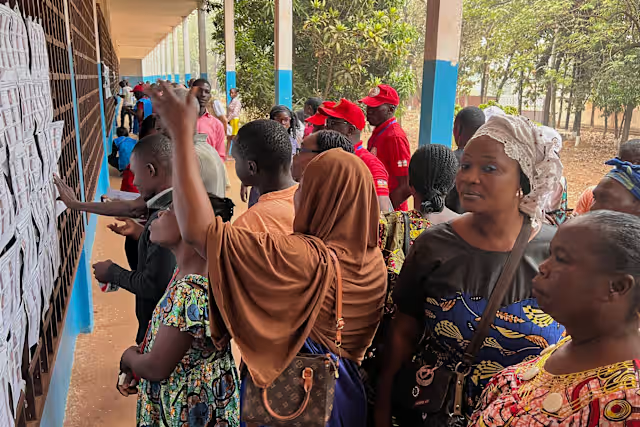
Security conditions remain a major factor influencing the election. Armed groups continue to operate in remote areas, and logistical challenges complicate access to polling stations.
As authorities deploy forces to secure the vote, concerns persist that insecurity may limit participation. The debate over the Touadera third term is therefore inseparable from questions about whether voters across the country can safely and freely express their will.
Role of international partners
International actors play a significant role in the Central African Republic, from peacekeeping missions to bilateral security cooperation. Their presence has shaped governance and election logistics for years.
As attention focuses on the Touadera third term, foreign governments and organizations are watching closely. Some emphasize the importance of stability, while others express concern about democratic norms and long term governance risks.
Public opinion and voter priorities
Public sentiment ahead of the vote reflects a complex mix of hope, fatigue, and pragmatism. Many citizens prioritize peace, access to basic services, and economic relief over political change.
For these voters, the Touadera third term is seen by some as a practical choice in an uncertain environment. Others, however, fear that extended leadership could weaken accountability and limit future political alternatives.
Opposition parties and political space
Opposition parties face numerous challenges, including limited resources, security constraints, and restricted media access. These obstacles raise questions about whether competition is genuinely fair.
Critics argue that the political environment surrounding the Touadera third term reduces meaningful opposition participation, potentially undermining confidence in the electoral process.
Economic and humanitarian realities
The Central African Republic remains among the poorest countries globally. Widespread poverty, food insecurity, and displacement affect millions of people.
Economic hardship shapes how citizens perceive the election and the Touadera third term, as many voters focus on immediate survival needs rather than long term constitutional debates.
Media access and information flow
Independent media outlets operate under significant constraints, particularly outside major cities. State aligned channels dominate political coverage, limiting access to diverse perspectives.
This information landscape influences public understanding of the Touadera third term, with many citizens relying on official narratives rather than independent analysis.
Election administration and logistics
Election authorities have pledged transparency and professionalism, but logistical challenges persist. Poor infrastructure, funding limitations, and security concerns complicate administration.
As voters assess the Touadera third term, confidence in electoral institutions will be crucial to acceptance of the results.
Regional implications of the vote
Instability in the Central African Republic affects neighboring countries through refugee flows and cross border insecurity. Regional governments therefore have a stake in the outcome.
The decision on the Touadera third term could influence regional diplomacy and cooperation, shaping how neighboring states engage with Bangui.
International diplomatic reactions
Foreign governments have urged calm and respect for democratic principles. Some have raised concerns about the precedent set by extended presidential terms.
How the Touadera third term is decided and managed will affect future diplomatic relations and international assistance.
Possible election outcomes
Potential scenarios range from a decisive victory for Touadera to contested results that trigger protests or legal challenges. Each carries risks for stability.
Regardless of the outcome, the debate over the Touadera third term is unlikely to end on election day, as questions about governance and reform remain unresolved.
Democratic legitimacy and trust
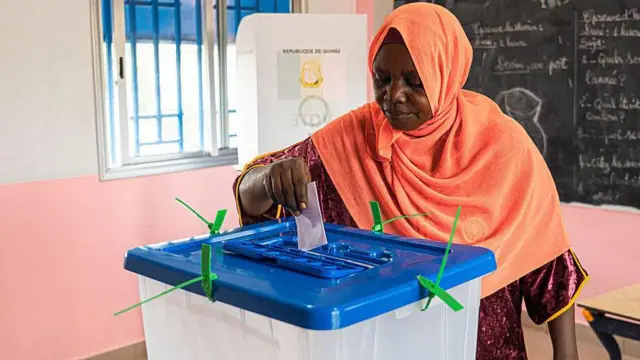
Public trust in institutions has been eroded by years of conflict and contested governance. Elections alone may not restore confidence without inclusive processes and accountability.
The choice facing voters on the Touadera third term will influence perceptions of democratic legitimacy and leadership credibility.
Long term governance impact
A third term could consolidate executive power and reshape governance structures. Supporters argue this offers continuity, while critics warn of weakened checks and balances.
The legacy of the Touadera third term may shape constitutional norms and leadership transitions for years to come.
Lessons for African democracies
The election reflects broader debates across Africa about term limits, stability, and democratic resilience. Similar controversies have emerged elsewhere on the continent.
How the Central African Republic handles the Touadera third term may inform regional discussions about balancing security with democratic principles.
Role of civil society
Civil society organizations continue to advocate for transparency, peaceful participation, and respect for constitutional norms. Their work is constrained by security and funding challenges.
Engagement around the Touadera third term highlights the importance of civic oversight in fragile democracies.
Youth perspectives and future leadership
Young people represent a significant portion of the population, yet many feel disconnected from formal politics. Limited opportunities and persistent insecurity shape their outlook.
For younger voters, the Touadera third term raises questions about generational change and future leadership pathways.
The election centered on the Touadera third term represents a pivotal moment for the Central African Republic. Voters are being asked to weigh continuity against democratic safeguards in a nation still striving for peace and stability.
Whether the outcome strengthens cohesion or deepens division will depend on how the process unfolds and how leaders respond afterward. Ultimately, the decision on the Touadera third term will shape the country’s political direction, institutional credibility, and hopes for a more secure future.