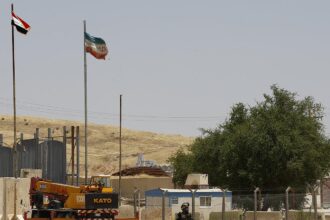

Brussels Morning attention has shifted sharply toward northern South America as Colombia border deployment intensifies along the frontier with Venezuela. Colombian authorities have confirmed the movement of additional military and police units into key border regions, citing growing security risks, rising migration pressures, and the need to maintain long term regional stability. The announcement has drawn regional and international scrutiny, reflecting how border decisions increasingly carry consequences beyond national boundaries.
The Colombia Venezuela border has long been a zone of economic exchange, informal trade, and political sensitivity. As security forces expand their presence, the deployment represents a strategic effort to restore control in areas where state authority has historically been limited, while avoiding actions that could escalate diplomatic tensions.

Why Colombia Is Expanding Its Border Presence
Officials in Colombia say the decision stems from persistent challenges that have intensified in recent months. Remote terrain, porous crossings, and limited infrastructure have allowed criminal networks and armed groups to exploit the border region for years. Smuggling, illegal migration routes, and organized crime activities have placed increasing strain on local communities.
The Colombia border deployment is framed as a preventive measure designed to protect civilians and reinforce sovereignty. Authorities emphasize that the objective is stabilization rather than confrontation, with security forces instructed to prioritize intelligence driven operations and coordination across agencies.
Historical Context of the Colombia Venezuela Border
Stretching more than 2,200 kilometers, the Colombia Venezuela border is among the longest and most complex in South America. It has been shaped by decades of shifting political relationships, economic crises, and fluctuating border policies. Periods of closure disrupted livelihoods and separated families, while reopenings restored limited trade and movement.
The current Colombia border deployment revives longstanding debates about how to balance enforcement with humanitarian and economic needs. Border communities depend heavily on cross border interaction, making any change in security posture deeply consequential for daily life.

Composition of the Security Forces
Government sources confirm that the deployment includes units from the army, national police, and specialized border task forces. These forces are responsible for patrol operations, surveillance, intelligence gathering, and rapid response capabilities in high risk zones.
Mobile checkpoints, aerial monitoring, and upgraded communications systems form part of the strategy. Officials stress that the Colombia border deployment focuses on targeted enforcement rather than broad restrictions, aiming to improve security outcomes while minimizing disruption for lawful residents and businesses.
Impact on Border Communities
Local reactions to the deployment are mixed. Many residents welcome the increased security, hoping it will reduce violence, extortion, and criminal influence that have affected border towns for years. Others express concern that heightened enforcement could interfere with informal trade networks that sustain families.
Community leaders have called for transparency and engagement. Authorities have pledged outreach initiatives to explain the purpose and scope of the Colombia border deployment, emphasizing respect for civilian rights and local economic realities.
Migration Pressures Along the Frontier
Migration remains one of the most pressing issues in the region. Economic hardship has driven significant population movement across the border, placing pressure on housing, healthcare, and employment opportunities in host communities. Officials insist the deployment is designed to manage migration safely rather than restrict humanitarian access.
By strengthening oversight, the Colombia border deployment aims to reduce exploitation of migrants by criminal groups while supporting coordination with humanitarian organizations. Aid groups continue to monitor conditions closely to ensure that security measures align with international humanitarian standards.

Regional and Diplomatic Implications
The deployment has drawn attention from neighboring governments and international observers. Analysts view the move as part of Colombia’s broader effort to act as a stabilizing force amid regional uncertainty. Diplomatic channels between Bogotá and Caracas remain open, with officials emphasizing dialogue and de escalation.
The Colombia border deployment carries diplomatic sensitivity, as border security decisions can influence bilateral relations. How effectively authorities communicate intentions and manage incidents will play a key role in shaping regional perceptions.
Economic Consequences of Enhanced Security
Border security measures often have immediate economic effects. Informal trade has long supported local economies, and even minor disruptions can ripple through border communities. Authorities say legal trade corridors will remain open and protected throughout the operation.
Supporters argue that the Colombia border deployment could improve long term economic stability by reducing illegal competition and encouraging formal commerce. Business owners near the frontier are watching closely as policies are implemented.
Domestic Political Significance
Within Colombia, border security is a politically sensitive issue. Public confidence in government leadership often hinges on perceptions of safety and control. By acting decisively, officials aim to demonstrate responsiveness to citizen concerns while maintaining diplomatic balance.
Political analysts suggest the Colombia border deployment reflects an effort to project stability and preparedness. Public debate is expected to intensify as the deployment continues and its effects become more visible.

Long Term Security Strategy
Authorities describe the deployment as flexible and subject to continuous review. Troop levels, patrol patterns, and enforcement tactics may be adjusted based on conditions on the ground and feedback from local communities.
The Colombia border deployment is part of a broader strategy that includes infrastructure investment, social programs, and regional cooperation. Officials emphasize that addressing root causes such as poverty, limited opportunity, and weak governance is essential for lasting stability.
Lessons for Regional Stability
The situation highlights how border challenges rarely exist in isolation. Migration, crime, and political instability intersect in complex ways that demand coordinated responses. Observers suggest Colombia’s approach may offer lessons for balancing enforcement with humanitarian responsibility.
The success of the Colombia border deployment will depend not only on security operations but also on sustained dialogue with neighboring countries and meaningful engagement with affected communities.
A Defining Test for Border Policy
The decision to reinforce security along the Venezuela frontier marks a defining moment for Colombia and the wider region. While framed as a precautionary measure, the deployment carries long term implications for diplomacy, migration management, and economic resilience.
As events unfold, the Colombia border deployment will be judged by its ability to improve safety without undermining livelihoods or regional trust. The coming months will reveal whether this strategy delivers durable stability along one of South America’s most sensitive borders.