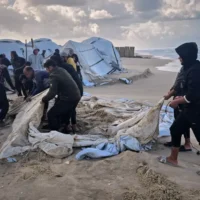
Brussels Morning Newspaper reports from the occupied West Bank have drawn renewed international attention to civilian property damage near Bethlehem, following incidents that left multiple homes damaged and families shaken. The developments highlight the ongoing vulnerability of residential areas caught in cycles of unrest, where ordinary people often bear the heaviest consequences. As images of destruction circulate globally, questions are mounting about protection for civilians, accountability, and the broader implications for regional stability.
The issue of civilian property damage is not new to the West Bank, but recent incidents near Bethlehem have intensified concerns among humanitarian groups and foreign governments alike. For affected families, the destruction represents more than broken walls or shattered windows; it disrupts livelihoods, erodes a sense of safety, and deepens long standing trauma.
What Happened Near Bethlehem
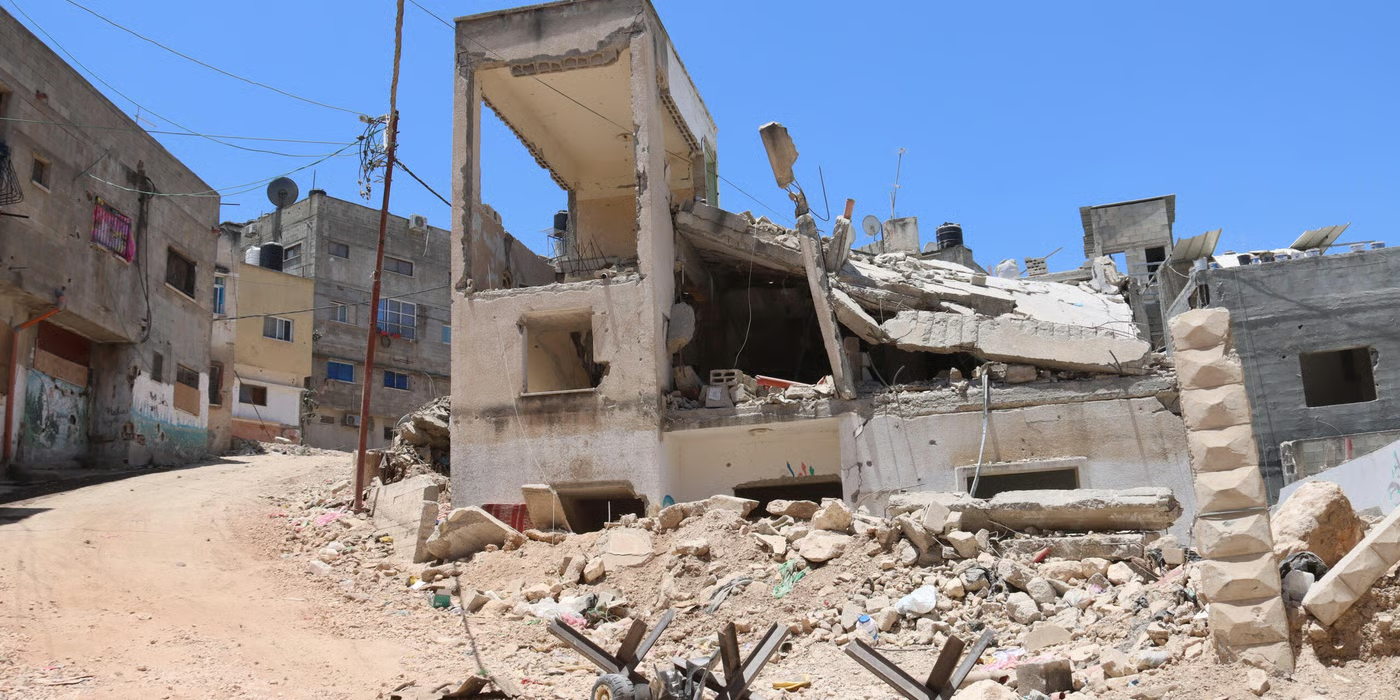
Local residents report that groups entered villages on the outskirts of Bethlehem, damaging homes, vehicles, and agricultural structures. Witnesses described windows smashed, doors broken, and household items destroyed during the incident. While no fatalities were immediately reported, several residents sustained minor injuries amid the chaos.
The scale of civilian property damage varied from home to home, but the psychological impact was widespread. Families described remaining indoors for hours, unsure if further violence would follow. Community leaders say the destruction occurred quickly, leaving little time for residents to react or seek assistance.
Impact on Families and Communities
For families living near Bethlehem, civilian property damage has immediate and long term consequences. Homes are not only shelters but also centers of family life and economic stability. Damage to residential structures can force families to seek temporary shelter with relatives or neighbors, increasing financial and emotional strain.
Children are particularly affected by such incidents. Exposure to violence and destruction at a young age can have lasting psychological effects. Educators and social workers warn that repeated episodes of civilian property damage contribute to anxiety, disrupted schooling, and long term trauma within communities.
Rising Tensions in the West Bank
The incident near Bethlehem reflects a broader pattern of escalating tensions across the West Bank. Over recent months, clashes, raids, and confrontations have become more frequent, creating an environment where civilian property damage is increasingly common.
Analysts note that these incidents are often linked to unresolved land disputes, political uncertainty, and a lack of effective conflict resolution mechanisms. Each episode of destruction adds to a cycle of grievance, making de escalation more difficult and increasing the risk of further unrest.
Role of Security Forces
The response of security forces remains a contentious issue. Residents frequently allege delayed intervention, while authorities argue that maintaining order in contested areas presents significant challenges. In cases involving civilian property damage, questions often arise about prevention, response times, and accountability.
Human rights advocates argue that stronger measures are needed to protect residential areas and deter future incidents. Without consistent enforcement and clear consequences, they warn that destruction of civilian property may continue unchecked.

International Reaction and Diplomatic Concern
International reactions to the incident have been measured but concerned. Governments and international organizations have reiterated calls for restraint and emphasized the need to protect civilians and their property. Statements often reference international humanitarian law, which prohibits attacks on civilian infrastructure.
Diplomats stress that continued civilian property damage undermines prospects for stability and peace. While condemnations are common, affected communities often express frustration over the lack of tangible action following such statements.
Legal and Human Rights Perspectives
From a legal standpoint, destruction of civilian homes raises serious concerns. International law provides protections for non combatants and civilian property, particularly in occupied territories. Human rights organizations have called for independent investigations into incidents near Bethlehem to determine responsibility and ensure accountability.
Legal experts warn that failure to address civilian property damage can normalize violations and weaken the rule of law. They argue that accountability is essential not only for justice but also for preventing future incidents.
Media Coverage and Public Awareness
Media coverage has played a key role in bringing attention to the situation near Bethlehem. Images of damaged homes and testimonies from residents have circulated widely, shaping public perception and increasing awareness of civilian property damage in the region.
However, reporting in conflict zones is often challenging. Journalists face restricted access, security risks, and competing narratives. Despite these obstacles, continued coverage remains crucial for ensuring that the experiences of affected civilians are not overlooked.
Humanitarian Consequences
Humanitarian organizations operating in the West Bank report increased demand for assistance following incidents of civilian property damage. Families may require emergency shelter, repairs, and psychological support. Limited resources and access restrictions can complicate relief efforts.
Aid workers emphasize that repeated destruction strains already fragile support systems. Without long term solutions, humanitarian responses risk becoming reactive rather than preventative.

Broader Implications for Peace Efforts
Civilian property damage has broader implications for any future peace efforts. Each incident deepens mistrust and reinforces perceptions of injustice, making dialogue more difficult. Analysts argue that protecting civilians and their homes is a fundamental step toward rebuilding confidence.
Without addressing the root causes of destruction and insecurity, peace initiatives are unlikely to gain traction. The situation near Bethlehem serves as a reminder that conditions on the ground directly influence political possibilities.
Voices From the Ground
Residents affected by the recent incident describe feelings of fear, anger, and exhaustion. Many say they feel trapped between political forces beyond their control, struggling to protect their families and preserve their homes.
Community leaders stress that civilian property damage undermines social cohesion and forces difficult choices, including whether to remain in ancestral areas or seek safety elsewhere. Such decisions carry profound cultural and emotional weight.
What Happens Next
In the aftermath of the incident, calls for monitoring, investigations, and protective measures have grown louder. Whether these appeals lead to concrete changes remains uncertain. Observers note that sustained attention is essential to prevent future civilian property damage.
As long as underlying tensions remain unresolved, similar incidents are likely to occur. Addressing immediate needs while pursuing long term solutions will be critical for reducing harm to civilians.
The recent reports of civilian property damage near Bethlehem highlight the ongoing vulnerability of residential communities in the West Bank. Beyond the physical destruction, the incident has deepened fear, disrupted lives, and reinforced instability for families already living under significant strain.
As international attention continues, the protection of civilian homes and accountability for their destruction remain central issues. Without meaningful action, civilian property damage risks becoming an entrenched feature of the conflict, with lasting consequences for generations to come.