Caracas, Venezuela, 2026 — According to reporting by Brussels Morning Newspaper, civil liberties Venezuela are facing intensified scrutiny as political tension, enforcement measures, and economic strain converge to reshape public life. Activists, journalists, and community leaders describe an atmosphere of caution that extends from newsrooms to neighborhood gatherings.
Rather than a single dramatic policy shift, critics point to a steady accumulation of actions that collectively narrow civic space. Government officials reject that characterization, arguing that security and stability remain paramount amid persistent internal and external challenges.
Political Climate Shapes Public Behavior
Analysts say the current political environment has magnified anxiety surrounding civil liberties Venezuela, especially as the government confronts economic pressure and diplomatic isolation. In such circumstances, authorities often emphasize control as a means of preserving order.
Supporters of the government argue that strong governance prevents chaos and unrest. Opponents counter that heightened enforcement risks silencing legitimate dissent and discouraging political participation.
The resulting tension has become a defining feature of daily life.
Media Landscape Under Increased Pressure
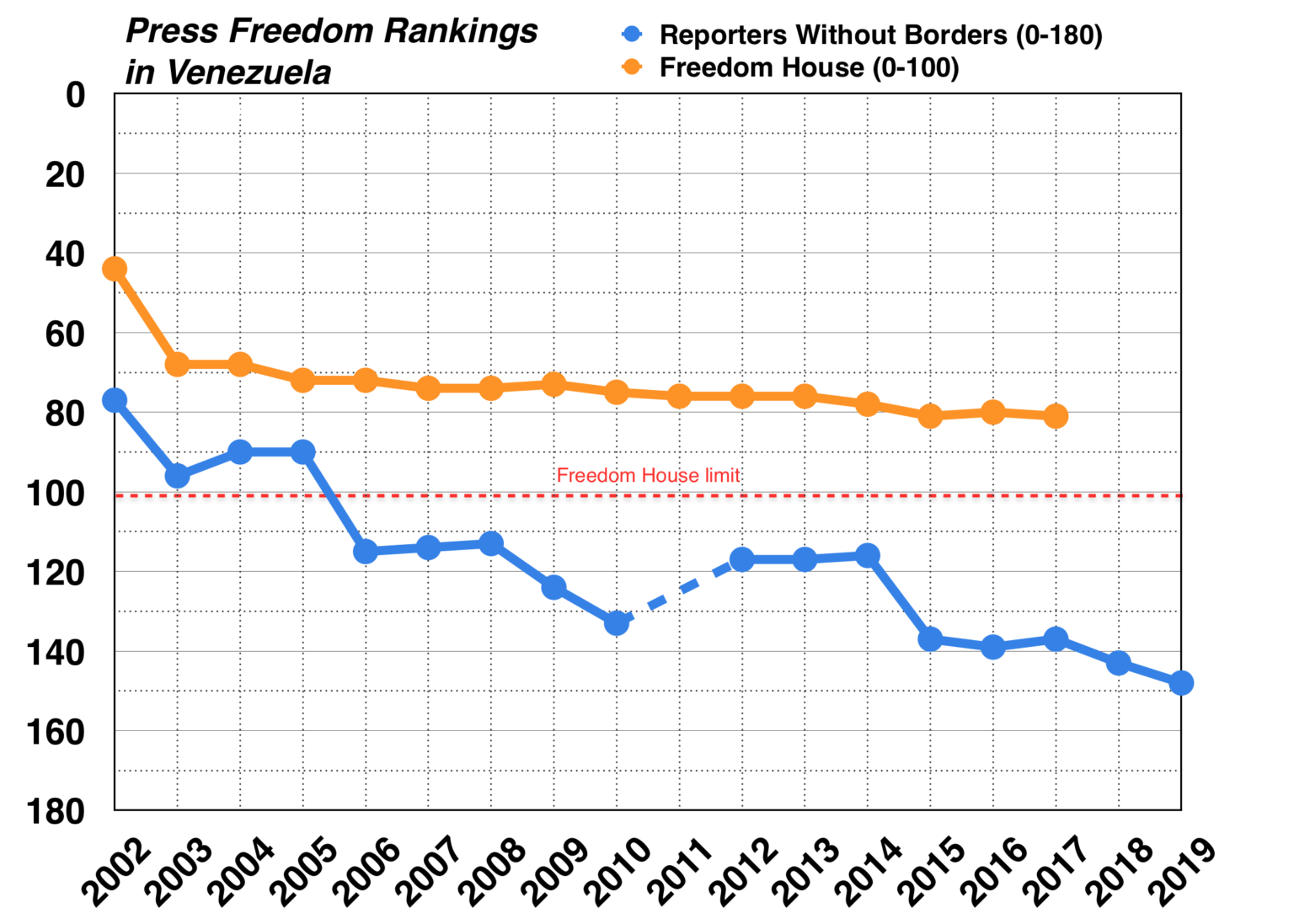
Concerns about civil liberties Venezuela are particularly evident within the media sector. Journalists report greater caution in editorial decisions, citing unclear regulations and fear of legal consequences.
Independent outlets say access to official information has become more limited, while press freedom advocates warn that informal pressure can be as effective as formal censorship. When boundaries are uncertain, self-restraint becomes common.
The consequence, critics argue, is a public less informed about issues that directly affect them.
Civil Society Faces Operational Challenges
Non-governmental organizations describe a more complex operating environment as civil liberties Venezuela encounter tighter oversight. Registration requirements, reporting obligations, and funding scrutiny have increased administrative burdens.
Community leaders say these measures discourage participation and weaken grassroots initiatives. Authorities frame oversight as accountability, but civil society groups argue it undermines their ability to serve vulnerable populations.
The long-term impact on social cohesion remains uncertain.
Public Assembly and Protest Dynamics
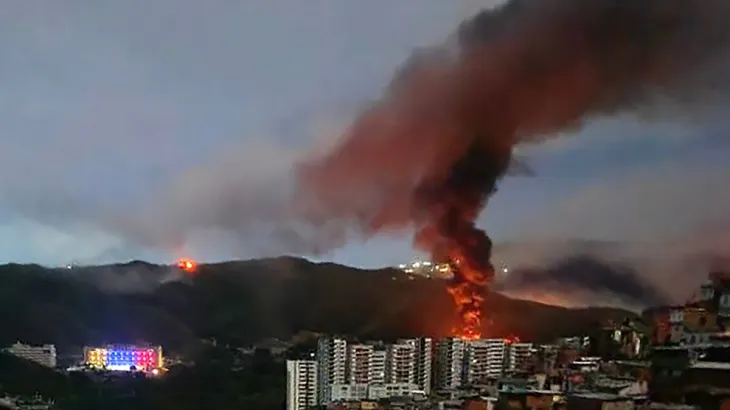
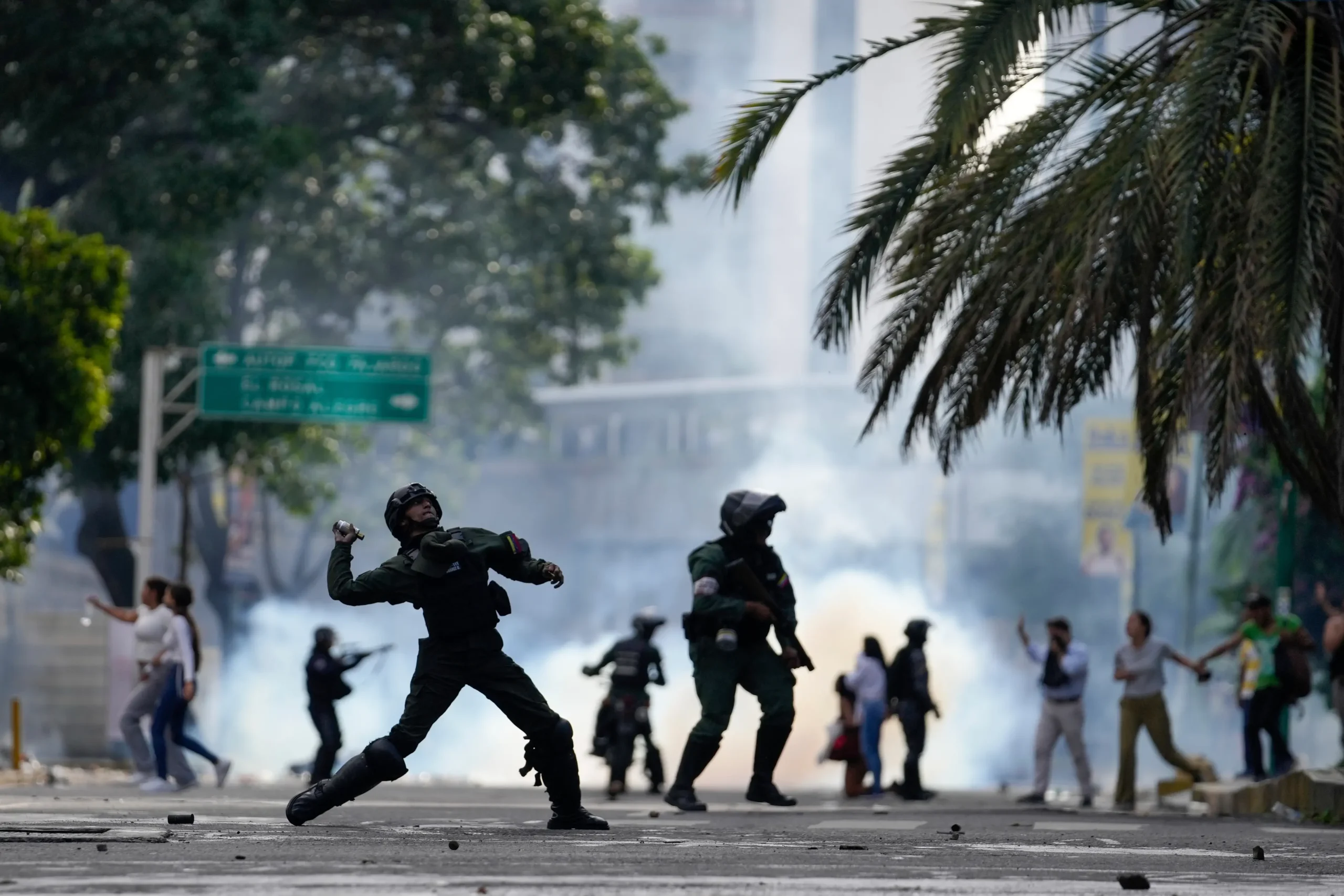
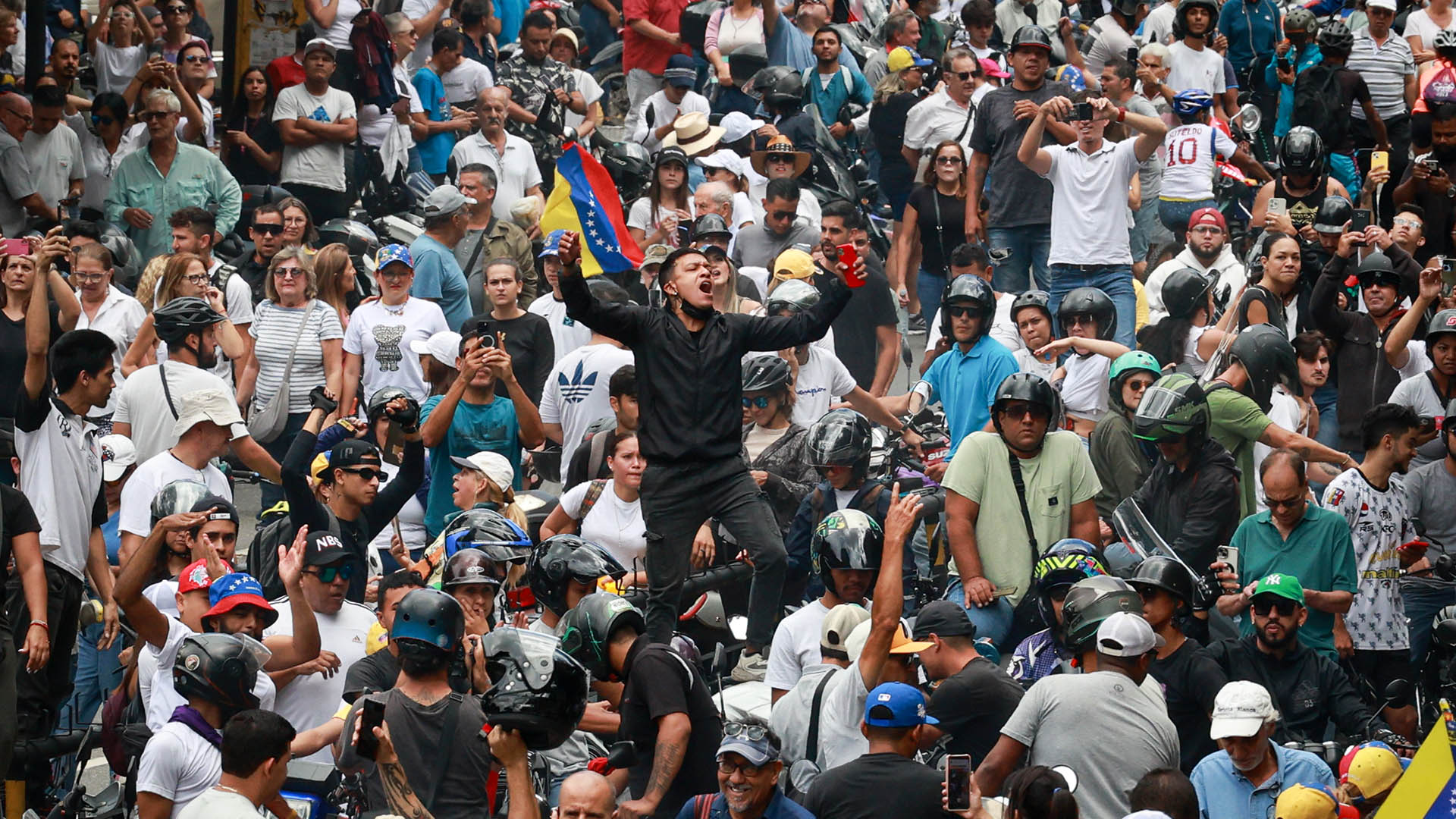
Public demonstrations have become more subdued as concerns grow that civil liberties Venezuela may be constrained by enforcement practices. Organizers report difficulties securing permits, while participants express fear of legal repercussions.
Security officials maintain that regulations are applied consistently. Protest leaders counter that selective enforcement creates uncertainty and discourages lawful assembly.
Reduced visibility of protest activity reflects caution rather than absence of dissent.
Economic Stress Amplifies Rights Concerns
Economic hardship has intensified worries about civil liberties Venezuela, as inflation and employment instability strain household resilience. For many citizens, political uncertainty adds to existing daily pressures.
Economists note that economic vulnerability often makes populations more sensitive to restrictions on freedom. When livelihoods are fragile, individuals may avoid activities perceived as risky.
This dynamic shapes behavior across communities.
International Attention and Diplomatic Signals
Foreign governments and rights organizations are closely monitoring developments affecting civil liberties Venezuela. Diplomatic engagement continues, but officials abroad have expressed concern over recent trends.
Some governments urge restraint and dialogue, while others emphasize respect for sovereignty. International organizations stress the importance of legal protections and transparency.
External scrutiny adds complexity to domestic decision-making.
Legal Framework and Enforcement Practices
Legal experts note that civil liberties Venezuela are formally protected under existing law, yet enforcement practices remain decisive. Broad legal language allows wide discretion in application, creating uncertainty for citizens.
Courts play a central role in resolving disputes, but confidence in judicial independence varies. Without consistent rulings, legal protections may feel abstract rather than practical.
This gap between law and lived experience fuels ongoing concern.
Digital Space and Expression
Online platforms have become a critical arena where civil liberties Venezuela are tested daily. Social media users describe increased caution in posting political opinions, aware that digital expression may attract attention.
Technology has expanded access to information while also increasing surveillance capacity. Balancing openness and risk has become a daily calculation for many Venezuelans.
Digital behavior reflects broader uncertainty about acceptable boundaries.
Community Perspectives on Daily Life
Among ordinary citizens, discussions about civil liberties Venezuela often focus on practical choices rather than legal theory. People weigh what they say publicly, where they gather, and how visibly they engage in civic life.
Community leaders describe a population that has adapted to uncertainty but remains wary of escalation. Adaptation, they note, carries psychological cost.
The sense of caution permeates everyday interactions.
Expert Views on the Path Forward
Observers say the future of civil liberties Venezuela will depend on both policy direction and implementation. Incremental changes often have greater impact than sweeping announcements.
One regional human rights analyst observed:
“Rights rarely disappear overnight; they erode gradually when uncertainty replaces clear protection.”
The comment reflects why sustained monitoring remains essential.
Political Calculations Ahead
As Venezuela moves through 2026, decisions by political leaders will shape the trajectory of civil liberties Venezuela. Analysts suggest that balancing control with legitimacy will be critical.
Excessive restriction risks deepening isolation and internal discontent, while restraint could open space for dialogue. The choices ahead carry significant consequences.
Political calculations will determine how civic space evolves.
Youth and Generational Impact
Young Venezuelans experience civil liberties Venezuela differently, shaped by digital culture and economic uncertainty. Many express frustration over limited opportunity and constrained expression.
Youth organizations say engagement has shifted toward informal networks rather than visible activism. This shift reflects adaptation rather than disengagement.
The long-term implications for political participation remain unclear.
Regional Comparisons and Context
Comparisons with neighboring countries highlight how civil liberties Venezuela fit within broader regional trends. Latin America has seen fluctuating levels of civic freedom amid economic and political challenges.
Regional experts note that Venezuela’s trajectory influences perceptions across the continent. Outcomes here may inform policy debates elsewhere.
The regional context adds weight to domestic developments.
A Society Balancing Caution and Resilience
Despite challenges, Venezuelan society continues to demonstrate resilience. Community networks, informal support systems, and cultural expression persist even as civil liberties Venezuela face pressure.
Observers say resilience should not be mistaken for acceptance. Many citizens adapt while hoping for greater clarity and protection.
The balance between caution and endurance defines the current moment.
Why the Coming Months Matter
The months ahead may prove decisive for civil liberties Venezuela, as policy signals, enforcement actions, and public response interact. Incremental decisions can produce lasting effects.
For citizens, the issue is deeply personal, affecting speech, association, and participation. For institutions, credibility and legitimacy are at stake.
The direction chosen will resonate beyond national borders.
A Defining Moment for Civic Space
As 2026 unfolds, civil liberties Venezuela stand at a crossroads shaped by political strategy, economic pressure, and public expectation. Whether civic space stabilizes or contracts further will depend on choices made now.
For many Venezuelans, freedom is measured not in slogans but in everyday choices.