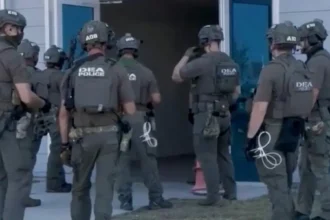
Brussel morning analysis places renewed international attention on China Taiwan tensions as developments in the Taiwan Strait increasingly reflect long term strategic intent rather than temporary political messaging. What once appeared as intermittent demonstrations of force has evolved into sustained activity that blends military preparedness diplomatic pressure and information management. This evolution has altered how policymakers analysts and markets interpret risk in one of the world’s most strategically sensitive regions.
The growing prominence of China Taiwan tensions now reaches far beyond East Asia. Global trade routes supply chains and diplomatic alignments are shaped by perceptions of stability in the Taiwan Strait. As a result the issue has become a focal point in broader discussions about global security resilience and geopolitical risk management.
Historical Foundations of Cross Strait Relations
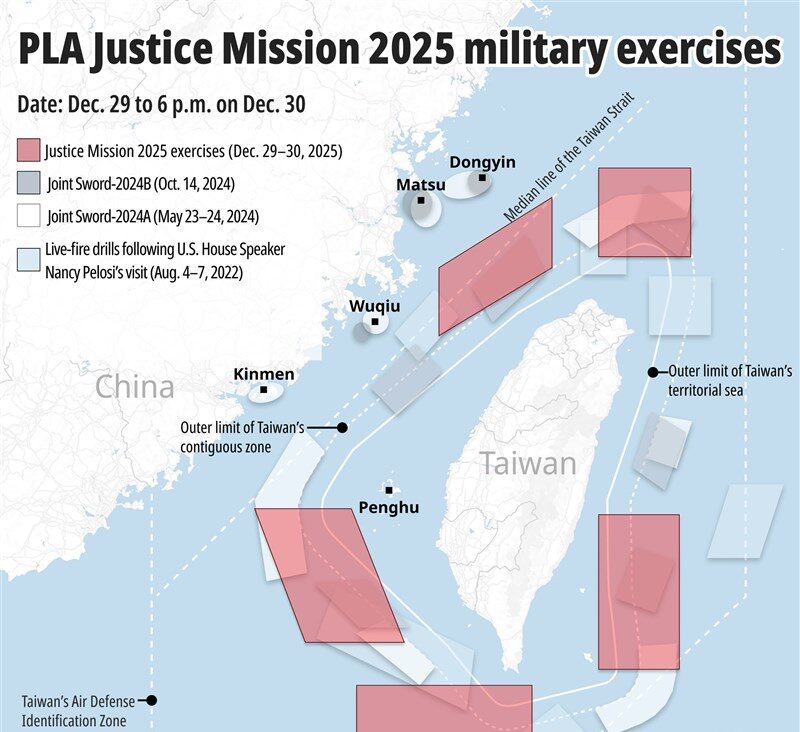
Relations across the Taiwan Strait have long been influenced by history identity and competing political visions. For decades periods of engagement were punctuated by moments of strain yet most episodes followed a familiar pattern. Military signaling was typically limited and carefully framed allowing space for dialogue and eventual de escalation.
The current phase of China Taiwan tensions departs from that historical rhythm. Instead of isolated incidents the situation is defined by continuity and repetition. This sustained pressure has changed expectations and reduced confidence that tensions will naturally subside without deliberate intervention.
Shift From Symbolic Actions to Sustained Pressure
Earlier periods of friction relied heavily on symbolism. Exercises and statements were designed to send messages rather than test real world capabilities. Today military activity reflects a more operational mindset with exercises structured to simulate realistic scenarios.
This shift means China Taiwan tensions are no longer confined to rhetorical signaling. The emphasis on endurance coordination and readiness suggests an effort to normalize a higher level of activity and presence over time reshaping what is considered routine.
Transformation of Military Coordination
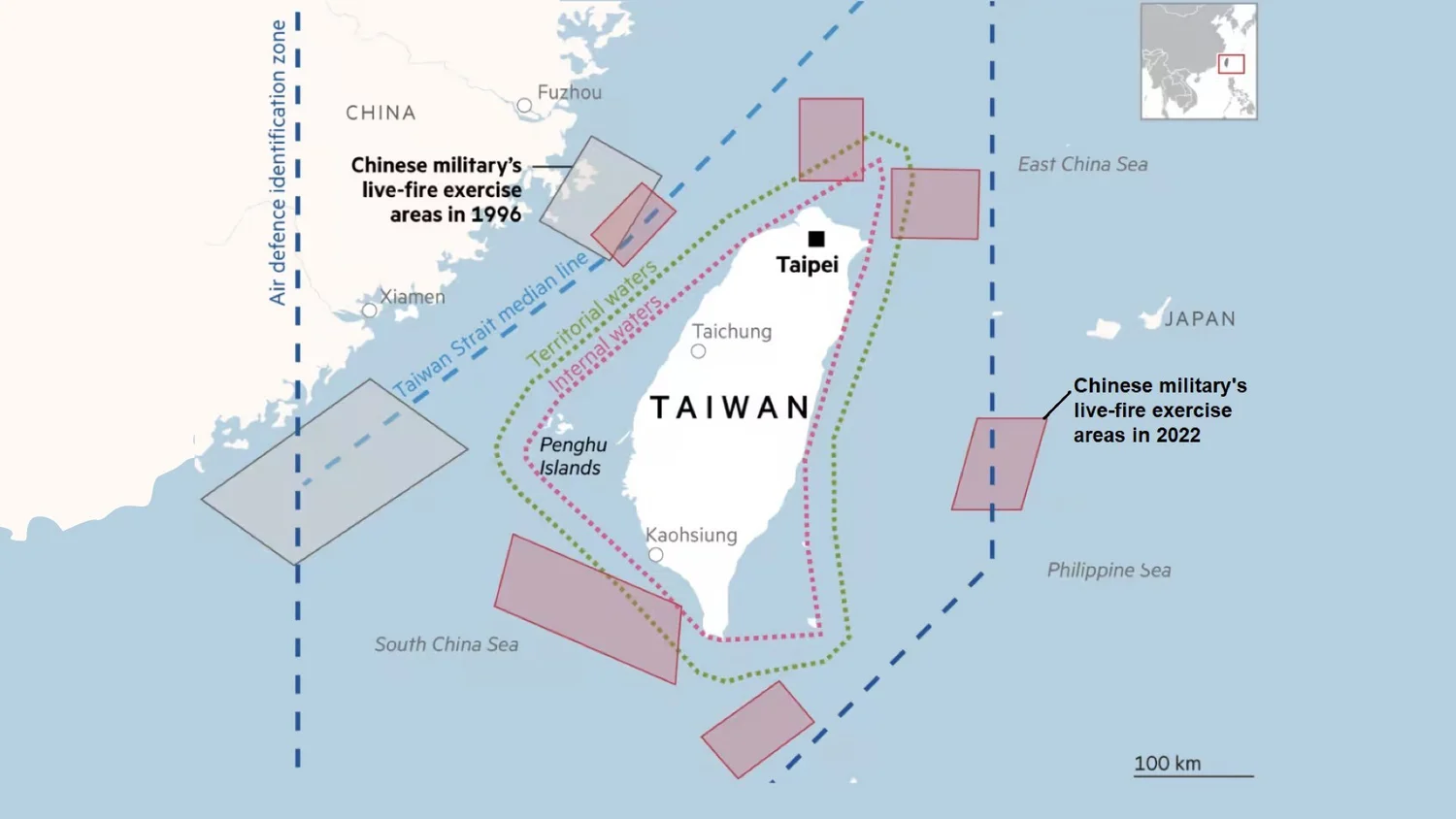
Military coordination has undergone significant transformation. Operations now integrate air naval missile and command elements into unified exercises that stress joint effectiveness. This level of integration represents a notable departure from earlier drills that often highlighted individual branches acting independently.
By emphasizing joint operations China Taiwan tensions increasingly function as platforms for capability validation. Forces are able to test logistics communications and decision making under conditions that more closely resemble real contingencies.
Geographic Expansion and Strategic Reach
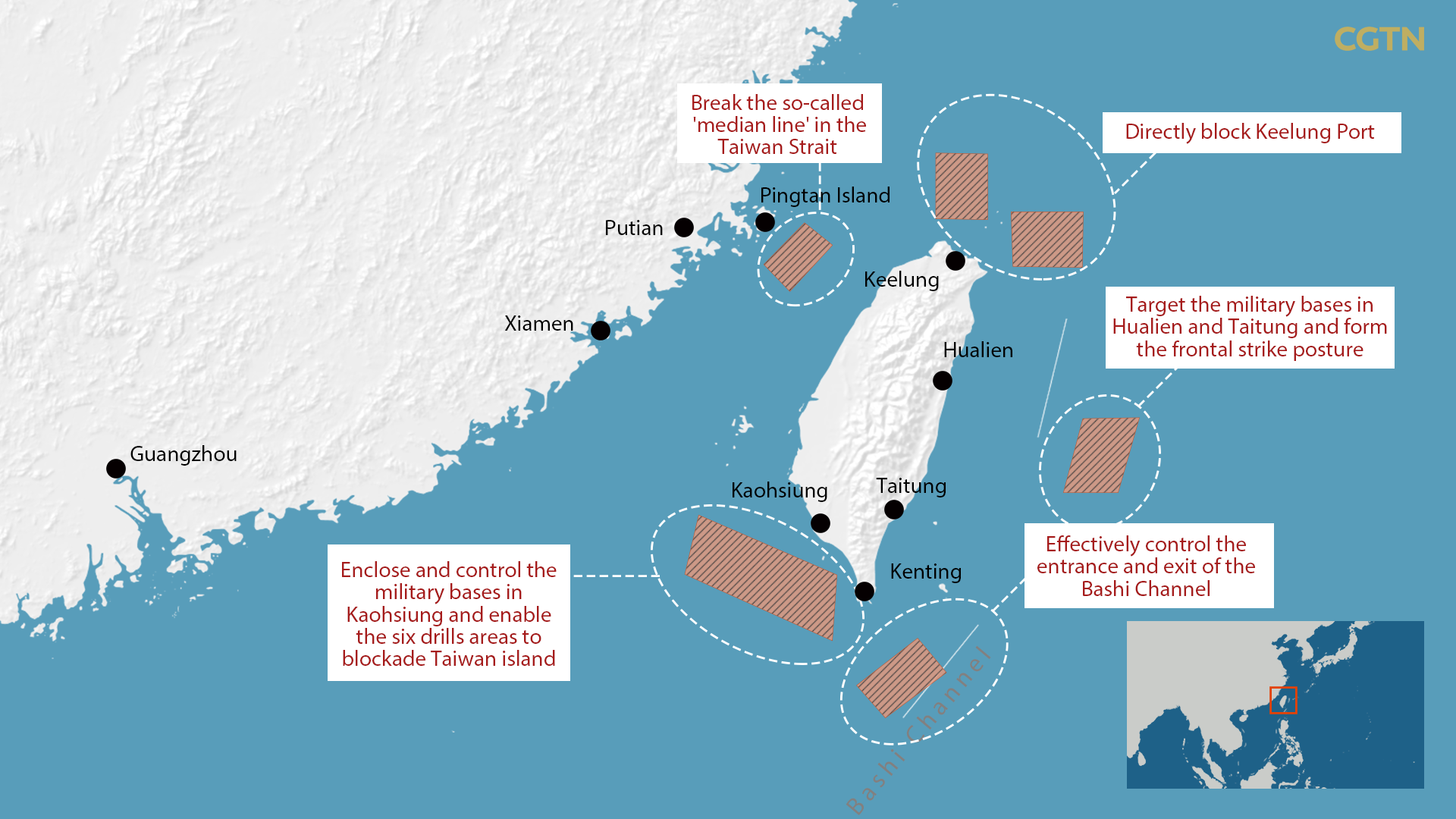
Another defining feature of the current environment is the expanded geographic scope of military activity. Operations now extend across multiple approaches around the island rather than remaining confined to predictable corridors.
This expansion increases monitoring demands and complicates defensive planning. For regional observers the broader reach reinforces concerns that China Taiwan tensions are reshaping accepted norms of movement and presence in surrounding waters.
The Role of the People’s Liberation Army
The People’s Liberation Army plays a central role in shaping the evolving security landscape. Ongoing modernization has focused on joint command structures rapid deployment and improved coordination across domains.
Within the context of China Taiwan tensions these reforms demonstrate preparedness for sustained operations rather than short term demonstrations. The emphasis on integration precision and resilience reflects long standing efforts to enhance operational effectiveness.
Impact on Taiwan
For Taiwan the sustained nature of current pressure translates into continuous operational demands. Air and naval forces must maintain heightened readiness levels while managing personnel fatigue and equipment wear.
Beyond the military sphere China Taiwan tensions influence public discourse political debate and economic planning on the island. Authorities stress calm communication preparedness and societal resilience as essential components of long term stability.
Political Timing and Strategic Messaging
Political context has become increasingly important in shaping developments. Military actions often coincide with elections diplomatic engagements or major policy announcements amplifying their psychological and political impact.
By aligning activity with political moments China Taiwan tensions serve as instruments of signaling designed to influence perception and confidence without crossing into open confrontation.
Regional Security Implications
Across East Asia the evolving situation has prompted reassessment of security frameworks. Neighboring states recognize that changes in the Taiwan Strait can have cascading effects on alliance planning deterrence strategies and defense investment.
As a result China Taiwan tensions are no longer viewed solely as a bilateral issue. They now shape broader conversations about crisis management strategic balance and long term regional stability.
International Diplomatic Responses
Global reactions have generally emphasized restraint dialogue and stability. Many governments avoid inflammatory rhetoric while quietly adjusting strategic planning to reflect new realities.
This measured approach reflects awareness that miscalculation could carry far reaching consequences. Managing China Taiwan tensions through diplomacy and communication remains a shared priority even as strategic competition intensifies.
Economic and Trade Dimensions
The Taiwan Strait is one of the world’s most important commercial corridors. Any perception of instability affects shipping insurance costs logistics planning and market sentiment.
For multinational corporations and financial institutions China Taiwan tensions represent an ongoing risk factor that must be integrated into long term supply chain and investment strategies.
Information and Psychological Elements
Modern strategic competition increasingly involves information management. Official statements media narratives and controlled messaging are carefully aligned with military activity.
This psychological dimension seeks to shape expectations and confidence without direct engagement. Compared with earlier periods the integration of information strategy marks a significant evolution in how pressure is applied and perceived.
Risk of Miscalculation and Crisis Management
As operational tempo increases the margin for error narrows. Dense military presence heightens the risk of accidents or misunderstanding.
Analysts emphasize the importance of communication channels confidence building measures and crisis management mechanisms. Preventing unintended escalation is essential to managing China Taiwan conflict responsibly.
Long Term Strategic Outlook
The sustained nature of current developments suggests a long term recalibration rather than a temporary spike. Repetition gradually normalizes heightened activity altering expectations and strategic baselines.
Over time this shift may influence deterrence models alliance coordination and regional security architecture. Understanding the trajectory of China Taiwan tensions is critical for long range planning by governments and institutions alike.
In conclusion China Taiwan tensions have evolved into a persistent and multifaceted challenge that blends military readiness political signaling economic risk and information strategy. What was once episodic pressure has become a defining feature of the regional security environment.
As developments continue China Taiwan tensions will remain central to discussions about stability in East Asia shaping policy diplomacy and market behavior well into the future.