Beijing, China, January, 2026 — From the seat of national decision-making, China’s evolving energy direction is commanding global attention this year, according to Brussels Morning Newspaper. As governments and markets assess long-term supply security and climate commitments, the trajectory of China power energy policy in 2026 is emerging as one of the most influential forces shaping the international energy landscape.
Policy signals issued from Beijing now extend far beyond domestic priorities. They affect trade flows, technology pricing, industrial competitiveness, and diplomatic engagement across Europe, Asia, and the developing world.
Beijing as the Center of Strategic Energy Direction
Beijing remains the undisputed primary location for national energy planning. Core decisions that define China power energy are coordinated through central ministries and regulatory bodies before being implemented at provincial and municipal levels.
This centralized governance structure allows China to synchronize infrastructure investment with industrial policy. The result is a level of execution speed and alignment rarely seen in large economies undergoing structural change.
From Transition Goals to System Redesign
Earlier stages of reform focused on targets and capacity expansion. In 2026, the emphasis has shifted toward full system redesign. Generation, transmission, storage, and consumption are treated as interlinked components rather than isolated sectors.
This integrated planning approach has become a defining feature of China power energy, enabling higher efficiency and faster deployment while reducing operational risk across the system.
Renewable Power Moves Into a Dominant Role
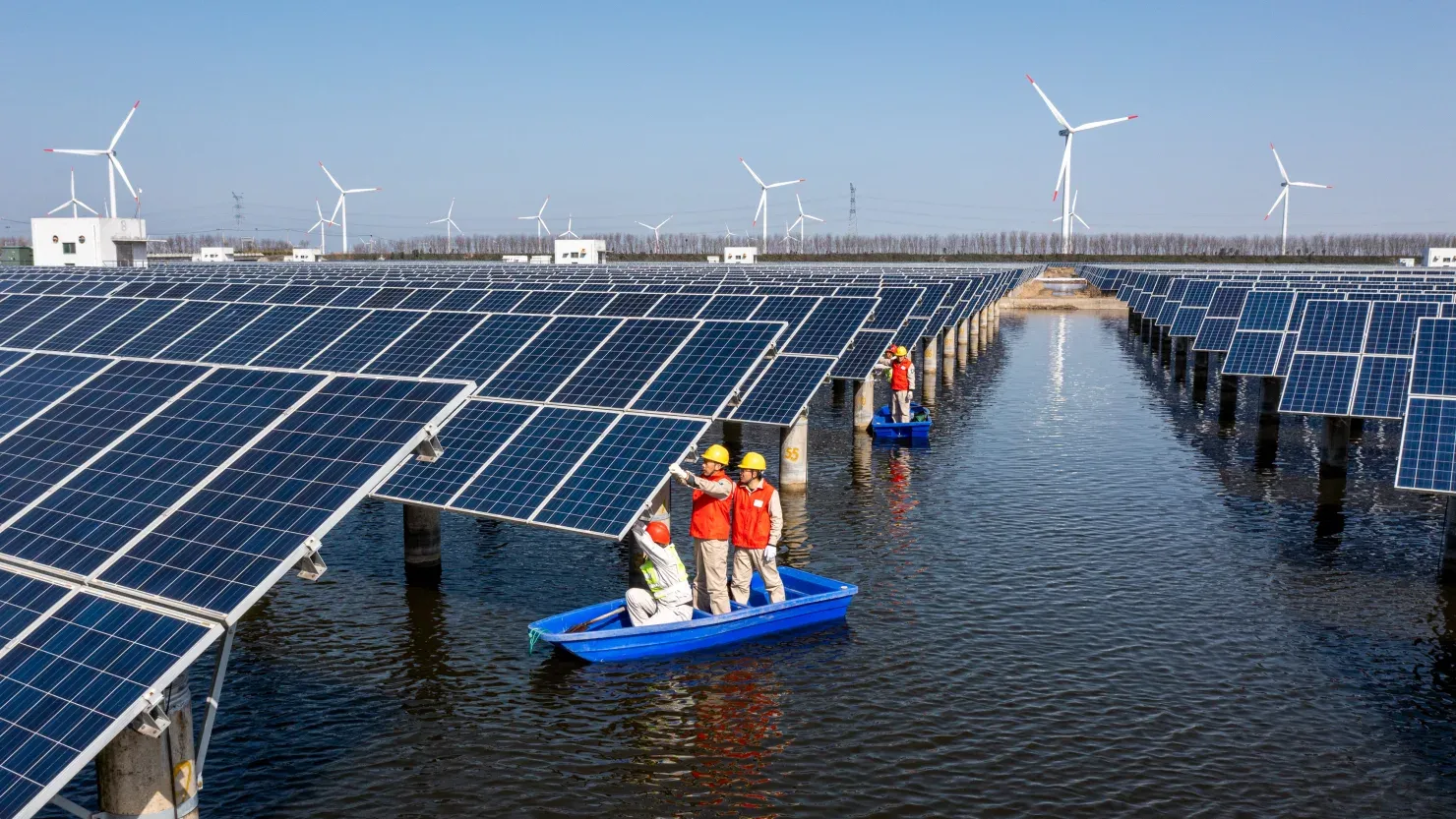
Renewable generation now occupies a central position in national supply. Large-scale solar bases across western provinces and offshore wind farms along the eastern coastline are delivering consistent output to industrial and urban centers.
Within China power energy planning, renewable’s are no longer considered supplemental. They form the backbone of long-term electricity provision supported by firm grid infrastructure and storage.
Transmission Infrastructure Shapes the Energy Map
Ultra-high-voltage transmission corridors continue to reshape how electricity moves across China. Power generated in resource-rich inland regions is transmitted efficiently to coastal manufacturing hubs and megacities.
This expansion has transformed transmission infrastructure into a strategic asset within China power energy, reducing regional imbalances and improving overall system resilience.
Digital Grids and Operational Intelligence
Grid modernization in 2026 goes beyond physical infrastructure. Advanced monitoring systems, automation, and real-time data analytics are increasingly embedded in grid operations.
These digital tools enhance the stability of China power energy networks by enabling faster response to fluctuations and improving forecasting accuracy for renewable output.
Energy Storage Becomes System Critical
Energy storage capacity has expanded rapidly and is now integral to system planning. Large battery installations and pumped hydro facilities are deployed alongside renewable generation to manage variability.
For China power energy, storage is no longer an experimental solution. It is a core mechanism that supports reliability, price stability, and higher clean energy penetration.
Electrification Reshapes National Demand
Electrification of transport and industry continues to accelerate in 2026. Electric vehicles dominate new registrations in major cities, while public transport systems rely increasingly on electric fleets.
This demand-side shift reinforces the importance of coordinated China power energy planning to ensure supply growth aligns with electrified consumption patterns.
Industrial Transformation and Clean Power
Heavy industries are advancing pilot programs that replace fossil fuels with electricity and hydrogen. Steel, chemicals, and manufacturing sectors are testing new production models supported by clean power supply.
These initiatives deepen the integration between industrial strategy and China power energy, highlighting how decarbonization and competitiveness are being pursued simultaneously.
Manufacturing Capacity Supports Energy Goals
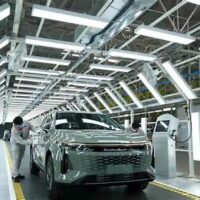
China’s role as a global manufacturing hub underpins progress across the energy sector. Domestic production of solar panels, wind turbines, batteries, and electric vehicles supports rapid deployment at scale.
This industrial strength reinforces China power energy ambitions while lowering costs for global markets through economies of scale and continuous innovation.
Hydrogen Enters a New Phase
Hydrogen development has advanced from pilot projects toward early commercialization. Green hydrogen produced using renewable electricity is being tested in steel-making, transport, and chemicals.
Within the broader China power energy framework, hydrogen offers a pathway to address sectors that are difficult to electrify directly.
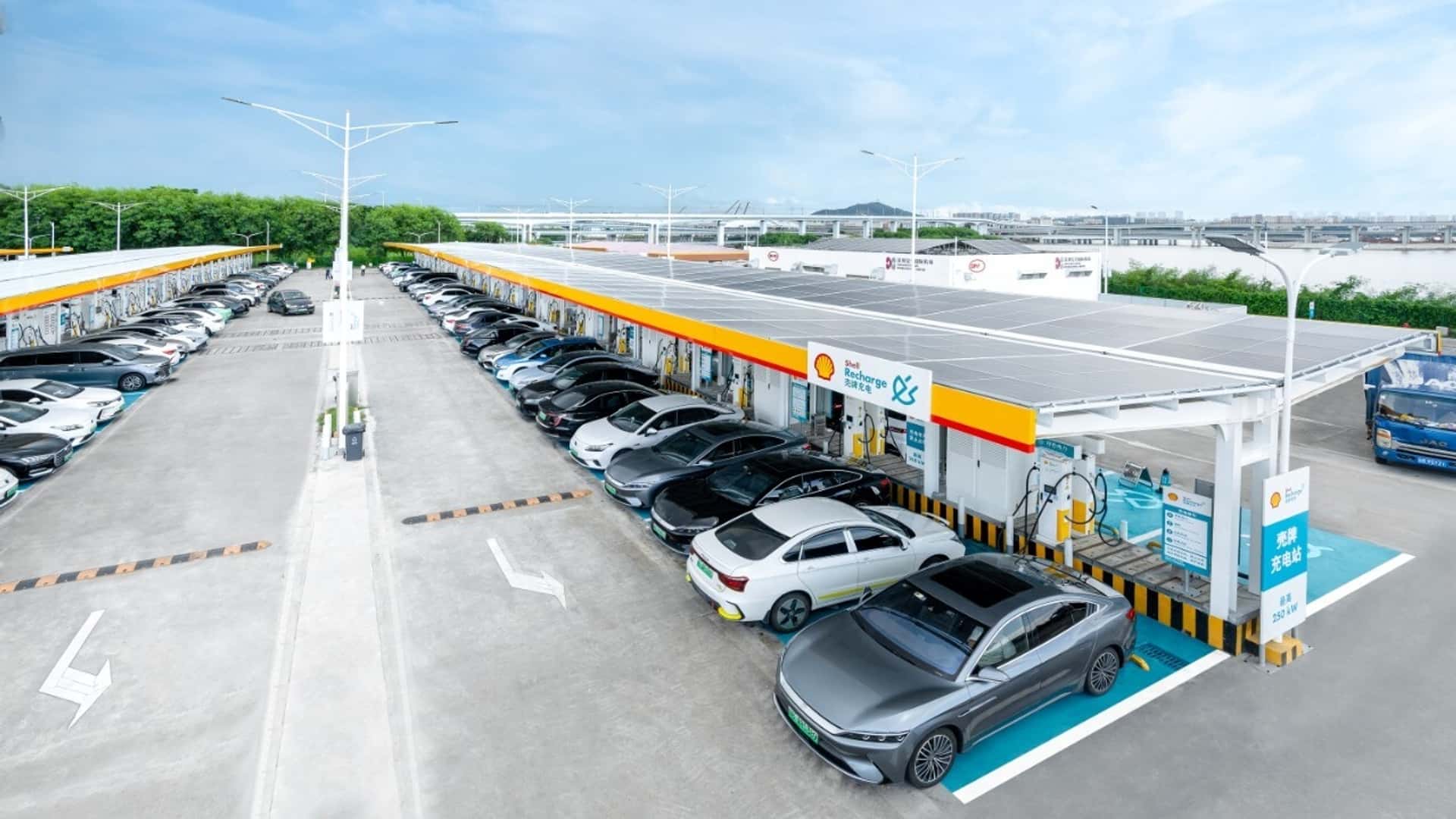
Nuclear and Diversified Energy Options
Alongside renewable’s, China continues to invest in advanced nuclear technologies. New reactor designs and safety upgrades provide base-load stability and complement variable renewable generation.
This diversified approach strengthens China power energy resilience by avoiding over-reliance on a single technology pathway.
Policy Stability Anchors Investor Confidence
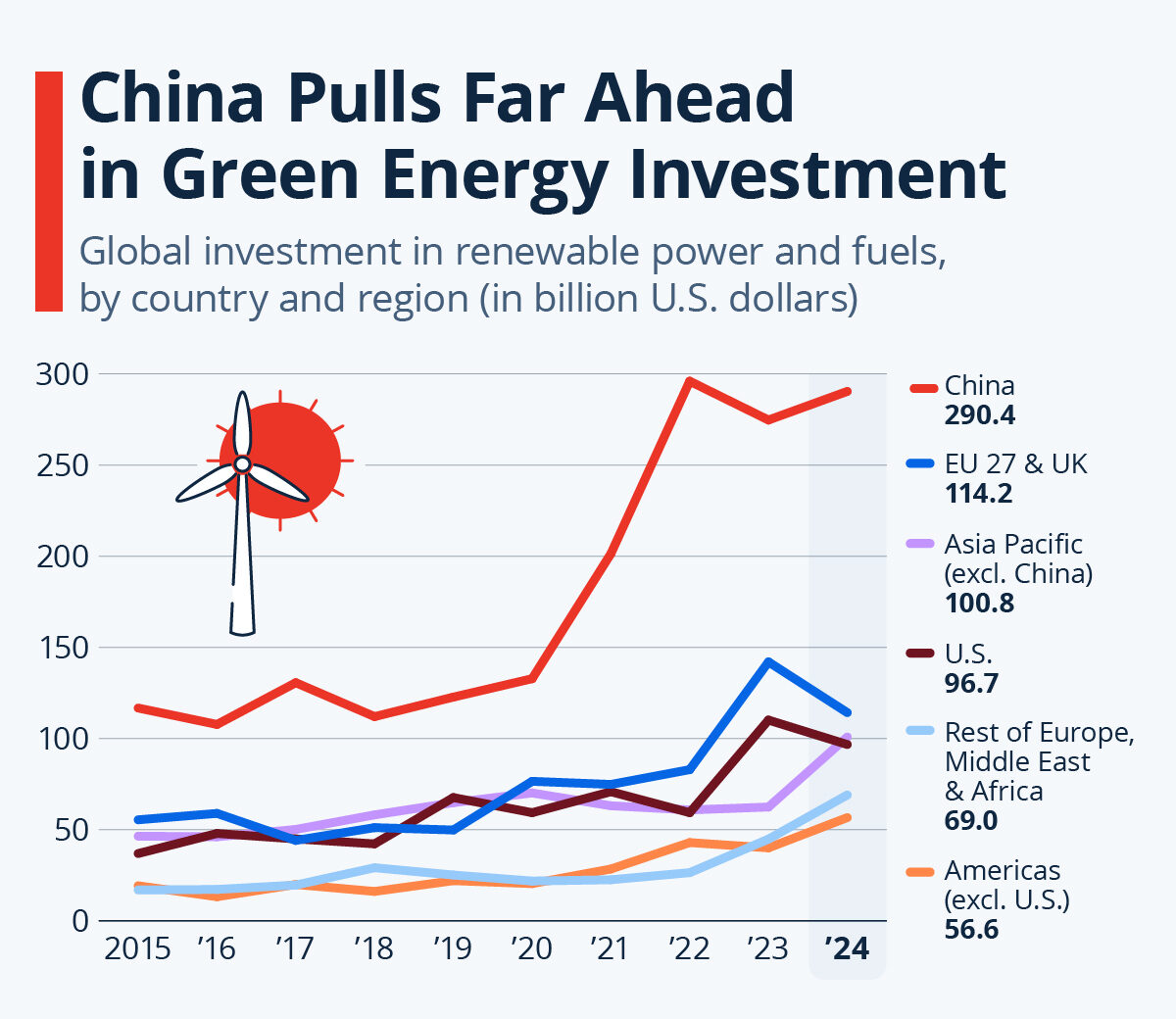
Clear long-term targets and consistent policy signals remain a defining strength of China’s energy approach. In 2026, aligned national and provincial planning has sustained strong investment momentum.
For China power energy, policy stability has reduced uncertainty and attracted capital despite ongoing global economic volatility.
Financing the Energy Transformation
Green bonds, policy bank lending, and public-private partnerships play an expanding role in financing energy infrastructure. These instruments align financial incentives with long-term environmental objectives.
This financing architecture ensures China power energy development remains resilient rather than cyclical.
Global Markets Adjust to Beijing’s Signals
International energy markets are increasingly sensitive to policy direction from Beijing. Changes in fuel demand, technology exports, and supply chains linked to China power energy decisions are influencing global prices.
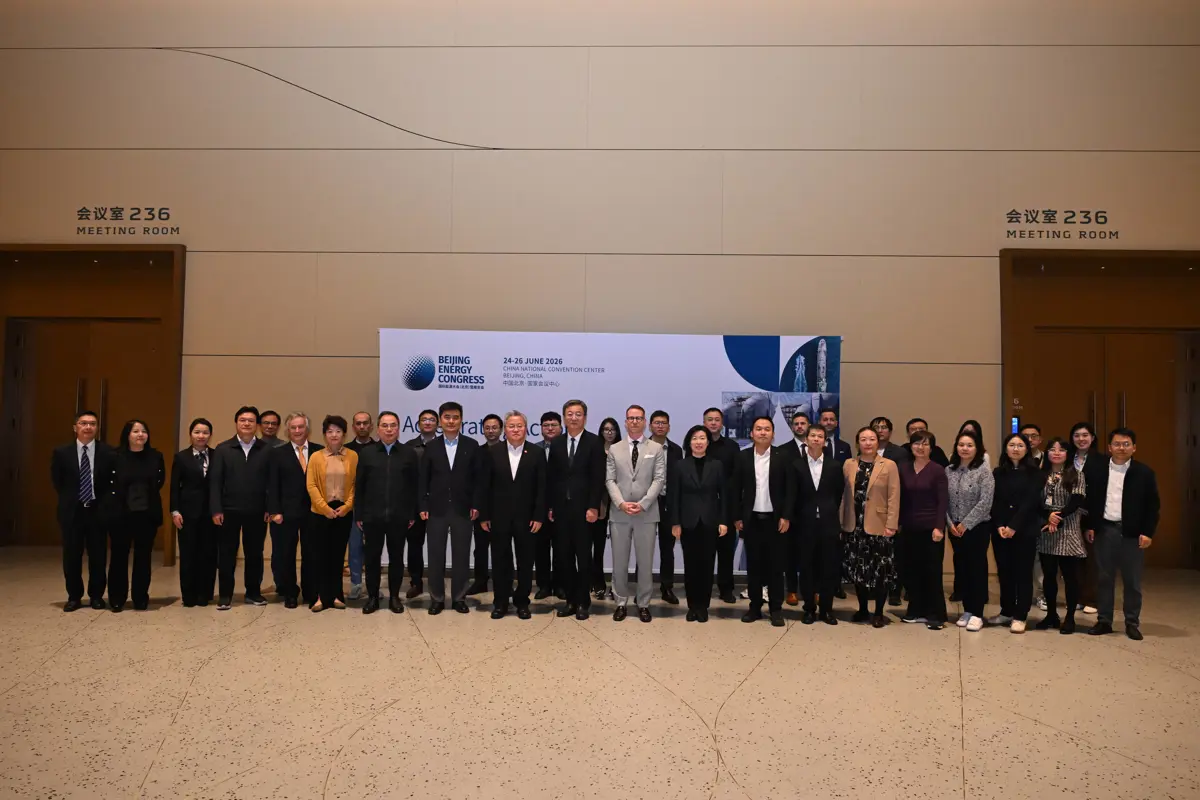
European policymakers monitoring developments from Brussels see China’s pace as a benchmark for what large economies can realistically achieve within a single decade.
One senior European energy strategist said,
“China’s alignment of industrial policy with clean power deployment is now setting the tempo for global energy transitions.”
Strategic Implications for Europe
For Europe, understanding developments in China power energy has become strategically essential. Technology costs, access to critical materials, and supply chain resilience are increasingly shaped by China’s production scale.
Energy diplomacy between China and the European Union continues to evolve as both pursue ambitious climate objectives.
Influence Across Emerging Economies
China’s experience is closely observed by emerging economies seeking scalable energy solutions. Infrastructure finance, technical expertise, and technology exports extend China’s influence across Asia, Africa, and Latin America.
This outward reach amplifies the global relevance of China power energy choices made in Beijing.
Managing Regional and Social Challenges
Despite rapid progress, challenges remain. Regional disparities, grid congestion, and workforce transitions from legacy energy sectors require careful management.
Authorities are addressing these issues through targeted investment, retraining programs, and adaptive planning embedded within China power energy governance.
Workforce Transition and Social Stability
Energy transformation affects millions of workers tied to conventional power sectors. Retraining initiatives and regional development programs aim to ensure social stability during the transition.
These efforts reflect recognition that China power energy reform is as much a social process as a technical one.
Environmental and Public Health Gains
Reduced reliance on coal has delivered visible improvements in air quality across major urban areas. Lower particulate emissions contribute to public health benefits that reinforce domestic support for clean energy policies.
These gains add a human dimension to China power energy transformation beyond climate metrics.
A Defining Year for System Optimization
By 2026, the focus of energy planning has shifted from rapid expansion to optimization. Efficiency, resilience, and integration now dominate policy discussions.
This evolution signals maturity within China power energy strategy rather than a slowdown in ambition.
Long-Term Outlook Beyond 2026
Looking ahead, momentum suggests continued acceleration through the late 2020s. Institutional capacity, industrial depth, and financial alignment provide a strong foundation for further transformation.
Observers note that the pace of China power energy change continues to challenge long-held assumptions about how quickly large economies can restructure core systems.
China at the Center of Global Energy Change
As 2026 unfolds, decisions taken in Beijing are reshaping global expectations around energy security, technology adoption, and climate action. The scale and coordination of China’s approach place it at the center of the evolving global energy order.
For governments, investors, and policymakers worldwide, the trajectory of China power energy offers both lessons and competitive pressure in an era defined by rapid systemic change.