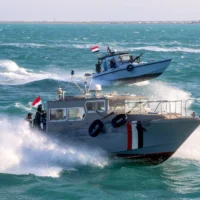
brussel morning coverage highlights that China blockading Taiwan has shifted from theoretical debate to visible military practice as Beijing conducts expansive drills involving artillery units and naval warships. These exercises, unfolding across the Taiwan Strait and surrounding waters, are widely interpreted as rehearsals for a potential blockade rather than a full scale invasion. The imagery of coordinated sea and land forces has intensified global concern about stability in East Asia and the risks such actions pose to trade, diplomacy, and regional peace.
The Taiwan Strait is one of the most sensitive flashpoints in global geopolitics. When China blockading Taiwan becomes the focal point of military signaling, the implications extend well beyond the region, touching global supply chains, financial markets, and international security frameworks.
What the Latest Drills Reveal
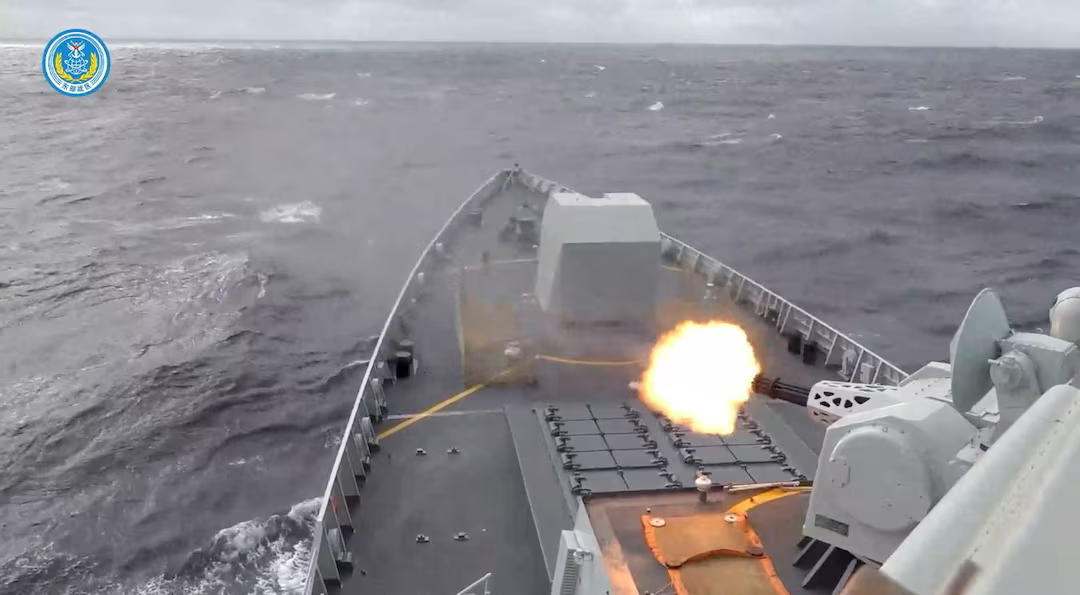
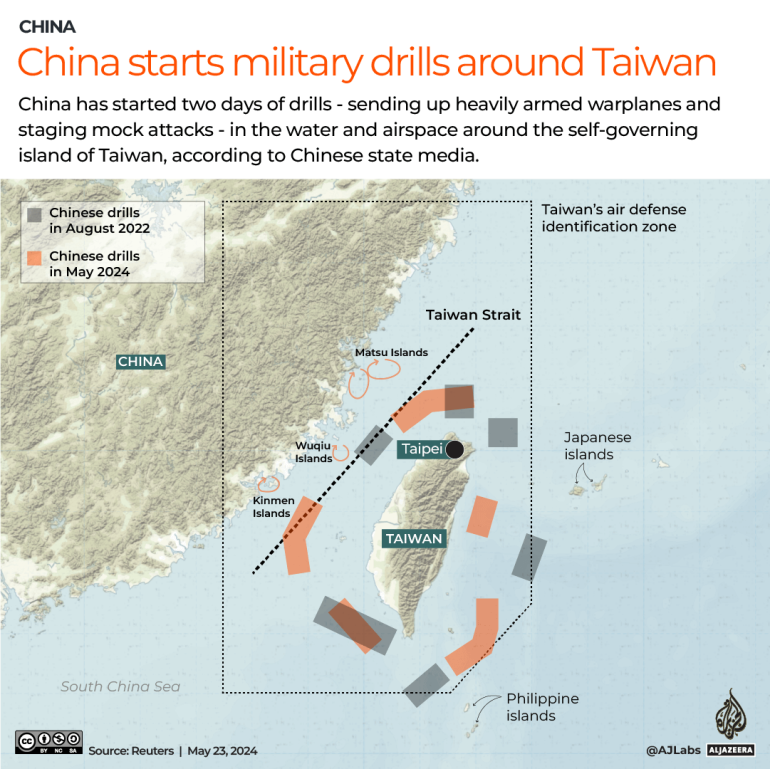
Recent exercises linked to China blockading Taiwan feature synchronized operations by naval fleets, coastal artillery, and air support units. Military analysts note that these drills emphasize control of maritime access points rather than amphibious landings, reinforcing the interpretation that blockade scenarios are central to the training.
Warships have practiced forming exclusion zones, while artillery units rehearse targeting sea lanes and strategic chokepoints. The scale and coordination of these drills suggest a deliberate effort to demonstrate capability and readiness, sending a clear signal to Taiwan and the international community.
Why Blockade Scenarios Matter
The concept of China blockading Taiwan matters because it represents a form of pressure that stops short of outright war while still exerting immense leverage. A blockade could restrict energy supplies, food imports, and commercial goods without immediate ground combat.
Such a strategy complicates responses from other nations. While an invasion would likely trigger immediate international reaction, a blockade exists in a gray zone that tests diplomatic resolve and legal frameworks. This ambiguity is part of why China blockading Taiwan has become a central concern.
Strategic Importance of the Taiwan Strait
The Taiwan Strait is a vital artery for global shipping. Nearly half of the world’s container ships pass through surrounding waters annually. Any action resembling China blockading Taiwan would disrupt shipping schedules, raise insurance premiums, and potentially reroute vessels at significant cost.
Beyond trade, the strait holds military significance. Control over these waters affects access to the broader Pacific and influences the balance of power across East Asia. This dual economic and strategic importance magnifies the impact of any blockade related activity.
Naval Forces and Maritime Control
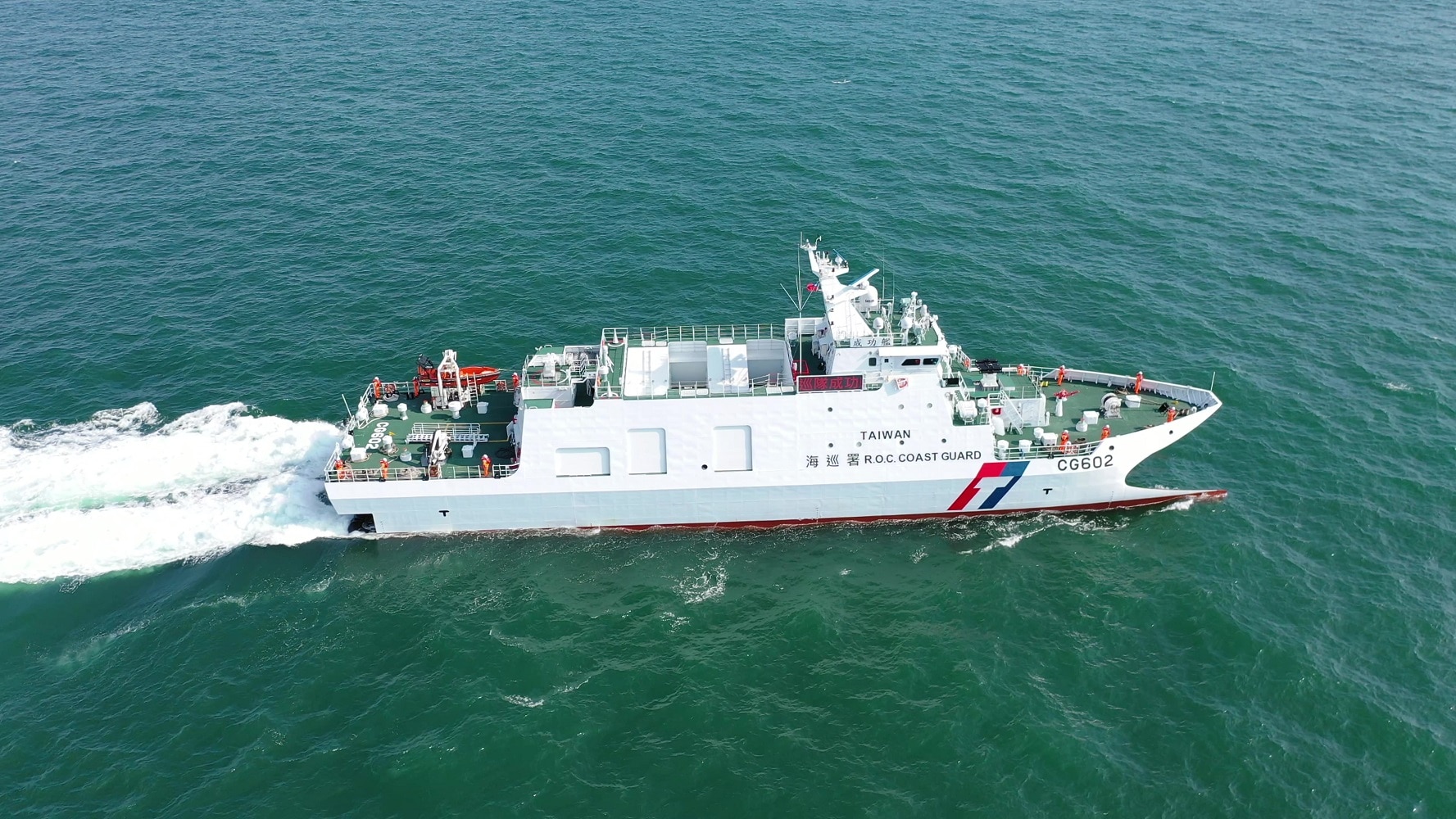
Naval power lies at the heart of China blockading Taiwan scenarios. Modern destroyers, frigates, and support vessels are designed to operate in layered formations, enforcing maritime control while deterring external intervention.
During recent drills, fleets practiced rapid deployment and sustained presence, suggesting an emphasis on endurance rather than short demonstrations. This focus aligns with blockade concepts that require prolonged operations to be effective.
Artillery and Missile Integration
Artillery units and missile forces play a crucial supporting role in China blockading Taiwan. Coastal batteries extend coverage across the strait, creating overlapping zones that complicate access for foreign vessels.
These systems are designed to integrate with naval operations, forming a comprehensive denial strategy. Observers note that this integration reflects years of doctrinal development focused on limiting adversary movement rather than seizing territory outright.
Taiwan’s Defensive Posture
Taiwan has responded to drills associated with China blockading Taiwan by heightening surveillance and readiness. Naval patrols and air monitoring have increased, while officials emphasize calm vigilance to avoid escalation.
Taipei’s strategy focuses on resilience and international awareness. By highlighting the risks of blockade scenarios, Taiwan seeks to underscore that stability in the strait is a shared global interest, not solely a bilateral issue.
Regional Security Implications
The prospect of China blockading Taiwan reverberates across the Asia Pacific. Neighboring countries worry about spillover effects, including disrupted trade routes and heightened military activity near their coastlines.
Regional security forums frequently stress the importance of freedom of navigation. Each new drill linked to blockade scenarios reinforces concerns that established norms could be challenged, prompting nations to reassess defense and diplomatic strategies.
Global Economic Consequences
Few regions illustrate the intersection of security and economics as clearly as the Taiwan Strait. China blockading Taiwan would likely cause immediate shocks to global markets, particularly in technology sectors reliant on Taiwanese manufacturing.
Supply chain disruptions could ripple through industries from consumer electronics to automotive manufacturing. Even the perception of increased risk can influence investment decisions and market volatility.
International Responses and Diplomacy
Governments worldwide have closely watched developments related to China blockading Taiwan. Statements often emphasize restraint, dialogue, and adherence to international law, while military postures quietly adjust in response to perceived risks.
Diplomatic efforts aim to prevent miscalculation. However, repeated drills challenge these efforts by normalizing military pressure, making it harder to deescalate tensions through dialogue alone.
Legal Questions Around Blockades
Blockade scenarios raise complex legal issues under international law. While states can conduct military exercises in international waters, enforcing a blockade touches on principles of freedom of navigation.
In discussions of China blockading Taiwan, legal experts debate thresholds that would constitute an act of war. This uncertainty adds another layer of risk, as misinterpretation could escalate disputes rapidly.
Technology and Surveillance
Advanced surveillance technologies underpin modern China blockading Taiwan strategies. Satellites, drones, and maritime tracking systems provide real time awareness of movements across air and sea.
These tools enhance control but reduce ambiguity, increasing the chance that incidents are detected instantly. While this can deter covert actions, it also shortens decision timelines during crises.
Military Signaling and Deterrence
From Beijing’s perspective, exercises linked to China blockading Taiwan function as deterrent signals. By showcasing capability without initiating conflict, China aims to discourage steps toward formal independence.
However, signaling is a delicate art. The more frequent and intense the drills become, the greater the risk that signals are misread or provoke countermeasures, undermining stability.
Historical Evolution of Blockade Concepts
The idea of China blockading Taiwan has evolved over decades. Earlier discussions centered on naval dominance, but modern approaches integrate air, missile, and cyber elements.
This evolution reflects broader changes in warfare, where control of information and access can be as decisive as territorial conquest. The current drills demonstrate how these concepts are being operationalized.
Media Coverage and Public Perception
How China blockading Taiwan is portrayed in media influences public understanding and policy debates. Images of warships and artillery convey urgency, shaping perceptions of threat.
Balanced reporting is essential to avoid unnecessary panic while accurately conveying risks. Clear communication helps policymakers and the public assess developments realistically.
Possible Future Scenarios
Looking ahead, scenarios involving China blockading Taiwan could range from symbolic demonstrations to sustained pressure campaigns. Much depends on political calculations in Beijing and responses from Taiwan and its partners.
Diplomatic breakthroughs could reduce tensions, while continued military signaling might normalize high risk behavior. The path chosen will shape regional stability for years to come.
The growing emphasis on China blockading Taiwan in military exercises underscores a strategic shift with global implications. Artillery deployments and naval maneuvers demonstrate capability and intent, raising concerns about escalation without open conflict.
For the international community, the challenge lies in preserving stability in the Taiwan Strait while addressing legitimate security concerns. As drills continue, diplomacy, transparency, and restraint will be critical to preventing a crisis that could reshape global security and economic systems.