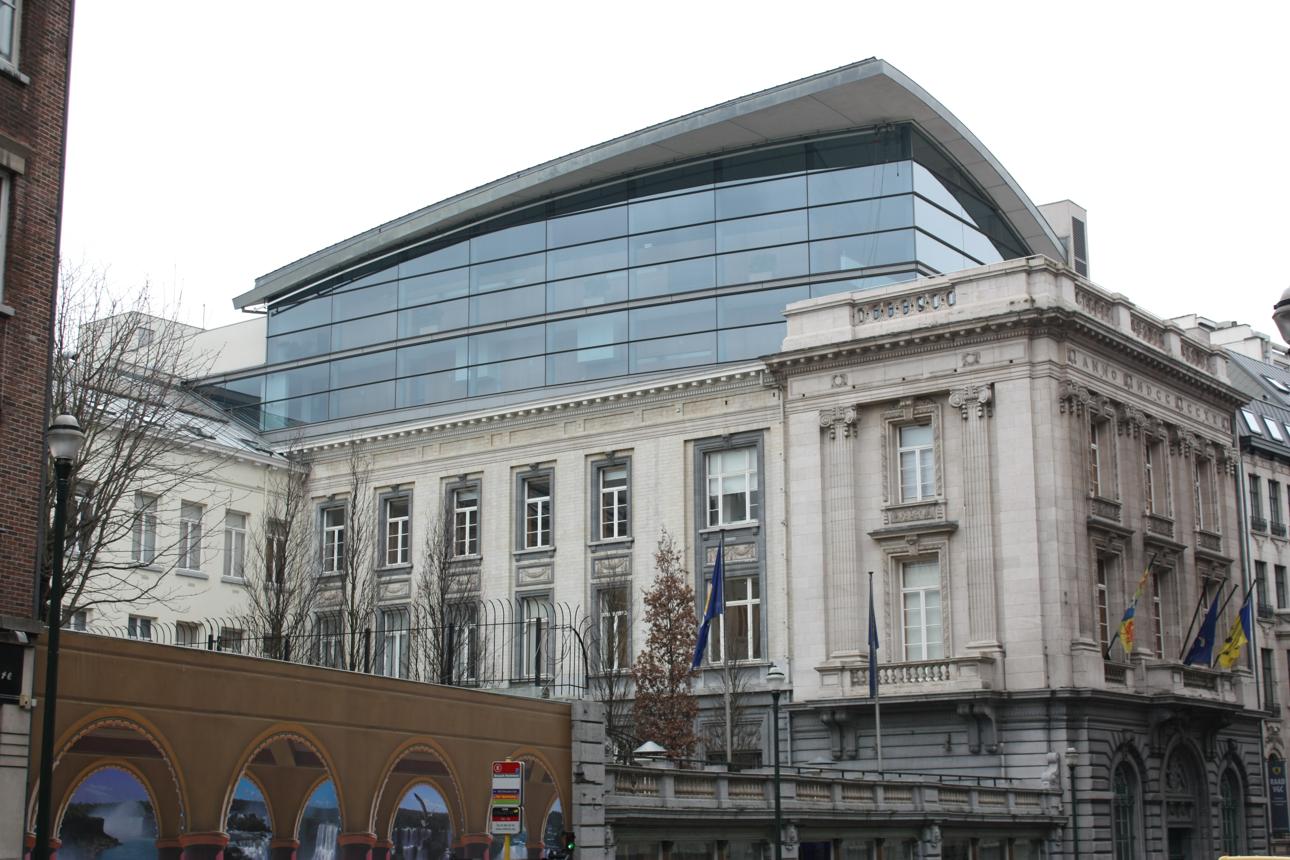
Brussels, 17 October, (Brussels Morning Newspaper) – The Brussels Parliament has approved a freeze on inflation-linked increases to supplementary allowances for members holding special parliamentary responsibilities, as the regional legislature seeks to reduce its operating expenditure. The Brussels Parliament pay decision, approved unanimously on Friday, 16 October, affects additional payments associated with parliamentary positions, including committee chairmanships.
The move forms part of a wider parliamentary cost-reduction programme aimed at lowering institutional expenditure by 10% before the end of the current legislative term.
The decision concerns specific additional allowances and associated expense payments rather than a general suspension of salaries for all elected representatives.
Brussels Parliament Freezes Special Allowance Increases
Under the revised arrangements, supplementary allowances for certain parliamentary responsibilities will no longer increase automatically in line with inflation during the remainder of the legislature.
Committee chairs are among those affected by the measure.
Belgium’s indexation system ordinarily adjusts certain salaries, allowances and benefits in response to changes in consumer prices. The parliamentary decision limits that mechanism for the specified additional payments.
The freeze does not abolish the allowances themselves. Instead, it prevents further inflation-linked increases during the period covered by the decision.
The precise financial savings expected from this individual measure have not been publicly established.
Parliamentary Officials Support Spending Controls
According to Belgian broadcaster BRUZZ, the decision was adopted unanimously as part of efforts to reduce the parliament’s expenditure.
Aurélie Czekalski, a member of the French-speaking liberal party Mouvement Réformateur (MR), linked the decision to similar measures adopted by other Belgian parliamentary institutions.
Her reported comments emphasised the importance of elected representatives examining their own institutional expenditure while public finances remain under pressure.
The decision establishes a specific restriction on supplementary remuneration without changing the parliamentary duties attached to the affected positions.
Belgium’s Wider Debate Over Wage Indexation
Belgium has an established system of automatic wage indexation intended to protect purchasing power when consumer prices rise.
The Brussels Parliament’s decision comes amid wider discussions about public spending, salary adjustments and government budget management.
However, the parliamentary allowance freeze must be distinguished from national employment policies.
The measure concerns supplementary parliamentary payments and does not independently alter the indexation rights of private-sector employees or ordinary public-sector workers.
Its immediate significance is therefore institutional, rather than a direct change to the broader Belgian labour market.
Why the Brussels Parliament Pay Freeze Matters
The decision contributes to the regional parliament’s wider objective of reducing overall expenditure by 10%.
By limiting automatic increases in additional allowances, lawmakers are seeking to control a defined category of parliamentary spending.
For Brussels residents and taxpayers, the measure represents one element of the legislature’s financial management programme.
Its eventual budgetary impact will depend on the value of the affected payments, future inflation adjustments and the implementation of other expenditure-reduction measures.
The freeze also places parliamentary remuneration within the wider public discussion about government operating costs.
What Happens Next for Brussels Parliamentary Spending?
The restriction is intended to remain in effect until the end of the current legislative term.
The parliament’s Bureau will continue working towards the broader expenditure-reduction objective.
Additional financial decisions may be required to achieve the overall savings target, although the allowance freeze alone does not establish how the remaining reductions will be delivered.
The latest decision marks a defined change to supplementary parliamentary remuneration while Brussels lawmakers continue examining institutional spending.