Brussels, Belgium, 19 September, (Brussels Morning Newspaper) – Belgium has extended the Brussels military deployment for another six months, maintaining soldiers alongside police as federal authorities respond to serious violence linked to organised crime and drug trafficking in the capital.
The Belgian Council of Ministers approved the renewed arrangement on Friday, 18 September, following a joint proposal from Security and Interior Minister Bernard Quintin and Defence Minister Theo Francken.
The Belgian government said the security situation in the Brussels-Capital Region remains serious enough to require temporary military assistance for selected police operations.
Brussels military deployment extended for six months
The renewed protocol will take effect on 21 September and remain in force for six months. It can be terminated with three months’ notice.
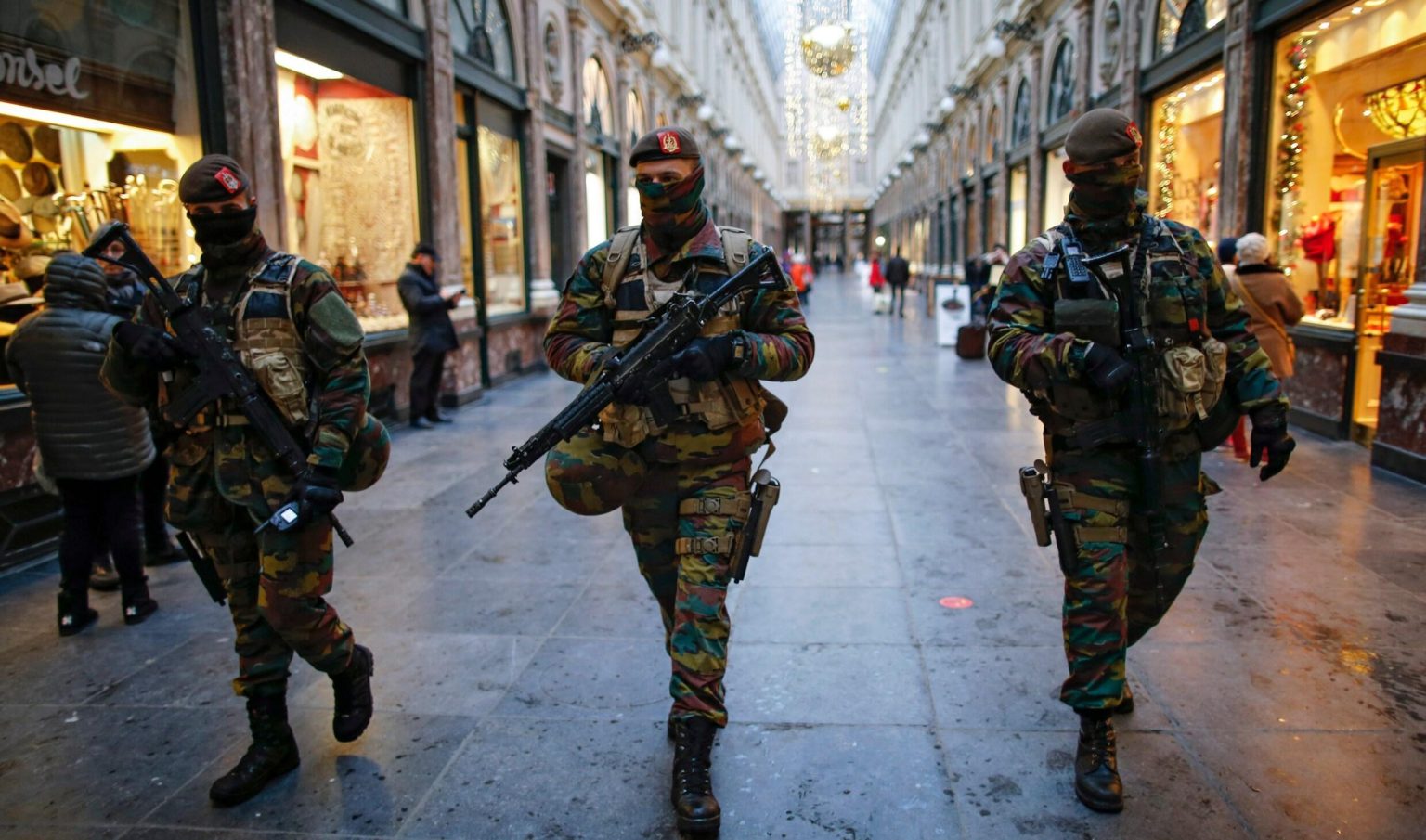
Belgian Defence will continue providing one platoon to support mixed patrols involving railway police. Soldiers will reinforce police teams rather than operate as an independent law-enforcement force.
A military commanding officer will also be included in the local police command post.
The federal government said Brussels continues to experience serious violence involving organised criminal groups connected with drug trafficking, including incidents involving firearms.
Under the extended arrangement, military personnel can also provide perimeter security during Full Integrated Police Actions, known as FIPA operations.
Francken backs continued military support
Defence Minister Theo Francken had confirmed ahead of the Council of Ministers meeting that the government was considering extending Operation Urban Shield.
Speaking before the Chamber of Representatives’ Defence Committee, Francken said the operation was “necessary because of the persistent security problems in Brussels and the shortage of personnel in the federal police.”
His comments highlighted one of the central reasons for continuing military involvement: providing additional personnel while allowing police officers to concentrate on law-enforcement duties.
The Belgian armed forces remain in a supporting role. Responsibility for policing and operational direction stays with civilian police authorities.
Operation Urban Shield began in April 2026
Operation Urban Shield was launched on 3 April 2026 at the request of Belgium’s federal government.
Around 30 Belgian Army personnel were initially assigned to support Federal Police operations for six months, particularly around Brussels railway stations, metro stations and associated transport infrastructure.
Belgian Defence explained the purpose of the operation when it was introduced, stating: “The objective of Operation Urban Shield is clear: to increase general security and relieve the Federal Police, freeing up resources for other tasks.”
The operation subsequently expanded beyond routine transport patrols.
Around 70 soldiers participated in a major FIPA operation at several locations across Brussels in late August, demonstrating how military personnel can also support larger integrated policing operations.
Belgium has previously deployed troops domestically
Belgium has previously used military personnel to strengthen domestic security during periods of heightened threat.
Operation Vigilant Guardian began in January 2015 following terrorist attacks and increased security concerns in Belgium and neighbouring France.
Belgian troops were deployed to protect sensitive locations while working in support of the Federal Police. The operation continued until August 2021.
The circumstances surrounding Operation Urban Shield are different. The Belgian government’s latest decision specifically identifies organised crime, drug trafficking and firearms violence as factors contributing to the security challenges facing Brussels.
Belgium has also been strengthening broader cooperation between civilian and military authorities.
In June 2026, Defence and the National Crisis Centre presented the national SHIELD defence plan, designed to improve civil-military coordination during major crises and strengthen national resilience.
Why the extended operation matters for Brussels
The Brussels military deployment provides Federal Police with additional personnel for selected security duties while authorities confront organised criminal networks and violent incidents in the capital.
For residents, commuters and visitors, the most visible aspect of the operation is likely to remain military personnel accompanying police around railway stations, metro infrastructure and other designated locations.
For law enforcement, military support can provide additional security around operations while allowing police resources to be assigned to investigations, arrests and other duties.
Belgian Defence has said soldiers can also temporarily provide protection and security following an incident until sufficient police resources become available.
The arrangement nevertheless maintains a distinction between military support and civilian policing. Soldiers participating in the operation work under police direction and responsibility.
Organised crime remains a concern in Brussels
The extension comes as Belgian authorities continue confronting drug trafficking and associated violence.
The federal government’s announcement specifically referred to frequent serious acts of violence connected with organised criminal groups involved in drug trafficking and the use of firearms.
The issue has placed additional pressure on police resources and intensified debate over how Belgium should respond to organised crime in its capital.
Maintaining military assistance gives authorities additional capacity without formally transferring conventional police responsibilities to the armed forces.
What happens next?
The renewed operation takes effect on 21 September and is authorised for another six months.
During that period, a military platoon is expected to remain available to support mixed patrols with railway police.
Military personnel can also continue providing perimeter security during designated FIPA operations when requested.
The protocol includes a three-month termination provision, meaning the arrangement can be ended before the full six-month period expires if authorities determine that military assistance is no longer required.
For now, Belgium’s decision means soldiers will remain a visible part of selected security operations in Brussels as federal authorities continue their response to organised crime, drug trafficking and firearms violence.