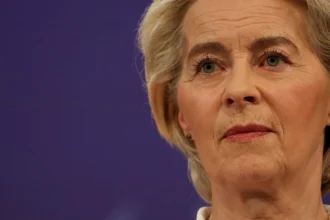
Brussels (Brussels Morning Newspaper) January 12, 2026 – EU member states approved the signing of the EU-Mercosur trade agreement on January 9, enabling European Commission President Ursula von der Leyen to sign it on January 17 in Paraguay. The pact, negotiated over 25 years, removes over 90% of tariffs on goods between the EU’s 450 million consumers and Mercosur’s 300 million in Argentina, Brazil, Paraguay, and Uruguay. Approval came via qualified majority despite opposition from France, Poland, Austria, Hungary, and Ireland, with Belgium abstaining.
The agreement provides duty-free access for EU exports like cars, machinery, pharmaceuticals, dairy, wine, and fruit, projecting €4 billion annual savings in tariffs and €12 billion revenue gains for EU agri-food sectors in 5 years. Signing follows a political deal in December 2024 and technical finalisation in 2025, creating one of the world’s largest free trade areas covering nearly a quarter of global GDP.
Approval Process and Member State Positions
EU ambassadors confirmed support on January 9, meeting the threshold of 15 countries representing 65% of the EU population. Italy lifted its veto after agricultural safeguards, while France vowed to fight ratification.
Think tank analysts highlighted the deal’s strategic importance. European Policy Centre @epc_eu said in X post,
“The #EU-#Mercosur deal is finally done! A #geopolitical win for Europe at a moment of rising #Tariffs. As @epc_eu analysts note, its real value isn’t economic but strategic proof that rules‑based trade can succeed.”
The #EU–#Mercosur deal is finally done! A #geopolitical win for Europe at a moment of rising #Tariffs. As @epc_eu analysts note, its real value isn’t economic but strategic proof that rules‑based trade can succeed. Read more here https://t.co/evKLIXSlQF pic.twitter.com/vd9oSzZXw8
— European Policy Centre (@epc_eu) January 12, 2026
Latvia’s Foreign Minister Baiba Braže described it as a historic step, boosting exports and jobs. Germany’s Finance Minister Lars Klingbeil welcomed diversified partnerships amid global trade tensions.
Negotiation History from 2000 Onward
Talks launched in 2000, stalled repeatedly over agriculture and environment, reaching political agreement in 2019. Technical negotiations from 2020 addressed tariffs, services, investment, and sustainability, concluding in 2024.
Last-minute 2025 safeguards protected EU farmers on beef, poultry, sugar, and ethanol via quotas and rebalancing mechanisms. The European Commission proposed Council decisions for signature in September 2025.
Argentina’s Foreign Minister Pablo Quirno confirmed the January 17 ceremony, with Presidents Javier Milei and Luis Caputo calling it transformative.
Key Trade Provisions and Market Openings
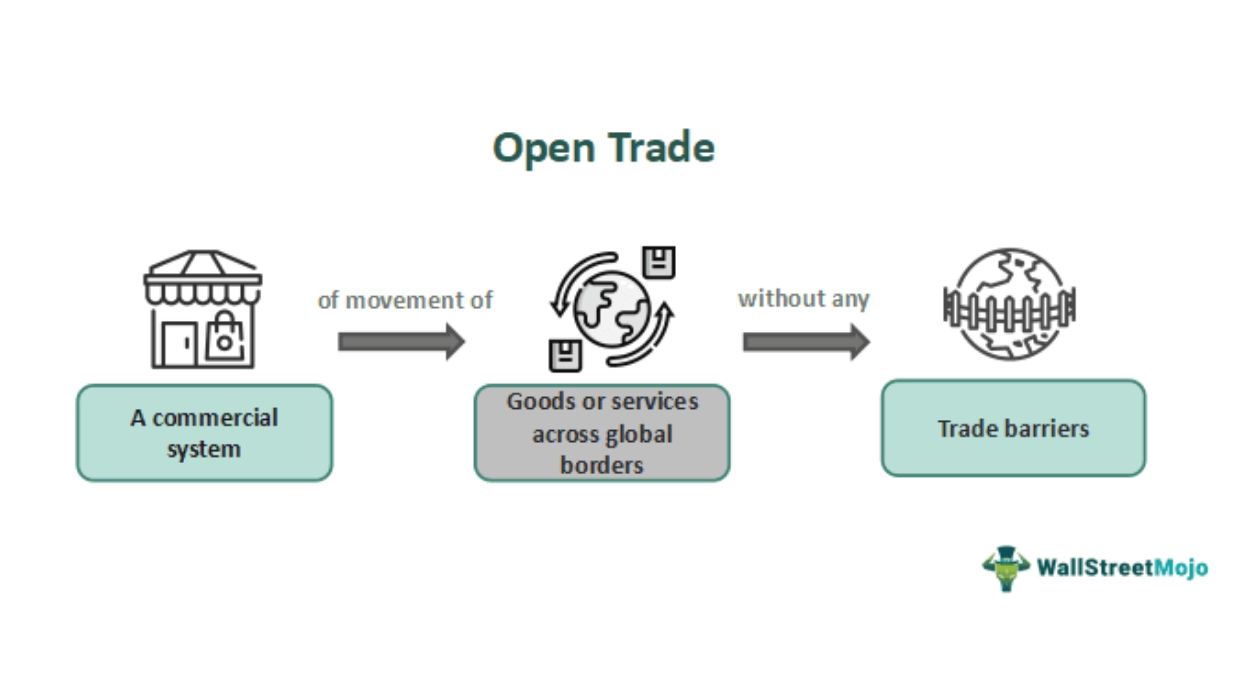
The deal eliminates 91% of EU tariffs on Mercosur goods over 15 years and 92% vice versa, focusing on industrial products, vehicles (from 35% tariffs), and agri-food. EU secures immediate quotas for cheese, ham, and wine; Mercosur gains phased access for beef and sugar.
Services chapters liberalise finance, telecoms, e-commerce, and procurement, with modern Investor-State Dispute Settlement. Sustainability commitments include deforestation bans post-2027, labour rights, and climate standards enforced by a joint committee.
Critical raw materials and green tech like solar panels and wind turbines receive preferential access.
| Category | EU Gains | Mercosur Gains |
| Industrial Goods | 90% tariff cut | Textiles, shoes quotas |
| Agri-food | Dairy/wine €12bn/5yrs | Beef/poultry phased |
| Services | Procurement access | Digital trade rules |
| Sustainability | Deforestation-free | Labour enforcement |
Economic Projections and Sectoral Impacts
Commission forecasts indicate 0.05% EU GDP boost by 2040, 0.3% annual growth, 250,000-440,000 jobs, and 39% export rise to Mercosur. Pre-deal 2024 trade hit €111 billion.
Renewables and pharma benefit from harmonised rules; autos from reduced duties. Sensitive EU poultry and sugar retain safeguards.
Business groups welcomed the market of 784 million consumers. AmCham EU @AmChamEU said in X post,
“EU Member States have approved the EU–Mercosur free trade agreement – a major victory after 25 years of negotiations. This deal opens doors to a market of 284 million consumers, strengthens supply chain resilience and secures access to critical raw materials for Europe’s industrial growth.
AmCham EU applauds the European Commission and Member States for making this happen. Learn why the European Parliament must act swiftly so businesses and citizens can reap the benefits”
EU Member States have approved the EU–Mercosur free trade agreement – a major victory after 25 years of negotiations. This deal opens doors to a market of 284 million consumers, strengthens supply chain resilience and secures access to critical raw materials for Europe’s… pic.twitter.com/DZFAsxmEeG
— AmCham EU (@AmChamEU) January 12, 2026
Ratification Path and Challenges Ahead
Post-signing, the European Parliament votes in March 2026, followed by national and Mercosur parliaments; full entry mid-2027. Provisional application for trade chapter possible post-Parliament consent.
France’s Annie Genevard pushes rejection; MEPs eye CJEU review of rebalancing clause. Farmer protests block French roads and ports ahead of signing. The EU Trade Helpdesk supports compliance; WTO compatibility ensured.
Domestic Protests and Broader Context
French farmers demonstrated against imports; similar actions hit Brussels in December 2025. Environmental groups cite deforestation risks despite safeguards. The deal diversifies EU trade from Asia amid US tariffs under President Trump. Resources outline protections for EU producers.