Christmas in the United Kingdom carries a unique character shaped by history culture and continuity. At the center of this seasonal atmosphere stands the monarchy whose customs remain closely watched and widely discussed. Over generations British royal traditions have helped define how the nation experiences Christmas blending private family moments with public symbolism.
For many citizens these traditions are more than ceremonial rituals. They represent reassurance during uncertain times and a reminder that some aspects of national life remain constant. Each year the Christmas season renews public interest in the monarchy’s role as a cultural anchor rather than a political force.
The Deep Historical Roots of Royal Customs
The foundations of royal ceremony in Britain extend back to medieval times when monarchs relied on ritual to establish authority legitimacy and moral standing. Over centuries these practices evolved into what we now recognize as British royal traditions, shaped by religion social order and national identity.
Christmas held particular importance even in early royal courts. It was a time of generosity reflection and unity themes that aligned naturally with monarchy. Seasonal observances reinforced the idea that leadership was tied not only to governance but also to shared values and moral responsibility.
Christmas as a Symbolic Royal Occasion
Among annual celebrations Christmas stands apart within royal life. It is a moment when the monarchy becomes most visible in a personal human way. Within British royal traditions Christmas emphasizes family continuity and faith rather than pageantry.
This focus allows the public to see the monarchy in a softer light. The absence of elaborate regalia and formal state settings shifts attention toward shared experience. The season encourages reflection on continuity rather than authority.
Sandringham and Its Unique Role
The Sandringham estate has become inseparable from modern British royal traditions during Christmas. Acquired in the nineteenth century it evolved into the private retreat where the royal household gathers each winter.
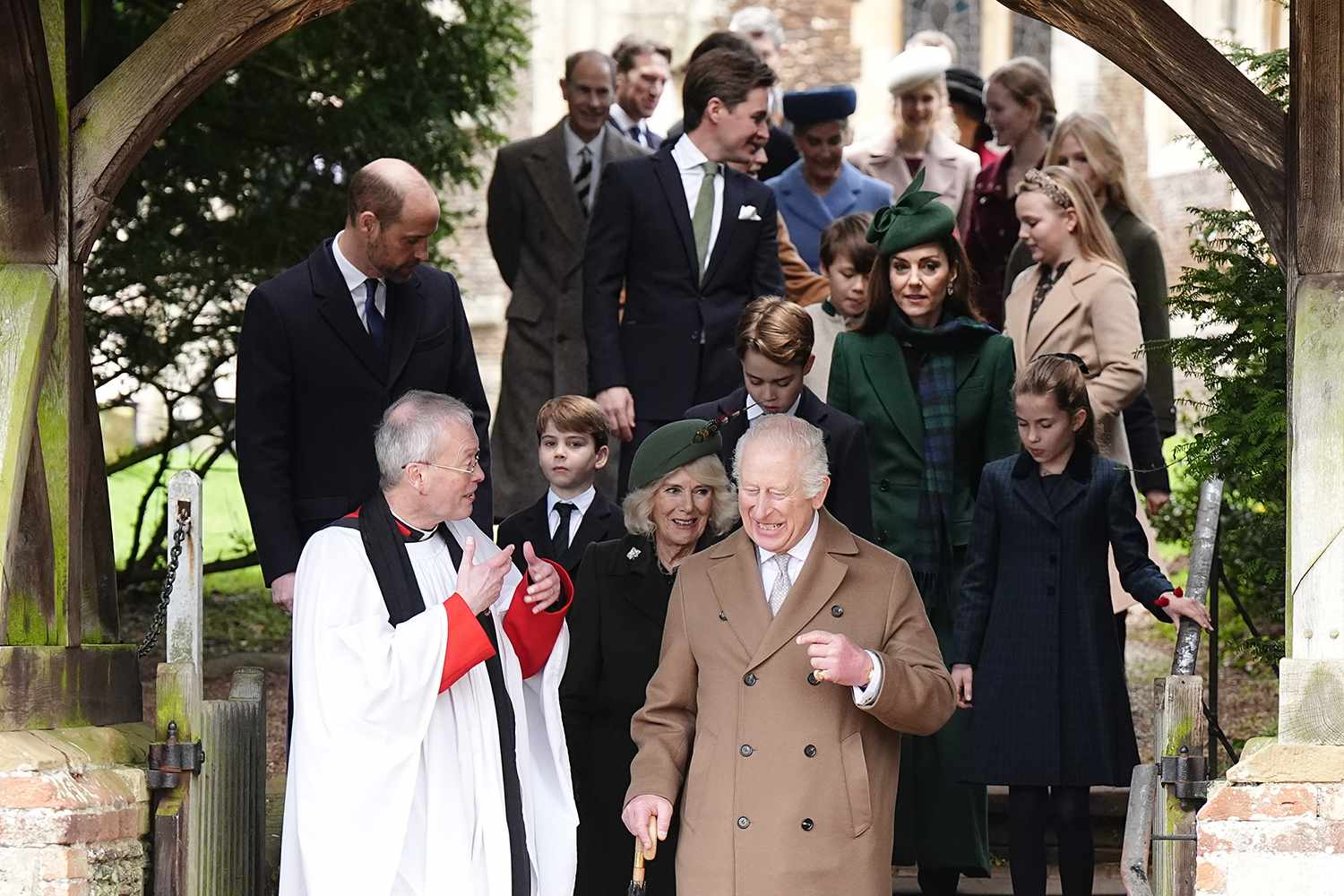
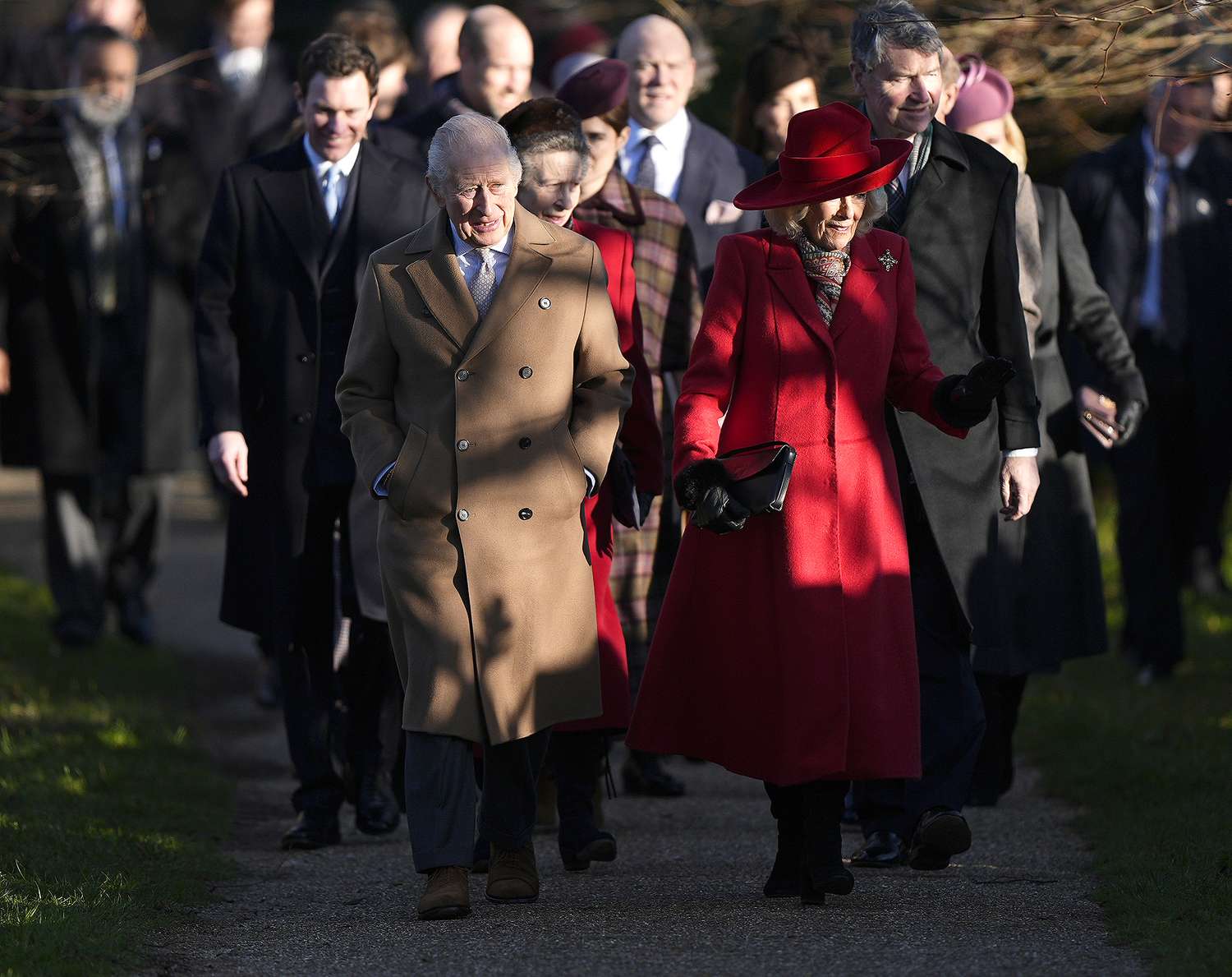
The walk to church from Sandringham is now one of the most familiar images of the season. It represents balance between privacy and duty. While the family gathers privately the public aspect of the tradition reinforces openness and connection.
Faith as a Central Element
Religion remains deeply woven into royal life particularly at Christmas. Church attendance is not merely personal but reflects constitutional responsibility. Within British royal traditions faith functions as a stabilizing moral framework.
In a society where religious practice has changed significantly this visible commitment still resonates. It signals continuity responsibility and reflection rather than doctrinal authority. The monarchy’s participation in worship reinforces its symbolic role as a unifying institution.
Public Walkabouts and Personal Connection
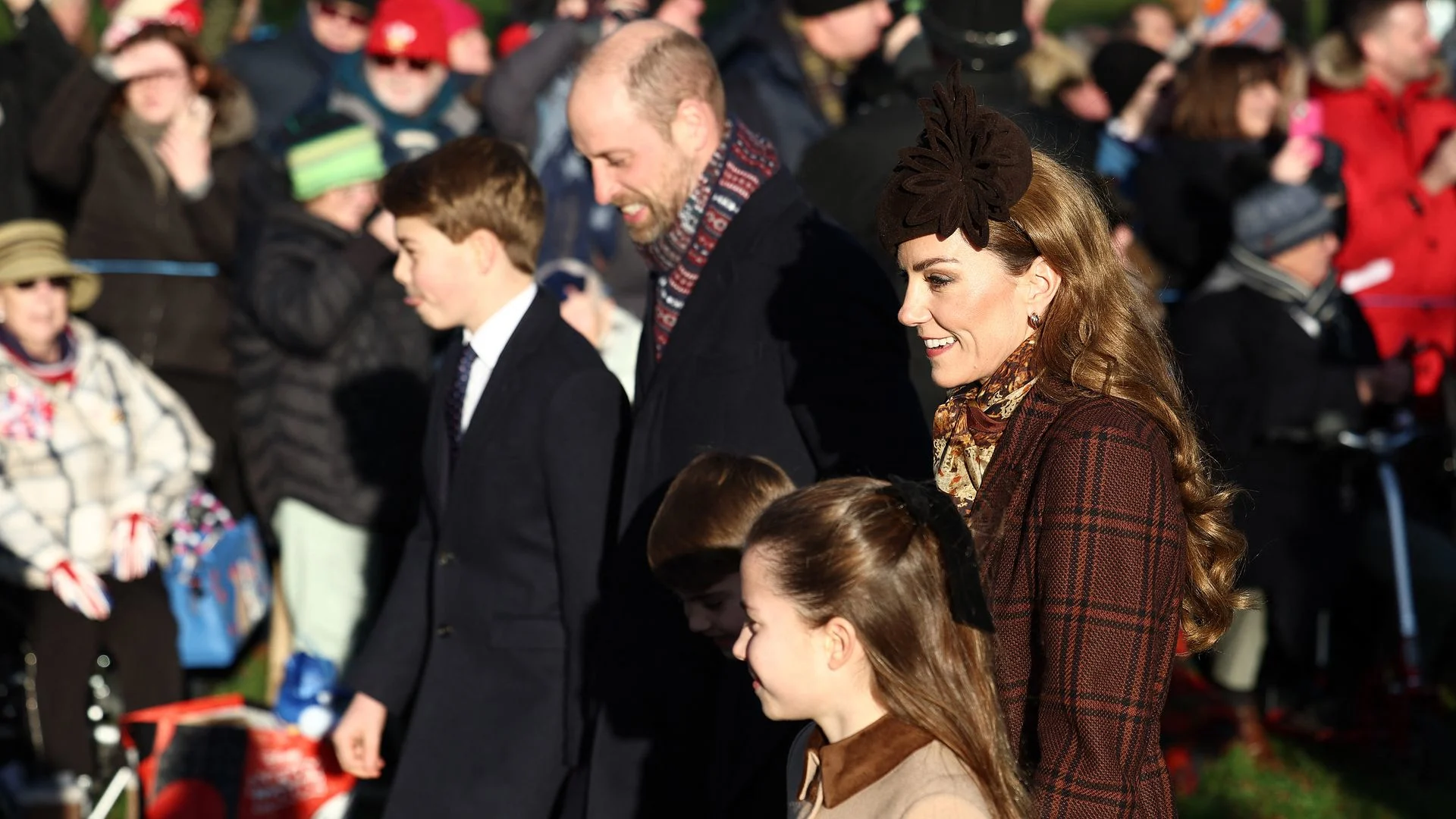
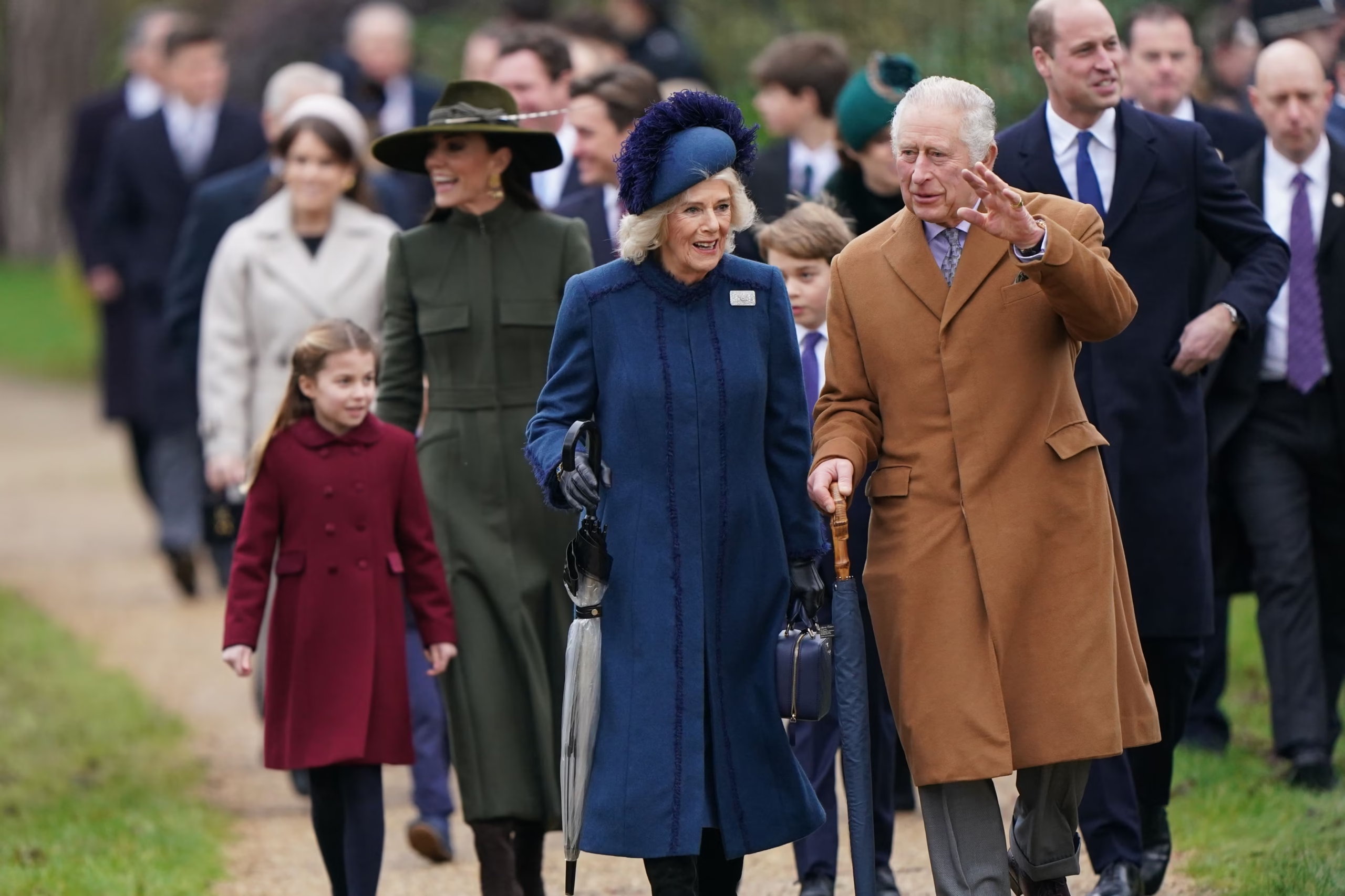
After the Christmas service the brief walkabout has become one of the most anticipated moments of the season. These interactions are a defining part of British royal traditions, offering rare direct contact between the monarchy and the public.
A handshake smile or brief conversation carries disproportionate significance. These moments humanize the monarchy and transform ceremony into connection. For many attendees the experience becomes a lasting memory shared across generations.
The Role of Media and Global Visibility
Modern broadcasting and digital platforms have expanded the reach of British royal traditions far beyond the United Kingdom. Christmas appearances are followed by audiences around the world shaping perceptions of British culture.
Images of winter coats festive crowds and historic settings convey stability continuity and heritage. This global visibility strengthens cultural influence and reinforces Britain’s identity through peaceful ceremonial expression rather than political messaging.
Adapting to Contemporary Expectations
While grounded in history British royal traditions have adapted carefully to modern values. Today’s audiences expect authenticity approachability and relevance. The monarchy has responded by maintaining tradition while softening formality.
Christmas provides an ideal opportunity for this balance. It allows rituals to be expressed through warmth family interaction and seasonal goodwill rather than strict protocol. This adaptation helps sustain public interest across generations.
Generational Continuity and Cultural Memory
Few institutions demonstrate continuity as clearly as the monarchy. British royal traditions are passed down creating shared cultural memory. Children who watch these rituals grow up recognizing them as part of national life.
This continuity fosters emotional connection. It ensures that tradition remains lived rather than symbolic. The repetition of familiar customs strengthens national identity through collective experience.
Economic and Cultural Influence
Beyond symbolism British royal traditions generate real economic impact. Seasonal ceremonies draw visitors support local businesses and sustain global media interest. Tourism publishing and broadcasting industries all benefit.
This influence highlights how heritage intersects with modern economies. Tradition becomes not only culturally valuable but economically relevant reinforcing its importance within contemporary society.
Public Trust and Seasonal Reassurance
Visibility plays a key role in maintaining public trust. Christmas appearances grounded in British royal traditions offer reassurance during times of uncertainty. They provide a sense of normalcy amid rapid change.
Supporters view these moments as affirmations of stability while critics often acknowledge their cultural value. Either way engagement remains strong reflecting the monarchy’s continued relevance.
Why These Traditions Continue to Matter
The endurance of British royal traditions lies in their simplicity. Walking to church greeting crowds and sharing seasonal goodwill require no elaborate spectacle yet carry profound meaning.
Consistency creates comfort. In a fast changing world predictable rituals offer grounding. These traditions succeed because they are familiar sincere and deeply human.
Challenges and Criticism
No tradition exists without scrutiny. British royal traditions face questions about relevance inclusivity and cost. Public debate continues over how these customs should evolve.
Yet the Christmas season often softens criticism. The focus shifts from politics to shared values. This momentary pause allows tradition to speak for itself through continuity rather than argument.
The Future of Royal Christmas Customs
As society evolves British royal traditions will continue adapting thoughtfully. Christmas rituals are likely to remain central because they reflect universal themes of family reflection and hope.
Future generations may reinterpret details but the core message of continuity will remain intact. This adaptability ensures longevity without sacrificing meaning.
Tradition in a Digital Age
The digital era has transformed how British royal traditions are experienced. Social media allows real time engagement while preserving ceremonial distance.
This combination expands reach without eroding symbolism. Tradition becomes accessible without becoming informal ensuring relevance in a connected world.
Christmas remains one of the most powerful showcases of British royal traditions in modern society. Through faith continuity and public engagement the monarchy reinforces its cultural role.
These customs endure not because they resist change but because they evolve carefully while honoring history. In doing so they continue to unite past present and future during a season defined by reflection and goodwill.