The 1950s represented a period of major transition in global cinema. Audiences were beginning to crave realism emotion and authenticity rather than rigid studio controlled perfection. In the middle of this shift emerged a young French actress whose presence altered the course of film history. The influence of Brigitte Bardot films during this era went far beyond entertainment. They reshaped storytelling challenged social expectations and redefined how women could exist on screen.
This transformation did not happen overnight. It unfolded through carefully chosen roles expressive performances and a natural charisma that cameras could not ignore. What Bardot offered was not manufactured glamour but a sense of emotional truth that felt revolutionary at the time.
Early Life and Artistic Foundation
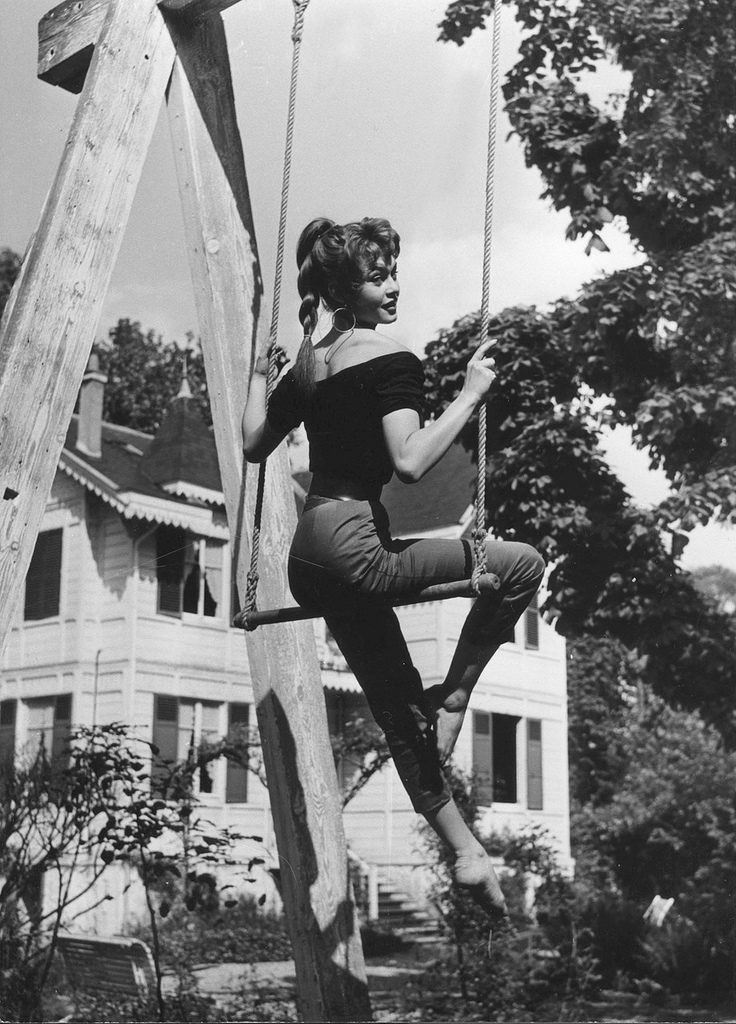
Born in Paris in 1934 Brigitte Bardot grew up in a conservative household where discipline and structure were emphasized. Her early training focused on classical ballet which gave her grace posture and a strong physical awareness. Although she did not pursue dance professionally this foundation shaped the way she moved and carried herself on screen.
Modeling opportunities came first followed by small film roles. Even in her earliest appearances directors noticed something unusual. She did not perform emotions in a theatrical way. Instead she expressed them naturally. This quality would later become one of the defining characteristics of Brigitte Bardot films and a major reason for their lasting impact.
A Break From Traditional Female Roles
During the early 1950s women in cinema were often written into narrow categories. They were expected to be virtuous seductive or threatening but rarely complex. Bardot introduced contradiction. Her characters could be playful and serious vulnerable and confident all within the same scene.
Audiences responded strongly to this realism. Her relaxed body language and expressive face created intimacy rather than distance. This emotional accessibility helped Brigitte Bardot films connect with viewers on a deeper level and marked a clear departure from conventional portrayals of femininity.

And God Created Woman and Cultural Shockwaves
The release of And God Created Woman changed everything. The film sparked controversy across Europe and North America for its bold themes but it also attracted enormous attention. Bardot’s performance presented a woman who owned her desires without shame.
This portrayal challenged moral standards and censorship rules of the time. More importantly it demonstrated cinema’s ability to reflect changing social values. The international success of this film positioned Brigitte Bardot films at the center of cultural debate and solidified her status as a global icon.
Redefining Storytelling in European Cinema
European filmmakers embraced Bardot because she fit naturally into a more experimental cinematic style. Rather than relying on rigid plots these films focused on mood atmosphere and emotional nuance. Silence gesture and expression carried as much meaning as dialogue.
This approach influenced future generations of filmmakers who valued realism over spectacle. The narrative freedom seen in Brigitte Bardot films helped shape the direction of modern European cinema and independent film movements worldwide.
Visual Style and Fashion Influence
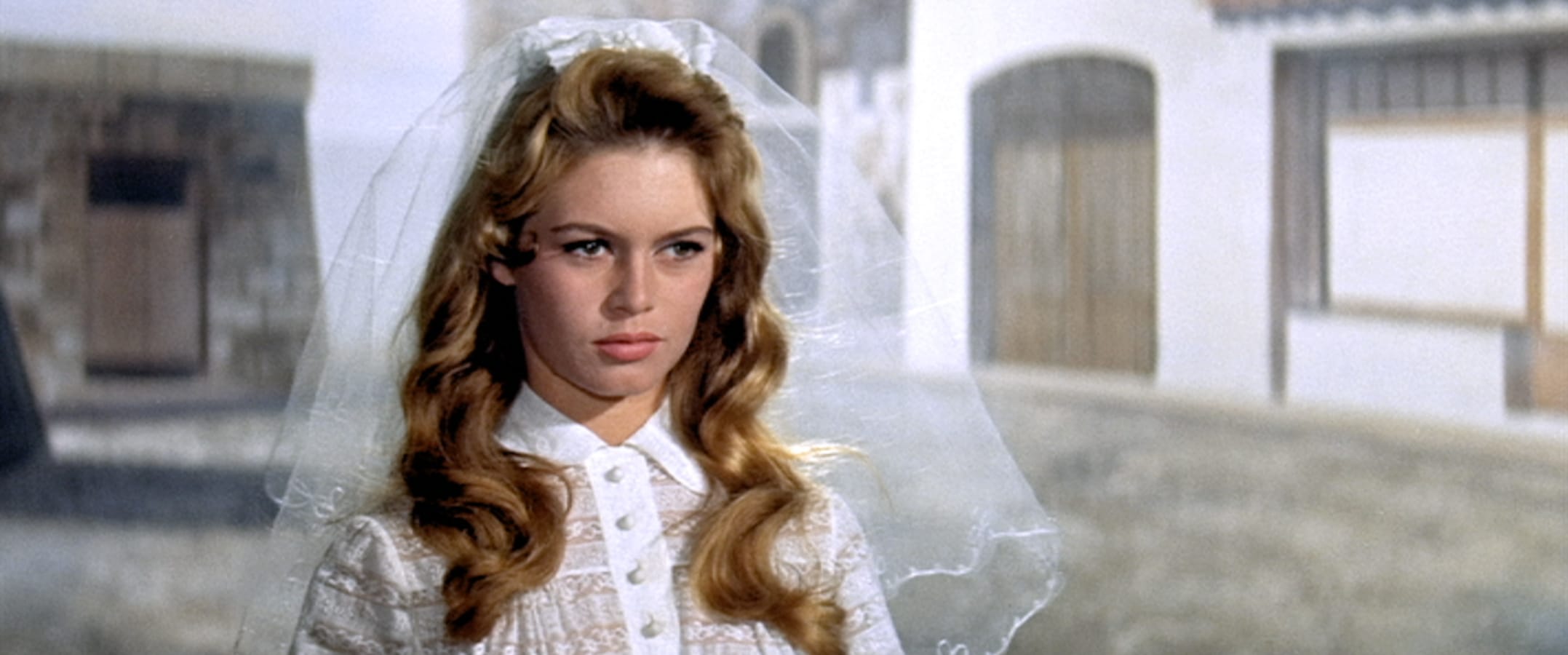
Bardot’s appearance on screen created a visual language that felt both intimate and liberating. Her wardrobe often featured simple dresses natural fabrics and minimal makeup. This aesthetic contrasted sharply with the polished glamour of Hollywood stars.
Women around the world embraced this look because it felt attainable and authentic. Fashion designers continue to reference styles popularized through Brigitte Bardot films proving their timeless appeal and cultural significance.
Resisting Hollywood Expectations
Despite her international fame Bardot never fully conformed to Hollywood norms. She chose to work primarily within European cinema where artistic expression mattered more than box office formulas.
This independence allowed Brigitte Bardot films to remain emotionally honest and culturally grounded. They were not shaped by studio mandates but by creative collaboration which preserved their authenticity and long term relevance.
Emotional Depth and Artistic Growth
As her career progressed Bardot took on more challenging roles that explored themes of isolation identity and emotional conflict. Her performance in Contempt revealed a quiet intensity that surprised critics and audiences alike.
These roles proved that Brigitte Bardot films were not built solely on visual appeal. They carried emotional weight and artistic ambition that elevated them within film history.
Media Attention and Public Fascination
By the late 1950s Bardot became one of the most photographed women in the world. Media attention followed her relentlessly often focusing more on her private life than her work.
This intense scrutiny amplified the reach of Brigitte Bardot films making them unavoidable cultural touchstones. While fame brought pressure it also expanded her influence across continents and generations.
Choosing Freedom Over Fame
At the height of her career Bardot made the unexpected decision to retire from acting. This choice shocked the film industry and her global fan base.
Her departure reinforced the themes of independence present throughout Brigitte Bardot films. She demonstrated that personal freedom mattered more than continued celebrity a message that resonated long after she left the screen.
A New Chapter Through Activism
After stepping away from cinema Bardot dedicated her life to animal rights activism. She founded the Brigitte Bardot Foundation and used her public platform to advocate for ethical treatment of animals.
This commitment added new meaning to Brigitte Bardot films framing them as part of a broader life defined by conviction rather than fame.
Influence on Modern Filmmaking
Contemporary filmmakers continue to draw inspiration from Bardot’s natural performances and emotional honesty. Her influence is especially visible in character driven storytelling and minimalist visual styles.
The authenticity introduced by Brigitte Bardot films remains a benchmark for cinematic realism and continues to shape modern film language.
Why These Films Still Matter
Decades later these works remain relevant because they address universal themes of identity freedom and self expression. They challenge viewers to question social norms while celebrating individuality.
The enduring relevance of Brigitte Bardot films lies in their courage to present women as fully realized human beings rather than symbols or stereotypes.
A Lasting Cultural Legacy
Bardot’s impact extends far beyond her era. She reshaped cinematic language fashion and cultural attitudes toward women.
The legacy created by Brigitte Bardot films continues to inspire filmmakers artists and audiences who value authenticity honesty and emotional depth in storytelling.