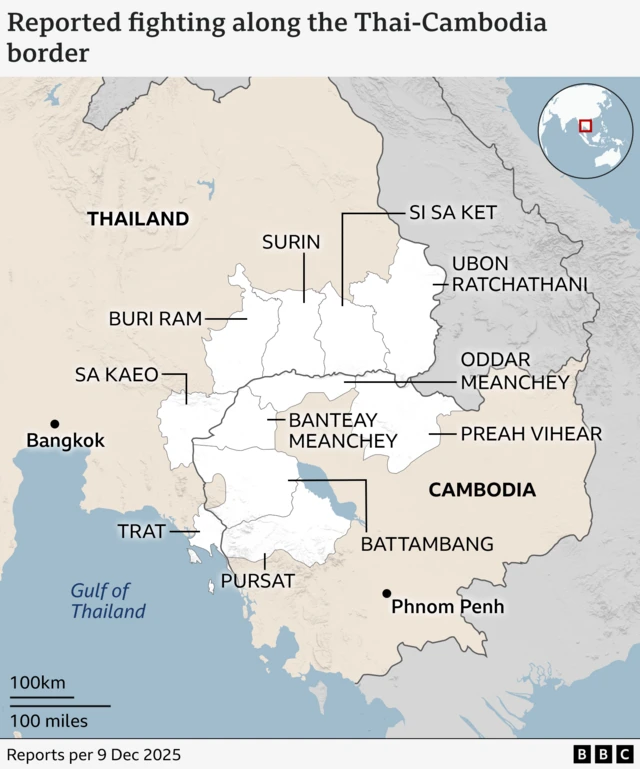
Border tensions Asia have entered a critical moment after Thailand and Cambodia agreed to a ceasefire designed to end weeks of deadly fighting along their disputed border. The agreement follows rising casualties, civilian displacement, and increasing concern among regional partners that continued clashes could destabilize Southeast Asia. While the ceasefire has brought cautious relief to affected communities, officials and analysts alike warn that long term peace will depend on sustained diplomacy, effective monitoring, and political will on both sides.
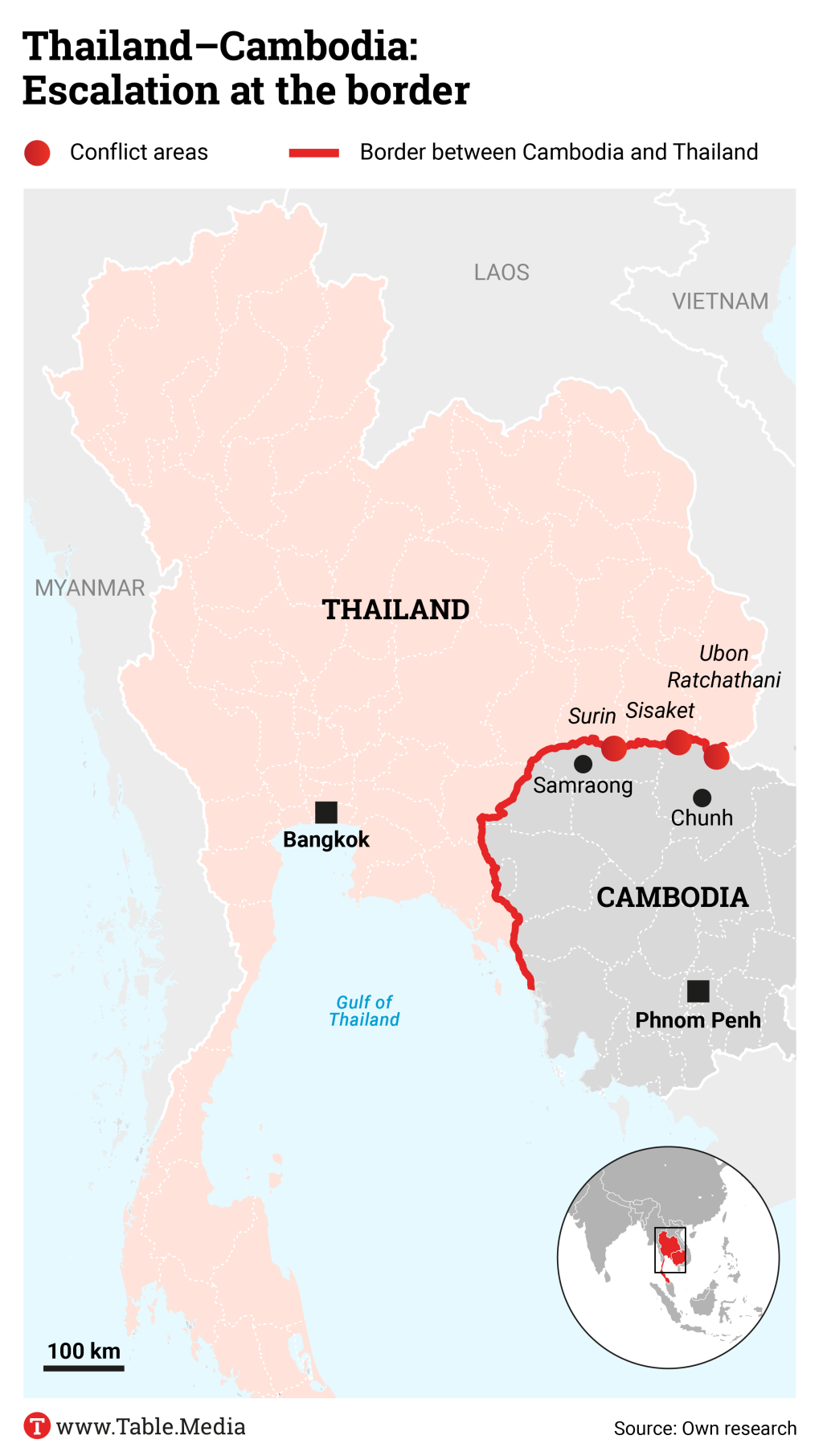
The fighting escalated after longstanding disagreements over border demarcation flared into armed confrontations. Villages near the frontier experienced evacuations, infrastructure damage, and disruptions to daily life. Markets closed, schools suspended operations, and agricultural activities were abandoned as residents sought safety. The humanitarian toll added urgency to diplomatic efforts aimed at stopping the violence before it spiraled further.
Historical Background of the Border Dispute
The Thailand Cambodia border dispute traces its origins to colonial era boundary definitions that left sections of the frontier ambiguously mapped. Over decades, contested areas became symbols of national identity and pride, making compromise politically sensitive. Periodic flare ups occurred in the past, but the recent fighting represented one of the most serious escalations in years.
These unresolved issues reflect a broader pattern of border tensions Asia continues to experience, where historical claims intersect with modern political realities. Leaders often face domestic pressure to take firm stances, even when escalation carries significant risks.
Escalation and Military Deployments
In the weeks leading up to the ceasefire, both nations reinforced troop positions near key flashpoints. Initial skirmishes quickly escalated into sustained exchanges of fire, resulting in injuries and fatalities on both sides. As tensions mounted, concerns grew that a single miscalculation could trigger a broader conflict.
Military analysts noted that once forces were mobilized and rhetoric intensified, political leaders faced narrowing options. The situation highlighted how rapidly localized disputes can escalate when communication channels weaken and trust erodes.
Diplomatic Breakthrough and Negotiations
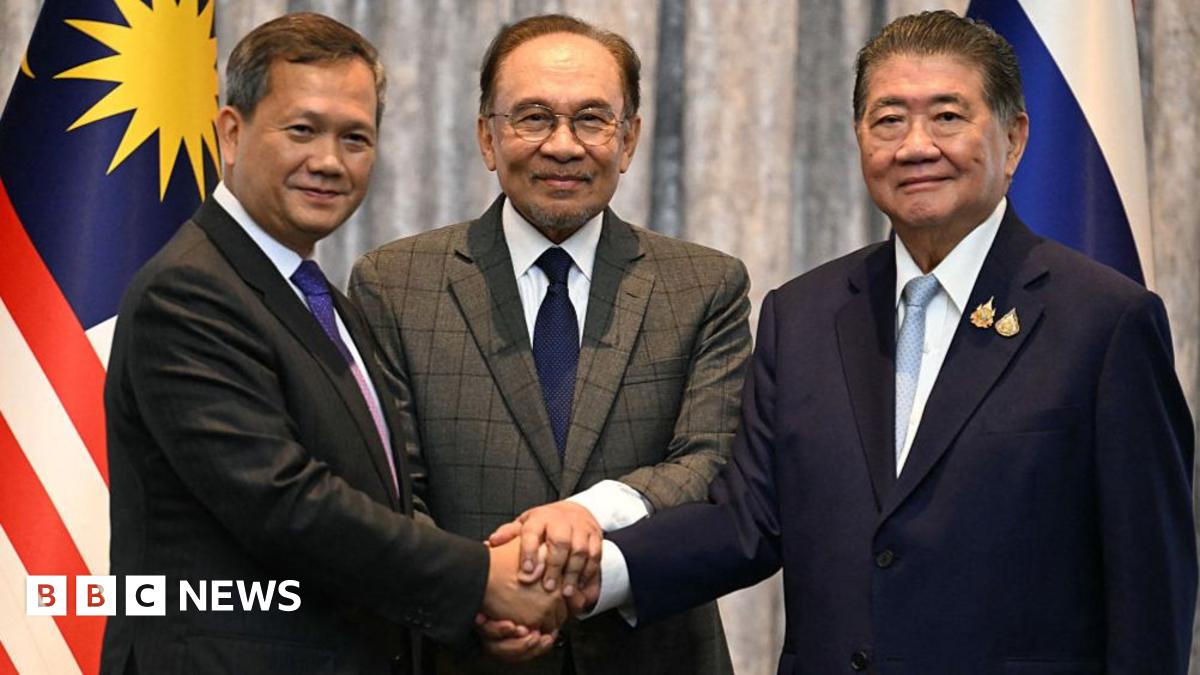
The ceasefire was achieved through intensive behind the scenes negotiations involving regional intermediaries. Both governments publicly emphasized the need to protect civilians and restore stability to border regions. Statements following the agreement signaled a shared recognition that continued fighting served neither country’s long term interests.
Diplomacy proved decisive in easing border tensions Asia has seen in similar disputes. The agreement demonstrated that dialogue, when backed by political commitment, can still interrupt cycles of violence even when grievances run deep.
Humanitarian Impact on Civilians
Weeks of clashes displaced thousands of residents on both sides of the border. Families fled their homes with little notice, often leaving behind livelihoods and possessions. Temporary shelters strained local resources, and access to healthcare and education was disrupted.
Humanitarian organizations welcomed the ceasefire, noting that it allows aid efforts to expand and communities to begin returning home. However, rebuilding trust and addressing trauma will require time and sustained support.
Economic Consequences of the Fighting
The conflict disrupted local economies dependent on cross border trade, agriculture, and tourism. Supply chains were interrupted, transportation routes restricted, and investor confidence shaken. Both Thailand and Cambodia rely heavily on regional stability to sustain economic growth.
Reducing border tensions Asia wide is essential for protecting economic development. Business leaders and economists warned that prolonged instability could have lasting effects well beyond the immediate conflict zone.
Role of Regional Organizations
Regional organizations played a supporting role in facilitating dialogue and encouraging restraint. Their involvement highlighted Southeast Asia’s preference for regional solutions to regional problems, emphasizing consultation and consensus rather than external intervention.
These institutions have accumulated experience managing border tensions Asia wide, strengthening norms around communication, mediation, and peaceful dispute resolution.
International Reaction and Global Context
International leaders and organizations welcomed the ceasefire, praising both governments for choosing diplomacy over continued confrontation. Statements emphasized respect for sovereignty and the importance of peaceful negotiation.
The agreement was viewed positively at a time when conflicts elsewhere have proven difficult to contain. Observers suggested that early diplomatic engagement likely prevented a more severe crisis.
Monitoring and Enforcement Challenges
Ceasefires are inherently fragile, particularly in areas with a history of mistrust. Ensuring compliance will require transparency, joint monitoring mechanisms, and continued diplomatic engagement. Both sides agreed to reduce troop presence in sensitive areas and address incidents through established channels.
Experience shows that without effective enforcement, border tensions Asia can resurface despite formal agreements. Vigilance will be essential in the weeks ahead.
Importance of Communication Channels
Reestablishing military to military communication lines was a key element of the ceasefire. These channels allow rapid clarification of incidents and reduce the risk of accidental escalation.
Such mechanisms are increasingly recognized as best practices for managing border tensions Asia wide, especially in regions with complex terrain and overlapping claims.
Lessons for Other Asian Disputes
The Thailand Cambodia ceasefire offers lessons for other Asian border disputes. Early engagement, third party facilitation, and attention to humanitarian impacts can create space for compromise.
While each dispute has unique characteristics, common patterns emerge across border tensions Asia faces, including the role of domestic politics and the importance of leadership willing to prioritize stability.
Long Term Solutions Beyond the Ceasefire
Lasting peace will require addressing the root causes of the dispute. Negotiations on border demarcation, joint development projects, and confidence building measures will be necessary to prevent future flare ups.
The ceasefire provides an opportunity to pursue these initiatives, but progress will depend on sustained political commitment and public support.
Broader Regional Implications
Southeast Asia’s stability has implications far beyond the region. Major trade routes pass nearby, and economic integration depends on predictable security conditions.
Reducing border tensions Asia wide contributes to global stability and reinforces norms favoring peaceful conflict resolution.
Public Expectations and Political Will
Public reaction to the ceasefire has been cautiously optimistic. Many citizens hope the agreement marks a genuine turning point rather than a temporary pause.
Managing expectations will be important, as setbacks could undermine trust. Leaders must balance domestic pressures with the need for compromise.
The Path Forward
The coming months will test the durability of the ceasefire. Continued dialogue, transparency, and cooperation will be required to translate the agreement into lasting peace.
Observers stress that the success of the ceasefire will depend not only on political agreements but on practical steps that improve conditions for border communities.
The ceasefire between Thailand and Cambodia represents a significant step toward ending weeks of deadly fighting and restoring calm along their shared border. While challenges remain, the agreement demonstrates that diplomacy can interrupt cycles of violence.
As border tensions Asia continue to challenge regional cooperation, this episode underscores the value of communication, restraint, and political courage. Sustained commitment will determine whether this ceasefire becomes a foundation for lasting peace or a brief pause in a longer struggle.