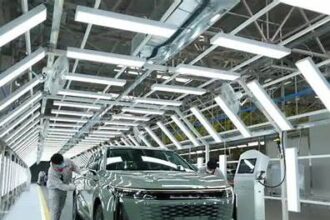

Coverage from Brussels Morning Newspaper highlighted a clear shift in tone as CES Las Vegas 2026 opened its doors to global industry leaders. Rather than electric vehicles dominating every headline, intelligent systems and advanced software became the focal point of discussion. Across press briefings and live demonstrations, automotive AI emerged as the defining force reshaping how automakers plan for the future while dialing back aggressive EV expansion.
This shift reflects a more cautious but focused industry outlook. Economic pressure, uneven EV adoption, and rapid progress in artificial intelligence have pushed manufacturers to prioritize technologies that deliver immediate value. Intelligence inside the vehicle, many executives argued, now matters as much as the powertrain.
A Strategic Pivot at CES
CES has evolved into the automotive industry’s most important stage for future planning, and this year marked a clear pivot. Automakers openly acknowledged that EV adoption is progressing unevenly across markets. Rising costs, charging infrastructure gaps, and affordability concerns have forced a more cautious approach.
In contrast, automotive AI offers a way to deliver immediate value. Driver assistance systems, predictive safety tools, and adaptive navigation can be deployed across existing vehicle platforms. This allows manufacturers to innovate without waiting for a full transition to electric fleets, keeping product cycles active and consumers engaged.
Why Intelligence Now Matters More Than Hardware
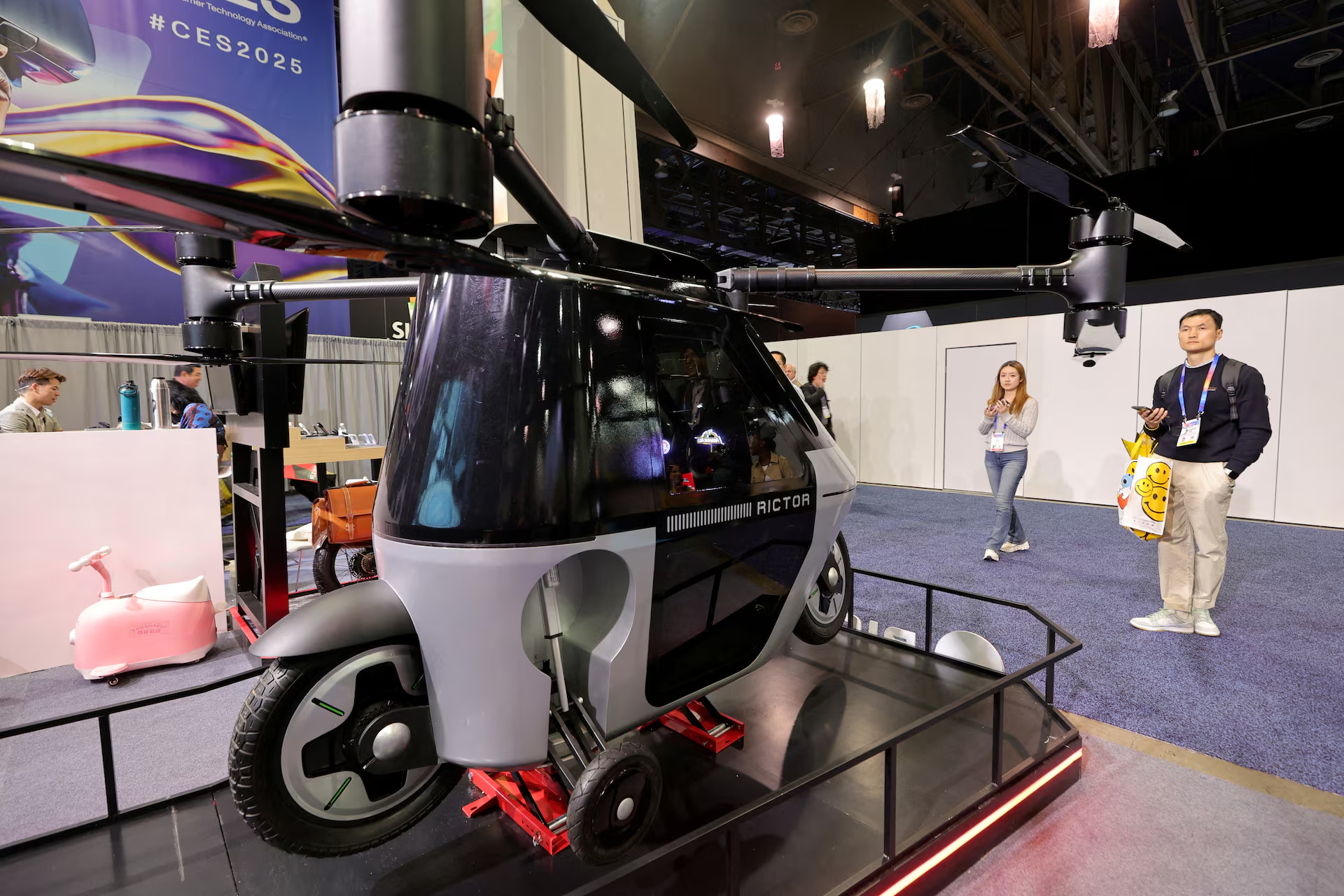
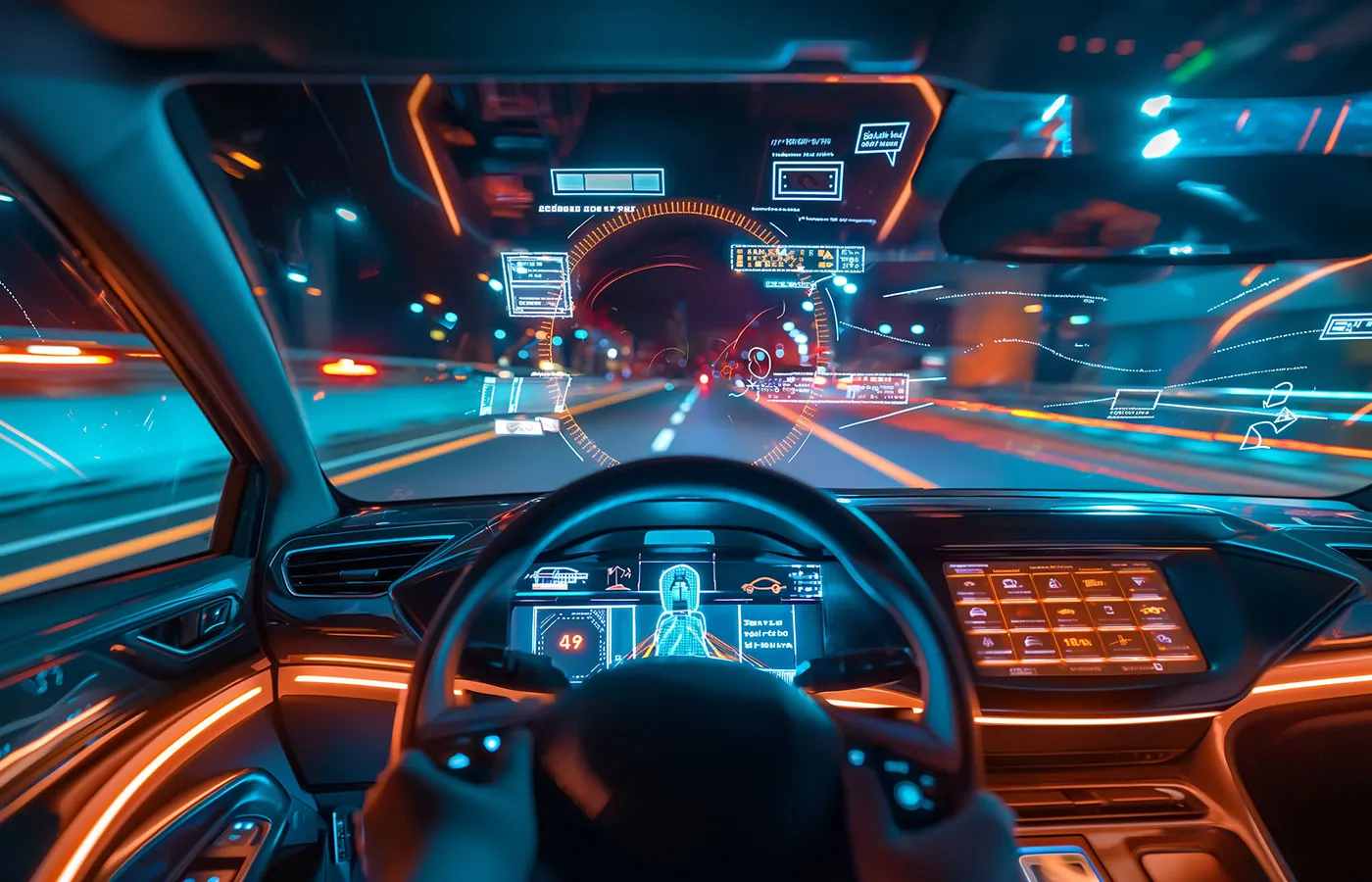
For decades, automotive competition centered on engines, design, and manufacturing scale. Today, software is redefining those priorities. Advanced perception systems can process data from cameras, radar, and sensors in real time, enabling vehicles to respond faster than human reflexes.
Executives repeatedly stressed that automotive AI transforms vehicles into learning systems rather than static products. Over-the-air updates allow improvements long after purchase, extending vehicle relevance and building long-term brand loyalty. This software-first mindset mirrors the consumer electronics industry, where continual improvement drives value.
Consumer Demand Shapes Industry Direction
Market research presented at CES showed a consistent pattern. Buyers prioritize safety, ease of use, and reliability above all else. Features such as lane assistance, collision avoidance, and traffic-aware cruise control directly address these needs.
One senior industry leader summarized the shift with a single observation:
“People may hesitate on range or charging, but they immediately trust technology that helps keep their families safe.”
That mindset explains why automotive AI demonstrations attracted larger crowds than many EV concept reveals. The benefits are tangible, easy to understand, and relevant to everyday driving.
Recalibrating Electric Vehicle Ambitions
The reduced emphasis on EV announcements does not signal abandonment. Instead, automakers are stretching timelines and aligning output with real demand. Many executives described electrification as inevitable but uneven.
By pairing EV development with automotive AI, manufacturers aim to make electric models more appealing without relying solely on environmental messaging. Intelligent energy management, predictive range estimation, and adaptive charging guidance help address consumer anxiety while keeping long-term sustainability goals intact.
Partnerships Drive Faster Innovation
Another defining theme at CES was collaboration. Developing intelligent systems requires expertise in software, chips, data science, and cloud infrastructure. No single company excels at all of these areas.
Strategic partnerships allow automakers to integrate automotive AI more efficiently while controlling costs. Shared platforms and standardized software stacks reduce duplication and accelerate deployment. This cooperative approach reflects a broader industry realization that speed and flexibility now matter more than vertical control.
Regulation and Public Trust
Despite enthusiasm, automakers emphasized caution. Regulatory standards for advanced driver assistance vary widely, and public trust remains fragile after high-profile incidents involving automated systems.
Manufacturers stressed incremental progress. Rather than promising full autonomy overnight, they are focusing on assistive technologies that enhance safety while keeping drivers engaged. Clear communication and transparent testing are central to building confidence in automotive AI as these systems become more capable.
Economic Pressures Reinforce the Shift
Macroeconomic uncertainty continues to influence corporate strategy. Inflation, interest rates, and supply chain disruptions have tightened margins across the industry.
Software-driven features often deliver higher returns than hardware-intensive transitions. As a result, automotive AI is increasingly viewed as a stabilizing force, offering scalable innovation even when capital investment must be carefully managed. CES discussions made it clear that financial discipline and technological ambition are now closely linked.
Global Competition Intensifies
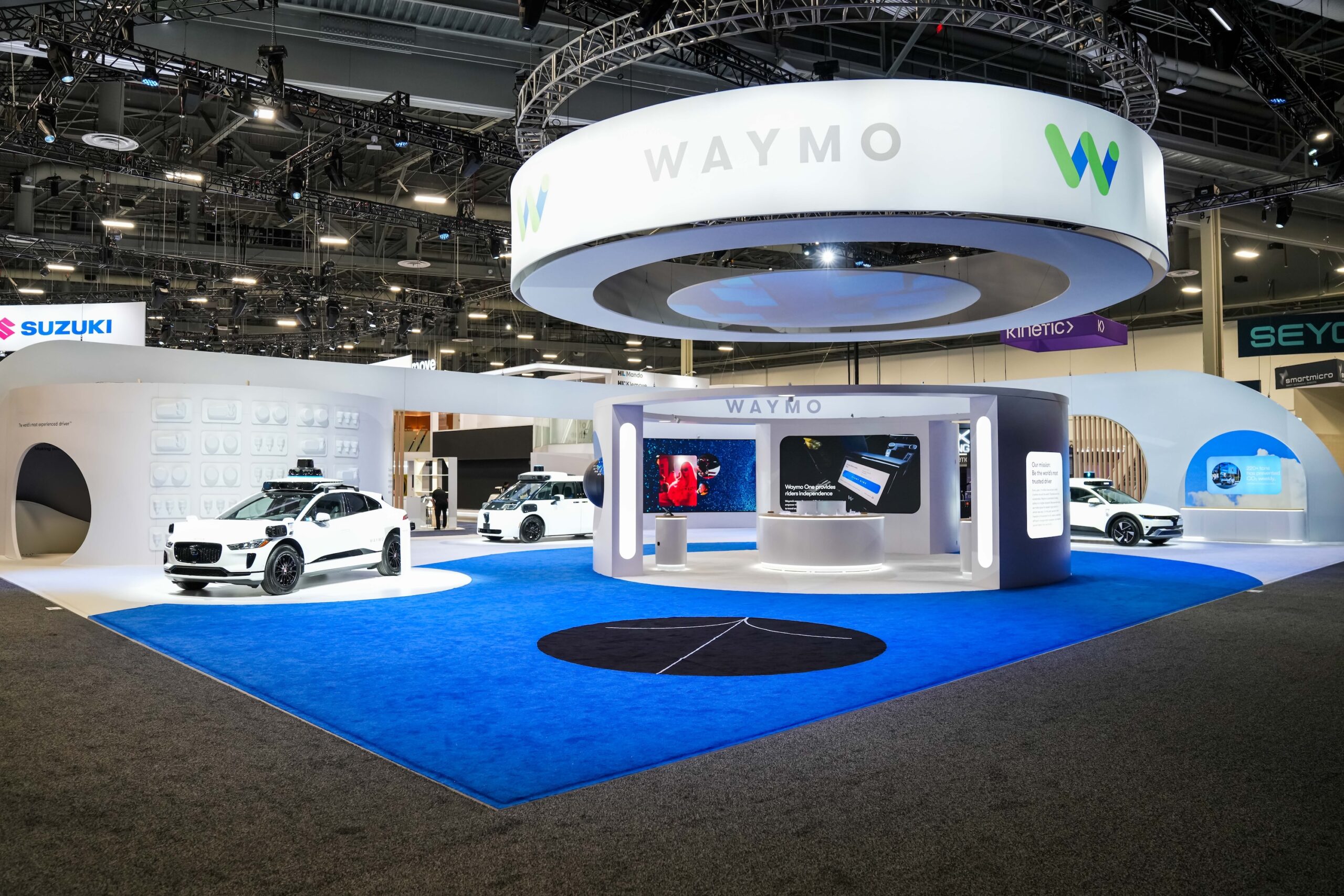
The emphasis on intelligence has sharpened competition among global manufacturers. Asian brands highlighted rapid iteration and cost efficiency. European companies focused on safety, compliance, and refinement. North American automakers emphasized user experience and subscription-based services.
In this environment, leadership in automotive AI is becoming a benchmark for relevance. Falling behind in software capabilities now carries the same risk as lagging in engine technology once did.
What Drivers Can Expect in 2026
For consumers, the shift promises vehicles that feel smarter and more responsive. Predictive maintenance alerts, personalized driving modes, and real-time hazard awareness are moving from luxury options to mainstream expectations.
As automotive AI spreads across vehicle segments, everyday driving is likely to become safer and less stressful. These improvements may arrive faster than a complete transition to electric fleets, delivering immediate benefits while longer-term changes continue in parallel.
When Intelligence Becomes the New Engine
The message from CES was unmistakable. The future of mobility will be defined not just by what powers a vehicle, but by how it thinks, learns, and assists. By recalibrating EV ambitions and elevating intelligence, the industry is choosing a practical path forward. In 2026, automotive AI is no longer an add-on feature. It is becoming the core force shaping the next era of global transportation.