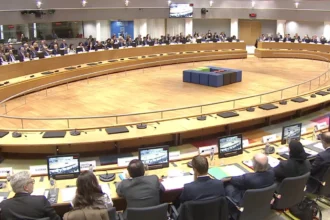

Brussels Morning opens with growing debate as an independent analyst raises serious questions over the long term consequences of US strikes, arguing that military action alone cannot resolve complex geopolitical crises. According to the analyst the expanding use of US strikes as a primary policy tool risks creating instability that extends far beyond immediate targets and into global political and economic systems.
As international tensions rise the analyst believes scrutiny of strikes has become unavoidable. Governments markets and civilian populations increasingly feel the effects of these decisions. The discussion now centers not only on tactical success but on whether such actions truly advance long term security objectives for the United States and its allies.

Strategic Intent Versus Real World Outcomes
Supporters of US strikes often point to their ability to neutralize imminent threats with speed and accuracy. Precision targeting, intelligence driven planning, and advanced military technology are frequently highlighted as signs of operational effectiveness. However, the analyst questions whether rapid results and technical superiority alone can replace a comprehensive long-term strategy.
Military planners may achieve short-term objectives yet overlook the wider environment in which modern conflicts unfold. The analyst emphasizes that today’s confrontations are deeply interconnected, shaped by political identity, economic hardship, and regional power struggles. Eliminating a single threat does not remove the underlying conditions that allow new dangers to arise.
Diplomatic Repercussions and Alliance Strain
One of the most pressing concerns involves diplomatic fallout. Military actions can place strain on alliances, particularly when partners differ on strategy or timing. The analyst notes that even when allies share security objectives, disagreement over US strikes can weaken trust and complicate coordination.
At the same time, rival states often leverage such events to strengthen alternative narratives, portraying military intervention as destabilizing. These competing narratives can reduce diplomatic leverage and make future negotiations more difficult across a range of unrelated policy areas.
Economic Effects Felt Beyond Conflict Zones
Markets respond quickly to news of US strikes, especially when military action unfolds in strategically vital regions. Energy prices, shipping insurance costs, and currency markets often react with immediate volatility. The analyst argues that these economic shocks are not accidental side effects but predictable consequences of escalation.
Over the longer term, higher defense spending, reduced foreign investment, and slower economic growth can follow. Disrupted global supply chains may push costs onto consumers worldwide. The analyst emphasizes that the financial burden of such actions is frequently borne by households far removed from the conflict itself.

Security Gains and the Risk of Escalation
While US strikes may succeed in removing specific targets, the analyst questions whether they truly enhance overall security. Historical experience shows that military victories are often short lived when deeper grievances remain unaddressed. In some situations, the use of force can even fuel radicalization and strengthen recruitment by extremist groups.
The analyst argues that security should be judged not solely by enemy losses but by sustained reductions in violence over time. When retaliation cycles follow initial actions, the lasting benefit becomes uncertain. Achieving durable peace, the analyst concludes, requires far more than success on the battlefield alone.
Humanitarian and Civilian Considerations
The analyst places strong emphasis on humanitarian outcomes, noting that civilian displacement, infrastructure damage, and psychological trauma often accompany US strikes, even when precision weapons are deployed. These consequences can fuel long-term instability by eroding trust between affected communities and international actors.
Aid organizations frequently face heightened challenges delivering assistance in post-conflict environments. The analyst stresses that when civilian suffering dominates public perception, efforts to build legitimacy and stability become far more difficult, weakening broader peace and security objectives.
International Law and Global Norms
Questions of legality feature prominently in the analysis, particularly around how US strikes are justified under international law. While legal rationales may exist, they are not always universally accepted, leading to disputes over sovereignty and proportionality.
The analyst warns that disagreements over legality can weaken global norms and set precedents others may follow. Selective application of international rules risks normalizing unilateral action, potentially destabilizing the international system over time.

Media Narratives and Public Perception
Public understanding of modern conflict is heavily shaped by media narratives, especially in coverage of US strikes. The analyst argues that reporting often emphasizes immediate operational success while giving less attention to long-term consequences.
As outcomes diverge from early portrayals, public skepticism can grow. The analyst believes transparent reporting and sustained analysis are essential for informed democratic debate and responsible oversight of foreign policy decisions.
Lessons From Previous Military Actions
Looking to history, the analyst identifies recurring patterns linked to US strikes, including early public approval followed by prolonged engagement and eventual fatigue. These cycles suggest that military action alone rarely delivers durable solutions.
The analyst recommends that policymakers study past outcomes more rigorously before authorizing new operations. Learning from earlier experiences could help avoid repeating costly strategic mistakes.
Alternatives to Military Escalation
Without dismissing the need for defense, the analyst calls for broader consideration of non-military tools that can complement or replace US strikes in certain situations. Diplomacy, economic incentives, and multilateral pressure may achieve objectives with fewer long-term risks.
Investment in conflict prevention, intelligence sharing, and regional development is presented as a more sustainable path to security. These approaches may require patience but often produce more lasting results.
Global Reactions and Strategic Calculations
International reactions to US strikes vary widely, with allies offering cautious support, adversaries issuing strong condemnation, and neutral states expressing concern over stability and precedent.
The analyst notes that such responses influence strategic planning among global powers. Each action reshapes expectations and can gradually alter alliance structures and security doctrines.
What Comes Next for US Foreign Policy
The analyst concludes that continued reliance on US strikes raises fundamental questions about future foreign policy direction. Balancing security priorities with diplomatic credibility, economic stability, and humanitarian responsibility remains a complex challenge.
As global dynamics evolve, the analyst urges a reassessment of how military power is applied. The focus, they argue, should be on lasting stability rather than short-term victories.
When Force Ends and Consequences Begin
In summary, the analyst raises serious concerns about the broad political, economic, security, and humanitarian effects associated with US strikes. While the use of force may at times be necessary, it should not stand alone as the primary policy tool.
A more integrated strategy combining diplomacy, economic engagement, and international cooperation could better serve long-term interests. As global audiences continue to watch closely, this debate will remain central to shaping the future of international security.