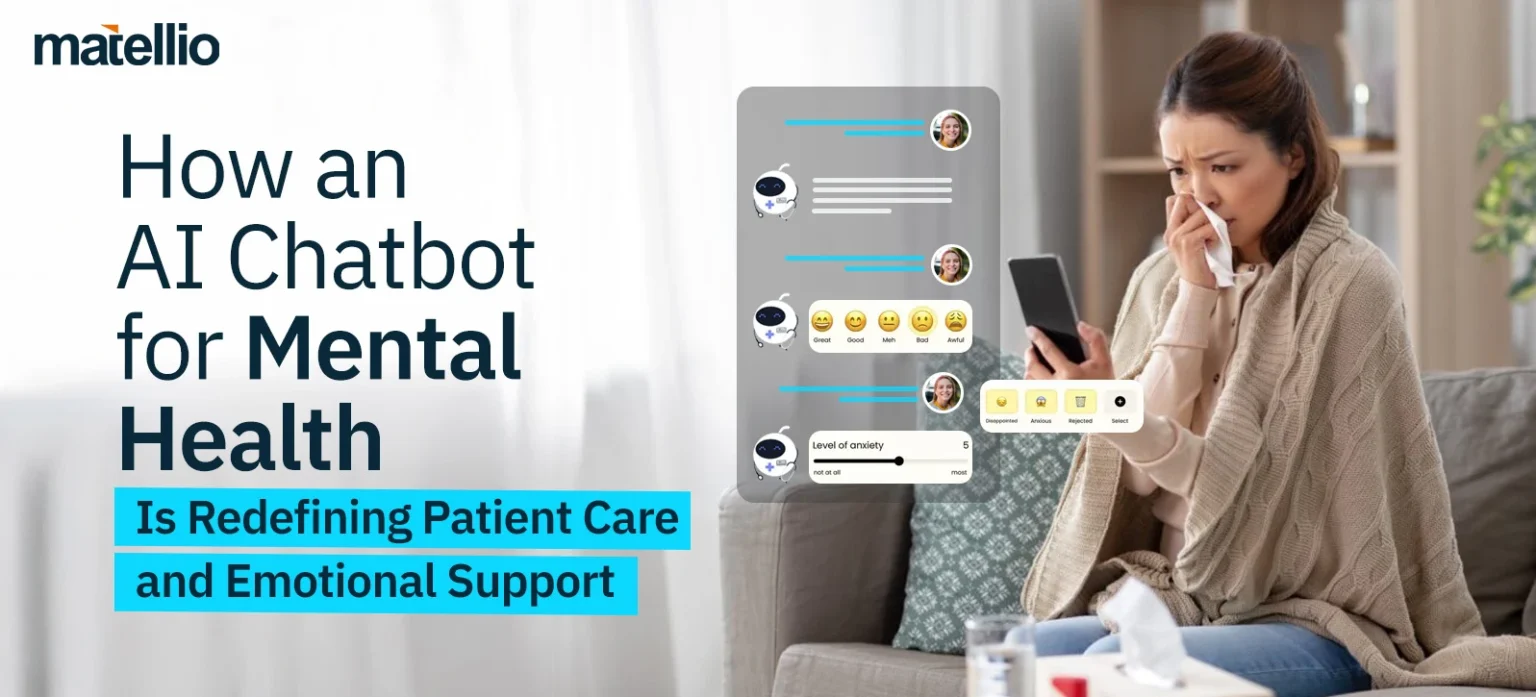
Across the United Kingdom a quiet but significant shift is taking place in how people seek comfort reassurance and conversation. More individuals are turning to artificial intelligence not for work or productivity but for emotional connection. Recent UK findings reveal that one in three people now rely on AI emotional support at some level whether for conversation stress relief or emotional reassurance. This growing trend reflects broader social pressures including loneliness mental health challenges and limited access to traditional support services.
As technology becomes more personal and conversational AI platforms are evolving into tools that many people trust during vulnerable moments. While AI cannot replace human empathy it is becoming a meaningful part of everyday emotional wellbeing for millions across the UK.

What Is AI Emotional Support
AI emotional support refers to the use of artificial intelligence systems designed to engage in empathetic conversation offer reassurance and help users process emotions. These tools often take the form of chat based platforms available on smartphones computers or smart devices.
Unlike traditional therapy AI emotional support tools are always available and typically anonymous. Users can talk freely without fear of judgment making them especially appealing to people who struggle to open up to others.
Why AI Emotional Support Is Rising in the UK
Several social and economic factors are driving adoption. Mental health services across the UK face high demand and long waiting lists. Many people experience stress anxiety and loneliness but cannot easily access professional help.
AI emotional support fills a critical gap by offering immediate interaction. People appreciate the ability to talk through emotions at any time whether late at night during work breaks or in moments of sudden distress.
The rising cost of living job insecurity and social isolation have also contributed to emotional strain making accessible support more important than ever.

How People Use AI Emotional Support
Usage varies widely but patterns are emerging. Many users turn to AI emotional support during moments of anxiety or loneliness. Others use it as a daily habit similar to journaling or mindfulness.
Common uses include
• Talking through worries and stress
• Managing anxiety and racing thoughts
• Practicing difficult conversations
• Seeking reassurance during emotional moments
• Reducing feelings of loneliness
For many people AI serves as a first step toward understanding their emotions before seeking human support.
AI and the Loneliness Epidemic
Loneliness is increasingly recognized as a serious public health issue in the UK. Remote work aging populations and digital lifestyles have reduced everyday social interaction.
AI emotional support offers a form of companionship that helps people feel heard. While users understand AI is not human the conversational interaction itself can ease feelings of isolation.
For individuals living alone or those with limited social networks this technology can provide meaningful emotional relief.
Benefits of AI Emotional Support
The rapid growth of AI emotional support is driven by several key advantages.
Accessibility
AI tools are available around the clock without appointments or waiting lists.
Affordability
Most platforms are free or low cost compared to traditional therapy.
Privacy
Users can speak openly without fear of stigma or judgment.
Consistency
AI provides reliable responses and does not tire or become unavailable.
These benefits make AI emotional support especially appealing to people who feel underserved by existing systems.
Ethical Concerns and Limitations
Despite its advantages AI emotional support raises important ethical questions. One concern is over reliance. Experts caution that AI should supplement not replace human relationships.
There are also concerns about data privacy. Emotional conversations are deeply personal and require strong protections to prevent misuse. Developers and regulators in the UK are increasingly focused on ensuring responsible data handling and transparency.
AI systems also lack true understanding and cannot respond to crises in the same way a trained professional can.
Can AI Replace Human Emotional Support
Most experts agree that AI emotional support cannot replace human empathy professional therapy or real relationships. Human connection involves shared experience emotional intuition and physical presence that AI cannot replicate.
However AI can play a valuable supporting role. It can help users calm emotions organize thoughts and prepare for conversations with friends family or professionals.
In this way AI acts as a bridge rather than a replacement.
Impact on Mental Health Services
The rise of AI emotional support may help reduce pressure on UK mental health services. By assisting with low level emotional needs AI allows professionals to focus on complex cases requiring human expertise.
Some healthcare providers are exploring ways to integrate AI tools into mental health pathways while maintaining clinical oversight and ethical standards.
Younger Generations Lead Adoption
Younger adults are the fastest growing users of AI emotional support. Digital native generations are comfortable forming connections through technology and value instant access.
For many young people AI feels like a natural extension of digital life rather than a replacement for human interaction. As these generations age AI based emotional support is likely to become even more mainstream.
The Role of AI During Emotional Crisis
While AI emotional support can help manage stress it is not designed for emergencies. Most platforms include guidance encouraging users to seek professional help when facing serious mental health crises.
Used responsibly AI can provide early emotional intervention helping people stabilize emotions before situations escalate.
The Future of AI Emotional Support in the UK
The future of AI emotional support points toward more personalized and emotionally aware systems. Advances in language processing may allow AI to better recognize emotional patterns and respond more naturally.
Future platforms may integrate with healthcare services offering referrals resources and professional support when needed.
As public awareness grows AI emotional support is expected to become a standard part of digital wellbeing alongside fitness sleep and mindfulness tools.
Social Acceptance Is Increasing
Public perception of AI emotional support is shifting. What once seemed unusual is becoming normalized. Open conversations about mental health have reduced stigma making people more willing to explore new forms of support.
As trust in AI technology grows acceptance is likely to increase further.
Balancing Technology and Human Connection
The challenge ahead is balance. AI emotional support works best when combined with human relationships professional care and community support.
Used thoughtfully AI can enhance emotional wellbeing without replacing essential human connections.
The growing use of AI emotional support in the UK reflects changing emotional needs in a rapidly evolving society. With one in three people now engaging with AI for conversation or comfort this technology has clearly established its place in modern life.
While it is not a replacement for human empathy AI emotional support offers accessible reliable and immediate assistance that many people value. As technology continues to advance it will play an increasingly important role in emotional wellbeing across the UK.