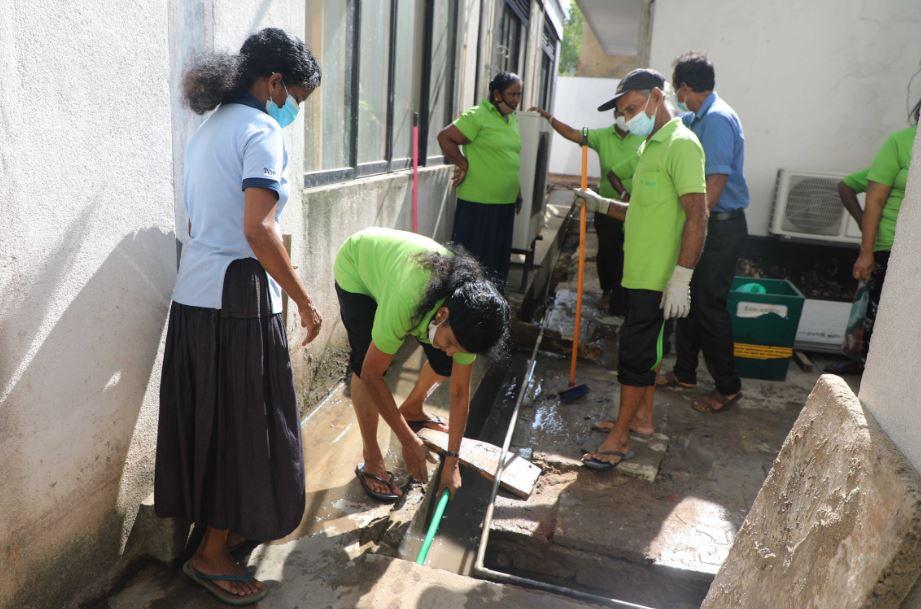
COLOMBO, Sri Lanka, June 19 – Brussels Morning Newspaper — Dengue virus update reports from Sri Lanka show that more than 44,000 confirmed infections have been recorded so far this year, making dengue one of the country’s most significant public health concerns. Health authorities have intensified mosquito-control operations while hospitals continue monitoring patients as seasonal weather creates favorable conditions for disease transmission.
The latest Dengue virus update indicates that several districts continue reporting steady increases in infections, particularly in densely populated urban areas where standing water provides ideal breeding conditions for Aedes mosquitoes. Officials have urged residents to remove stagnant water around homes, schools, and workplaces to help reduce mosquito populations.
Sri Lanka’s Ministry of Health has expanded surveillance programs and community awareness campaigns as part of its nationwide response. Medical teams are working closely with local authorities to identify high-risk locations and conduct targeted mosquito-control activities. The current Dengue virus update also highlights increased inspections at construction sites, public spaces, and residential neighborhoods where mosquito breeding is commonly detected.
“Community participation remains one of the most effective tools in preventing dengue transmission by eliminating mosquito breeding sites,” Sri Lanka’s National Dengue Control Unit said.
Doctors continue advising the public to seek medical attention immediately if symptoms such as persistent fever, severe headaches, muscle pain, joint pain, nausea, vomiting, or skin rashes develop. Early diagnosis remains essential because timely treatment can significantly reduce the risk of severe complications associated with dengue infection.
The ongoing Dengue virus update reflects the influence of seasonal rainfall, which has created additional mosquito breeding habitats across many regions. Public health experts say environmental management remains one of the most effective long-term strategies for controlling outbreaks alongside public education and rapid medical care.
Hospitals across the country have strengthened preparedness by increasing patient monitoring and ensuring healthcare workers remain alert for severe dengue cases. Officials say the healthcare system continues to manage current patient volumes while preparing for possible increases if weather conditions continue supporting mosquito activity.
The latest Dengue virus update also underscores the importance of cooperation between government agencies, healthcare providers, schools, and local communities. Awareness campaigns continue encouraging residents to clean gutters, empty water containers, properly cover water storage tanks, and use mosquito repellents during daylight hours when Aedes mosquitoes are most active.
Health officials believe continued public cooperation will play a decisive role in slowing transmission during the coming weeks. The Dengue virus update serves as a reminder that preventing mosquito breeding at the household level remains the first line of defense against the disease.
As surveillance continues nationwide, authorities say they will closely monitor infection trends and adjust response measures where necessary. The latest Dengue virus update demonstrates Sri Lanka’s ongoing commitment to limiting further spread through coordinated public health action, early medical intervention, and sustained community engagement.