GENEVA, Switzerland, June 17 – Brussels Morning Newspaper — Global hunger crisis continues to intensify as humanitarian agencies warn that millions of people remain at risk of severe food insecurity due to armed conflicts, climate-related disasters, economic instability, and displacement. International aid organizations say emergency food assistance remains critical as governments and relief agencies work to address rising humanitarian needs across multiple regions.
Recent humanitarian assessments indicate that prolonged conflicts, extreme weather events, and inflation have significantly disrupted food production and supply chains. These factors have made basic food items increasingly unaffordable for vulnerable communities while limiting access to humanitarian assistance in several crisis zones.
Conflicts Continue to Drive Food Insecurity
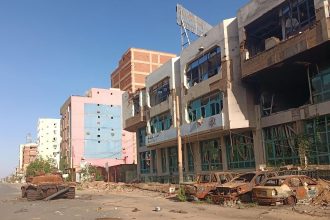
Ongoing conflicts remain one of the leading causes behind the Global hunger crisis, forcing millions of families to leave their homes while disrupting farming, transportation, and local markets. Humanitarian organizations report that many affected communities now depend almost entirely on emergency food assistance to meet their daily nutritional needs.
Children, pregnant women, and elderly populations continue to face the highest risks of malnutrition, prompting relief agencies to prioritize nutritional support programs alongside emergency food distributions.
Climate Change Adds Pressure to Global Food Supplies
Extreme droughts, floods, heatwaves, and unpredictable weather patterns continue affecting agricultural production across several continents. Crop failures and livestock losses have reduced local food availability, while rising production costs have contributed to higher food prices.
Aid agencies stress that improving climate resilience and strengthening local agricultural systems remain essential long-term solutions alongside emergency humanitarian assistance.
“Without sustained humanitarian support, millions of people risk falling deeper into hunger and malnutrition,”
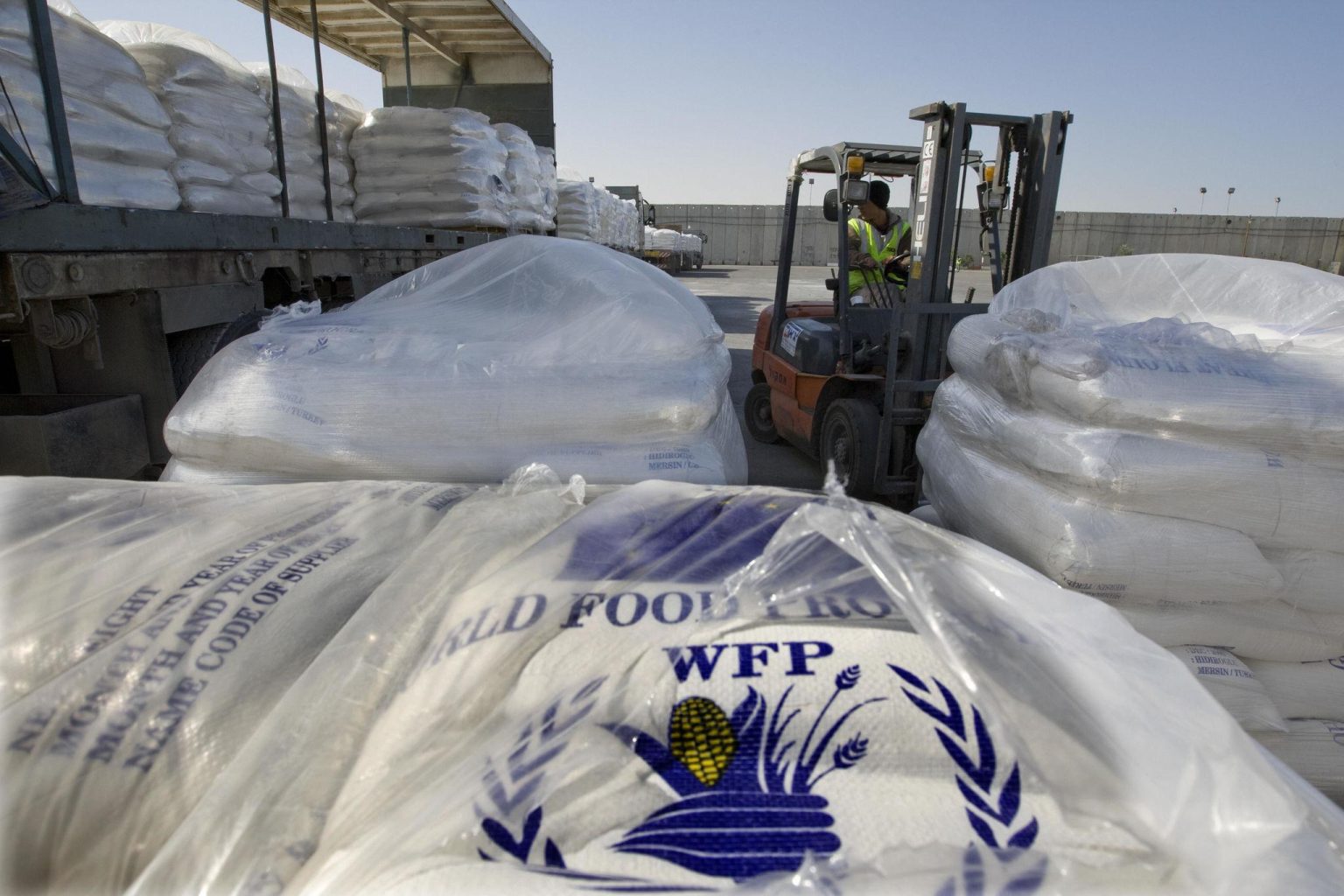
a spokesperson for the United Nations World Food Programme said.
International Support Remains Essential
Governments, international organizations, and humanitarian donors continue providing financial assistance to maintain emergency food operations worldwide. Relief agencies emphasize that predictable funding allows food supplies to reach vulnerable populations more efficiently while helping stabilize communities affected by ongoing crises.
Humanitarian experts also note that addressing the Global hunger crisis requires coordinated international efforts that combine emergency relief with investments in agriculture, economic recovery, and infrastructure development.