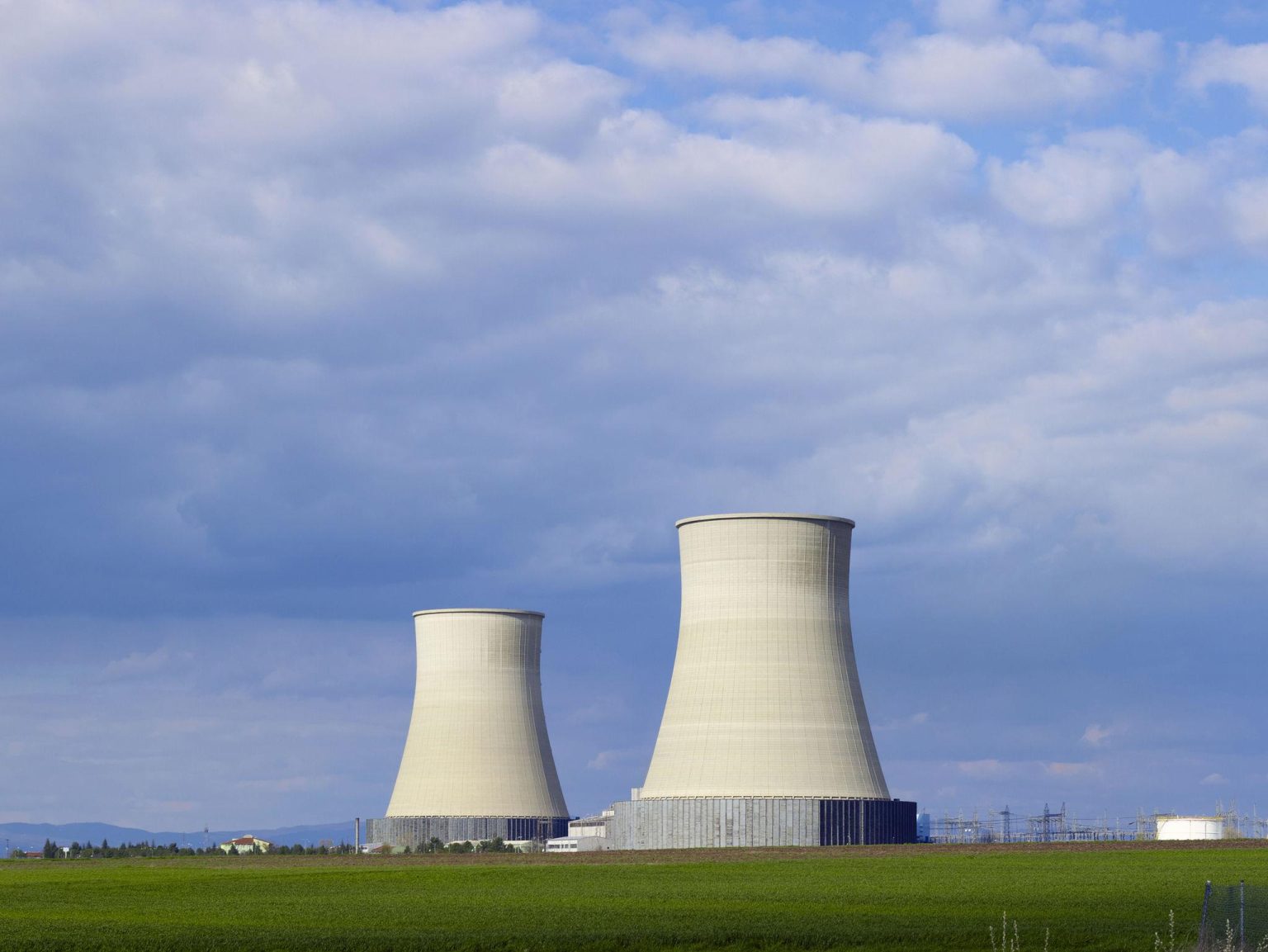
UNITED STATES, June 15 – Brussels Morning Newspaper — plutonium nuclear fuel has returned to the spotlight as policymakers and energy experts debate how to strengthen America’s long-term nuclear energy supply. While some advocates point to plutonium as a possible future fuel source, specialists warn that the material presents major technical, economic, and security challenges that prevent it from offering a quick answer to current fuel concerns.
The discussion comes as the United States works to expand nuclear power generation to meet growing electricity demand while reducing carbon emissions. Nuclear energy currently supplies a significant portion of the nation’s electricity and remains a key part of long-term energy planning.
Supporters of plutonium-based fuel argue that the material can be recycled from existing nuclear processes and potentially used to generate additional energy. In some countries, mixed oxide fuel, commonly known as MOX fuel, has been developed using plutonium combined with uranium. Advocates say this approach could help maximize the use of nuclear resources while reducing stockpiles of certain radioactive materials.
However, experts caution that producing and handling plutonium nuclear fuel is far more complex than traditional uranium-based fuel. Specialized facilities, extensive safety systems, strict regulations, and highly trained personnel are required throughout the process. Building or expanding this infrastructure can take years and involve substantial financial investment.
Safety remains one of the largest concerns. Plutonium is a highly radioactive material that requires careful management at every stage of the fuel cycle. Regulatory authorities maintain strict oversight to ensure public safety, environmental protection, and compliance with national and international standards.
Economic factors also limit rapid adoption. Industry analysts note that uranium fuel currently benefits from established supply chains, proven technology, and decades of operational experience. By comparison, expanding plutonium fuel programs would require major investments in processing facilities, transportation systems, and security infrastructure.
The plutonium nuclear fuel debate is also closely connected to national security considerations. Because plutonium is a sensitive nuclear material, governments maintain rigorous safeguards governing its storage, transport, and use. These security requirements add additional complexity and cost to any potential expansion effort.
At the same time, concerns about fuel security continue to influence policy discussions. Officials are seeking ways to strengthen domestic nuclear supply chains and reduce vulnerabilities associated with global energy markets. Alongside plutonium research, investments are also being directed toward uranium production, fuel enrichment capabilities, and advanced reactor technologies.
Some next-generation reactor designs could eventually improve fuel efficiency and make greater use of recycled nuclear materials. However, many of these technologies remain under development and are not expected to provide immediate solutions.
A senior nuclear energy analyst recently said,
“Plutonium may offer long-term strategic value, but it is not a practical short-term answer to current nuclear fuel supply challenges.”
That assessment reflects the view held by many experts across the industry. While plutonium continues to attract attention as part of future energy discussions, most specialists believe America’s immediate nuclear fuel needs will be met through existing uranium-based systems and ongoing investments in domestic supply chains.
For now, plutonium nuclear fuel remains a long-term possibility rather than a near-term solution. As policymakers evaluate future energy strategies, the focus is likely to remain on balancing energy security, economic feasibility, safety requirements, and environmental goals.