Jerusalem, Israel, June 13 – Brussels Morning Newspaper — Regional security tensions continue drawing international attention as diplomatic negotiations, military activity, and geopolitical developments shape the outlook for the Middle East. Governments, investors, and policy experts are closely monitoring events across the region as regional security tensions influence security planning, economic expectations, and diplomatic engagement.
Recent developments have highlighted the complexity of regional security tensions, particularly as countries balance efforts to pursue diplomacy while addressing ongoing security concerns. Analysts note that negotiations aimed at reducing conflict are occurring alongside military operations and strategic competition, creating a challenging environment for policymakers.
The impact of regional security tensions extends beyond government institutions. Financial markets, energy companies, and international organizations frequently evaluate geopolitical developments for signs of potential disruptions affecting trade routes, investment flows, and regional stability. This broad influence helps explain why developments in the Middle East continue receiving global attention.
Energy markets remain especially sensitive to regional security tensions because the region plays a critical role in global oil and natural gas supplies. Market participants closely follow developments involving transportation corridors, production facilities, and diplomatic negotiations that could influence energy prices and supply chains.
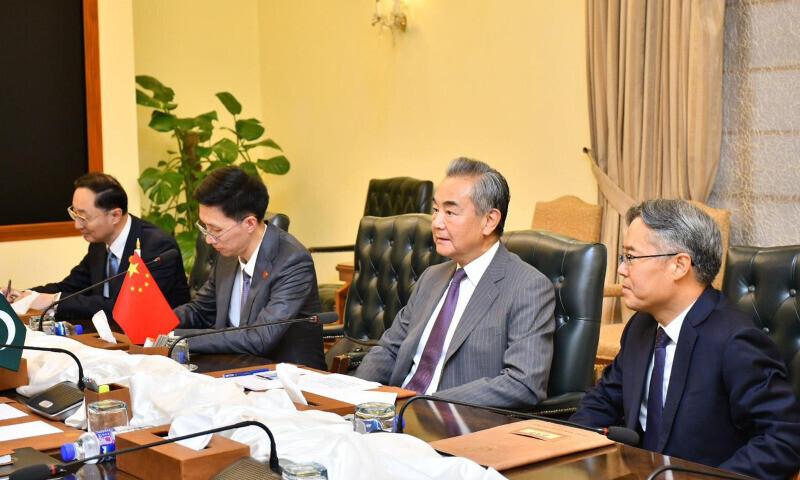
Diplomatic efforts remain a central component of attempts to reduce regional security tensions. Governments across the region continue participating in discussions focused on conflict prevention, communication, and long-term stability. While progress is often gradual, many policymakers believe sustained dialogue remains essential for avoiding further escalation.
Military preparedness also remains an important consideration. Security experts argue that regional security tensions require governments to maintain readiness while simultaneously supporting diplomatic initiatives. This dual-track approach has become a common feature of regional policy planning as leaders seek to balance deterrence and engagement.
One international affairs analyst recently stated:
“Stability is most likely when diplomatic communication and security preparedness advance together.”
The observation reflects the broader debate surrounding regional security tensions, where governments must navigate complex relationships involving diplomacy, defense, and economic interests. Many experts believe that reducing uncertainty requires cooperation across multiple areas simultaneously.
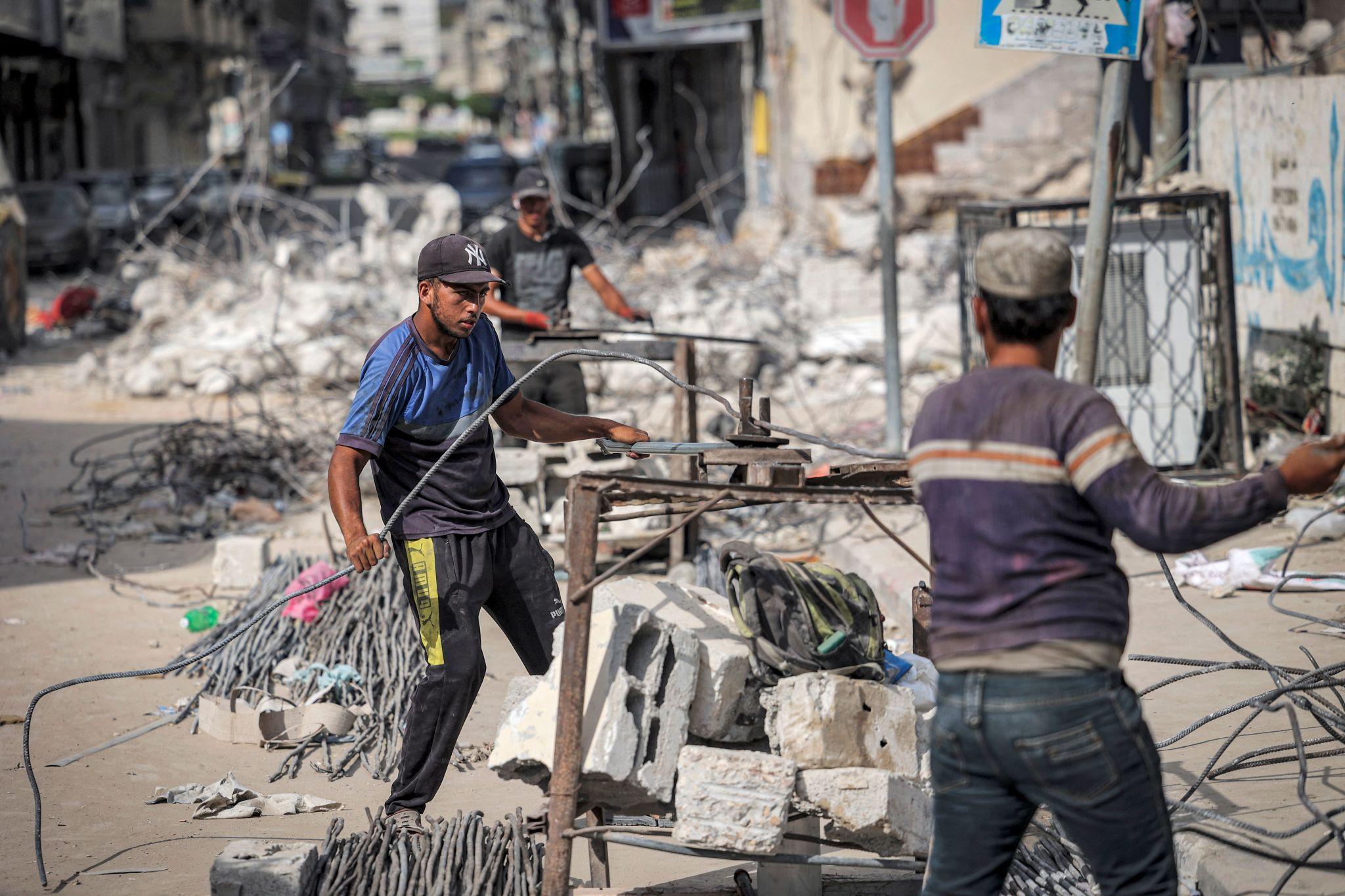
The humanitarian dimension of regional security tensions also remains significant. Communities affected by conflict often experience disruptions to daily life, economic activity, and public services. International organizations continue emphasizing the importance of protecting civilians and supporting recovery efforts wherever possible.
Foreign governments and multinational institutions are also paying close attention to regional security tensions because of their potential implications for international trade, energy security, and geopolitical stability. Regional developments frequently influence broader discussions regarding global security and economic conditions.
Looking ahead, analysts expect regional security tensions to remain a major factor shaping Middle East affairs throughout 2026. Diplomatic initiatives, security developments, and economic considerations are all likely to influence future policy decisions and regional relationships.
As governments continue evaluating emerging challenges, regional security tensions will remain a central topic for policymakers, investors, and international observers. The combination of strategic importance, economic significance, and geopolitical complexity ensures that regional security tensions will continue shaping discussions about the future of the Middle East.
The ongoing focus on regional security tensions underscores the importance of diplomacy, stability, and cooperation in a region that remains critical to both regional and global affairs.