
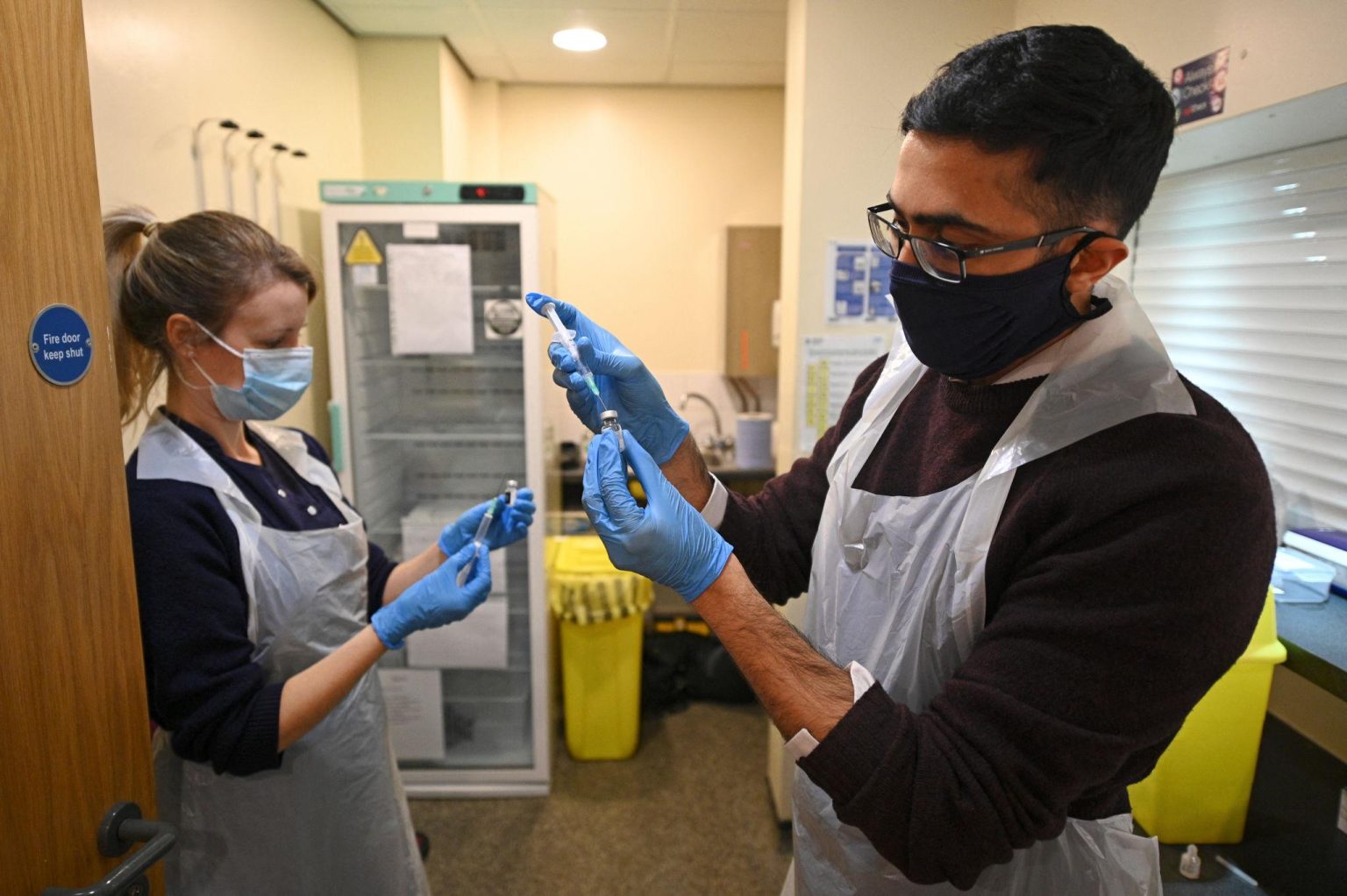
LONDON, United Kingdom, June 12 – Brussels Morning Newspaper — Bacterial meningitis cases have prompted UK health authorities to launch an emergency vaccination initiative following one of the largest recent outbreaks linked to meningococcal group B disease. The move comes as public health officials work to limit further infections and protect vulnerable populations from a disease that can become life-threatening within hours.
The outbreak has renewed attention on meningococcal infections, a serious bacterial illness that can lead to meningitis and bloodstream infections. Although relatively uncommon, the disease remains a significant public health concern because of its rapid progression and potential to cause severe complications, including permanent disability and death.
Health officials announced the one-off vaccination programme after surveillance data showed an unusual increase in infections associated with meningococcal group B bacteria. The targeted campaign is designed to provide additional protection for groups considered to be at elevated risk during the outbreak period.
The decision follows extensive monitoring by public health experts who identified a pattern of cases that exceeded expected levels. Authorities say the vaccination effort is intended to reduce transmission and prevent further serious illness while broader disease-control measures remain in place.
Meningococcal disease is caused by the bacterium Neisseria meningitidis. Many individuals can carry the bacteria without symptoms, but in some cases the infection invades the bloodstream or central nervous system. Symptoms often include fever, severe headache, neck stiffness, vomiting, sensitivity to light, and confusion. Medical professionals continue to stress that early treatment significantly improves outcomes.
A health official involved in the response said,
“Vaccination remains one of the most effective tools available to reduce the risk of severe meningococcal disease and protect communities during outbreaks.”
The National Health Service and local healthcare providers are expected to play a key role in administering vaccines and raising public awareness about symptoms and prevention. Healthcare facilities have been advised to remain vigilant for potential cases and ensure rapid treatment when infections are suspected.
Public health experts note that outbreaks of this scale are uncommon, which is one reason the response has attracted significant attention across the healthcare sector. The vaccination campaign is also accompanied by educational initiatives aimed at helping the public recognise warning signs and seek medical care promptly if symptoms develop.
The latest outbreak has highlighted the continuing importance of vaccination programmes in preventing serious infectious diseases. Officials say ongoing surveillance will be critical in assessing the effectiveness of the response and determining whether additional measures may be necessary in the future.
While health authorities emphasize that the overall risk to the general public remains low, they continue to encourage awareness and caution. The rapid nature of meningococcal infections means that early recognition, immediate medical attention, and preventive vaccination remain the most effective strategies for reducing severe outcomes.
As the vaccination programme expands, public health leaders hope the initiative will help contain the outbreak, protect vulnerable individuals, and prevent additional bacterial meningitis cases across affected communities. The coming months will be closely watched as officials evaluate infection trends and the impact of the campaign on public health outcomes throughout the United Kingdom.