

Washington, D.C. – April 26, 2026 — Brussels Morning Newspaper – US economy inflation strategy is once again at the center of national and global attention as policymakers evaluate how best to control rising prices without slowing economic growth. The evolving approach by the Federal Reserve reflects a delicate balance between tightening monetary policy and maintaining financial stability.
- Inflation Pressures Remain a Key Concern
- Federal Reserve’s Policy Approach
- Political Influence and Economic Strategy
- Market Reaction and Investor Sentiment
- Global Impact of US Inflation Policy
- Risks and Challenges Ahead
- What Experts Are Watching
- Key Takeaways on US Economy Inflation Strategy — Washington 2026
- Key Takeaways on US Economy Inflation Strategy
Recent signals from lawmakers and economic officials suggest that the path forward may include a mix of cautious rate adjustments, targeted interventions, and continued monitoring of key economic indicators.
“The challenge is not just controlling inflation, but doing so without triggering a broader slowdown,”
a senior economic advisor said.
Inflation Pressures Remain a Key Concern
The US economy inflation strategy continues to be shaped by persistent price pressures across multiple sectors, including housing, energy, and consumer goods. While inflation has shown signs of moderation in some areas, it remains above long-term targets.
Economists point to several contributing factors:
- Supply chain disruptions that have not fully normalized
- Ongoing geopolitical tensions affecting energy prices
- Strong consumer demand in certain sectors
- Labor market conditions influencing wage growth
These elements have made it difficult for policymakers to implement a one-size-fits-all solution.
Federal Reserve’s Policy Approach
The Federal Reserve plays a central role in shaping the US economy inflation strategy through interest rate decisions and monetary policy tools. Recent actions suggest a more measured approach, with officials signaling that future moves will depend heavily on incoming data.
Interest rates remain one of the most powerful tools available, but they also carry risks. Higher rates can slow inflation but may also impact borrowing, investment, and overall economic activity.
Political Influence and Economic Strategy
Political leaders are increasingly involved in discussions about the US economy inflation strategy, particularly as inflation directly affects voters and businesses. Lawmakers are balancing economic priorities with political considerations, which can influence policy direction.
Debates in Washington have focused on:
- The pace of interest rate changes
- Fiscal policy measures to support growth
- Regulatory approaches to stabilize key industries
These discussions highlight the complexity of managing inflation in a politically charged environment.

Market Reaction and Investor Sentiment
Financial markets are closely watching developments related to the US economy inflation strategy, with investors adjusting their expectations based on policy signals. Changes in interest rate outlook can influence everything from stock prices to bond yields.
Recent trends indicate:
- Increased volatility in equity markets
- Shifts in bond market dynamics
- Fluctuations in currency values
Investors are particularly sensitive to any indication of future policy moves, making communication from policymakers critical.
Global Impact of US Inflation Policy
The US economy inflation strategy does not operate in isolation. As the world’s largest economy, U.S. policy decisions have significant global implications. Central banks in other countries often adjust their strategies in response to U.S. actions.
This interconnectedness means that changes in U.S. policy can affect:
- Global trade patterns
- Currency exchange rates
- International investment flows
As a result, the strategy being implemented in 2026 is being closely monitored worldwide.
Risks and Challenges Ahead
Despite progress in some areas, the US economy inflation strategy faces several ongoing challenges:
- Balancing inflation control with economic growth
- Managing external shocks from geopolitical events
- Addressing structural issues in key industries
- Maintaining public confidence in economic policy
Each of these factors adds complexity to decision-making and increases the stakes for policymakers.
What Experts Are Watching
Economists and analysts are focusing on several key indicators to assess the effectiveness of the US economy inflation strategy:
- Inflation rate trends over time
- Employment and wage growth data
- Consumer spending patterns
- Business investment activity
These metrics will help determine whether current policies are achieving their intended goals.
Key Takeaways on US Economy Inflation Strategy — Washington 2026
The US economy inflation strategy remains a defining issue for 2026, influencing policy decisions, market behavior, and global economic trends. Policymakers are navigating a complex environment where every decision carries significant consequences.
While progress has been made in addressing inflation, uncertainty remains. The ability to adapt to changing conditions will be critical in shaping the outcome.
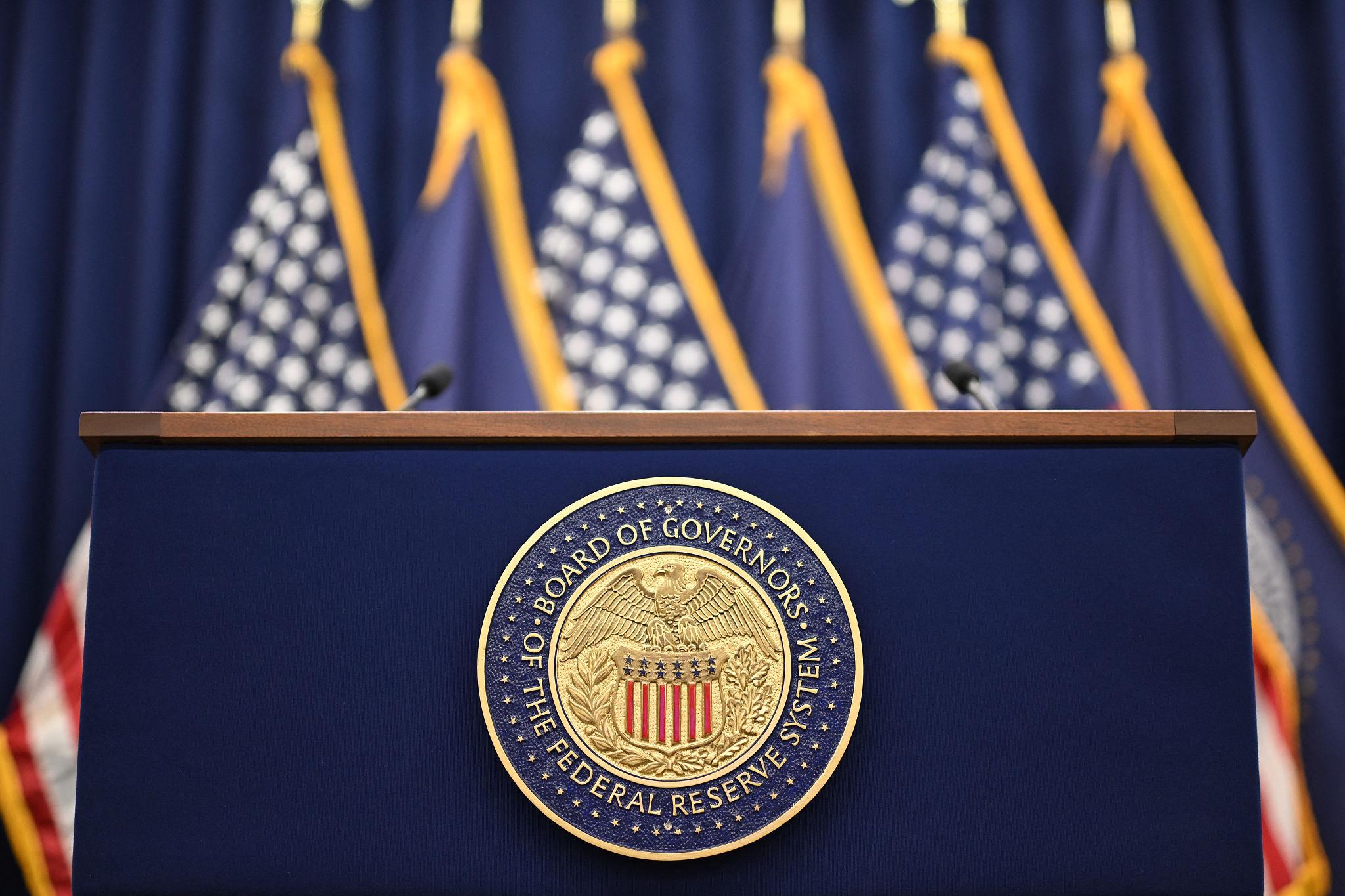
Key Takeaways on US Economy Inflation Strategy
US economy inflation strategy is under intense scrutiny as leaders attempt to control rising prices while supporting economic growth. With markets reacting to every signal and global implications at stake, the decisions made in 2026 will play a crucial role in shaping the economic future. The path forward remains uncertain, but the focus on stability and balance continues to guide policy efforts.