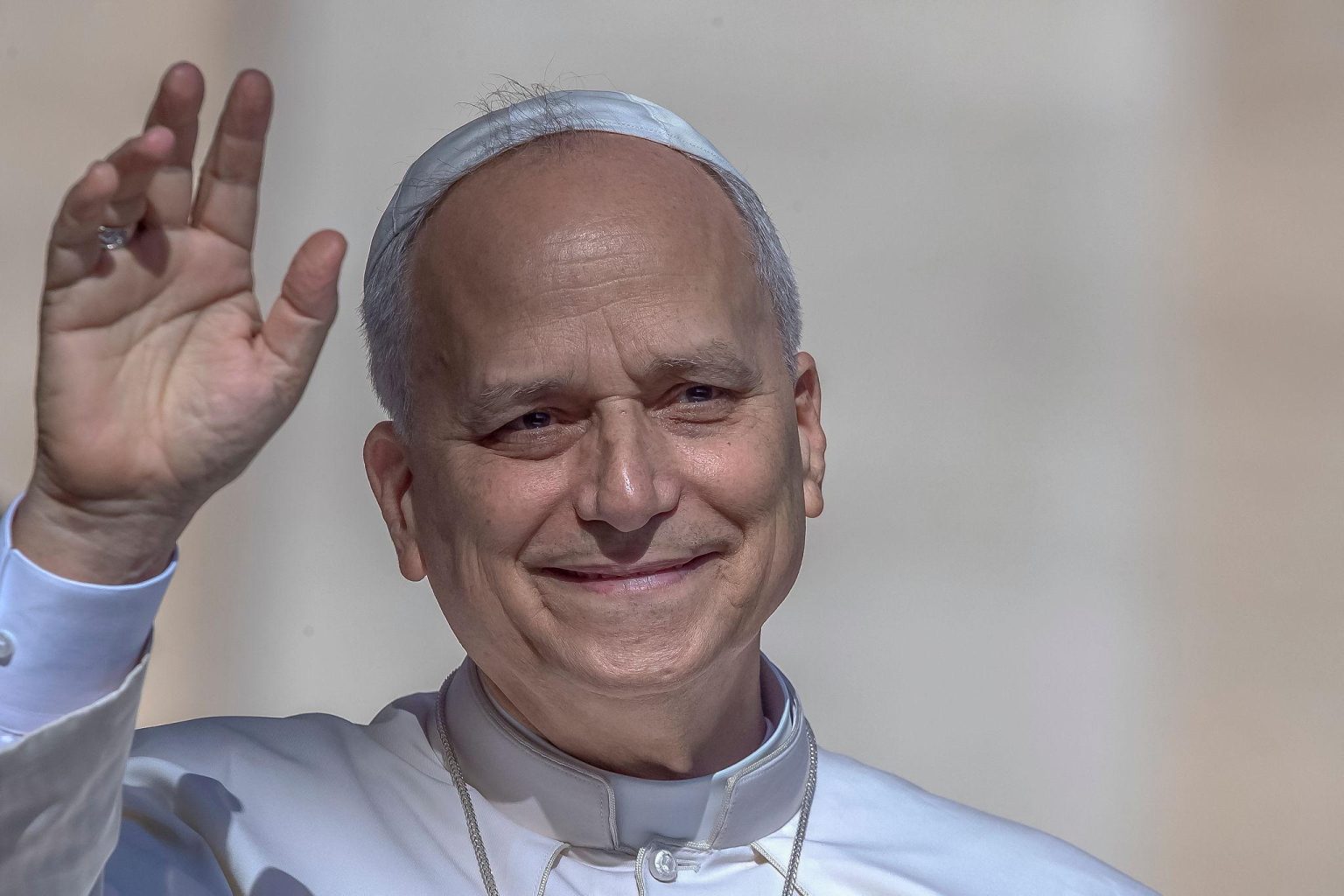
Vatican City, Iran – April 19, 2026 — Brussels Morning Newspaper – Russia Ukraine conflict escalation is once again dominating international headlines in 2026, as Pope Leo issued a strong appeal urging all sides to end hostilities and allow “weapons to fall silent.” Speaking from Vatican City, the pontiff highlighted the growing humanitarian crisis and warned that continued violence risks long-term instability across Europe and beyond.
The renewed Russia Ukraine conflict escalation follows increased military activity in contested regions, sparking fears of prolonged warfare. The Pope’s message underscores the urgency for diplomatic intervention, especially as global tensions continue to rise.
Pope Leo’s Message Resonates Worldwide
In his address, Pope Leo emphasized the moral responsibility of leaders to prioritize human life over military objectives. His call for peace comes at a critical moment, as the Russia Ukraine conflict escalation shows no signs of slowing.
“Human dignity must not be overshadowed by the machinery of war. It is time for weapons to fall silent and for peace to guide our actions,”
Pope Leo declared.
This statement has drawn widespread attention, reinforcing the growing calls for de-escalation and peaceful negotiation.
Rising Military Activity Fuels Russia Ukraine Conflict Escalation
Recent reports indicate a significant increase in combat operations, including airstrikes and intensified ground offensives. The Russia Ukraine conflict escalation has led to heightened concerns about regional security and the potential involvement of additional global powers.
Key developments include:
- Expanded military operations in strategic areas
- Increased deployment of advanced weapon systems
- Escalating rhetoric between opposing sides
- Growing risk of unintended confrontation
These developments highlight the complexity of the Russia Ukraine conflict escalation and the challenges involved in finding a resolution.
Humanitarian Crisis Deepens Across Affected Regions
The Russia Ukraine conflict escalation continues to take a heavy toll on civilians, with millions facing displacement and limited access to essential services. Humanitarian organizations report worsening conditions as the conflict drags on.
Major concerns include:
- Rising numbers of refugees and internally displaced persons
- Severe shortages of food, water, and medical supplies
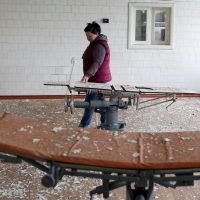
- Damage to infrastructure, including hospitals and schools
- Increased vulnerability during harsh weather conditions
The Pope’s appeal reflects the urgent need to address these humanitarian challenges and prevent further suffering.
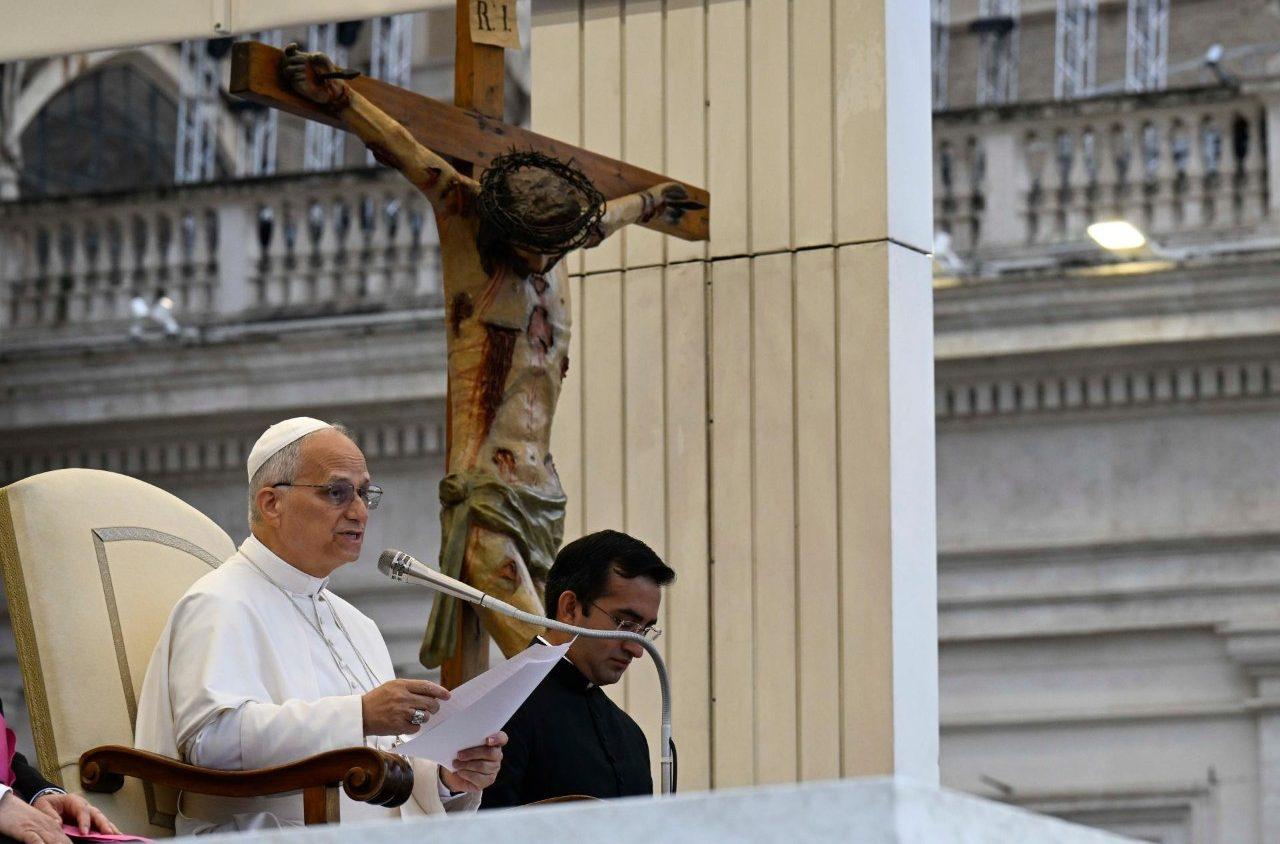
Diplomatic Efforts Face Significant Obstacles
Despite ongoing attempts at negotiation, the Russia Ukraine conflict escalation has complicated diplomatic efforts. Talks between involved parties remain fragile, with limited progress toward a ceasefire.
Challenges include:
- Deep-rooted political disagreements
- Competing territorial claims
- External geopolitical influences
- Continued military actions undermining trust
While some leaders remain hopeful about potential breakthroughs, the overall outlook remains uncertain.
Global Reactions Highlight Growing Pressure
Pope Leo’s call for peace has prompted reactions from leaders worldwide. Many have expressed support for diplomatic solutions, though concrete actions remain limited as the Russia Ukraine conflict escalation continues.
International organizations have also reiterated the importance of dialogue and cooperation to prevent further escalation.
Economic Impact Expands Beyond the Conflict Zone
The Russia Ukraine conflict escalation is affecting global markets, contributing to economic uncertainty and volatility. Key impacts include:
- Fluctuations in energy prices
- Disruptions to global supply chains
- Rising inflation in multiple regions
- Increased defense spending
These economic consequences demonstrate how the conflict’s effects extend far beyond its immediate geographic boundaries.
Public Sentiment Shifts as War Continues
As the Russia Ukraine conflict escalation persists, public opinion in many countries is evolving. While initial responses focused on support and solidarity, prolonged conflict has led to increasing fatigue among populations.
Many citizens are now calling for:
- Immediate ceasefire agreements
- Greater emphasis on diplomacy
- Increased humanitarian assistance
- Transparent communication from leaders
This shift in sentiment may influence future policy decisions and international strategies.
The Role of Moral Leadership in Global Conflict
Pope Leo’s intervention highlights the importance of moral leadership during times of crisis. While political negotiations are essential, moral appeals can shape public perception and encourage action.
The Russia Ukraine conflict escalation presents a complex challenge, but calls for peace remain a crucial component of efforts to resolve the crisis.
What Lies Ahead Amid Russia Ukraine Conflict Escalation
The future of the Russia Ukraine conflict escalation depends on several key factors:
- Willingness of parties to engage in meaningful negotiations
- Effectiveness of international mediation
- Pressure from global public opinion
- Economic and political considerations
While uncertainty remains, the need for a peaceful resolution is increasingly urgent.
A Defining Moment for Peace
Russia Ukraine conflict escalation has reached a critical stage, drawing widespread concern from global leaders and institutions. Pope Leo’s call for weapons to fall silent reflects a broader desire for peace amid ongoing violence.
As diplomatic efforts continue, the international community faces a defining moment—one that will shape not only the future of Ukraine but also global stability.