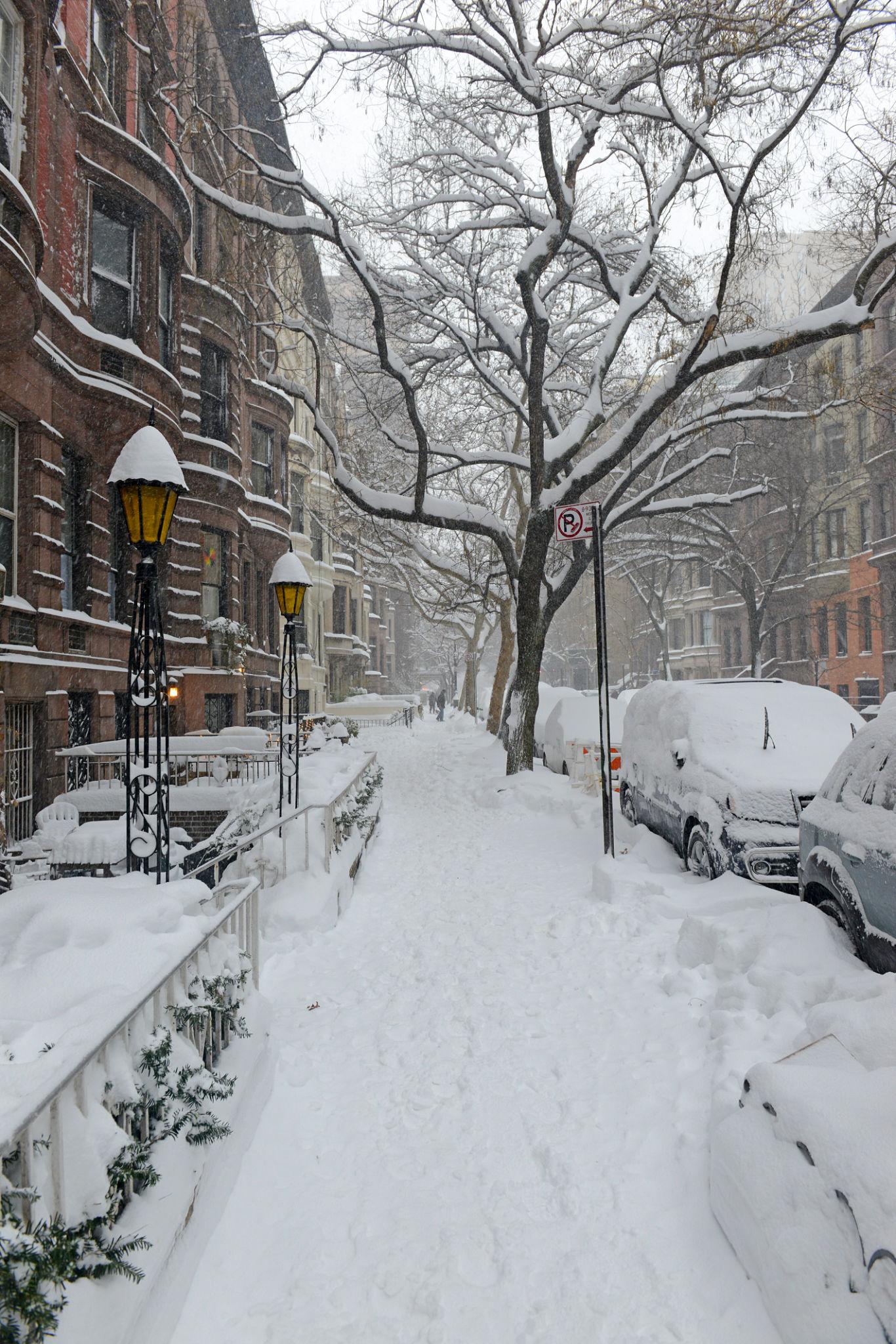
The US Northeast winter storm 2026 brought heavy snowfall and ice to New York and Boston.
Schools closed, flights were canceled, and highways became hazardous during peak commute.
Emergency crews remain active as recovery efforts continue across the region.
New York, United States – February 23, 2026 – Brussels Morning Newspaper – The US Northeast winter storm intensified overnight across New York and Boston, bringing heavy snowfall, icy highways, and widespread transportation delays that disrupted daily life for millions. Authorities activated emergency operations as conditions worsened during peak commuting hours, prompting school closures and flight cancellations throughout the region.
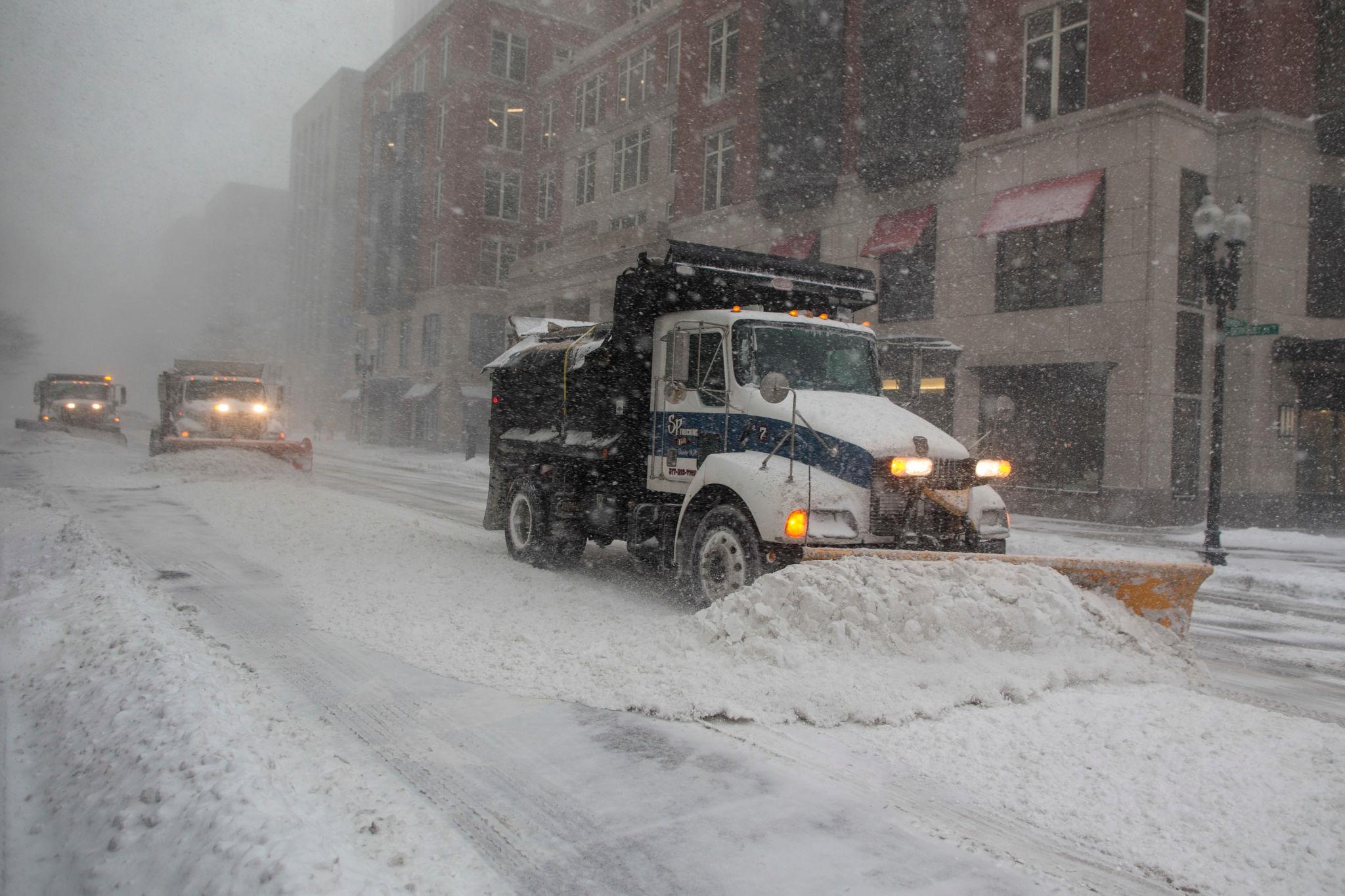
Officials confirmed that the system strengthened rapidly along the Atlantic corridor before pushing inland. Snowfall rates increased before dawn, creating hazardous travel conditions and forcing municipalities to deploy plows and salt trucks at full capacity.
Rapid Intensification Across the Atlantic Corridor
Meteorologists explained that the US Northeast winter storm developed as Arctic air collided with a moisture rich coastal low pressure system. This combination created sustained snowfall across major metropolitan areas from Pennsylvania through Massachusetts. Accumulations ranged between 8 and 16 inches in heavily affected zones, with localized higher totals reported in suburban communities.
Wind gusts exceeding 30 miles per hour reduced visibility and caused drifting snow along exposed highways. Coastal neighborhoods experienced periods of sleet and freezing rain, increasing concerns about ice accumulation on power lines and elevated roadways.
Forecasters had warned of the system’s potential, but the timing during early morning travel hours amplified its immediate impact on public safety and infrastructure.
School Districts and Universities Activate Closures
Hundreds of public school systems announced closures or remote learning transitions before sunrise. Administrators cited untreated residential roads and limited visibility as primary reasons for suspending in person instruction.
Parents received automated alerts confirming cancellations, while teachers prepared virtual assignments to minimize academic disruption. Universities across the Northeast shifted lectures online and restricted campus operations.
The US Northeast winter storm affected not only classroom instruction but also athletic events, extracurricular programs, and after school services. Community centers and public libraries either closed or operated on limited schedules due to safety concerns.
Air Travel and Rail Systems Face Major Disruption
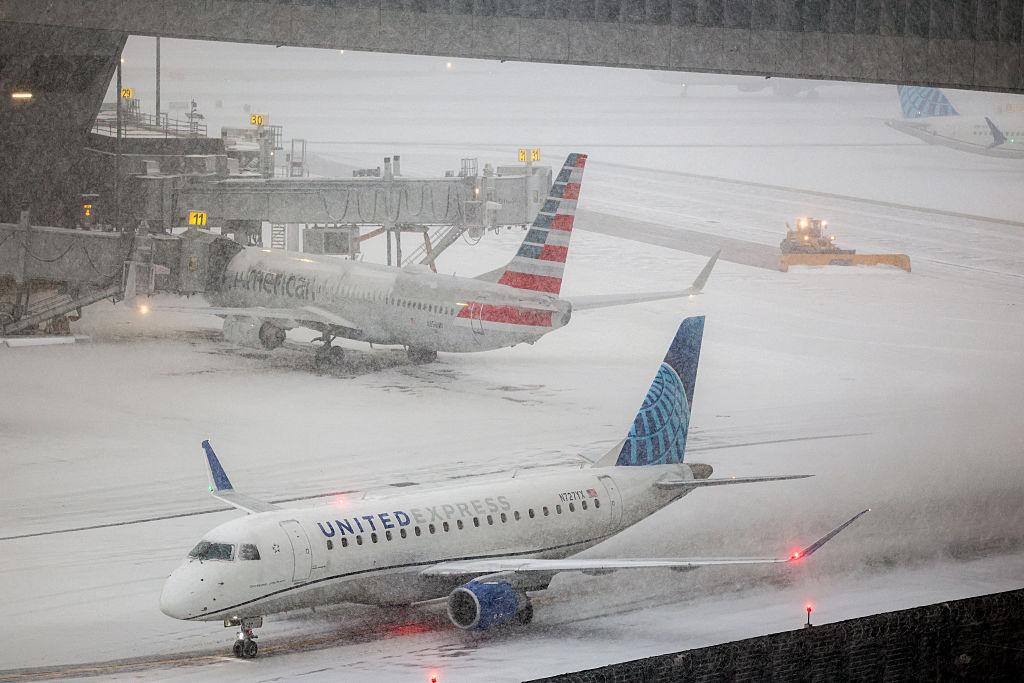
Airports in New York and Boston experienced widespread delays as runway clearing operations struggled to keep pace with steady snowfall. Airlines issued travel advisories urging passengers to monitor flight updates before arriving at terminals.
Rail services reported reduced speeds due to icy switches and snow covered tracks. Some commuter lines were temporarily suspended while crews worked to maintain safe operations.
Highway patrol officers responded to multiple minor accidents during early morning hours, particularly in areas where black ice formed beneath fresh snow.
“Public safety is our highest priority as we work to restore mobility across the state,”
a transportation official said.
The US Northeast winter storm underscored how quickly regional travel networks can be strained when snowfall intensifies during critical commuting periods.
Emergency Services and Utility Response
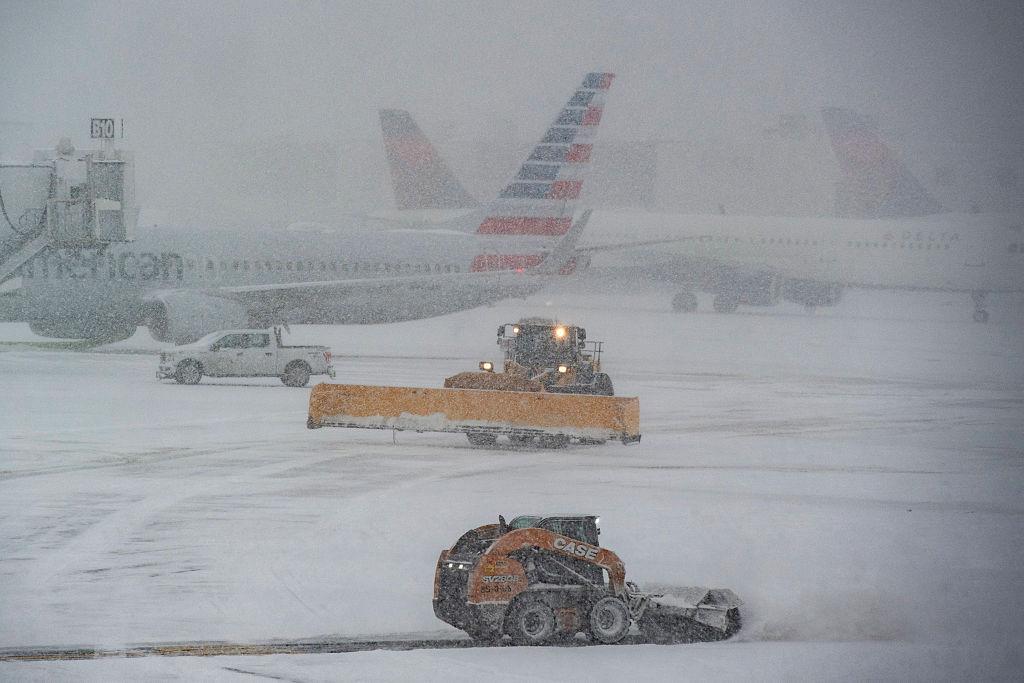
Emergency management teams activated coordination centers as conditions deteriorated. Salt trucks and plows operated continuously across primary highways and emergency routes.
Utility companies pre positioned crews to address potential outages caused by heavy snow weighing on tree branches. While large scale outages were limited in major cities, suburban neighborhoods reported isolated disruptions.
Hospitals prepared for weather related injuries, including slips on icy sidewalks and minor vehicle collisions. Fire departments issued reminders about safe heating practices to prevent carbon monoxide incidents.
The US Northeast winter storm placed sustained pressure on first responders, yet improved communication systems allowed agencies to respond efficiently and share real time updates with residents.
Economic Slowdown and Commercial Impact
Retail districts reported decreased foot traffic as residents remained indoors. Restaurants experienced reservation cancellations, although delivery services saw modest increases in demand.
Construction projects temporarily halted operations due to unsafe conditions. Office attendance declined as remote work options enabled businesses to continue functioning despite travel limitations.
Financial analysts noted that short term economic disruption is common during significant winter events, though recovery often follows swiftly once roads are cleared and flights resume.
The US Northeast winter storm highlighted the growing importance of digital connectivity in maintaining business continuity during extreme weather conditions.
Government Advisories and Public Communication
State officials issued travel advisories urging drivers to remain off roads unless necessary. Law enforcement increased patrol presence along major corridors to assist stranded motorists.
Municipal leaders used digital alert systems and social media platforms to disseminate timely updates regarding road closures and service adjustments.
Residents were encouraged to clear sidewalks responsibly and avoid overexertion while shoveling heavy snow. Authorities emphasized checking on elderly neighbors and maintaining emergency supplies.
The US Northeast winter storm demonstrated the value of proactive communication in minimizing risk and ensuring coordinated response efforts across jurisdictions.
Infrastructure Resilience Under Winter Stress
Urban infrastructure faced significant strain as drainage systems became clogged with slush and ice. Bridges and overpasses required repeated salt applications to prevent refreezing during overnight temperature drops.
Transit authorities deployed additional maintenance teams to manage ice buildup on tracks and overhead systems. Investments in modern snow removal equipment and predictive forecasting technology have improved resilience compared to past decades.
The US Northeast winter storm tested these systems but also revealed progress in preparedness and operational coordination.
Historical Context of Severe Northeast Storms
The US Northeast winter storm of 2026 joins a long history of powerful seasonal systems that have shaped emergency planning in the region. Previous winter events prompted reforms in snow removal logistics, communication strategies, and school closure protocols.
Advancements in meteorological modeling now allow for earlier warnings and more precise snowfall projections. This evolution has enhanced preparedness, though each storm continues to present unique challenges.
Understanding historical patterns helps policymakers refine strategies to manage future winter events effectively.
Community Solidarity Amid Disruption
Neighborhood volunteers assisted elderly residents with snow clearing efforts. Community organizations opened warming centers for individuals seeking shelter from freezing temperatures.
Faith based institutions and nonprofit groups distributed food and essential supplies to vulnerable populations. Social media platforms became hubs for sharing safety information and local updates.
The US Northeast winter storm revealed a strong sense of civic cooperation as residents supported one another during challenging conditions.
Recovery Phase and Outlook
As snowfall diminished by late evening, plowing operations shifted focus to secondary streets and residential neighborhoods. Airlines began rebooking passengers, though residual delays persisted.
Schools announced tentative reopening plans pending road inspections and weather assessments. Officials cautioned that refreezing overnight could create additional hazards.
The US Northeast winter storm is expected to taper fully within 24 hours, yet below freezing temperatures may prolong icy conditions across untreated surfaces.
Authorities continue monitoring conditions closely and advise residents to remain vigilant as cleanup efforts progress.
A Defining Winter Moment for 2026
The US Northeast winter storm stands as a defining weather event of the 2026 season, affecting transportation, education, commerce, and public safety across densely populated urban centers.
Despite significant disruption, coordinated emergency response and community resilience minimized severe consequences. The event reinforces the need for preparedness, infrastructure investment, and responsible public behavior during winter extremes.
As skies gradually clear and daily routines resume, the experience serves as a reminder that winter in the Northeast demands vigilance and adaptability.