Washington, February 13, 2026 — Brussels Morning Newspaper — The national debate surrounding US steel tariffs 2026 intensified this week as lawmakers, trade advisers and manufacturing leaders evaluated potential adjustments to long standing import duties shaping America’s industrial framework. Policymakers indicated that a structured reassessment is underway, signaling that trade strategy remains central to economic planning in 2026.
The discussion over US steel tariffs 2026 comes amid a complex global environment marked by inflation pressures, geopolitical shifts and renewed infrastructure investment. With steel and aluminum serving as essential inputs across transportation, defense, construction and energy sectors, tariff decisions carry far reaching economic implications.
Federal officials emphasized that any recalibration of US steel tariffs 2026 will aim to protect national security interests while supporting broader industrial competitiveness.
Trade Policy Review Moves Forward
The review process includes consultations with steel producers, downstream manufacturers, labor unions and international trade partners. While no immediate executive order has been issued, industry stakeholders expect incremental refinements rather than sweeping reversals.
The framework governing US steel tariffs 2026 originates from national security authorities invoked to preserve domestic production capacity. Proponents argue these duties helped stabilize mills and safeguard employment in critical manufacturing regions. Critics maintain that higher import costs have strained businesses reliant on specialized steel grades unavailable domestically.
A senior administration official stated,
“We are focused on protecting American industry while ensuring our manufacturers remain competitive in global markets.”
The statement reflects the balancing act confronting policymakers.
Economic Pressures Across Supply Chains
Steel pricing remains sensitive to global demand, energy costs and currency fluctuations. Construction companies, automotive manufacturers and heavy equipment producers rely heavily on stable raw material expenses.
The renewed scrutiny of US steel tariffs 2026 highlights concerns that elevated duties may amplify cost volatility. Infrastructure projects funded at federal and state levels depend on predictable procurement budgets. Even modest adjustments could influence timelines and capital allocations.
At the same time, domestic steelmakers argue that relaxing US steel tariffs 2026 too quickly could expose American facilities to price undercutting by foreign producers operating under different regulatory regimes.
Economists describe the present moment as one of recalibration rather than abandonment.
Political Divides Shape Debate
Trade policy remains politically sensitive. Representatives from industrial states continue advocating strong safeguards, citing job preservation and community stability. Lawmakers representing manufacturing heavy districts emphasize the need for cost relief.
The debate over US steel tariffs 2026 underscores broader ideological divisions about the role of protectionism in economic strategy. Congressional hearings have featured testimony from business leaders who stress the need for stability and predictability.
Another industry representative remarked,
“Certainty in trade rules allows companies to plan investments years in advance.”
The remarks illustrate how policy clarity directly influences capital planning.
International Trade Implications
Global partners closely monitor changes in US steel tariffs 2026 because tariff adjustments can alter competitive positioning and export volumes. Diplomatic considerations frequently intersect with industrial policy.
Trade specialists suggest that carefully calibrated adjustments may ease certain trade frictions while preserving domestic safeguards. Abrupt shifts, however, could disrupt long term supply agreements.
The global steel market remains interconnected, meaning policy decisions in Washington reverberate across continents.
National Security Considerations
National security arguments were central to the original tariff imposition. Officials asserted that domestic steel production is vital for defense readiness and critical infrastructure resilience.
As policymakers review US steel tariffs 2026, they continue weighing industrial autonomy against economic efficiency. Defense contractors emphasize secure sourcing of specialized steel grades used in military equipment.
Balancing strategic independence with commercial realities remains one of the most complex elements of the debate.
A Historical Perspective on Steel Tariff Strategy
The United States has periodically used tariffs to shield domestic industries during periods of heightened foreign competition. Early twentieth century policies supported rapid industrial expansion. Later trade liberalization efforts reduced barriers as globalization intensified.
The evolution toward US steel tariffs 2026 reflects cyclical patterns in trade governance. When domestic capacity appears threatened, policymakers often revisit protective measures. When cost pressures mount, calls for recalibration grow louder.
Historical precedent suggests that tariff policy rarely remains static. Instead, it adapts to shifting economic and geopolitical conditions.
Manufacturing Employment and Regional Impact
Steel manufacturing supports thousands of workers across the Midwest and southern states. Labor organizations have consistently defended tariff protections as tools for job stability.
The review of US steel tariffs 2026 therefore carries social as well as economic implications. Communities dependent on steel production view tariff adjustments through the lens of long term employment security.
Research findings remain mixed. Some analyses show job stabilization in primary steel sectors, while others highlight higher costs for industries employing larger downstream workforces.
Regional economic health continues to shape the political narrative.
Infrastructure and Investment Planning
Massive infrastructure modernization programs underway nationwide depend heavily on steel. Bridges, railways and renewable energy projects require consistent supply at predictable prices.
The outcome of discussions surrounding US steel tariffs 2026 could influence federal procurement strategies and private sector investment decisions.
Financial analysts emphasize that transparency in policy direction reduces uncertainty and supports sustainable capital deployment.
Market Reaction and Investor Outlook
Equity markets have responded cautiously to signals from Washington. Investors recognize that trade policy decisions influence commodity prices and corporate earnings.
The continued attention on US steel tariffs 2026 has prompted moderate volatility in steel producer shares and construction sector stocks. Market participants anticipate phased announcements rather than sudden policy shifts.
Long term investors remain focused on structural demand driven by infrastructure expansion and technological development.
Strategic Path Forward
As deliberations continue, policymakers face competing objectives. Preserving domestic production capacity aligns with national security priorities. Reducing cost burdens supports broader economic competitiveness.
The future of US steel tariffs 2026 will likely reflect compromise rather than extreme repositioning. Analysts expect targeted modifications designed to protect core industries while alleviating pressure on downstream sectors.
In a global economy defined by interdependence and rapid transformation, trade governance demands precision.
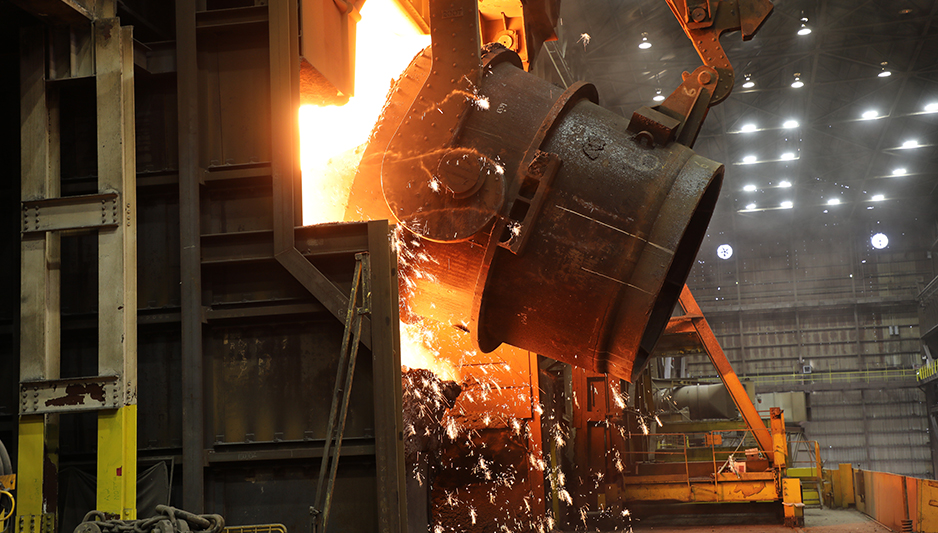
The 2026 Industrial Crossroads
The unfolding debate marks a defining moment in American trade strategy. US steel tariffs 2026 symbolize broader tensions between protectionism and globalization.
Stakeholders across manufacturing, labor, infrastructure and finance await clarity from Washington. The direction chosen will shape investment patterns, employment stability and international economic relationships for years to come.
Policy decisions made in 2026 will not only determine the trajectory of American steel but also signal how the United States balances resilience with competitiveness in a shifting global landscape.