
Sydney, Australia — February 11, 2026 — Brussels Morning Newspaper — Record heat Southern Hemisphere conditions are intensifying across Australia, South America and parts of southern Africa as 2026 begins with historic temperature highs and widespread wildfire emergencies. Meteorological authorities confirmed that multiple regions have recorded some of their warmest January readings on record, triggering public health alerts, emergency evacuations and urgent climate discussions.
Government agencies across affected countries remain on high alert as firefighters confront fast moving blazes fueled by prolonged drought and dry vegetation. Health officials are advising residents to limit outdoor activity while power grids face surging demand from cooling systems.
Scientists say the opening weeks of 2026 illustrate how extreme seasonal weather patterns are becoming more volatile, placing pressure on infrastructure, economies and vulnerable populations.

Australia Confronts Escalating Fire Weather
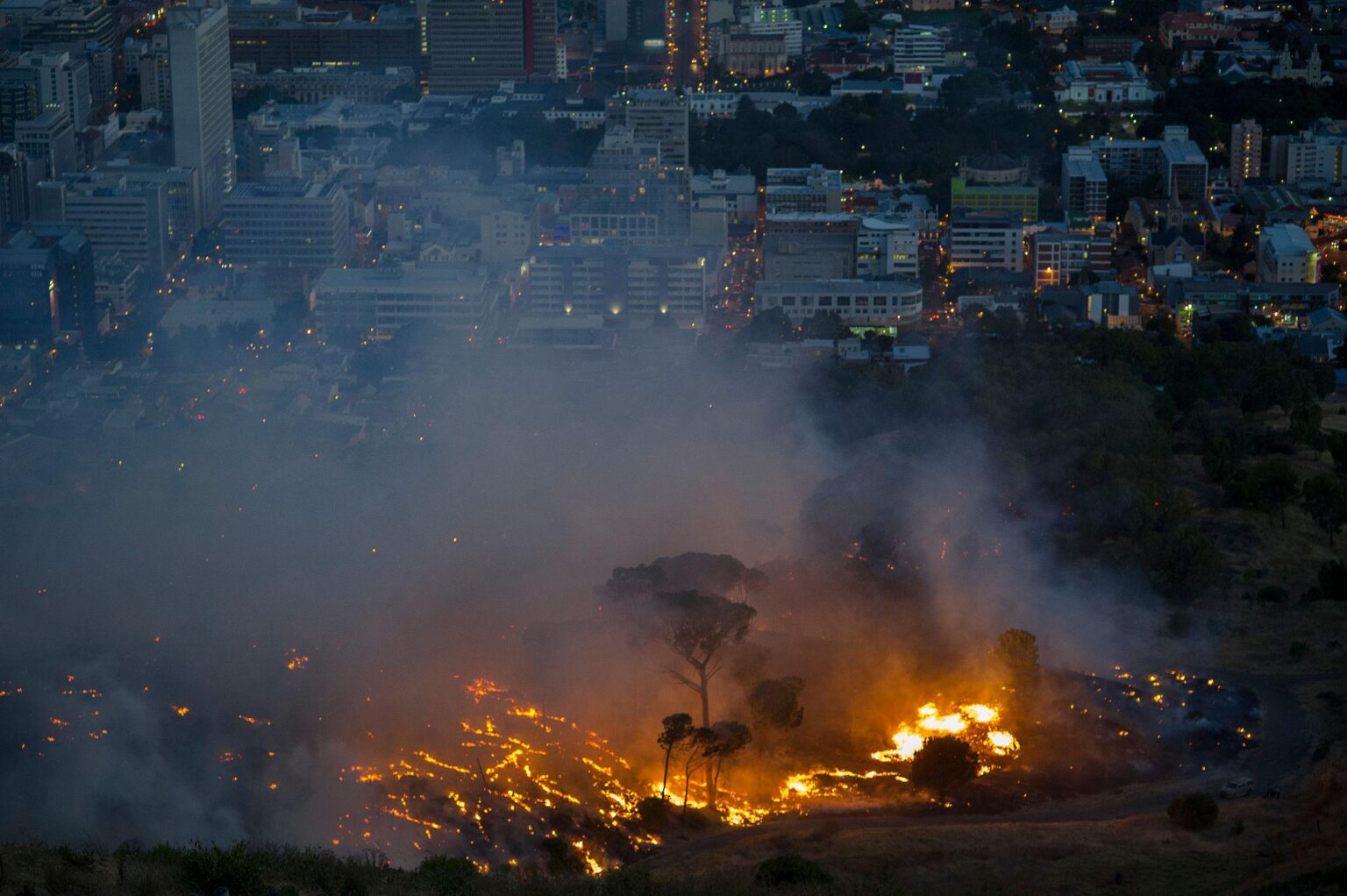
Australia has emerged as one of the most impacted regions amid record heat Southern Hemisphere extremes. Temperatures across New South Wales and Victoria have exceeded 45 degrees Celsius in several inland areas, forcing authorities to issue total fire bans.
Emergency services confirmed multiple bushfires burning simultaneously across rural districts. High winds and critically dry landscapes have accelerated the spread of flames, complicating containment efforts.
Sydney experienced consecutive days of elevated temperatures, straining hospitals and increasing cases of dehydration and respiratory complications. Public cooling centers were opened in response to growing health risks.
A senior emergency coordinator stated,
“The scale and intensity of these heat conditions are testing every aspect of our preparedness, from firefighting resources to public health systems.”
Energy providers also warned of record electricity demand as households relied heavily on air conditioning. Infrastructure resilience has become a central focus as climate extremes grow more frequent.
South America Registers Historic Temperature Highs
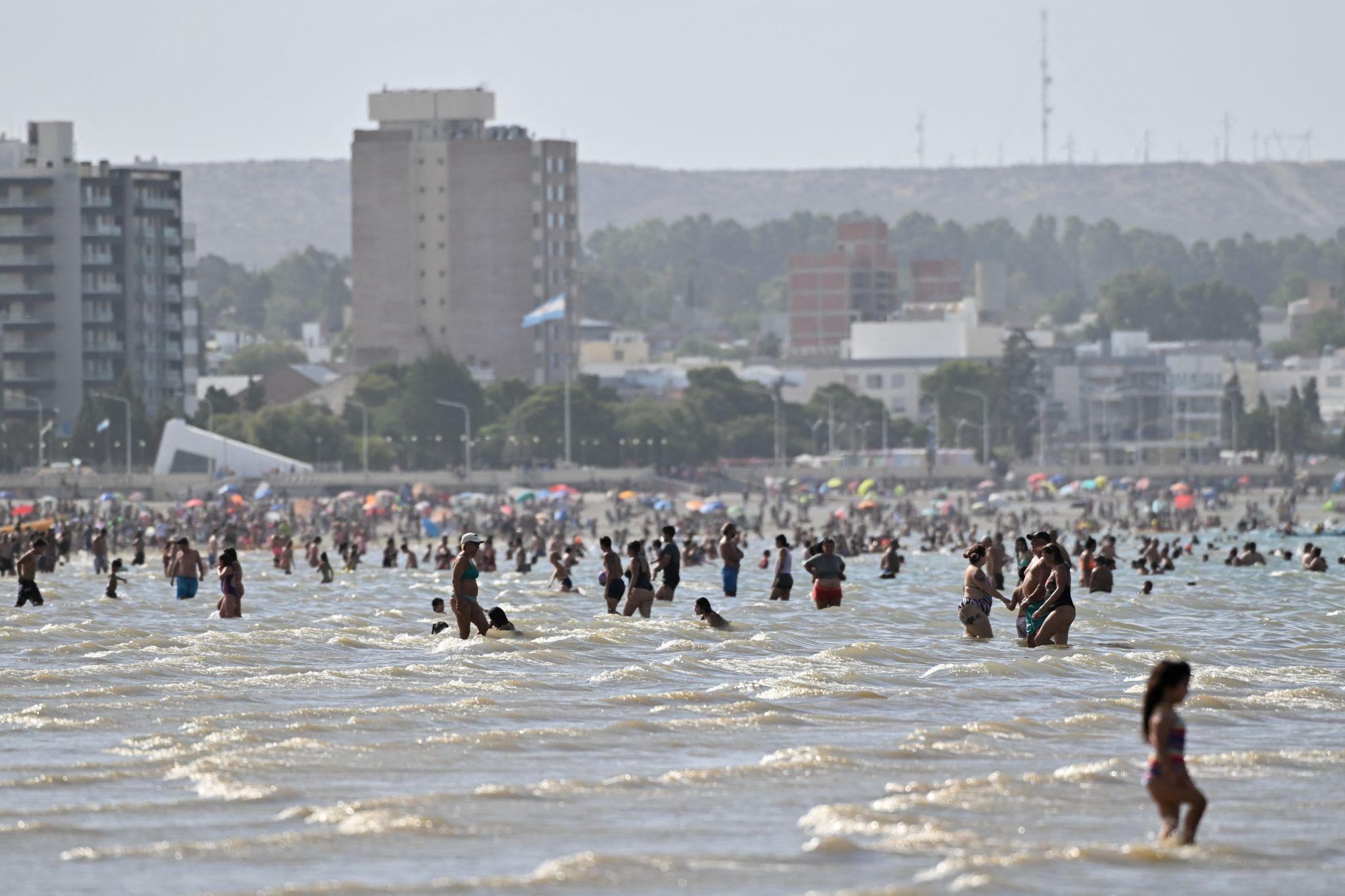
Across Argentina and Chile, record heat Southern Hemisphere patterns have driven thermometers to unprecedented levels. National weather agencies confirmed temperature anomalies well above seasonal averages in multiple provinces.
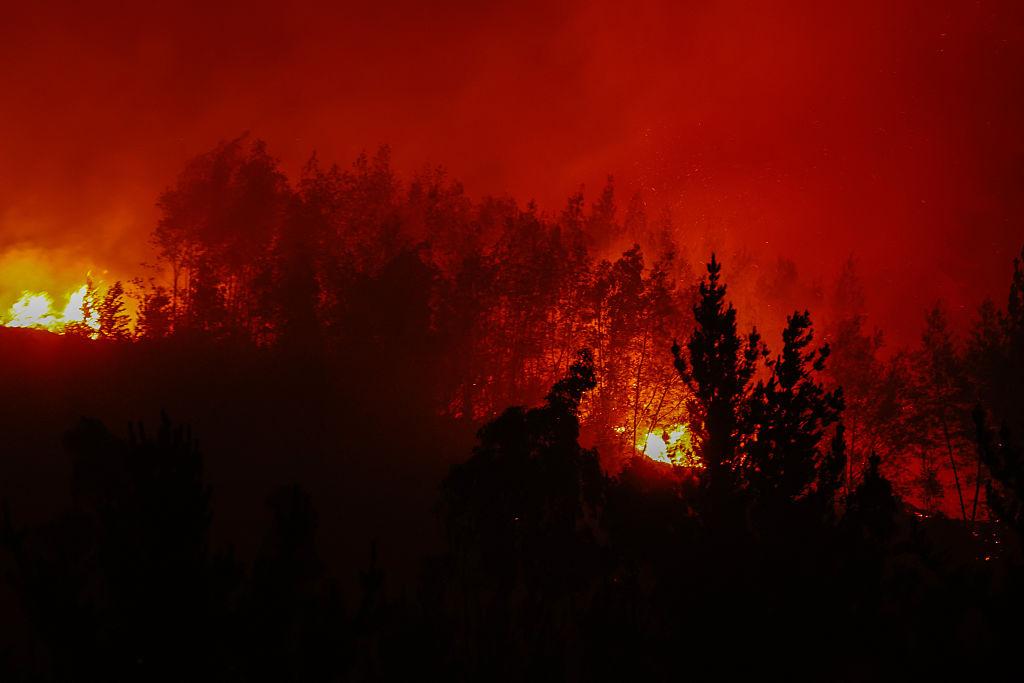
Southern Chile reported expanding forest fires in drought affected areas, with smoke drifting toward residential zones. Authorities temporarily closed schools and public parks as a precaution.
Farmers across Argentina expressed concern about irrigation shortages and crop stress. Extended heatwaves have disrupted agricultural productivity and increased livestock vulnerability.
Buenos Aires recorded unusually high nighttime temperatures, reducing relief for residents and raising health risks for elderly populations.
A climate analyst in Santiago noted,
“What we are observing this summer is consistent with long term warming trends that are amplifying natural weather variability.”
Southern Africa Faces Prolonged Drought
Southern Africa is also experiencing the effects of record heat Southern Hemisphere developments. Inland provinces of South Africa reported sustained daytime highs combined with limited rainfall.
Water reservoir levels have declined, prompting conservation advisories. Authorities warned that ongoing drought conditions heighten wildfire risks near rural communities and protected landscapes.
Agricultural experts are monitoring soil moisture deficits and forecasting potential impacts on seasonal harvests. Rural economies that depend on predictable rainfall patterns face mounting uncertainty.
Emergency response teams remain prepared for potential fire outbreaks as weather systems continue to deliver hot and dry air masses across the region.
Meteorological Factors Behind the Surge
Scientists analyzing record heat Southern Hemisphere data attribute the 2026 escalation to persistent high pressure systems that trap warm air over large areas. These atmospheric blocking patterns reduce cloud formation and intensify surface heating.
Above average sea surface temperatures surrounding affected continents are also contributing to warmer air circulation.
Climate researchers emphasize that global warming magnifies these natural cycles. As greenhouse gas concentrations increase, baseline temperatures rise, making extreme heat events more likely and more severe.
The link between sustained heatwaves and wildfire ignition is well established. Dry vegetation becomes highly combustible, allowing even small sparks to ignite fast spreading fires.
Public Health Systems Under Pressure
Healthcare systems across impacted countries are responding to increased patient admissions linked to heat exhaustion, dehydration and smoke exposure.
Authorities launched awareness campaigns urging residents to stay hydrated, avoid strenuous outdoor activity and monitor vulnerable individuals.
Hospitals in urban centers implemented emergency protocols to manage rising demand. Medical professionals warn that consecutive days of extreme heat can significantly elevate mortality risks.
Public health officials emphasize that long term adaptation strategies must accompany emergency response measures.
Economic Consequences Expand Across Regions
The financial impact of record heat Southern Hemisphere conditions is becoming increasingly visible. Agricultural losses from crop damage and livestock stress are expected to affect export revenues.
Insurance providers anticipate a rise in claims related to wildfire destruction and heat damaged infrastructure.
Tourism industries in fire affected regions have reported booking cancellations, particularly in areas known for outdoor attractions.
Energy systems have been pushed to peak demand levels, raising concerns about potential blackouts during prolonged heatwaves.
Infrastructure including roads and rail networks can deteriorate under sustained high temperatures, requiring costly maintenance and monitoring.
Environmental Damage and Biodiversity Risks
Environmental experts warn that record heat Southern Hemisphere extremes carry long term ecological consequences. Forest ecosystems suffer habitat fragmentation, placing wildlife populations at risk.
Wildfires release significant carbon emissions, contributing to further atmospheric warming. Scientists caution that repeated burn cycles weaken regeneration capacity and alter soil composition.
Marine environments may also be indirectly affected as coastal temperature changes influence ocean ecosystems.
Conservation organizations are advocating for expanded reforestation programs and improved land management policies to reduce fuel loads.
Historical Context of Southern Hemisphere Heat Trends
Historical climate records indicate that extreme heat events in the Southern Hemisphere have become more frequent over recent decades. While heatwaves occurred in the past, the scale and geographic spread observed in 2026 distinguish this period from earlier episodes.
Long term data from Australia and South America show a consistent upward trend in average temperatures. Scientists argue that the current acceleration aligns with global warming projections issued by climate research institutions.
This historical perspective underscores the growing urgency of mitigation strategies and international cooperation to address environmental instability.
International Climate Policy Implications
The escalation of record heat Southern Hemisphere conditions has renewed global discussions about emission reduction targets and renewable energy investments.
International organizations emphasize the need for climate adaptation funding to support regions facing repeated seasonal disasters.
Policymakers are reviewing fire management frameworks and infrastructure resilience plans to strengthen preparedness.
Global climate negotiations continue to focus on balancing economic development with sustainability commitments.
Community Resilience and Adaptation Efforts
Local governments are intensifying fire prevention campaigns and promoting responsible land management practices.
Urban planners are incorporating heat resistant materials and expanding green spaces to reduce urban heat island effects.
Educational outreach initiatives encourage households to develop emergency plans and remain informed about weather alerts.
Community level preparedness is increasingly recognized as a key defense against escalating climate threats.
A Defining Climate Moment in 2026
As January progresses, record heat Southern Hemisphere developments continue to shape environmental and political discussions worldwide. The cross continental scale of the crisis highlights the interconnected nature of global climate systems.
Experts warn that without decisive mitigation efforts, extreme heat events may intensify further in coming years.
Governments across affected regions are reassessing long term climate strategies, disaster response capacity and environmental policies.
The opening weeks of 2026 may ultimately stand as a defining moment in global climate awareness, reinforcing the need for coordinated action to protect communities and ecosystems.