
Toronto, Canada, February 11, 2026 — Brussels Morning Newspaper — A devastating Canada school attack has left ten people dead and several others injured after a gunman opened fire inside a Toronto high school during morning classes. The tragedy has shaken the nation, prompting an intensive police investigation and renewed debate over school safety measures across the country.
Authorities confirmed that emergency calls began shortly after 9 a.m. local time. Within minutes, police units, paramedics, and fire crews arrived at the scene. Students were placed under lockdown before being evacuated in coordinated waves as officers secured the building.
Officials described the Canada school attack as one of the most severe incidents of school violence in modern Canadian history.
Chronology of Events Inside the School
Investigators have pieced together a preliminary timeline of how the Canada school attack unfolded. According to law enforcement officials, the suspect entered the premises during active class hours. Gunfire erupted in a hallway near administrative offices, causing immediate panic among students and staff.
Teachers quickly initiated emergency protocols. Classroom doors were barricaded while students sheltered in place. Police officers entered the building within minutes of the first alert and confronted the suspect. Authorities confirmed that the individual was taken into custody at the scene.
Security footage and witness accounts are now central to understanding the sequence of events surrounding the Canada school attack. Forensic teams continue to examine ballistic evidence and digital devices recovered during the operation.
Victims Confirmed and Medical Response
Toronto health officials confirmed that ten victims lost their lives in the Canada school attack, including students and faculty members. Several others remain hospitalized, some in critical condition.
Hospitals across the city activated mass casualty protocols. Trauma specialists worked through the day to stabilize the injured. Families gathered outside emergency departments awaiting updates on loved ones.
Toronto Mayor Olivia Grant stated,
“Our city is grieving. We stand united in support of every family affected by this heartbreaking tragedy.”
Counseling centers have been established at nearby schools and community facilities. Mental health professionals are offering immediate and long term assistance to students impacted by the Canada school attack.
Law Enforcement and Federal Involvement
The Toronto Police Service confirmed that the firearm used during the Canada school attack has been recovered and is undergoing forensic testing. Authorities are also reviewing the suspect’s background, online activity, and potential warning signs that may have preceded the violence.
Federal agencies are supporting the local investigation to ensure transparency and thorough analysis. Officials stressed that while Canada enforces strict firearm regulations, isolated acts of violence can still occur.
Police Chief Daniel Mercer told journalists,
“We are committed to uncovering every detail of what led to this tragedy and ensuring accountability under the law.”
Investigators continue interviewing witnesses and analyzing surveillance footage connected to the Canada school attack.
National Reaction and Political Response
Political leaders across Canada responded swiftly to the Canada school attack, offering condolences and pledging support. Flags were lowered to half mast in multiple provinces as a sign of national mourning.
The Prime Minister addressed Canadians during a televised statement, emphasizing unity and compassion. He noted that schools must remain safe spaces dedicated to learning and growth.
Community leaders, educators, and advocacy groups have renewed calls for enhanced prevention strategies following the Canada school attack. Discussions now focus on strengthening mental health resources, refining threat assessment programs, and reinforcing campus security measures.
Community Vigil and Public Mourning
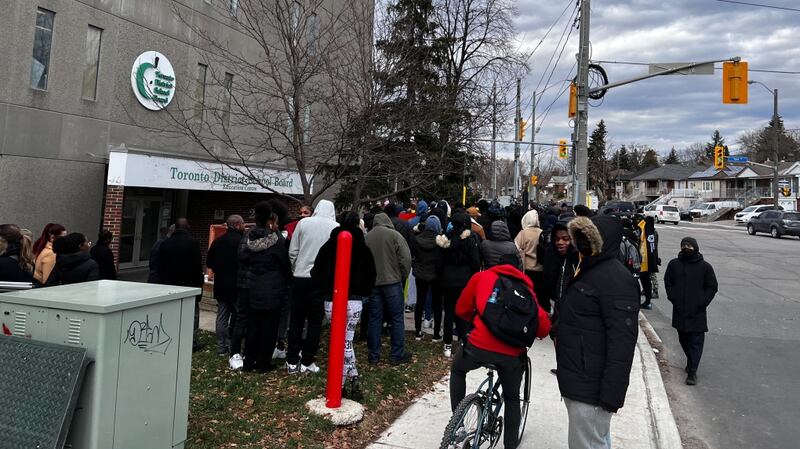
As evening fell over Toronto, thousands gathered outside the school grounds for a candlelight vigil. Flowers, handwritten notes, and photographs lined the sidewalks in tribute to the victims of the Canada school attack.
Faith leaders offered prayers while classmates embraced in silence. Parents stood together in solidarity, expressing sorrow and determination to support one another.
One grieving parent shared,
“We send our children to school believing they are safe. Today that trust has been broken, but our community will rebuild stronger than before.”
The vigil reflected both heartbreak and resilience following the Canada school attack, underscoring the deep bonds within the Toronto community.
Education System Impact and Recovery Plans
School officials announced temporary closures to allow time for grieving and infrastructure assessment. A phased reopening plan is under development, including increased security presence and expanded counseling services.
Education experts warn that recovery after a traumatic event such as the Canada school attack requires sustained psychological and social support. Administrators are coordinating with mental health professionals to implement long term strategies for healing.
Parents have called for transparent communication regarding safety upgrades and preventative measures. School boards across Ontario are reviewing existing emergency procedures in light of the Canada school attack.
Historical Context of School Violence in Canada
Although Canada experiences significantly fewer school shootings compared to some other nations, rare but devastating incidents have occurred over past decades. The Canada school attack in Toronto stands among the most severe cases in recent history.
Historically, policymakers have responded to such tragedies with legislative reviews and expanded safety initiatives. Experts believe that examining patterns and past responses can guide improvements aimed at prevention.
The broader historical context highlights that while school violence remains uncommon, each occurrence leaves a lasting impact on national consciousness. The 2026 Canada school attack may influence future debates on youth mental health, community intervention, and public safety policy.
Policy Debate and Preventative Strategies
In the aftermath of the Canada school attack, discussions are intensifying around early intervention programs. Specialists advocate for stronger communication channels between families, educators, and authorities to identify behavioral warning signs.
Proposals under consideration include:
- Enhanced mental health screening programs
- Increased funding for school counselors
- Advanced training for staff on crisis response
- Improved anonymous reporting systems
Policy analysts argue that prevention depends on coordinated efforts across multiple sectors. The Canada school attack has reignited public awareness about the importance of vigilance and proactive engagement.
National Reflection and the Road Ahead
The emotional aftermath of the Canada school attack continues to unfold as investigators work to determine motive and contributing factors. Canadians across provinces have expressed solidarity with Toronto, emphasizing unity during a period of grief.
Community resilience remains evident through fundraising efforts and volunteer initiatives supporting affected families. Public officials stress that remembrance must be paired with action to reduce the risk of future tragedies.
The 2026 tragedy in Toronto will be remembered as a solemn chapter in Canadian history. As the nation reflects, the focus remains on honoring victims, strengthening protective measures, and fostering environments where students can learn without fear.
A Defining Moment for Canada’s Schools
The Canada school attack has left an indelible mark on Toronto and the country as a whole. While investigations continue, policymakers and educators face critical decisions about safety frameworks and mental health infrastructure.
For grieving families, healing will require time, compassion, and continued community support. For Canada, this moment represents both sorrow and a call to reaffirm the values of safety, unity, and shared responsibility in protecting future generations.