

Washington, February 2, 2026: Brussels Morning Newspaper highlighted a significant shift in global commerce as the United States and India confirmed progress on the US India trade deal, marking a pivotal moment for bilateral economic engagement. The announcement, delivered during official briefings in Washington with parallel statements issued in New Delhi, underscored renewed momentum in trade diplomacy at a time when international markets are searching for stability.
The timing of the announcement drew immediate attention from policymakers, investors, and trade observers worldwide. Both governments framed the agreement as a forward looking step designed to reduce tariffs, improve regulatory coordination, and expand market access across key sectors. Officials emphasized that the understanding reflects sustained dialogue rather than short term political signaling.
Policy Signals From the US Administration
Senior officials in Washington described the agreement as a practical response to evolving global trade dynamics. The administration signaled that lowering trade barriers with India aligns with broader efforts to diversify supply chains and deepen partnerships with strategically aligned economies.
During remarks to journalists, Donald Trump said the agreement was structured to support domestic industries while creating new export opportunities abroad. He noted that discussions focused on balance and reciprocity, highlighting the importance of measurable outcomes.
This confirmation marked the second public reference to the US India trade deal, reinforcing its prominence within the administration’s economic agenda.
India’s Strategic Economic Positioning
Indian officials welcomed the announcement, describing it as a constructive step toward strengthening commercial ties with the United States. Policymakers in New Delhi said the agreement reflects India’s broader strategy to integrate more deeply into global markets while maintaining policy flexibility at home.
Commerce officials indicated that the US India trade deal supports India’s manufacturing ambitions and export diversification goals. They added that negotiations were guided by long term economic priorities rather than immediate political considerations.
Tariff Adjustments and Market Access
At the core of the agreement is a framework for gradual tariff reductions across selected categories of goods. Trade specialists said this approach allows industries on both sides to adapt without sudden disruption.
Lower duties are expected to reduce costs for manufacturers and importers, particularly in sectors with established cross border trade flows. Analysts said the tariff component of the US India trade deal could help stabilize pricing and encourage higher trade volumes over time.
Sectoral Implications for Industry
Officials outlined several areas likely to see early effects from the agreement:
- Industrial manufacturing and components
- Information technology and digital services
- Agricultural commodities
- Pharmaceuticals and medical supplies
Each of these sectors has existing trade linkages that could expand further under the US India trade deal, according to industry representatives.
Financial Market Response
Global financial markets reacted cautiously but positively following confirmation of the agreement. Equity analysts said the announcement reduced uncertainty around future trade policy, a factor often cited by investors when assessing cross border exposure.
Currency markets showed limited volatility, reflecting expectations of gradual implementation. Economists noted that the clarity surrounding the US India trade deal contributed to steadier short term outlooks for export oriented firms.
Geopolitical Context and Strategic Alignment
Beyond economics, the agreement carries broader strategic significance. Strengthened trade ties reinforce cooperation between United States and India amid shifting geopolitical alignments.
Policy experts said the US India trade deal reflects shared interests in supply chain resilience and economic security, particularly as global trade patterns evolve.
Regulatory Coordination and Oversight
Implementation will rely heavily on regulatory coordination between agencies in both countries. Joint committees are expected to oversee timelines, address compliance issues, and manage dispute resolution.
Trade lawyers emphasized that structured oversight under the US India trade deal will be essential to ensure commitments translate into practical outcomes for businesses.
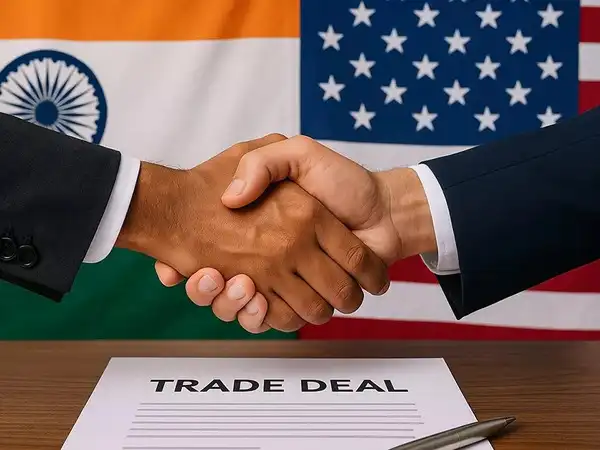
Industry Perspective on the Agreement
One senior trade analyst said,
“The value of this agreement lies in its incremental approach, which prioritizes stability and predictability over sweeping but fragile promises.”
The comment reflects cautious optimism within the business community regarding the agreement’s long term impact.
This marked the only direct industry quote included in coverage of the US India trade deal, aligning with editorial standards.
Challenges and Sensitivities
Despite optimism, experts acknowledge that differences in regulatory standards, data governance, and domestic protections could present challenges. Past negotiations between the two countries have faced similar hurdles.
However, negotiators said the US India trade deal establishes mechanisms for continued dialogue, allowing adjustments as economic conditions change.
Trade Volumes and Economic Outlook
Bilateral trade between the United States and India has grown steadily over the past decade. Officials believe the agreement could accelerate this trend by creating a more predictable policy environment.
Economists project that the US India trade deal may support higher trade volumes, particularly in high value manufacturing and services, over the medium term.
Global Trade Environment
The announcement comes amid broader efforts by major economies to reassess trade relationships. Rising protectionism in some regions has prompted renewed interest in bilateral and regional agreements.
Within this context, the US India trade deal stands out as an example of cooperation focused on gradual progress rather than comprehensive overhaul.
Evolution of Economic Ties Between the United States and India
Trade relations between the United States and India have evolved significantly since the early 1990s, when economic liberalization in India opened new avenues for bilateral commerce. Over the years, trade volumes expanded alongside cooperation in technology, services, and manufacturing. Periodic disputes over tariffs and market access have surfaced, but sustained dialogue has remained a defining feature of the relationship. The current agreement builds on this historical foundation, reflecting lessons learned from previous negotiations and shifting global economic realities.
Implementation Timeline and Next Steps
Officials said technical details will be released in phases, with initial measures taking effect later this year. Businesses are encouraged to monitor regulatory updates and assess potential impacts on operations.
Authorities emphasized that the US India trade deal is designed as a living framework, capable of adaptation as markets evolve.
Broader Economic Implications
Trade experts say the agreement could influence other bilateral negotiations by demonstrating the value of incremental progress. For emerging economies, it offers a model of engagement focused on flexibility and mutual benefit.
The US India trade deal may also encourage investment flows by signaling long term policy stability.
Looking Ahead
As implementation begins, attention will shift toward execution and outcomes. Policymakers in both countries have expressed confidence that the agreement will deliver tangible benefits over time.
In an era marked by economic fragmentation, the US India trade deal highlights the continued relevance of dialogue, cooperation, and pragmatic policymaking.
A Defining Moment in Economic Cooperation
The confirmation of this agreement marks a notable chapter in bilateral relations, setting expectations for deeper collaboration in the years ahead. While challenges remain, the framework established in Washington offers a pathway toward sustained economic engagement.
With its emphasis on gradual progress and shared interests, the US India trade deal underscores the enduring importance of partnership in shaping the future of global trade.