Singapore, February 2, 2026 — Brussels Morning Newspaper — In a decisive move reflecting the rapid transformation of the global space economy, Singapore has positioned itself at the center of Asia’s expanding orbital ecosystem by reinforcing satellite technology Singapore as a national economic priority. The announcement comes as international investment in space-based infrastructure reaches historic highs, driven by demand for earth observation, secure communications, and real-time data services that now underpin global trade, finance, and security.
Government officials confirmed that the strategy integrates policy coordination, research funding, and private-sector participation into a unified national framework. The objective is clear: to ensure that satellite technology Singapore remains competitive, commercially relevant, and globally trusted as space becomes a critical layer of the modern digital economy.
Global Space Economy Enters a New Growth Cycle
The global space economy has moved beyond its exploratory origins into a phase defined by commercialization and scale. Lower launch costs, standardized satellite platforms, and private capital have transformed orbital assets into essential economic tools. Satellite-enabled services now support shipping routes, climate monitoring, disaster response, and telecommunications across continents.
Asia has emerged as one of the fastest-growing regions in this transformation. Against this backdrop, satellite technology Singapore is increasingly viewed by investors as a stable and sophisticated gateway to Asian markets, combining regulatory clarity with advanced digital infrastructure.
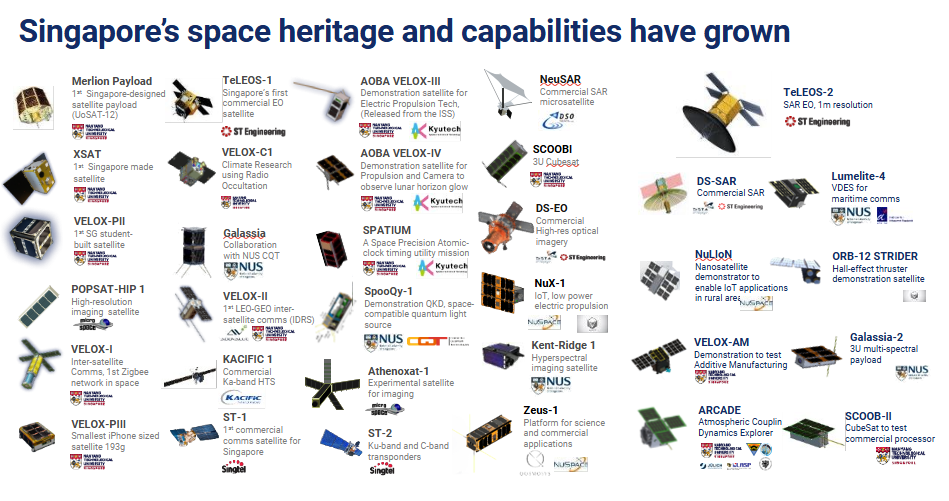
Why Singapore Is Doubling Down on Satellite Capabilities
Singapore’s decision reflects a recognition that space infrastructure is no longer optional for advanced economies. Satellites enable precision navigation, high-speed data transmission, and environmental intelligence that governments and corporations rely on daily.
By strengthening governance and investment incentives, policymakers aim to embed satellite technology Singapore into national development planning. Officials emphasize that the strategy prioritizes practical applications over symbolic achievements, focusing on technologies that deliver immediate economic and societal value.
Institutional Framework and Policy Alignment
Central to the initiative is a streamlined policy architecture designed to reduce friction for innovators while maintaining rigorous oversight. Licensing procedures, spectrum coordination, and compliance standards have been harmonized to provide certainty for domestic and foreign operators.
This regulatory approach positions satellite technology Singapore as an enabler of innovation rather than a bureaucratic barrier. Authorities stress that predictability and transparency are critical for attracting long-term investment in capital-intensive space ventures.
Economic Impact on the National Innovation Ecosystem
Economists project that space-enabled services could contribute billions of dollars to Singapore’s economy over the next decade. Satellite data analytics, downstream applications, and advanced manufacturing are expected to drive high-value job creation and export growth.
Local firms specializing in aerospace engineering, artificial intelligence, and geospatial analytics stand to benefit most. By anchoring these activities domestically, satellite technology Singapore supports broader ambitions to move the economy further up the global value chain.
Private Capital and Market Confidence
Investor response has been cautiously optimistic. Venture capital funds focused on deep technology have highlighted Singapore’s consistent policy environment and strong intellectual property protections as key advantages.
Multinational aerospace companies are also exploring regional partnerships, citing Singapore’s financial connectivity and logistical efficiency. These factors reinforce confidence in satellite technology Singapore as a credible long-term platform for expansion across Asia.
Technology Priorities and Commercial Applications
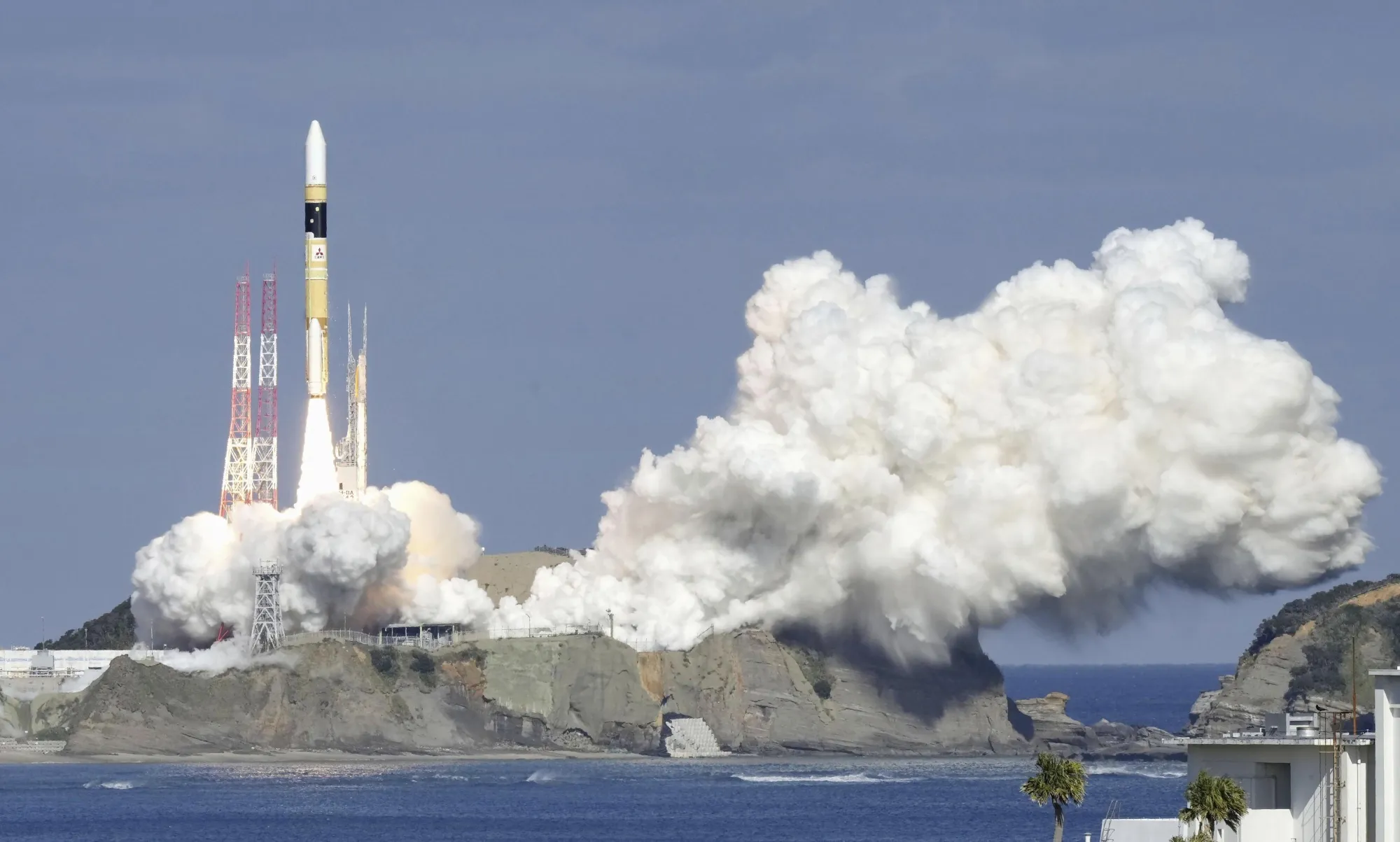
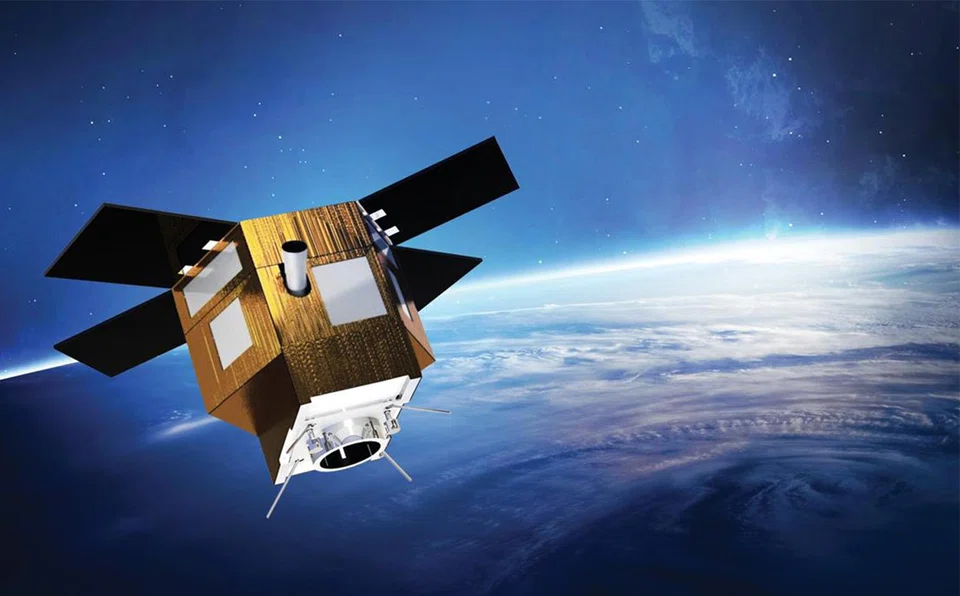
Rather than competing in launch capacity, Singapore has chosen to specialize in satellite applications and services. Priority areas include earth observation for climate resilience, maritime tracking, and urban planning, as well as secure communications for financial and governmental use.
Advanced analytics and artificial intelligence are integral to this strategy. By maximizing the value extracted from satellite data, satellite technology Singapore aligns national research efforts with commercial demand.
Education, Skills, and Workforce Development
Sustaining growth in space-related industries requires a skilled workforce. Universities and technical institutes are expanding programs in aerospace engineering, physics, and data science to meet anticipated demand.
Scholarships, industry placements, and international exchanges are expected to play a central role. Building domestic expertise ensures that satellite technology Singapore is supported by a resilient talent pipeline rather than short-term imports.
Strategic and Security Considerations
Satellites are increasingly recognized as strategic assets. They support national security, emergency response, and economic resilience in an interconnected world. Strengthening satellite technology Singapore enhances autonomy while preserving the country’s long-standing commitment to neutrality and peaceful use of space.
Officials stress that the framework is civilian-focused, designed to support commerce and science rather than militarization.
Sustainability and Orbital Responsibility
With orbital congestion becoming a global concern, sustainability has emerged as a core policy pillar. Operators will be required to adhere to best practices for debris mitigation, satellite disposal, and spectrum management.
Cyber-security and data integrity are also emphasized, reflecting the sensitive nature of space-enabled services. Maintaining trust is essential for the long-term credibility of satellite technology Singapore.
Singapore’s Early Steps Into the Space Technology Era
Singapore’s involvement in space-related activities dates back several decades, initially through satellite communications supporting broadcasting and maritime navigation. Over time, investments expanded into remote sensing and data analytics as digital capabilities matured.
This gradual evolution laid the foundation for today’s comprehensive strategy. By building on established strengths, satellite technology Singapore reflects continuity rather than abrupt change in national policy.
Regional Competition and Cooperative Models
Asia’s space landscape is increasingly competitive, with multiple countries expanding satellite fleets and research programs. Singapore’s approach differs in scale and focus, emphasizing specialization and partnership rather than duplication.
Collaborative models with regional launch providers and international research institutions allow satellite technology Singapore to integrate into global value chains without excessive capital expenditure.
Industry Insight
One senior industry strategist noted,
“Singapore understands that the real value in space today lies in data, reliability, and governance rather than sheer launch capacity.”
The observation highlights why many investors view the country’s approach as commercially grounded.
Challenges and Risk Factors
Despite strong fundamentals, risks remain. Space projects are capital intensive, and technological failure can be costly. Global regulatory fragmentation also poses challenges for cross-border operations.
Managing these risks will require ongoing coordination between regulators, industry, and international partners to protect the reputation of satellite technology Singapore.
Outlook for Asia’s Orbital Economy
As demand for satellite services continues to rise, Asia is expected to account for a growing share of global space activity. Data-driven applications linked to climate monitoring, logistics, and urbanization will be key growth drivers.
Analysts believe satellite technology Singapore could serve as a reference model for smaller economies seeking relevance in space without pursuing large-scale launch programs.
A Long-Term Bet on Space-Enabled Growth
The 2026 strategy underscores Singapore’s intention to remain at the forefront of technological change. By aligning policy, investment, and innovation, the country aims to embed space services into its broader economic architecture.
If successful, satellite technology Singapore will reinforce national competitiveness, attract sustained global investment, and support a future where orbital infrastructure is as essential as terrestrial networks.
Where Orbital Innovation Meets Economic Strategy
Singapore’s space ambitions reflect a calculated alignment between advanced technology and long-term economic planning. By focusing on commercially viable satellite services, the country integrates orbital capabilities directly into finance, logistics, climate monitoring, and digital infrastructure.
This approach allows innovation in space to generate measurable economic returns on Earth. Strategic governance and investor-friendly policies further strengthen confidence in sustained growth. Together, these elements position Singapore to convert orbital innovation into durable economic advantage.