Washington, January, 2026 — Federal healthcare regulators unveiled a proposed framework that could significantly alter the structure, funding priorities, and long-term direction of US health insurance policy. The announcement, delivered during a policy briefing in the nation’s capital, immediately captured the attention of investors, insurers, healthcare providers, and consumer advocacy groups.
The proposal focuses on payment re-calibration, cost efficiency, and value-based care metrics scheduled for phased implementation beginning in 2027. While officials framed the move as a fiscal sustainability measure, the broader implications reach far beyond budget math, touching nearly every layer of the healthcare ecosystem.
Policy Objectives Reflect Rising Fiscal Pressures
At the heart of the proposal lies a government effort to control escalating healthcare expenditures. Federal spending on Medicare and related programs has increased steadily due to demographic shifts, longer life expectancy, and rising treatment costs.
Officials emphasized that the revised approach to US health insurance policy seeks to align reimbursement more closely with patient outcomes rather than service volume. The goal is to encourage preventive care, reduce unnecessary procedures, and stabilize long-term public healthcare finances.

Market Reaction Highlights Sensitivity to Policy Signals
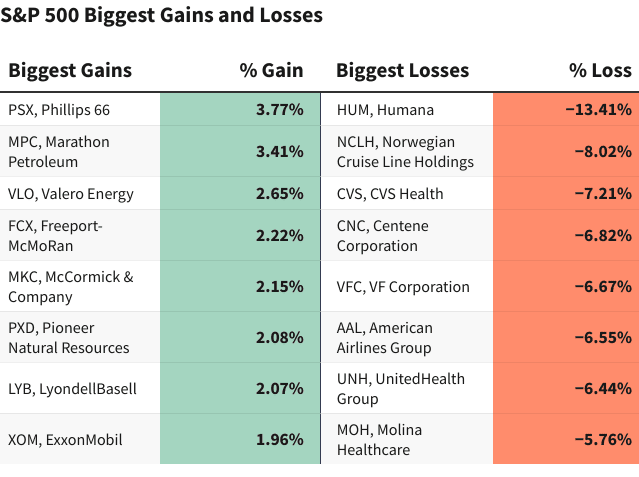
Financial markets reacted swiftly following the announcement. Healthcare-related equities experienced heightened volatility as investors re-calibrated expectations for future earnings and regulatory risk.
Analysts noted that US health insurance policy changes often carry out sized influence due to the sector’s dependence on federal reimbursement frameworks. Even incremental policy adjustments can significantly affect margins, investment strategies, and expansion plans across the industry.
Medicare’s Central Role in the Healthcare Economy
Medicare remains one of the most influential components of the American healthcare system, covering tens of millions of older adults and individuals with disabilities. Any modification to payment structures reverberates across providers, insurers, and pharmaceutical companies.
The latest update to US health insurance policy underscores how deeply intertwined public programs are with private sector operations. Insurers have increasingly relied on Medicare-related offerings as engines of growth over the past decade.
Risk Adjustment and Payment Models Under Review
A major focus of the proposal involves refining risk-adjustment formulas used to determine payments. Regulators argue that existing models can unintentionally incentivize over-documentation without corresponding improvements in patient outcomes.
By tightening these calculations, policymakers aim to ensure that US health insurance policy rewards efficiency and genuine care improvements rather than administrative optimization.
Industry Response Balances Caution and Adaptation
Industry leaders responded with measured statements, acknowledging the need for sustainability while expressing concern over implementation timelines and operational complexity.
One senior industry executive said,
“Long-term stability depends on predictability, and stakeholders will need clarity to adapt responsibly.”
Despite uncertainty, many organizations are already preparing for a regulatory environment shaped by evolving US health insurance policy priorities.
Implications for Healthcare Consumers
For consumers, the changes may not be immediately visible, but gradual shifts are expected. Insurers could reassess benefit structures, provider networks, and supplemental offerings as cost pressures evolve.
Experts caution that US health insurance policy reform often unfolds incrementally, meaning noticeable effects may emerge over several enrollment cycles rather than overnight.
Political Landscape Shapes Policy Trajectory
Healthcare remains a politically sensitive issue, particularly as election cycles approach. Lawmakers face competing pressures to contain costs while preserving access and quality.
The latest US health insurance policy proposal reflects a broader political consensus around fiscal responsibility, though debate continues over execution and long-term consequences.
Technology and Data as Strategic Tools
Digital health technologies, analytics, and care-management platforms are expected to play a larger role as insurers adapt to policy changes. Investments in data-driven decision-making may help offset margin pressures.
As US health insurance policy emphasizes outcomes, insurers are increasingly leveraging predictive modeling and remote care solutions to manage risk more effectively.
Workforce and Provider Network Adjustments
Healthcare providers are also monitoring developments closely. Payment reforms could influence staffing models, referral patterns, and investment in specialized services.
Alignment between providers and insurers will become more critical under US health insurance policy frameworks that prioritize coordinated care and cost control.
Regional Disparities and Equity Considerations
Policymakers highlighted the need to address regional cost disparities and healthcare access gaps. Rural and under-served communities often face higher delivery costs and limited provider availability.
Revisions to US health insurance policy aim to balance efficiency with equity, though implementation challenges remain significant.
Historical Context of Healthcare Reform
The current proposal builds on decades of healthcare reform efforts, each shaped by economic conditions, demographic change, and political compromise.
Observers note that US health insurance policy has consistently evolved in response to systemic pressures rather than sudden ideological shifts.
Long-Term Outlook for the Insurance Sector
Looking ahead, the sector’s long-term prospects will depend on adaptability. Companies that invest in efficiency, preventive care, and consumer engagement are better positioned to navigate regulatory change.
Despite near-term uncertainty, US health insurance policy continues to support a healthcare system driven by demand growth and innovation.
Investor Perspective on Policy Stability
From an investment standpoint, clarity matters as much as policy substance. Markets typically reward predictable frameworks that allow long-term planning.
As debates around US health insurance policy continue, investor sentiment will likely fluctuate in response to regulatory signals and legislative negotiations.
Global Comparisons Inform Domestic Debate
International healthcare systems offer contrasting approaches to cost control and coverage. Policymakers often examine these models when refining domestic strategies.
The evolution of US health insurance policy reflects a uniquely American balance between public oversight and private market participation.
Public Health Outcomes and Cost Efficiency
Ultimately, the success of reform will be measured by outcomes. Improved population health, reduced hospitalization rates, and sustainable spending are central benchmarks.
Advocates argue that US health insurance policy must align financial incentives with patient well-being to achieve lasting impact.
Stakeholder Collaboration as a Key Factor
Effective reform depends on collaboration among regulators, insurers, providers, and patients. Fragmented implementation risks undermining intended benefits.
The current phase of US health insurance policy development highlights the importance of coordinated stakeholder engagement.
Economic Ripple Effects Beyond Healthcare
Healthcare represents a significant share of the national economy. Policy changes influence employment, capital investment, and regional development.
Adjustments to US health insurance policy therefore carry implications extending well beyond hospitals and clinics.
Communication and Public Understanding
Clear communication will be essential to ensure public understanding and trust. Misinterpretation can fuel anxiety and resistance.
Policymakers emphasize transparency as US health insurance policy changes move from proposal to implementation.
A System at a Crossroads
The current proposal marks a pivotal moment. It reflects both fiscal necessity and an evolving philosophy of care delivery.
How US health insurance policy evolves from here will shape the healthcare experience for millions of Americans over the coming decade.
Reform as a Test of Balance Between Cost and Care
The coming months will determine whether the proposed framework achieves its intended balance. As debate continues, stakeholders across the healthcare system are preparing for an era defined not by expansion alone, but by efficiency, accountability, and measured reform.