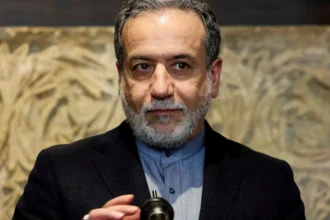

Tehran, Middle East, January, 2026 — Senior officials in Iran issued a renewed warning on Tuesday, cautioning that any military escalation would unleash Iran strike consequences capable of destabilizing political, economic, and security conditions across the Middle East at a time of heightened regional fragility.
Escalating rhetoric reflects mounting regional anxiety
The warning comes as the Middle East enters 2026 facing a convergence of unresolved conflicts, fragile ceasefires, and widening economic stress. Iranian officials framed their remarks as a reflection of regional realities rather than a direct provocation, emphasizing that instability rarely remains contained in today’s interconnected environment.
Analysts say the renewed emphasis on Iran strike consequences reflects concern that escalation could activate a complex web of alliances, rivalries, and security commitments spanning multiple borders.
Why the region is vulnerable to rapid escalation
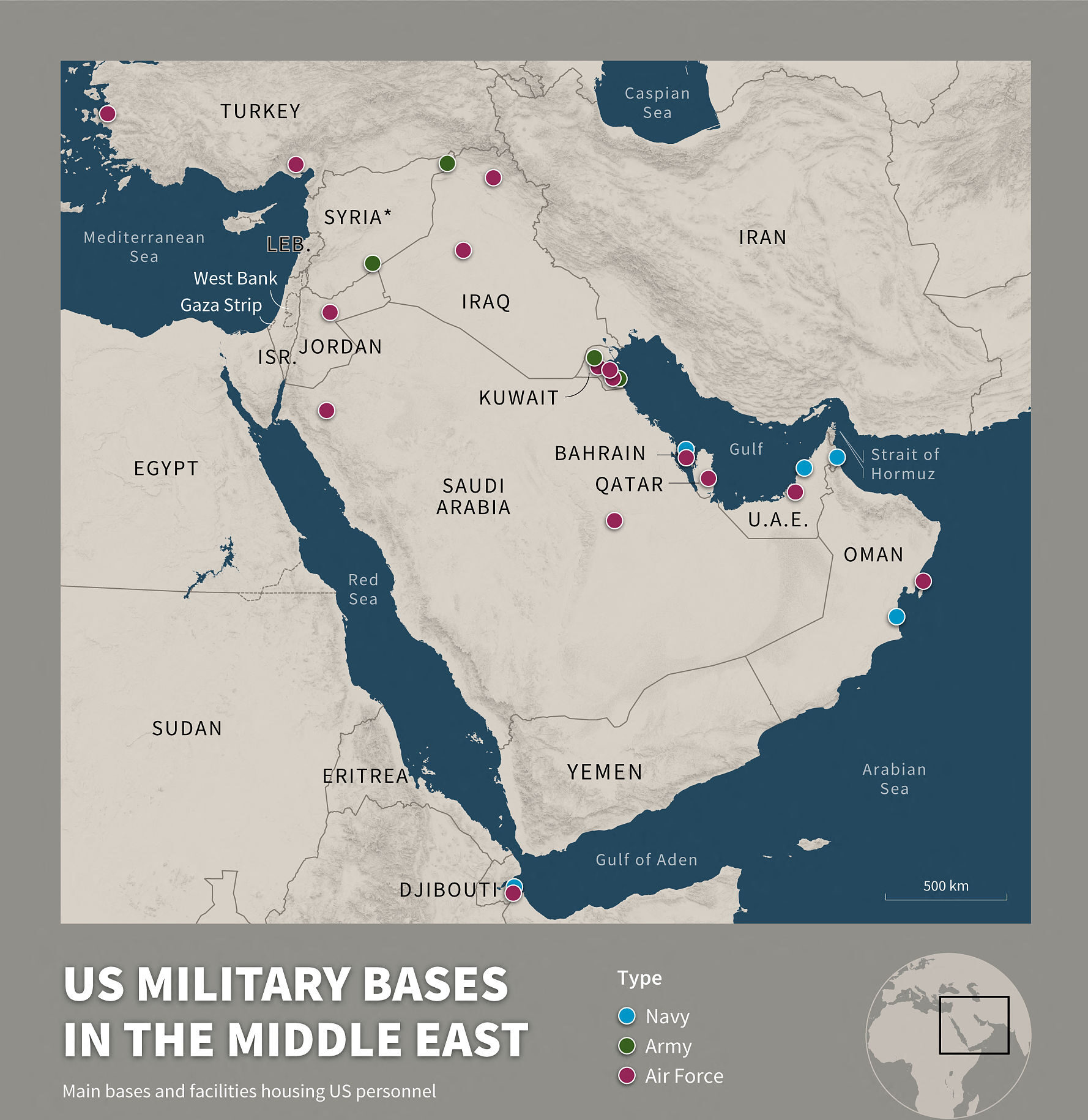
Security experts point to structural vulnerabilities that heighten the risk of escalation. Shared borders, dense population centers, and critical infrastructure concentrated in small geographic areas increase exposure to spillover effects.
According to regional analysts, Iran strike consequences would likely involve indirect responses rather than immediate large-scale confrontation, making escalation harder to predict and contain.
Historical experience shapes present warnings
Iran’s leadership often references past regional crises to underscore its message. Previous confrontations have demonstrated how limited military actions can evolve into prolonged instability, drawing in additional actors over time.
By invoking Iran strike consequences, Tehran appears intent on reinforcing lessons learned from decades of regional conflict where escalation frequently exceeded initial expectations.
Strategic geography magnifies regional exposure
The Middle East’s geography plays a critical role in shaping security dynamics. Narrow maritime choke-points, overlapping airspace, and interconnected transport networks amplify the impact of disruptions.
Defense analysts warn that Iran strike consequences could include disruptions to trade corridors, threats to civilian infrastructure, and heightened military readiness across neighboring states.
Deterrence messaging aimed beyond immediate rivals
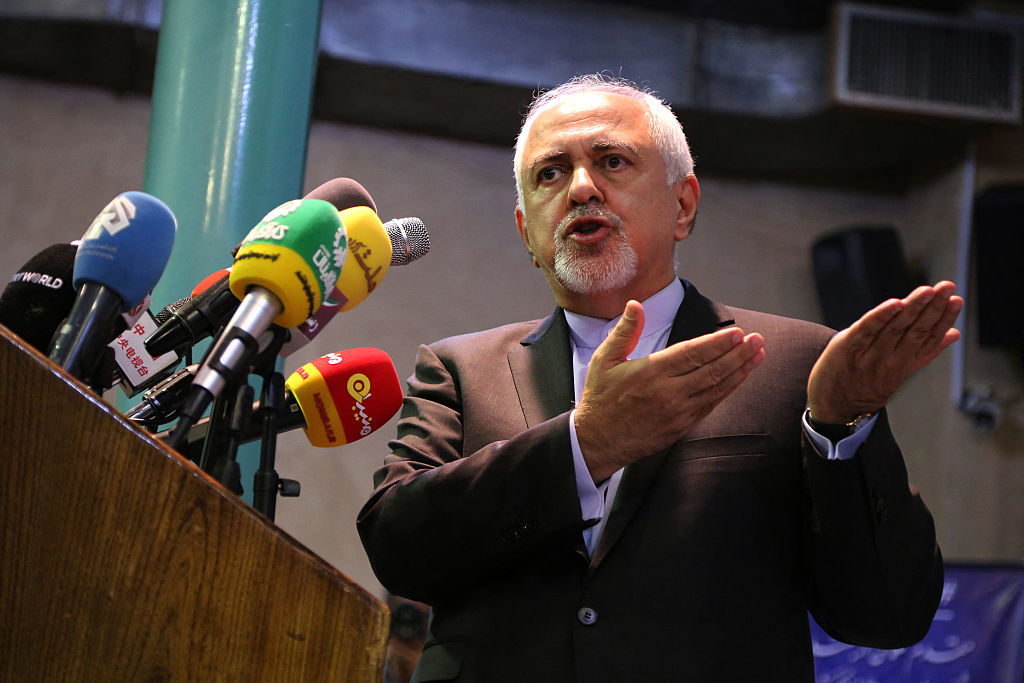
Iran’s warning is widely viewed as deterrence messaging directed not only at adversaries but also at regional and global stakeholders. By emphasizing broader fallout, Tehran seeks to elevate the perceived cost of military action.
From a strategic standpoint, framing escalation in terms of Iran strike consequences encourages policymakers to consider regional stability alongside narrow tactical objectives.
Alliance calculations under renewed strain
Alliances in the Middle East are often fluid and pragmatic, shaped by shifting interests rather than fixed commitments. Iran’s statement introduces additional pressure on these arrangements.
Analysts suggest that Iran strike consequences could test alliance cohesion, forcing governments to reassess contingency planning and their tolerance for unintended escalation.
Economic fragility heightens sensitivity to conflict
Economic conditions across the region remain fragile. Inflation, fiscal constraints, and uneven recovery from earlier shocks have reduced governments’ capacity to absorb new disruptions.
Economists caution that Iran strike consequences may include market volatility, reduced investor confidence, and interruptions to trade flows critical for regional economies.
Energy markets face renewed uncertainty
The Middle East’s central role in global energy supply means that instability carries international implications. Oil and gas markets are highly sensitive to geopolitical developments involving key producers and transit routes.
Market observers warn that Iran strike consequences could trigger price fluctuations and supply uncertainty affecting consumers far beyond the region.
Maritime security remains a critical concern
Key shipping lanes such as the Strait of Hormuz remain focal points of regional security planning. Heightened tensions increase the risk of incidents involving commercial vessels.
Shipping experts note that Iran strike consequences might involve higher insurance premiums, delays in transit, and expanded naval patrols in strategic waterways.
International diplomacy seeks to prevent miscalculation
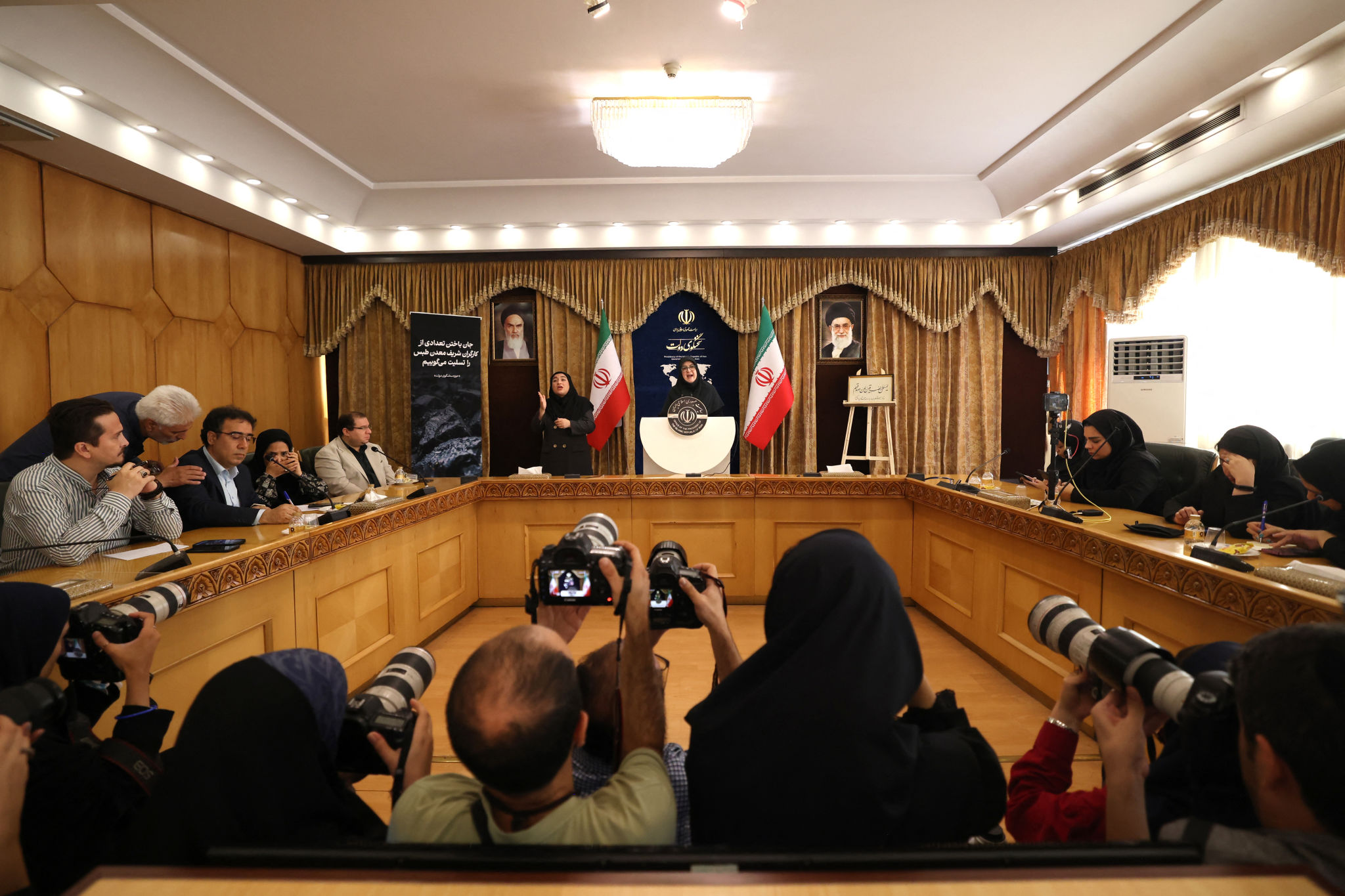
Global powers have responded cautiously to Tehran’s warning, emphasizing restraint and dialogue. Diplomatic channels remain open, with renewed efforts to reduce the risk of misunderstanding.
Several diplomats privately acknowledged that Iran strike consequences would pose serious challenges not only for regional stability but also for global economic confidence.
Public opinion reflects deep conflict fatigue
Across the Middle East, public sentiment shows growing exhaustion with prolonged instability. Communities affected by years of conflict are increasingly wary of new confrontations.
In this context, discussion of Iran strike consequences resonates with populations concerned about humanitarian fallout, rising living costs, and long-term insecurity.
Military analysts warn of unintended escalation paths
Military assessments highlight the density of armed actors and strategic assets across the region. Even limited actions can escalate through unintended pathways.
One regional security analyst said,
“The most dangerous moments are those when leaders underestimate how quickly events can spiral beyond their control.”
Information warfare amplifies regional tension
Alongside military and diplomatic developments, information warfare has intensified. Competing narratives circulate rapidly through regional and international media ecosystems.
Experts caution that exaggerated portrayals of Iran strike consequences could harden public opinion and constrain diplomatic flexibility.
Institutional resilience tested by prolonged instability
Sustained tension places heavy strain on state institutions. Governance challenges, budgetary pressure, and public dissatisfaction often worsen during periods of insecurity.
Analysts argue that prolonged Iran strike consequences would further test institutional resilience across several already vulnerable states.
Long-term strategic implications for regional order
Beyond immediate risks, Tehran’s warning raises broader questions about the future of Middle Eastern security architecture. Reliance on deterrence alone may prove insufficient in a complex environment.
Strategists suggest acknowledging Iran strike consequences could encourage renewed investment in multilateral dialogue, arms control, and confidence-building mechanisms.
Mediation and quiet diplomacy gain prominence
Neutral states and international organizations are increasingly active behind the scenes. Quiet diplomacy and mediation are viewed as essential tools to prevent escalation.
Diplomats argue that realistic acknowledgment of Iran strike consequences may foster pragmatic engagement rather than reactive confrontation.
Strategic patience becomes a defining test
As 2026 progresses, regional actors face a test of strategic patience. Decisions made under pressure can shape security dynamics for years.
Awareness of Iran strike consequences underscores the importance of restraint, calculation, and sustained diplomatic engagement.
How restraint in 2026 could determine the Middle East’s next decade
The decisions taken by regional and global actors in 2026 are likely to shape the Middle East’s strategic trajectory well into the next decade. Analysts argue that restraint, rather than reaction, could help prevent short-term crises from hardening into long-term instability.
Diplomatic engagement, crisis management mechanisms, and calibrated responses may reduce the risk of escalation at a moment of heightened sensitivity. Failure to prioritize restraint, however, could entrench conflict dynamics that undermine security, economic recovery, and regional cooperation for years to come.