
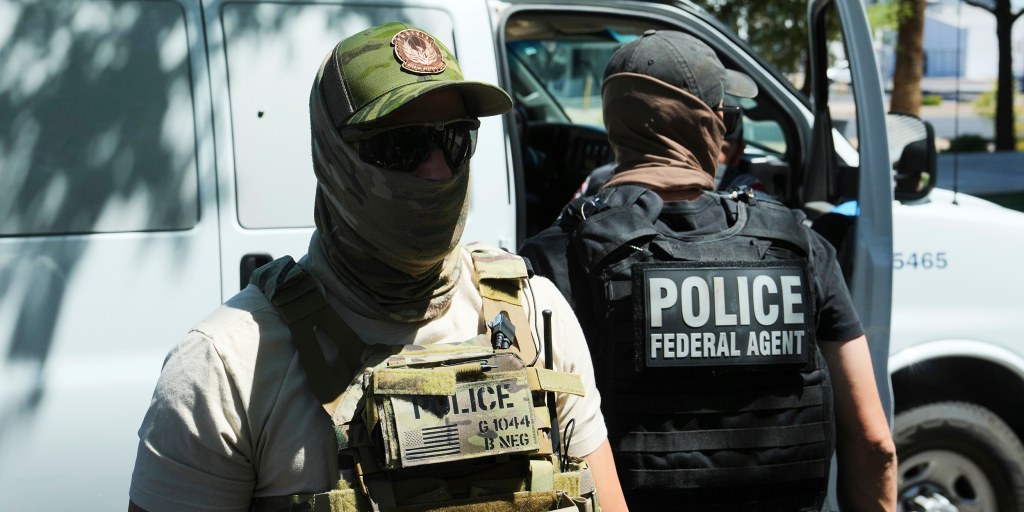
Rome, Italy | January, 2026 — An Olympic security controversy has taken shape as preparations intensify for the Winter Games, following confirmation that the United States plans to send personnel from U.S. Immigration and Customs Enforcement to Italy in a security-related capacity. The announcement has sparked anger among Italian political leaders and ignited a wider public debate over sovereignty, transparency, and the role of foreign law enforcement at a globally significant sporting event.
Italy, preparing to host one of the world’s most watched international competitions, has invested heavily in domestic security planning. The sudden prominence of the issue has injected political tension into what organizers hoped would remain a celebration of sport and international cooperation.
How the Deployment Plan Came to Light
The roots of the Olympic security controversy trace back to briefings by US officials outlining international cooperation measures tied to the Games. According to Washington, the deployment involves liaison officers tasked with intelligence sharing on transnational crime, including document fraud and trafficking networks that often exploit large international gatherings.
Italian officials, however, say the plan was not communicated with sufficient clarity. Several lawmakers criticized the timing and manner of disclosure, arguing that better coordination could have avoided public misunderstanding and diplomatic friction.
Italy’s Security Framework and Capabilities
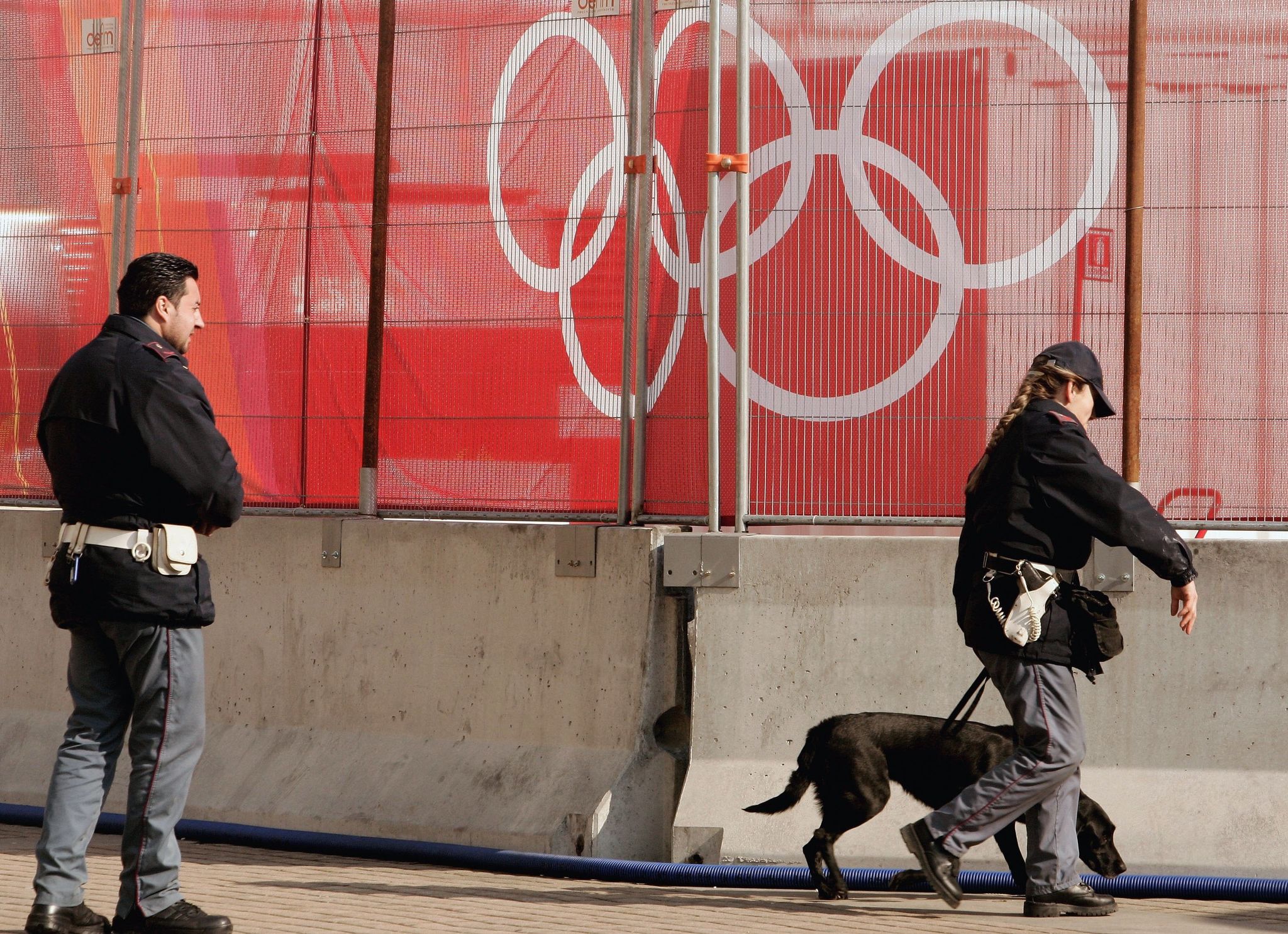
Italy has emphasized that it maintains one of Europe’s most experienced security and intelligence systems. From counter-terrorism units to national police and carabinieri forces, authorities insist they are fully equipped to manage Olympic security without external enforcement presence.
The Olympic security controversy has therefore been framed by Italian leaders as a question of necessity rather than cooperation. Many argue that international support should remain strictly technical and under Italian command to preserve clear lines of authority.
Political Reaction Across Party Lines
Reaction to the Olympic security controversy has cut across Italy’s political spectrum. Government officials and opposition figures alike voiced concern that the presence of ICE agents could blur jurisdictional boundaries and create confusion during an event requiring unified command.
Parliamentary committees have requested formal explanations from the Interior Ministry, while some lawmakers have called for written assurances limiting the scope of any foreign involvement.
Public Opinion and Media Debate
Italian media coverage has been extensive, with television debates, editorials, and online commentary scrutinizing the decision. Public sentiment appears divided, though skepticism dominates early reactions.
For many citizens, the Olympic security controversy touches on deeper sensitivities surrounding immigration policy and national autonomy. ICE’s association with US border enforcement has amplified concerns that its presence sends the wrong message during a moment of international visibility.
Washington’s Explanation and Defense
US officials have defended the deployment as routine international cooperation. They note that liaison officers from multiple countries often participate in Olympic security planning, providing intelligence support without operational authority.
From Washington’s perspective, the Olympic security controversy reflects a misunderstanding of standard practice rather than a substantive policy shift. Officials stress that ICE personnel would operate strictly within agreed frameworks and under host nation oversight.
Historical Evolution of Olympic Security
Security planning for the Olympics has evolved significantly over recent decades. Terrorism threats, cyber risks, and organized crime have prompted host nations to adopt increasingly sophisticated and internationalized approaches.
Yet the Olympic security controversy demonstrates that while cooperation has expanded, political sensitivities remain acute. Host countries must balance openness to assistance with public expectations of control and sovereignty.
Legal Boundaries and Jurisdictional Limits
Italian legal experts have weighed in, emphasizing that foreign law enforcement officers possess no arrest powers unless explicitly authorized by host nation law. Authorities reiterated that any US personnel would serve only as advisors or observers.
Despite these assurances, the Olympic security controversy continues to raise questions about accountability and oversight, particularly in scenarios involving multiple agencies and national legal systems.
Diplomatic Implications for US–Italy Relations
While both governments have sought to contain the dispute, analysts warn that unresolved tensions could affect broader bilateral relations. Italy has requested clearer documentation outlining the precise role of ICE agents.
The management of the Olympic security controversy may therefore influence perceptions of trust and respect within the longstanding alliance between Rome and Washington.
Concerns Among Olympic Organizers
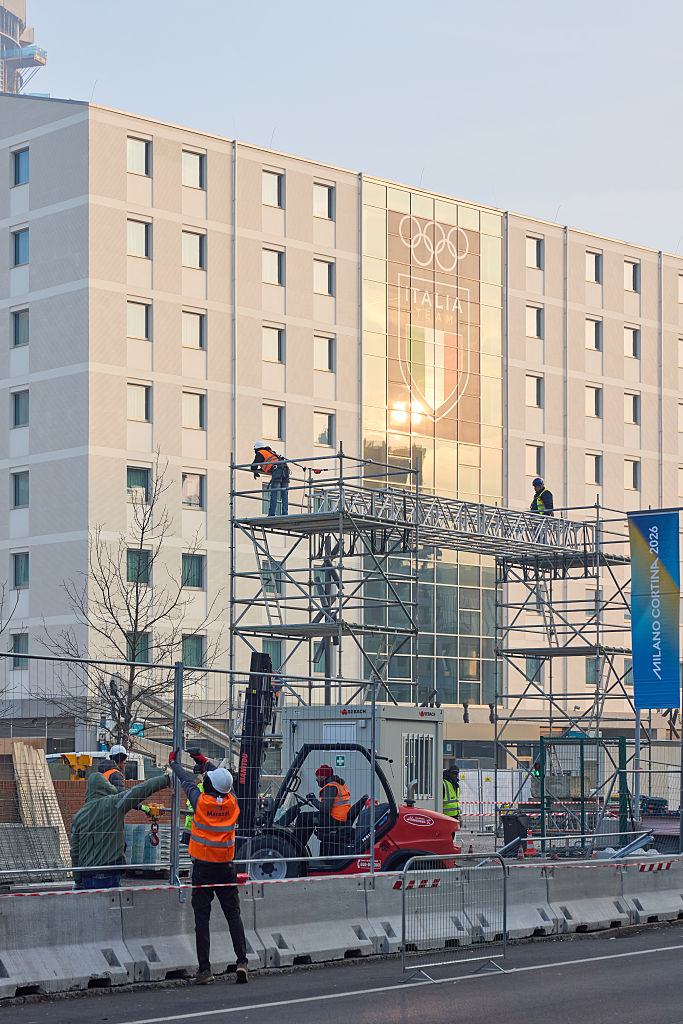
Organizers are keen to prevent the debate from overshadowing the Games themselves. Officials stress that logistical preparations, athlete accommodations, and venue readiness continue on schedule.
Still, the Olympic security controversy has introduced an unexpected political dimension into planning efforts, prompting organizers to coordinate closely with government authorities to maintain focus on sport.
Expert Analysis on International Security Cooperation
Security specialists note that multinational coordination is essential but inherently delicate. One European security analyst said,
“Major sporting events magnify political sensitivities, and even limited foreign involvement can become controversial if communication is not precise.”
This insight helps explain why the Olympic security controversy has resonated beyond technical security circles and into mainstream political discourse.
Global Context and Comparable Cases
International observers point out that similar disputes have arisen at other global events, from world cups to international summits. These cases highlight how domestic politics and global security concerns increasingly intersect.
In this broader context, the Olympic security controversy serves as a case study in the challenges of hosting mega-events in an era of heightened geopolitical awareness.
Negotiations Behind the Scenes
Diplomatic discussions between Italian and US officials continue, aimed at clarifying roles and reducing public tension. Sources familiar with the talks say both sides are eager to avoid escalation and preserve cooperation.
Whether the Olympic security controversy subsides may depend on the success of these quiet negotiations and the willingness of both governments to address public concerns transparently.
Implications for Future Host Nations
Future Olympic hosts are watching closely. The episode underscores the importance of early communication and clear agreements regarding international security support.
The lessons of the Olympic security controversy could shape how future Games balance global cooperation with domestic authority.
Economic and Reputational Stakes
Beyond politics, there are economic considerations. Hosting the Olympics involves massive investment and global branding. Prolonged controversy risks distracting from tourism promotion and sponsor engagement.
Officials are therefore eager to resolve the Olympic security controversy swiftly to protect the event’s economic and reputational value.
Public Trust and Transparency
Trust between authorities and the public is crucial during large-scale events. Clear communication about who is responsible for security, and under what authority, helps maintain confidence.
The Olympic security controversy highlights how gaps in communication can quickly erode trust, even when intentions are cooperative.
Final Preparations Continue Amid Debate
As venues near completion and athletes prepare to arrive, Italian authorities insist that security planning remains robust and coordinated. The focus, they say, is on ensuring a safe and welcoming environment for all participants.
Still, the Olympic security controversy remains a reminder that political issues can surface unexpectedly, even in meticulously planned events.
When Security Meets Sovereignty
At its core, the Olympic security controversy illustrates the delicate intersection of safety, sovereignty, and symbolism. Hosting the world demands openness, yet it also heightens expectations of national control. How Italy and the United States navigate this balance in the coming months will not only shape the success of the Games but also offer lessons for future hosts facing similar challenges.