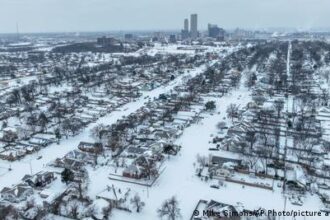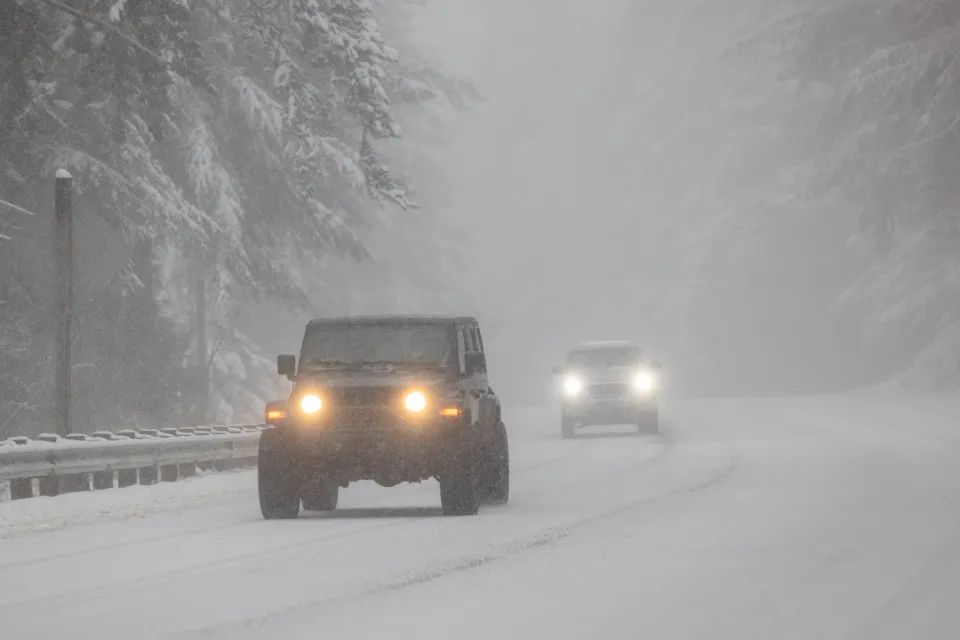
Washington, United States | January, 2026 — A powerful and fast-expanding winter weather system swept across the country on Monday, triggering a severe US winter storm travel disruption that forced the shutdown of major airports, closed highways, and stranded millions of travelers. The storm, driven by Arctic air and moisture-heavy systems, arrived during one of the busiest winter travel periods, magnifying its national impact.
Federal and state authorities issued repeated safety warnings as snow, ice, and dangerous winds paralyzed transportation networks from the Midwest to the Northeast. Emergency declarations were enacted in multiple states as conditions deteriorated rapidly overnight.
How the Storm Formed and Why It Intensified So Quickly
Meteorologists explained that the storm developed when a surge of Arctic air collided with warm, moisture-laden systems moving northward. This collision created ideal conditions for heavy snowfall and freezing rain, particularly across densely populated regions.
As temperatures dropped sharply, snowfall rates increased beyond forecasts. The expanding US winter storm travel disruption caught many transportation operators mid-cycle, forcing immediate and large-scale shutdowns to ensure public safety.
Airports Overwhelmed as Flights Are Grounded Nationwide
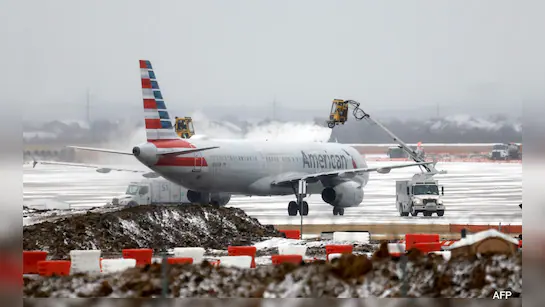
Major aviation hubs including Chicago, New York, Boston, and Denver reported cascading flight cancellations as runways became unsafe and aircraft required repeated de-icing. Airlines emphasized that safety protocols left no alternative but to suspend operations.
Industry analysts noted that modern aviation systems operate on tightly synchronized schedules. When a US winter storm travel disruption spans multiple regions simultaneously, delays compound rapidly and recovery becomes increasingly complex.
Runway Safety and Crew Limitations Add to Delays
Beyond weather conditions, airlines faced crew displacement issues as pilots and cabin staff were unable to reach assigned airports. Aircraft were also left out of position, further slowing recovery efforts.
Officials said these operational challenges explain why a US winter storm travel disruption can linger long after snowfall ends, with delays continuing for days rather than hours.
Highways Shut Down as Ice and Snow Create Dangerous Conditions
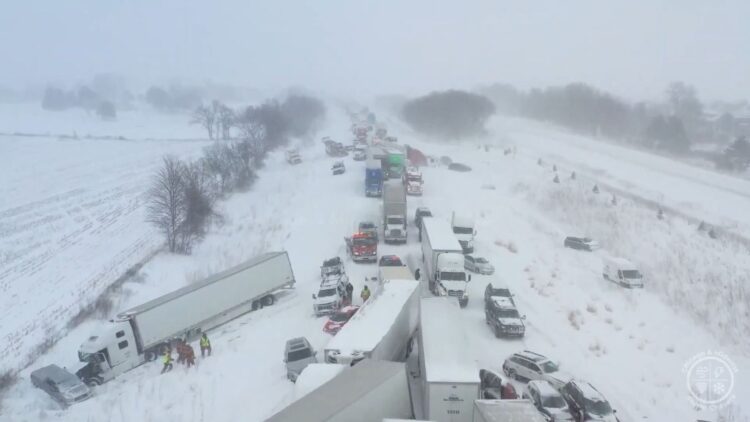
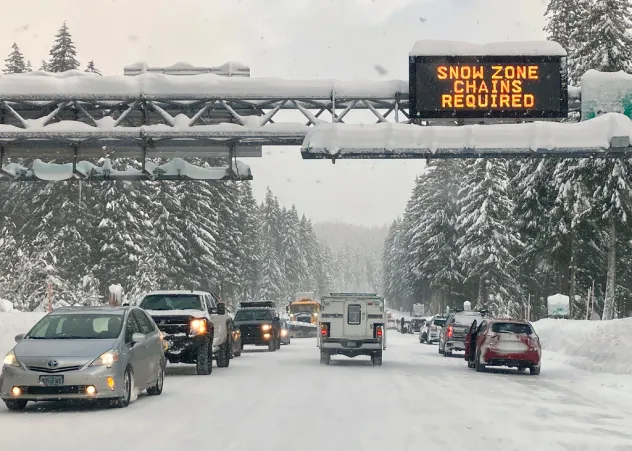
Road travel was equally affected as snow-covered highways and black ice led to hundreds of accidents. Several interstate highways were temporarily closed after multi-vehicle collisions blocked emergency access.
Transportation departments urged residents to avoid unnecessary travel, warning that response times were delayed due to hazardous conditions. The US winter storm travel disruption affected commuters, freight operators, and emergency responders alike.
Rural Communities Face Isolation Risks
In rural areas, secondary roads became impassable, isolating communities and complicating the delivery of essential supplies. Snowplow crews worked around the clock, but persistent snowfall limited progress.
Officials acknowledged that rural infrastructure is particularly vulnerable during a US winter storm travel disruption, where fewer resources must cover larger geographic areas.
Rail Services and Freight Logistics Interrupted
Passenger rail operators reported delays and partial suspensions as ice accumulation interfered with signaling systems and track switches. Freight rail also experienced slowdowns, particularly on long-haul routes.
Supply chain analysts warned that when a US winter storm travel disruption affects rail and trucking simultaneously, delivery schedules can be disrupted nationwide, impacting retail and manufacturing sectors.
Ports and Inter-modal Hubs Feel the Ripple Effects
Although coastal ports remained operational, inland transport bottlenecks delayed cargo movement. Inter-modal hubs reported congestion as trucks and trains struggled to meet schedules.
The cascading impact demonstrated how a US winter storm travel disruption extends far beyond visible snow, affecting the broader logistics ecosystem.
Federal and State Governments Activate Emergency Measures
Governors in several states declared weather emergencies, enabling rapid deployment of resources and federal assistance. Emergency operation centers coordinated snow removal, road closures, and public communication.
Federal agencies worked closely with state officials to manage the US winter storm travel disruption, emphasizing public safety and infrastructure protection as top priorities.
Public Safety Messaging and Communication Strategy
Authorities relied heavily on digital platforms and emergency alerts to provide real-time updates. Officials stressed that clear communication was essential to prevent unnecessary travel and reduce accident risks.
Public compliance, they said, plays a critical role in limiting the human toll during a US winter storm travel disruption.
Economic Costs Begin to Accumulate
Airlines reported millions of dollars in losses due to cancellations, crew repositioning, and aircraft downtime. Hotels near major airports filled rapidly with stranded passengers, while tourism-dependent businesses reported sharp declines in bookings.
Economists warned that a prolonged US winter storm travel disruption can slow economic activity, delay shipments, and reduce consumer confidence even after conditions improve.
Retail and Manufacturing Feel the Impact
Delayed freight deliveries affected retail inventory levels, particularly for time-sensitive goods. Manufacturers relying on just-in-time supply chains also reported production slowdowns.
Experts noted that economic recovery from a US winter storm travel disruption often lags behind the physical cleanup of snow and ice.
Human Stories Behind the Statistics
For millions of travelers, the storm meant missed events, canceled plans, and extended waits. Families slept overnight in terminals, while business travelers scrambled to reschedule meetings.
One stranded passenger said,
“You prepare for winter delays, but this storm shows how quickly the entire system can come to a halt.”
The comment reflected the shared experience during the US winter storm travel disruption.
Healthcare and Emergency Services Under Pressure
Hospitals reported increased emergency room visits related to slips, falls, and vehicle accidents. Ambulance response times were affected in heavily impacted areas.
Healthcare officials emphasized that maintaining access during a US winter storm travel disruption requires close coordination with transportation and emergency agencies.
Infrastructure Strengths and Weaknesses Exposed
Transportation experts described the storm as a stress test for aging infrastructure. While some regions demonstrated strong preparedness, others struggled with equipment shortages and staffing gaps.
The US winter storm travel disruption renewed debate over long-term investment in resilient transportation systems capable of withstanding extreme weather.
Climate Trends and Changing Winter Patterns
Climate researchers noted that warmer atmospheric conditions can intensify winter storms by increasing moisture availability. When cold air dominates, that moisture falls as heavier snow.
Such patterns suggest that events like the US winter storm travel disruption may become more frequent, requiring adaptation across sectors.
Lessons for Travelers and Businesses
Authorities advised travelers to monitor official forecasts, remain flexible, and allow additional time during winter months. Businesses were encouraged to review continuity plans and remote work options.
Preparedness, experts said, is the most effective way to reduce disruption during a US winter storm travel disruption.
Cleanup Efforts and Gradual Restoration of Services
As snowfall eased in some regions, crews accelerated efforts to reopen highways and clear runways. Airports resumed limited operations, though backlogs remained significant.
Officials cautioned that full recovery from the US winter storm travel disruption would take several days due to displaced crews and equipment.
Monitoring the Next System
Meteorologists warned that additional winter systems could follow, urging continued vigilance. Transportation agencies remain on alert as winter conditions persist.
Planning ahead, officials said, is essential to limit the impact of future US winter storm travel disruption events.
When Winter Puts the Nation on Pause
The storm serves as a powerful reminder that even the most advanced transportation networks remain vulnerable to nature’s extremes. How the nation prepares, adapts, and responds will define the resilience of future winter travel across the United States.