

Washington, D.C., United States, January, 2026 — Meta, TikTok, and YouTube have appeared before a federal court in the U.S. capital to confront allegations that their platforms contributed to social media addiction among minors. The trial, unfolding in the U.S. District Court for the District of Columbia, represents one of the most consequential legal challenges ever brought against major technology companies over youth well-being and digital design practices.
The case has drawn international attention, with policymakers, educators, health professionals, and parents watching closely as the legal system weighs the responsibilities of platforms that shape daily behavior for billions of users.
Why This Case Has Become a Global Flash-point
This trial goes far beyond a single courtroom. At stake is the question of whether technology companies can be held legally responsible for behavioral outcomes linked to prolonged platform use. Prosecutors argue that design choices intentionally maximized engagement, increasing the risk of social media addiction in younger audiences.
Legal experts say the case could redefine accountability standards across the technology sector, influencing how future products are designed and regulated. The proceedings are widely seen as a turning point in the global debate over digital responsibility.
How Platform Design Came Under Legal Scrutiny
Central to the case are features such as infinite scrolling, auto-play video, algorithmic recommendations, and frequent notifications. These elements, prosecutors argue, were engineered to sustain attention rather than encourage moderation.
Experts called by the court explained how such mechanisms can reinforce compulsive behavior patterns associated with social media addiction, particularly in adolescents whose impulse control systems are still developing. The companies deny that these features are inherently harmful.
Internal Research and Corporate Knowledge
Court filings reference internal studies conducted by the companies that allegedly identified potential risks to young users. Prosecutors claim these findings were not adequately disclosed or acted upon.
If proven, this could establish that risks linked to social media addiction were foreseeable rather than accidental, significantly strengthening the case for liability. Defense attorneys counter that internal research is routinely misinterpreted outside its original context.
Medical and Psychological Evidence Presented
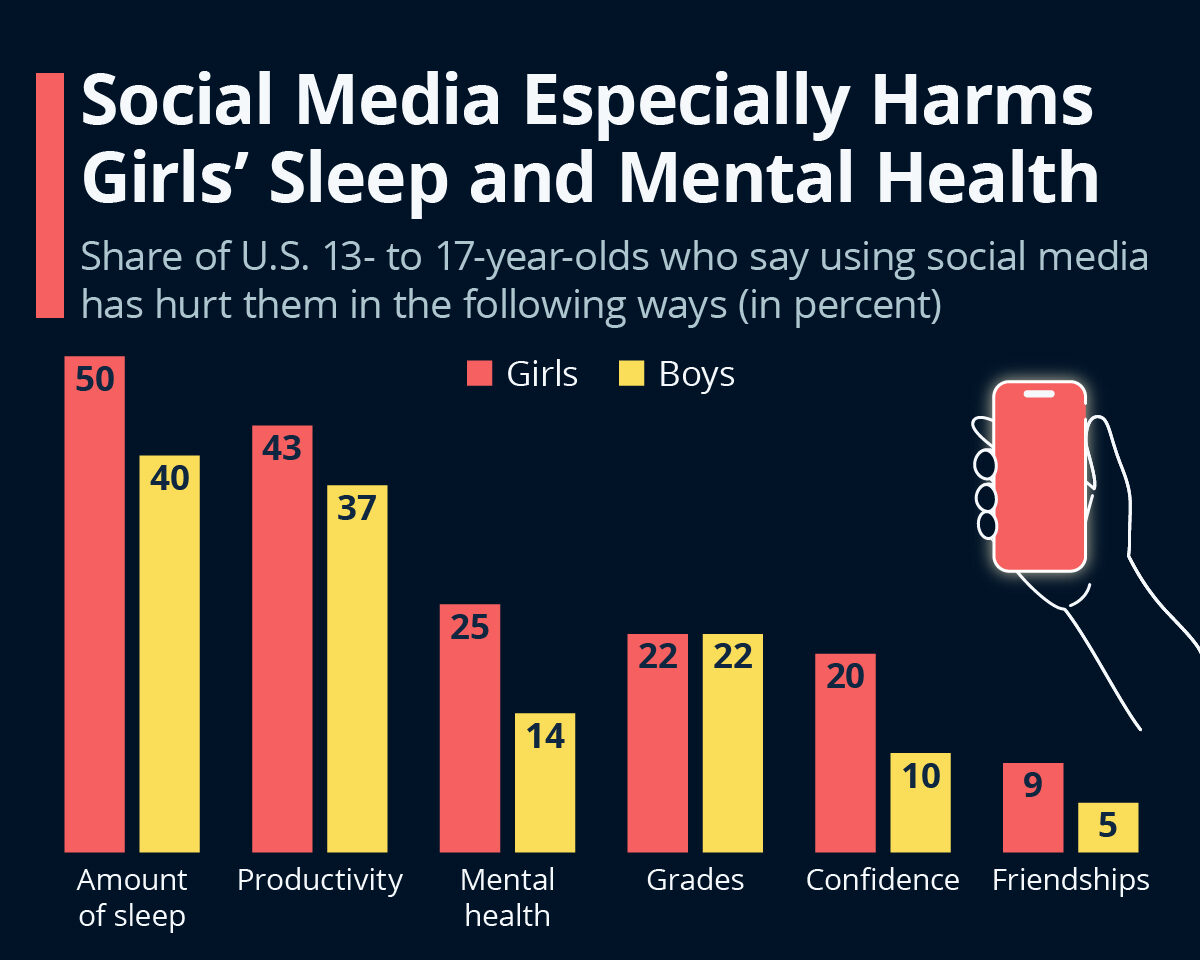
Health professionals have testified about rising rates of anxiety, sleep disruption, and attention difficulties among adolescents. While causation remains debated, many researchers point to correlations between excessive screen use and behavioral challenges.
During testimony, experts emphasized that social media addiction is not a clinical diagnosis in all jurisdictions, but a descriptive term used to explain patterns of compulsive engagement that interfere with daily functioning.
Families Describe the Human Impact
Parents from across the United States have shared accounts of children struggling to disconnect from digital platforms. Some described late-night usage, declining academic performance, and social withdrawal.
These testimonies highlight how social media addiction can strain family relationships and place parents in constant conflict over screen limits, fueling calls for stronger regulatory safeguards.

Schools and Educators Raise Alarm
Educators have increasingly voiced concern over classroom disruptions linked to constant device use. Teachers report shortened attention spans and increased difficulty maintaining focus during lessons.
School administrators argue that social media addiction undermines learning environments, prompting districts to consider phone restrictions and digital literacy programs as stopgap solutions.
Corporate Defense and Industry Position
Meta, TikTok, and YouTube have presented unified defenses, emphasizing user choice, parental controls, and wellbeing initiatives. Company representatives argue that the majority of young users engage responsibly.
In a written statement submitted to the court, one executive said,
“Our platforms are designed to empower creativity and connection, and we take youth safety seriously.”
The companies reject claims that social media addiction is a direct outcome of their technologies.
Washington’s Role in Shaping Digital Law
The choice of Washington, D.C. as the trial venue underscores its national and global significance. As the seat of federal power, the city has become the epicenter of technology regulation debates.
A ruling recognizing harms linked to social media addiction could influence future legislation, agency enforcement, and international regulatory alignment.
Economic Stakes for the Technology Sector
Analysts warn that adverse outcomes could force major changes to advertising-driven business models that rely on sustained engagement. Reduced screen time could affect revenue projections and investor confidence.
Addressing social media addiction concerns may require platforms to redesign core features, potentially reshaping how success is measured across the digital economy.
Global Regulatory Ripple Effects
Although the case is being heard in the United States, its implications are global. Regulators in Europe, Asia, and Australia are closely monitoring developments.
If courts formally acknowledge social media addiction as a legally relevant harm, similar lawsuits and regulatory frameworks could emerge worldwide.
Public Health Framing Gains Traction
Public health authorities increasingly frame excessive digital engagement as a societal challenge rather than an individual failing. This approach shifts responsibility toward environmental design and systemic safeguards.
By situating social media addiction within a public health framework, advocates argue for preventive strategies comparable to those used in other behavioral risk areas.

Ethics, Technology, and Design Responsibility
The trial has reignited debate about ethical design principles. Critics argue that persuasive technologies should respect cognitive limits instead of exploiting them.
Discussions around social media addiction have encouraged designers and policymakers to explore alternative models that prioritize long-term well-being alongside innovation.
Youth Voices Enter the Legal Conversation
Youth advocacy groups have submitted statements describing the pressure to remain constantly connected. Many young people report fear of social exclusion if they disengage.
Their perspectives illustrate how social media addiction intersects with identity formation, peer validation, and mental health during adolescence.
Possible Legal Outcomes and Precedents
Legal analysts outline a range of potential outcomes, from dismissal to mandated design changes or financial penalties. Even partial rulings could influence future cases.
Recognition of harms linked to social media addiction could reshape liability standards for digital products beyond social platforms.
A Broader Reckoning for Big Tech
Beyond the courtroom, the trial reflects a broader societal reassessment of technology’s role in daily life. Trust between users and platforms is under strain.
The focus on social media addiction symbolizes growing public demand for accountability in systems that shape attention and behavior at scale.
Redefining the Digital Social Contract
This landmark case challenges societies to reconsider how digital environments should balance innovation, profit, and human well-being. It raises fundamental questions about acceptable limits for persuasive technology.
As Washington hosts this pivotal trial, debates surrounding social media addiction may ultimately redefine the social contract between technology companies, users, and regulators in the digital age.