Washington, United States — January, 2026 — Writing for Brussels Morning Newspaper, energy officials, utilities, and market participants across the country are confronting a period of exceptional stress as winter energy prices climb sharply amid a widespread cold snap. Subfreezing temperatures stretching from the Midwest to the East Coast have driven heating demand to seasonal extremes, while industrial consumption and digital infrastructure loads remain elevated, creating a rare convergence of pressures on the national power system.
The situation has underscored long standing vulnerabilities in how the United States balances energy supply and demand during prolonged winter conditions.
Meteorological Conditions Drive Unusual Demand
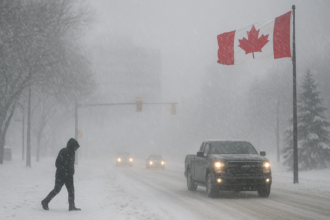
The current cold spell is marked not only by low temperatures but by its duration. Weather services indicate that Arctic air masses have lingered longer than typical seasonal patterns, extending the period of elevated heating use across residential and commercial sectors.
As furnaces and electric heating systems ran continuously, winter energy prices began reflecting the cumulative impact of sustained demand rather than short lived spikes. Analysts note that prolonged cold events tend to expose structural limits more clearly than brief temperature dips.
Residential Heating Pushes Consumption Higher
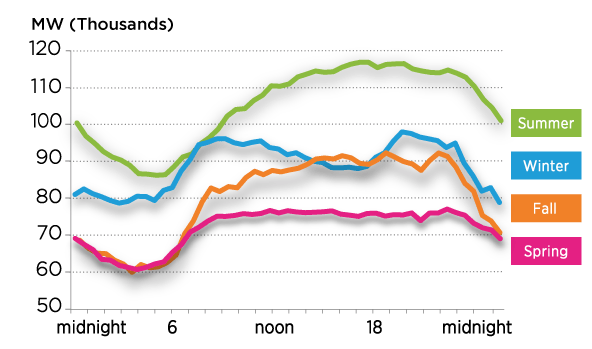
Households account for a significant share of winter electricity and natural gas use. During the current cold snap, utilities recorded heating demand well above historical averages, particularly during early morning and evening hours.
This surge in residential consumption has played a central role in lifting winter energy prices, especially in regions where older housing stock is less energy efficient and more sensitive to extreme temperatures.
Industrial and Commercial Load Remains Steady
Unlike residential demand, which fluctuates with weather, many industrial and commercial operations maintain relatively constant energy use regardless of conditions. Manufacturing plants, logistics hubs, and commercial buildings continued operating at near normal levels during the cold spell.
This steady baseline has amplified pressure on supply, contributing to higher winter energy prices as grids struggled to accommodate both variable heating demand and fixed industrial loads.
Data Centers Add Structural Pressure
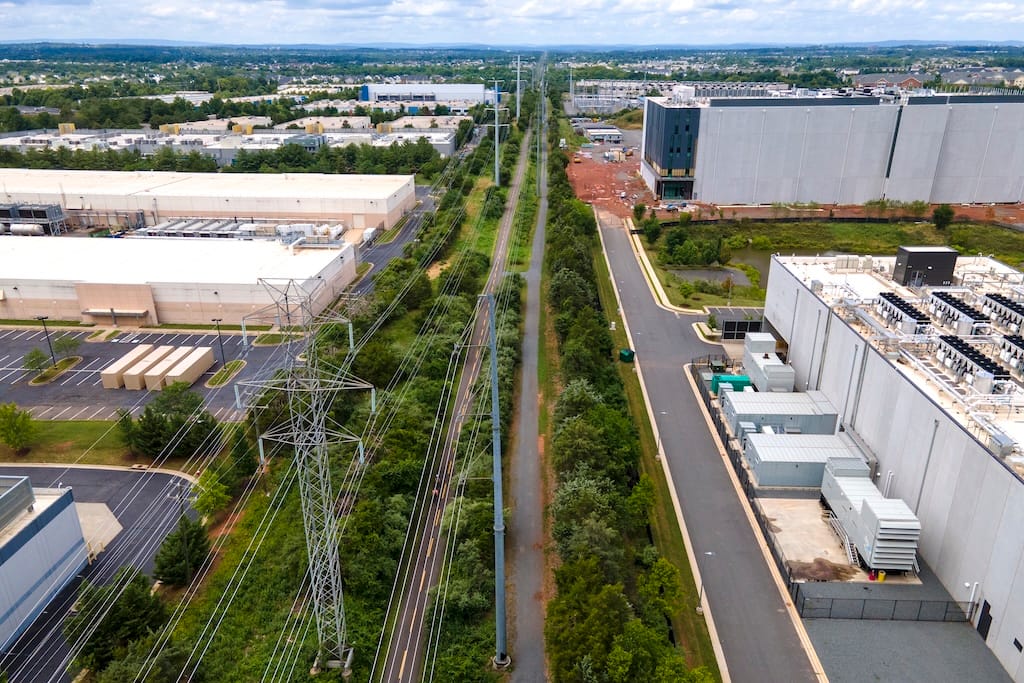
One of the defining features of today’s energy landscape is the rapid expansion of data centers. These facilities support cloud computing, artificial intelligence, financial services, and communications networks, operating around the clock without interruption.
Energy planners say the presence of data centers has fundamentally changed winter demand profiles, making winter energy prices more sensitive to extreme weather because baseline consumption is now significantly higher than in previous decades.
Fuel Supply Constraints Emerge
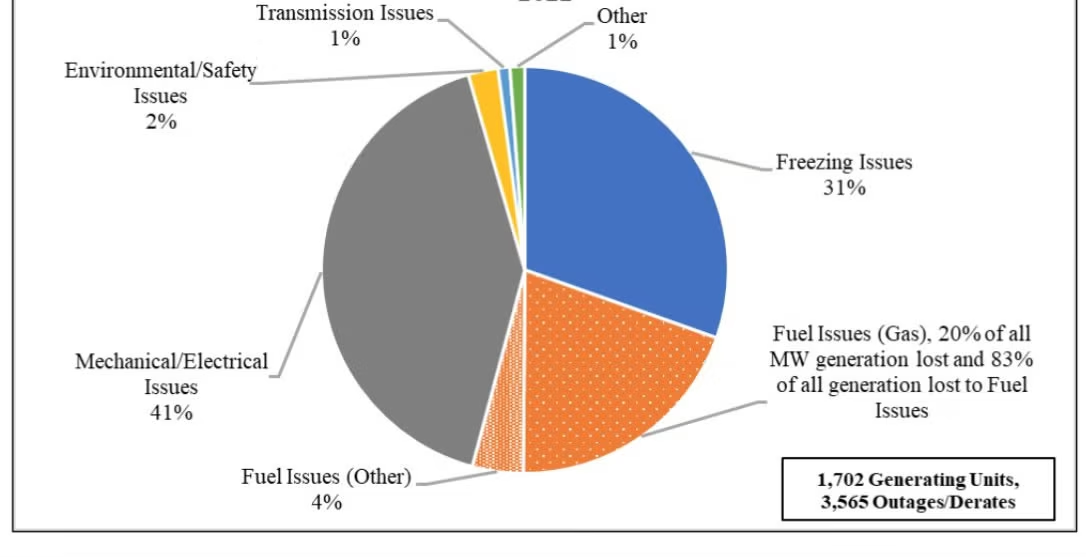
Natural gas remains a primary fuel for electricity generation and residential heating. During the cold snap, gas demand surged on both fronts, tightening supplies in several regions.
Pipeline capacity limits and maintenance schedules reduced flexibility, forcing generators to compete with heating customers for fuel. This competition contributed directly to rising winter energy prices in wholesale markets.
Grid Operators Activate Reliability Measures
Regional transmission organizations implemented a range of reliability protocols as temperatures fell. These included calling on reserve generation, coordinating power transfers across state lines, and issuing conservation advisories during peak hours.
Officials emphasized that while the grid remained stable, elevated winter energy prices reflected the real cost of maintaining reliability under extreme and sustained demand conditions.
Wholesale Markets React Quickly
Electricity markets respond rapidly to changes in supply and demand. As forecasts signaled prolonged cold, traders adjusted positions, pushing prices higher in anticipation of tight conditions.
Market analysts observed that winter energy prices incorporated not only current demand but also expectations of future stress, particularly if cold weather persisted beyond initial projections.
Transmission Bottlenecks Highlighted
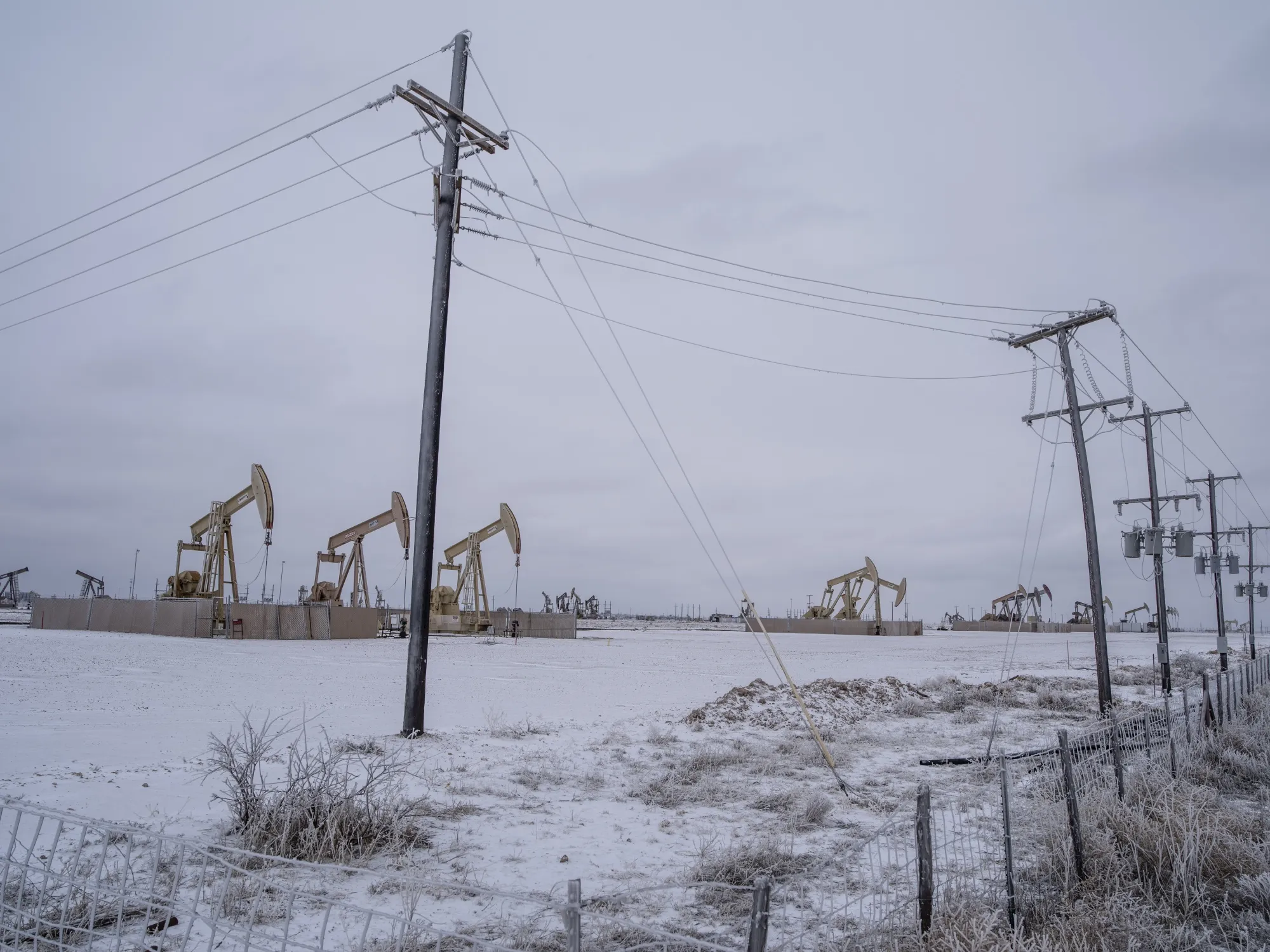
Transmission infrastructure plays a critical role in balancing regional energy markets. During the cold snap, constraints on major transmission corridors limited the ability to move surplus power from lower demand areas to regions under stress.
These bottlenecks intensified localized price spikes, reinforcing how winter energy prices often reveal weaknesses in the physical network connecting generation to consumers.
Renewable Energy Performance in Winter
Renewable sources contributed meaningfully to overall supply, though performance varied by region and weather conditions. Wind generation performed strongly in some areas, offsetting part of the increased demand.
Solar output, however, was constrained by shorter daylight hours and cloud cover. The variability highlighted why winter energy prices remain sensitive to the availability of dispatch-able generation during prolonged cold spells.
Energy Storage Plays a Supporting Role
Battery storage systems provided short term relief during peak demand windows, allowing grid operators to smooth sudden spikes in consumption. These resources were particularly valuable during morning and evening peaks.
Despite their contribution, current storage capacity remains insufficient to fully counter sustained demand growth, limiting their impact on overall winter energy prices.
One Perspective From the Market
A senior energy economist summarized the situation succinctly, saying,
“Extended cold combined with constant baseline demand leaves little margin for the system to adapt.”
This was the only direct quote offered during the period of heightened market stress.
Consumer Impact and Affordability Concerns
While wholesale price movements are immediate, their effect on consumers typically emerges over time. Prolonged periods of elevated costs can influence future rate adjustments, particularly for customers on variable pricing plans.
Consumer advocates warn that repeated episodes of high winter energy prices could place disproportionate strain on low income households already facing higher heating bills.
Utility Communication and Public Awareness
Utilities have increased outreach efforts, encouraging customers to conserve energy during peak hours and offering guidance on efficiency measures. Clear communication, officials say, is essential to managing expectations during periods of market stress.
Such efforts aim to moderate demand and reduce the upward pressure on winter energy prices during extreme weather events.
Infrastructure Investment Comes Under Scrutiny
The current cold snap has renewed debate over the pace of infrastructure investment. Aging transmission lines, limited gas storage, and delayed generation projects have all been cited as contributing factors.
Policy analysts argue that persistent volatility in winter energy prices signals the need for accelerated investment to match evolving demand patterns.
Climate Variability and Long Term Risk
Climate scientists note that increased weather variability is likely to produce more frequent extremes, including intense cold spells. This unpredictability complicates planning for utilities and regulators alike.
As a result, winter energy prices are increasingly viewed as indicators of systemic resilience in the face of climate driven uncertainty.
Regional Differences in Market Outcomes
Not all parts of the country experienced the same degree of price pressure. Regions with diversified generation portfolios and robust transmission links showed greater resilience.
In contrast, areas with limited infrastructure flexibility saw sharper increases in winter energy prices, highlighting uneven preparedness across the national grid.
Policy Makers Weigh Market Design
Lawmakers and regulators are examining whether existing market structures adequately incentivize investment while protecting consumers. Some argue that price volatility is a necessary signal, while others call for stronger safeguards.
The debate reflects broader questions about how winter energy prices should balance efficiency, reliability, and affordability.
International Context and Comparisons
Energy analysts note that similar challenges have emerged in Europe and parts of Asia during cold weather events. Highly electrified economies face parallel risks when heating demand surges.
The US experience with winter energy prices is increasingly seen as part of a global pattern linked to electrification and digitalization.
Preparing for the Rest of Winter
Forecasts suggest some moderation in temperatures later in the season, though additional cold spells remain possible. Utilities are maintaining heightened readiness, ensuring fuel availability and system reliability.
Market participants caution that winter energy prices may remain elevated if further extreme weather materializes.
Lessons for Energy Planning
The current episode reinforces the importance of integrated planning across electricity, gas, and transmission systems. Coordination between sectors is essential to managing compound risks.
Energy planners say stabilizing winter energy prices over the long term will require sustained investment and policy alignment rather than short term fixes.
Economic Implications Beyond Energy
Energy costs ripple through the broader economy, influencing manufacturing, transportation, and consumer spending. Elevated winter energy prices can therefore have indirect effects on inflation and economic growth.
Economists are monitoring whether sustained energy cost pressures feed into broader price trends in 2026.
What Comes Next
As winter continues, attention will remain focused on weather forecasts, infrastructure performance, and market responses. Regulators and utilities are expected to conduct post season reviews to assess lessons learned.
These evaluations may shape future strategies aimed at reducing volatility in winter energy prices.
A Stress Test for the Energy System
The 2026 cold snap has served as a comprehensive stress test for the US energy system. Prolonged low temperatures, rising baseline demand, and infrastructure constraints combined to push winter energy prices higher across multiple regions.
For policymakers, utilities, and consumers, the episode underscores a central reality: preparing for winter volatility is no longer optional. As climate variability and electrification reshape demand, the ability to manage winter energy prices will remain a defining challenge for the years ahead.