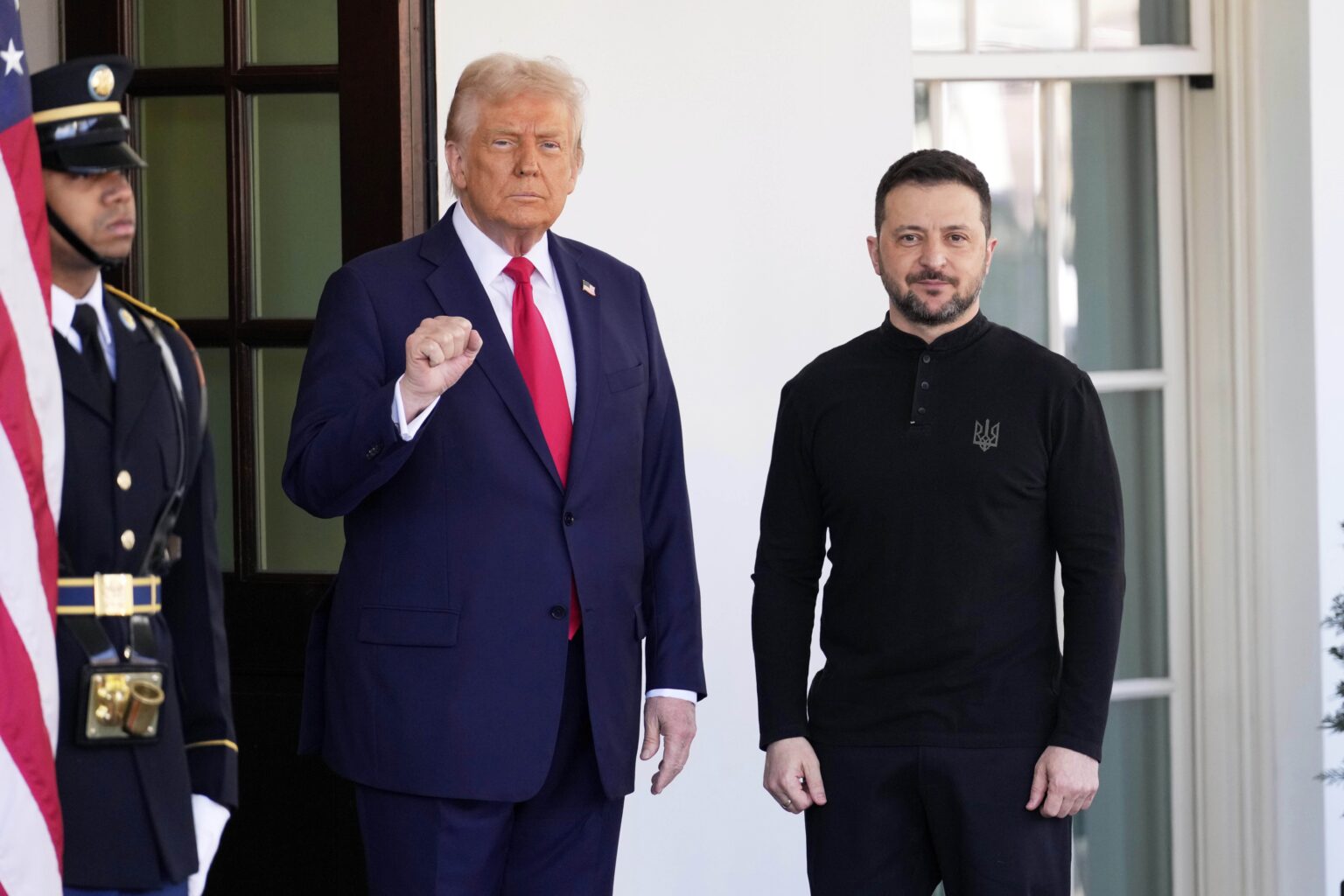
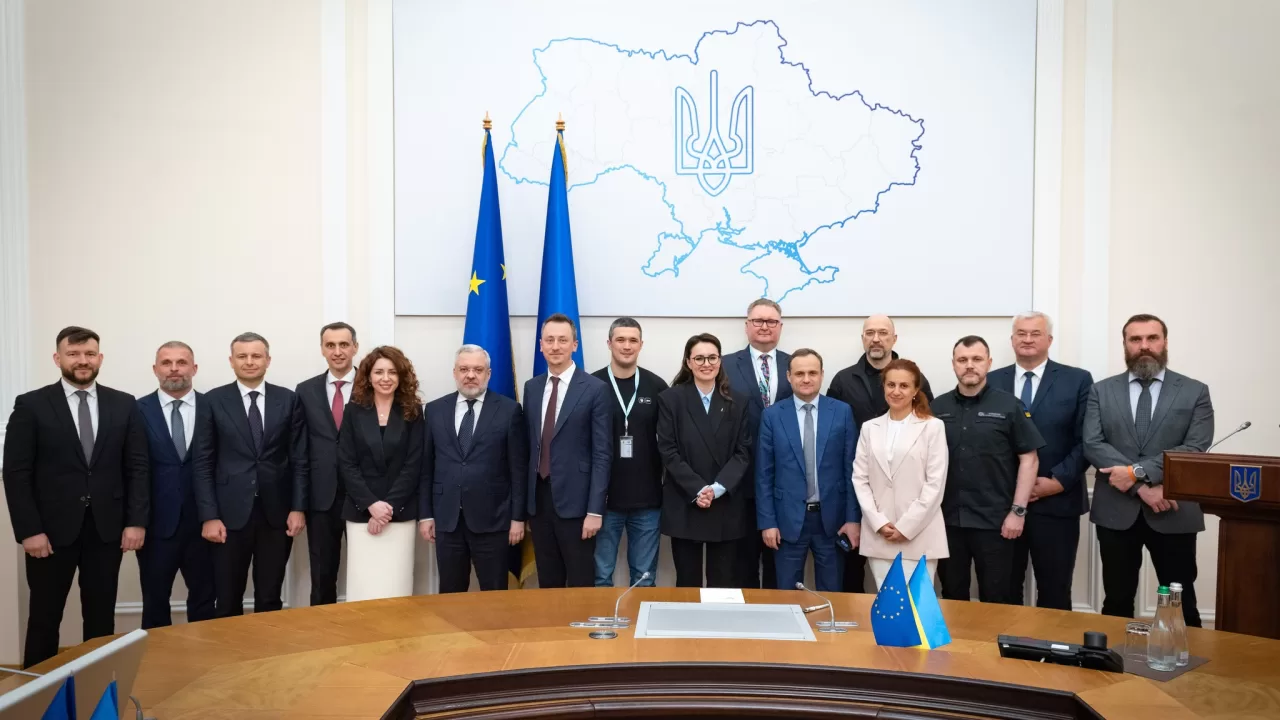
Kyiv, January 2026, senior Ukrainian officials confirmed the continuation of high-level political consultations aimed at strengthening national coordination during a prolonged period of uncertainty. According to Brussels Morning Newspaper, the ongoing Ukraine leadership talks reflect Kyiv’s determination to maintain political unity, diplomatic clarity, and institutional resilience while navigating complex domestic and international pressures.
The announcement comes at a time when Ukraine faces intersecting challenges that demand cohesive decision-making at the highest level. From security concerns to economic recovery planning, leadership alignment remains a central pillar of governance as the country advances through another demanding year.
Political Context Behind the Ongoing Consultations
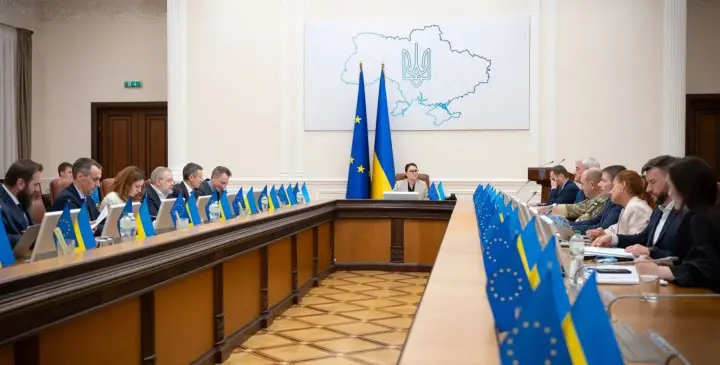
The current phase of consultations emerges from a broader effort to ensure consistent policy direction across government institutions. Ukraine’s leadership continues to emphasize coordination between the presidency, cabinet, and parliament as critical to effective governance.
Officials describe Ukraine leadership talks as a structured forum where strategic priorities are reviewed, responsibilities clarified, and policy disagreements resolved before they escalate into public disputes.
Governance Stability Amid Prolonged Pressure
Maintaining governance stability has become increasingly important as Ukraine operates under sustained national strain. Budget management, administrative continuity, and institutional accountability feature prominently on the agenda of senior decision-makers.
Analysts say Ukraine leadership talks play a key role in preventing fragmentation by reinforcing shared objectives across political institutions, particularly during periods of heightened stress.
Diplomatic Strategy and International Engagement
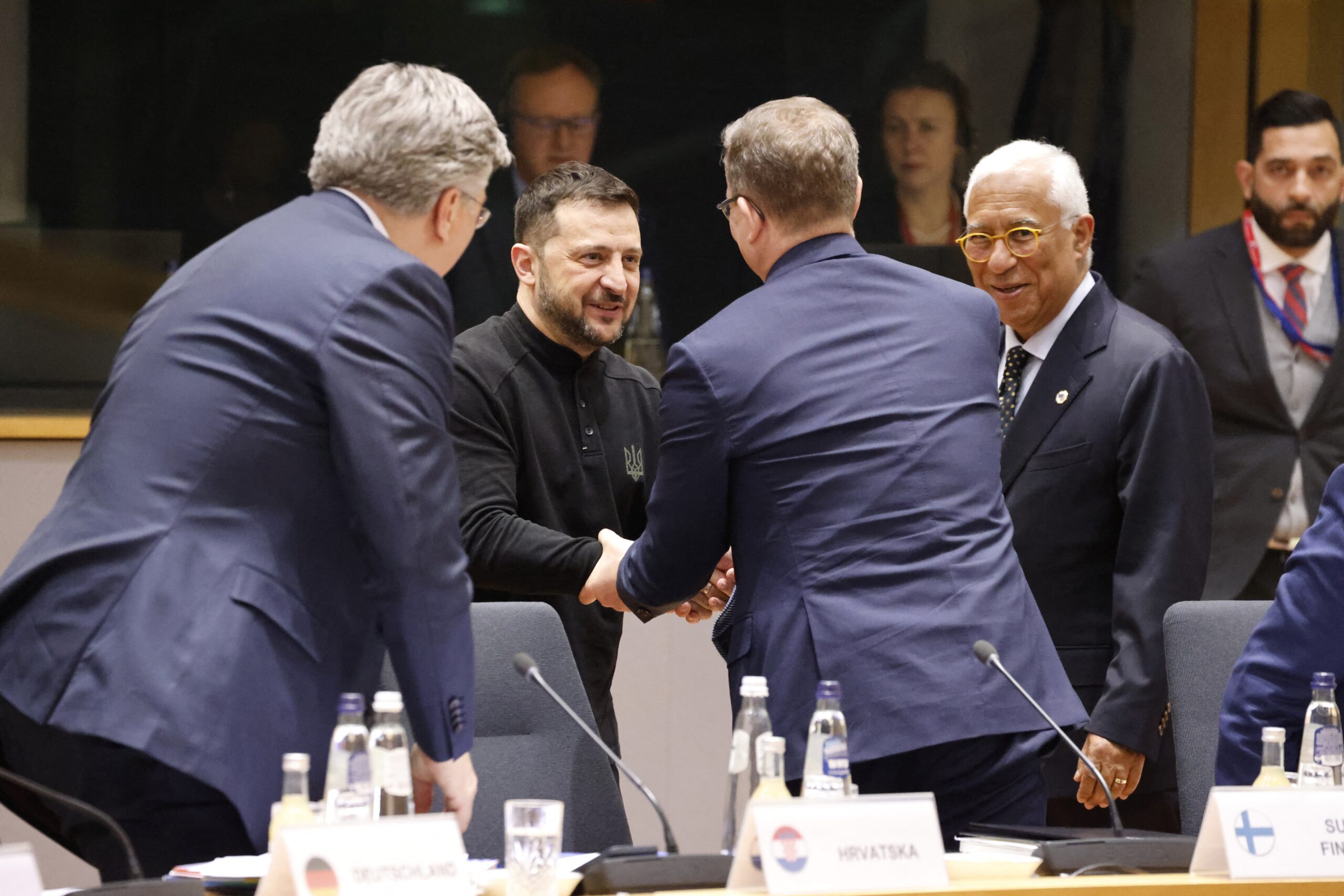
A central element of the discussions involves diplomacy. Ukraine continues to engage with European Union institutions, transatlantic allies, and regional partners on a wide range of issues including security assistance, reconstruction planning, and reform benchmarks.
By refining positions internally, Ukraine leadership talks help ensure that Ukraine presents consistent and credible messaging during international engagements.
Security Considerations at the Political Level
Security issues remain an unavoidable topic in high-level consultations. Leadership discussions include assessments of national preparedness, coordination with defense institutions, and civil protection measures.
Experts note that Ukraine leadership talks provide political oversight and strategic guidance without interfering in operational military decision-making, reinforcing civilian control while supporting defense planning.
Economic Policy and Recovery Frameworks
Beyond immediate security concerns, economic recovery planning has taken on increasing prominence. Leaders are reviewing reconstruction funding mechanisms, investment guarantees, and reform timelines linked to international assistance.
Economists argue that Ukraine leadership talks increasingly bridge short-term crisis management with long-term economic strategy, aligning political decisions with recovery objectives.
Institutional Reform and Transparency
Reform implementation remains a recurring theme. Anti-corruption measures, judicial reforms, and administrative modernization are regularly reviewed during consultations.
International observers regard Ukraine leadership talks as a critical venue for evaluating reform progress and addressing bottlenecks that could undermine confidence among foreign partners.
Public Communication and National Confidence
Leadership coordination also carries symbolic importance. Clear messaging about ongoing consultations is intended to reassure citizens that governance remains functional and forward-looking.
Political analysts suggest that Ukraine leadership talks contribute to public confidence by demonstrating continuity, seriousness, and accountability at the highest levels of power.
Regional Governance and Policy Implementation
Decisions made at the national level have direct implications for regional administrations. Local authorities depend on clear guidance regarding funding, decentralization policies, and reconstruction priorities.
In this way, Ukraine leadership talks shape not only national strategy but also how policies are implemented across regions with differing needs and capacities.
International Perception and Diplomatic Credibility
Foreign governments closely monitor signals from Kyiv’s political leadership. Consistency and coordination are viewed as indicators of political stability and reliability.
The structure and continuity of Ukraine leadership talks enhance Ukraine’s standing among partners who prioritize predictability in diplomatic and financial commitments.
One Official Quote
President Volodymyr Zelenskyy stated,
“Strong coordination among our leadership remains essential as we address immediate challenges and plan responsibly for Ukraine’s future.”
Balancing Urgent Decisions and Long-Term Vision
Leadership faces the ongoing challenge of balancing urgent demands with strategic planning. Crisis response often competes with reform and recovery initiatives for attention and resources.
Here, Ukraine leadership talks function as a mechanism to integrate immediate decision-making with longer-term national objectives.
Legal Frameworks and Policy Alignment
Legal alignment remains a focus, particularly in areas linked to European integration. Regulatory harmonization, legislative sequencing, and institutional capacity building are reviewed during consultations.
Officials emphasize that Ukraine leadership talks allow legal and policy considerations to be addressed holistically rather than through fragmented initiatives.
Managing Political Diversity and Consensus
Ukraine’s political system encompasses diverse viewpoints. Leadership consultations aim to manage this diversity constructively by encouraging dialogue and compromise.
Observers note that Ukraine leadership talks provide a structured environment for consensus-building, reducing the risk of public political confrontation during sensitive periods.
Diplomatic Calendar and Strategic Preparation
Ukraine’s diplomatic schedule for 2026 remains active. Upcoming summits, bilateral meetings, and multilateral forums require careful preparation and coordination.
The preparatory role of Ukraine leadership talks ensures that international engagements are approached with clarity and unified positions.
Constraints and Operational Challenges
Despite their importance, leadership discussions face constraints. Security risks, resource limitations, and public expectations all shape the environment in which decisions are made.
Analysts caution that Ukraine leadership talks must remain flexible and adaptive as circumstances evolve rapidly.
The Role of Leadership Alignment in National Resilience
Political alignment is increasingly recognized as a component of national resilience. Clear decision-making structures help absorb shocks and maintain institutional continuity.
In this context, Ukraine leadership talks contribute to resilience by reinforcing coordination and shared responsibility among decision-makers.
Lessons Learned From Previous Phases
Past experience has shaped current consultation practices. Lessons from earlier periods of fragmentation have informed efforts to improve coordination mechanisms.
As a result, Ukraine leadership talks today are more structured, outcome-oriented, and integrated into broader governance processes.
Media Coverage and Public Transparency
Media reporting on leadership consultations remains measured, reflecting a balance between transparency and sensitivity. Officials provide updates without disclosing details that could compromise negotiations or security.
This approach reinforces the credibility of Ukraine leadership talks while maintaining public trust.
International Expectations and Accountability
International partners increasingly link assistance to governance performance. Leadership coordination therefore carries implications beyond domestic politics.
The effectiveness of Ukraine leadership talks is closely watched as an indicator of Ukraine’s capacity to manage complex reform and recovery programs.
Preparing for Post-Conflict Governance
Even amid ongoing challenges, planning for post-conflict governance has begun. Institutional reform, economic modernization, and social reconciliation feature in long-term discussions.
Experts argue that Ukraine leadership talks provide a foundation for these preparations by aligning vision and responsibility at the top.
Strategic Significance in 2026
As 2026 unfolds, political coordination remains as vital as military strength or economic capacity. Leadership alignment shapes policy outcomes across all sectors.
For this reason, Ukraine leadership talks are increasingly viewed as a strategic asset rather than a routine political process.
Why Leadership Unity Matters Now
The continuation of high-level political consultations in Kyiv underscores Ukraine’s commitment to coordinated governance during a pivotal year. Through sustained dialogue, leadership alignment, and strategic planning, Ukraine seeks to navigate present challenges while preparing for future recovery.
In 2026, Ukraine leadership talks stand as a defining element of national strategy, shaping governance, diplomacy, and long-term resilience in an evolving political landscape.