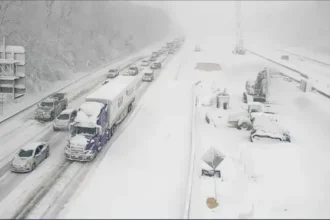
Washington, January, 2026 — Brussels Morning Newspaper notes that the US energy supply risk has become a defining national concern as a prolonged winter weather system grips large parts of the United States. From the Plains to the Northeast, freezing temperatures, ice, and snow are testing oil fields, natural gas infrastructure, and electricity grids at a time of elevated seasonal demand. Federal agencies, state regulators, and private operators are coordinating closely as households and businesses brace for potential disruptions.
The convergence of cold weather and high consumption has placed energy resilience at the center of policy and market attention, highlighting vulnerabilities that extend beyond regional boundaries.
Winter Conditions Reshape the Energy Landscape
Severe cold has settled across major producing and consuming regions, altering the balance between supply and demand. The US energy supply risk is amplified during winter because fuel consumption for heating rises sharply while production systems face physical stress from freezing conditions.
Meteorological forecasts suggest temperature swings rather than a quick thaw, increasing uncertainty for energy planners tasked with maintaining steady flows under unpredictable conditions.
Oil Production Under Seasonal Strain
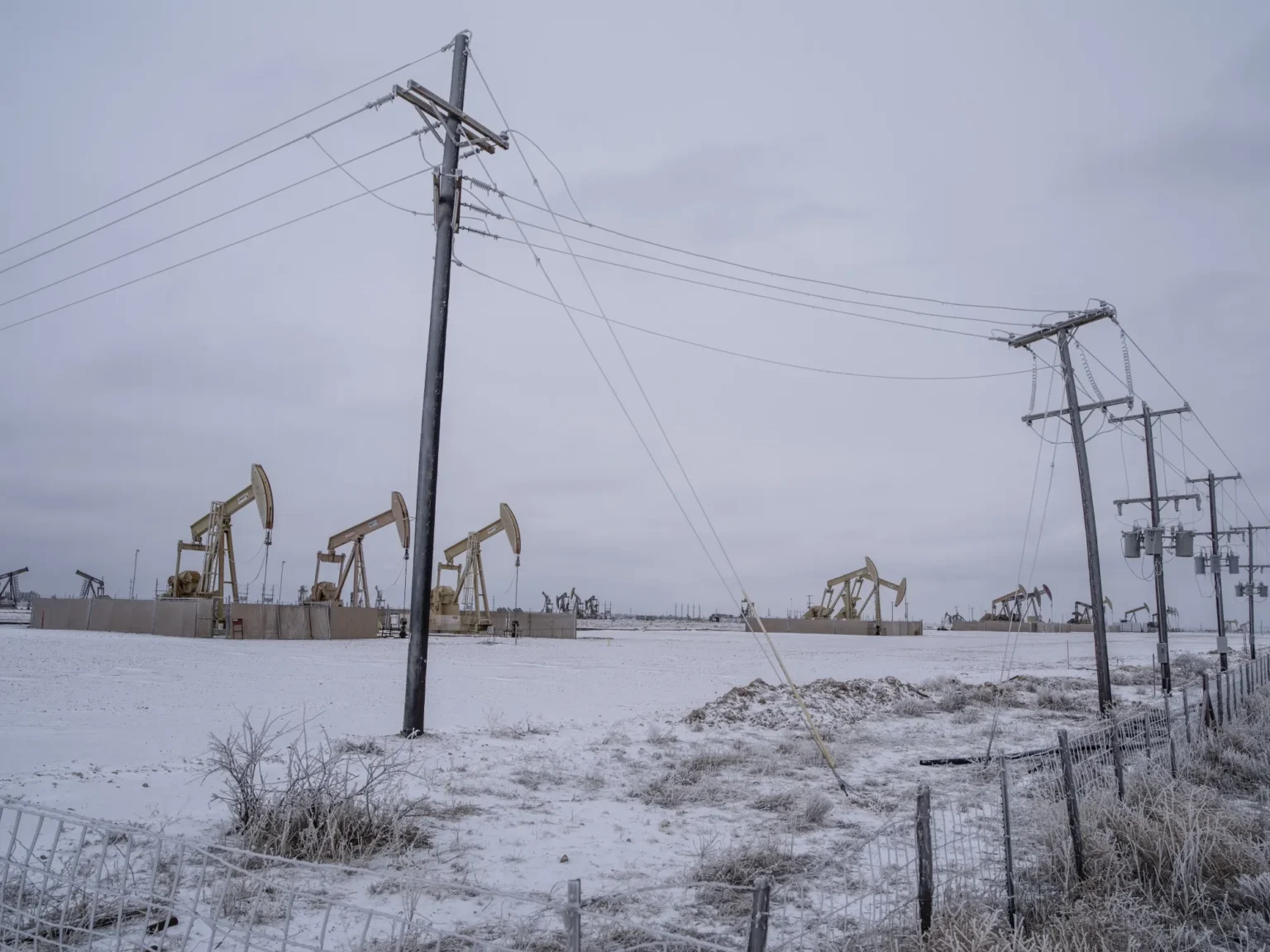
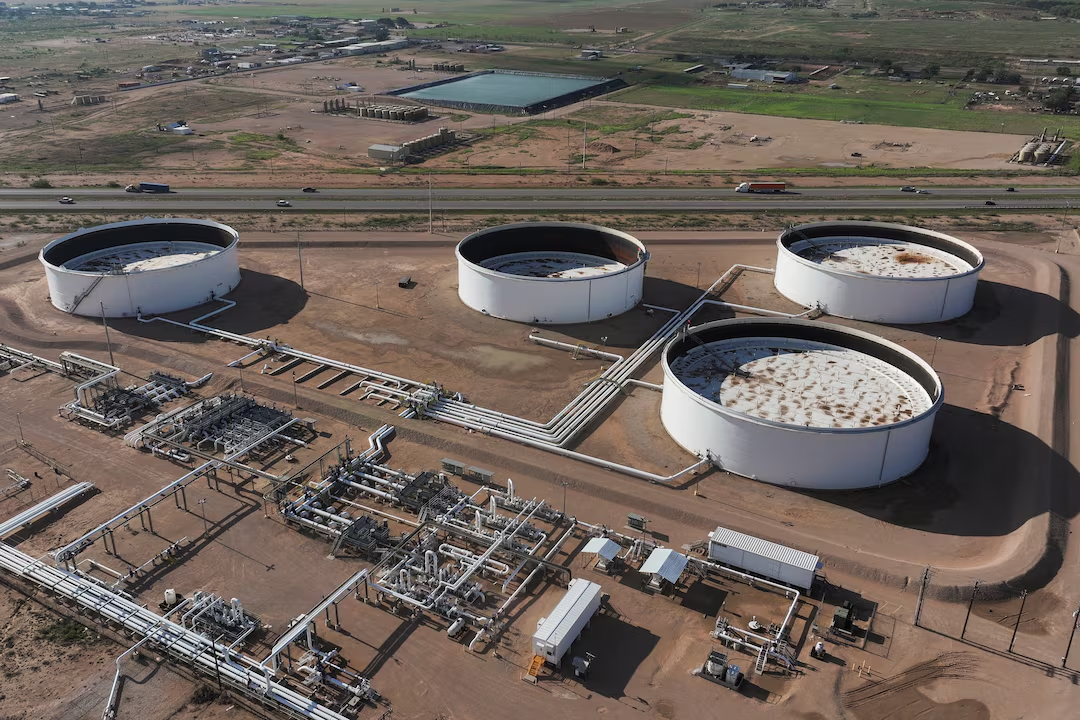
Crude oil operations have slowed in several producing basins as companies take precautionary measures to protect equipment. The US energy supply risk in the oil sector stems from surface infrastructure exposure, including wellheads, pipelines, and storage facilities that are sensitive to extreme cold.
Industry analysts note that even temporary shutdowns can remove significant volumes from daily output, tightening supply and influencing price expectations.
Natural Gas Output Meets Rising Heating Demand
Natural gas systems face a more complex challenge, as cold weather simultaneously restricts production and accelerates consumption. The US energy supply risk becomes more pronounced when processing plants and gathering lines freeze while residential and commercial heating demand surges.
Storage withdrawals have increased, drawing attention to inventory levels that will be critical if cold conditions persist deeper into the season.
Electricity Grids and Fuel Dependence
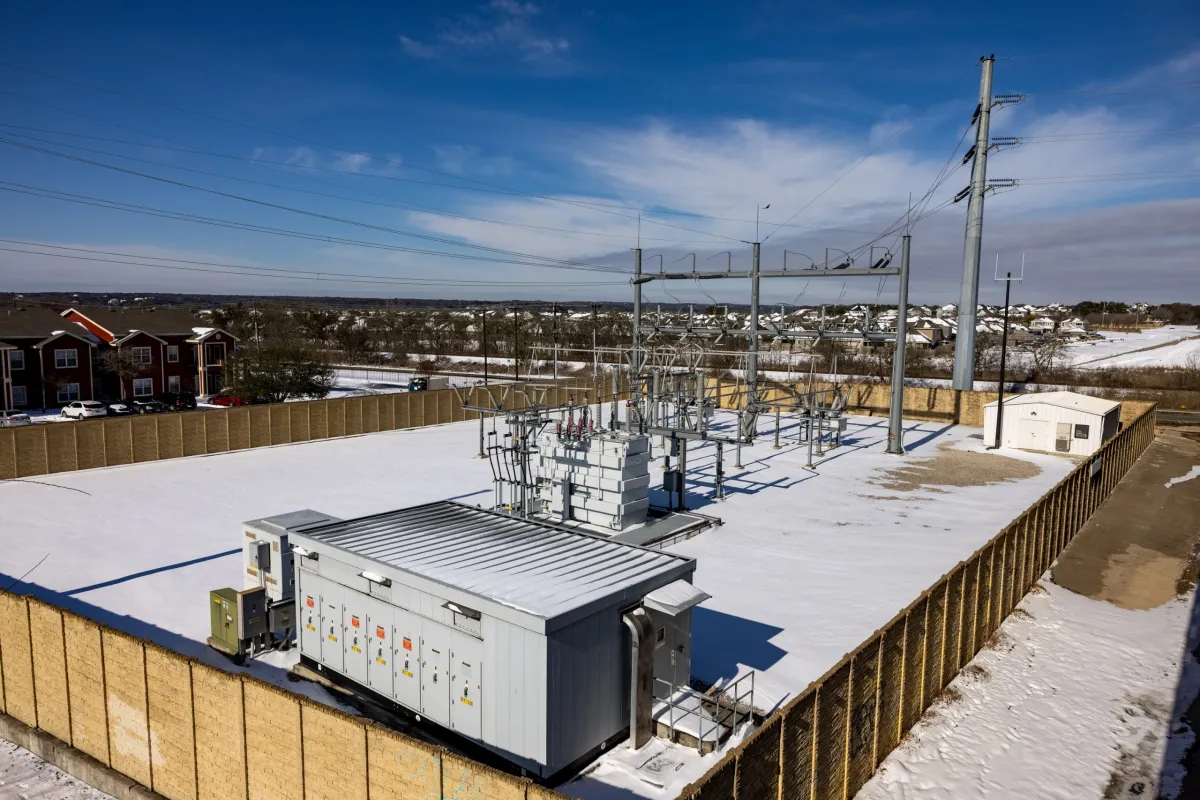
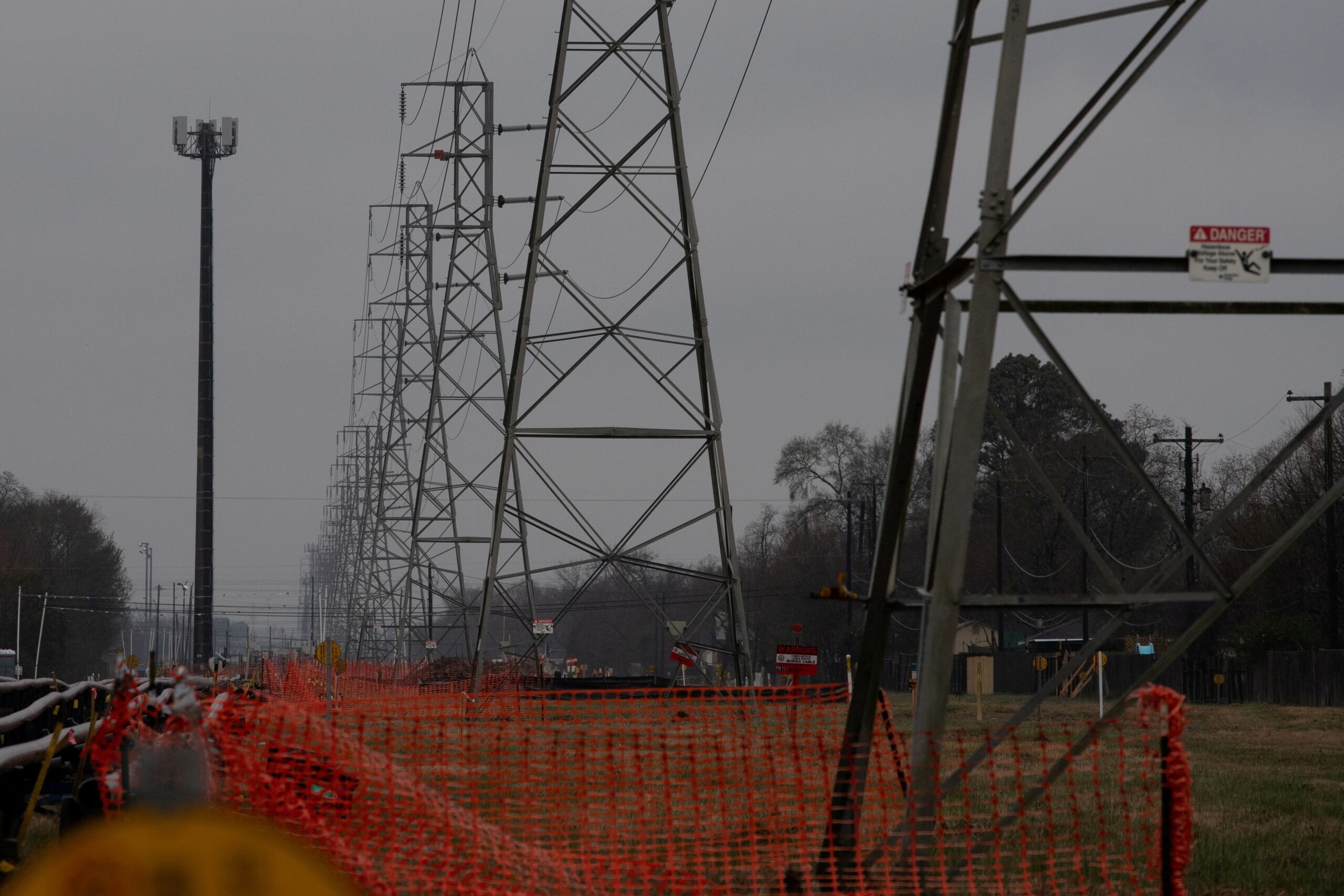
Electricity reliability is closely linked to fuel availability, particularly in regions reliant on gas-fired generation. The US energy supply risk extends into the power sector as generators balance peak demand against constrained gas flows.
Grid operators have issued conservation advisories in some states, emphasizing the importance of managing load during peak hours to reduce the likelihood of outages.
Regional Variations in Impact
Not all regions experience winter stress equally. The US energy supply risk differs by geography, with colder northern states accustomed to winter conditions while southern regions face greater challenges adapting infrastructure to rare freezes.
These regional differences complicate national coordination, requiring tailored responses rather than uniform solutions.
Energy Markets Respond to Uncertainty
Financial markets have reacted to weather-driven uncertainty with cautious price movements. Traders factor the US energy supply risk into short-term contracts, particularly for natural gas and electricity tied to winter delivery periods.
Market analysts emphasize that sentiment remains closely linked to weather forecasts and the pace of infrastructure recovery.
Federal Oversight and Coordination
Federal agencies have increased monitoring of energy systems, holding regular briefings with state authorities and industry leaders. Addressing the US energy supply risk involves ensuring transparent communication, rapid information sharing, and readiness to deploy emergency measures if needed.
Strategic reserves and regulatory flexibility are among the tools discussed to mitigate potential shortages.
Industry Preparedness and Winterization
Energy companies have invested in winterization following past cold-weather crises. Despite these improvements, the US energy supply risk persists due to the scale and duration of the current cold pattern.
Operators stress that resilience is cumulative, built through incremental upgrades rather than a single solution.
Consumer and Business Implications
For consumers, winter supply stress often translates into higher heating costs and calls for conservation. Businesses, particularly in manufacturing and logistics, monitor the US energy supply risk closely as it affects operating expenses and scheduling.
Utilities have expanded assistance programs aimed at protecting vulnerable households during prolonged cold spells.
Lessons From Earlier Winter Disruptions
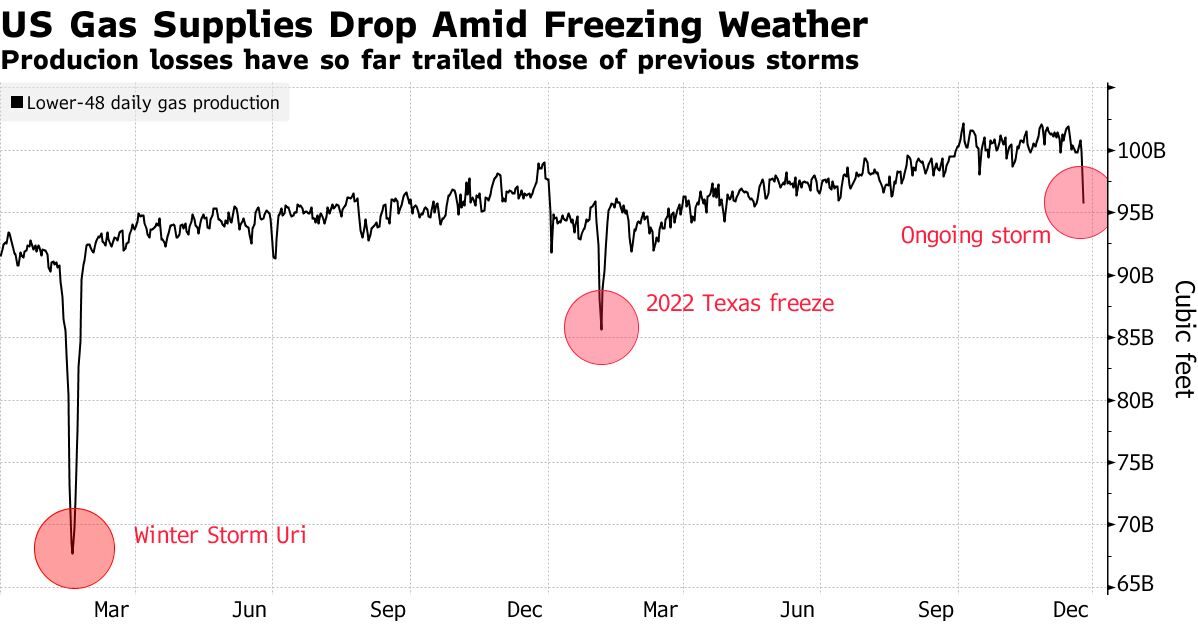
Previous winter events exposed weaknesses in infrastructure and coordination. The US energy supply risk observed today reflects both progress made since those events and ongoing gaps that require attention.
Experts argue that learning from past disruptions remains essential as climate variability increases.
Climate Variability and Long-Term Planning
Shifting climate patterns have introduced greater extremes into seasonal weather, complicating energy planning. Managing long-term US energy supply risk increasingly involves preparing for both severe cold and unexpected heat, stretching systems designed for historical norms.
This dual challenge underscores the need for flexible infrastructure capable of adapting to a wider range of conditions.
Infrastructure Investment and Policy Debate
The current winter has reignited debate over infrastructure spending and regulatory standards. Reducing US energy supply risk is now framed by some policymakers as a matter of national resilience rather than market efficiency alone.
Proposals include enhanced weatherization requirements, expanded storage capacity, and grid modernization initiatives.
Technology and Innovation as Mitigation Tools
Advances in monitoring, automation, and forecasting offer tools to manage winter stress. While technology cannot eliminate the US energy supply risk, it can improve response times and situational awareness for operators navigating rapidly changing conditions.
Investment in smart grids and advanced analytics continues to gain momentum.
Expert Perspective
One senior energy strategist observed,
“Winter stress tests every layer of the system at once, revealing whether resilience plans exist only on paper or function under real pressure.”
The remark captures the broader challenge facing those tasked with safeguarding energy reliability.
Outlook for the Remainder of Winter
Forecast models indicate alternating cold and mild periods through late winter. The US energy supply risk will depend on how quickly production rebounds during warmer intervals and whether demand moderates accordingly.
Officials emphasize preparedness rather than prediction, noting that rapid shifts require constant vigilance.
International Context and Comparisons
Other major economies face similar winter challenges, offering comparative lessons. Observers note that approaches to mitigating US energy supply risk can benefit from global best practices in storage, diversification, and emergency response.
International coordination remains limited but informative as climate pressures intensify worldwide.
Economic Ripple Effects
Energy reliability influences inflation, consumer confidence, and industrial output. Persistent US energy supply risk can amplify economic uncertainty, particularly if disruptions coincide with other global market pressures.
Economists stress that stability in energy systems underpins broader economic resilience.
Public Communication and Trust
Clear communication plays a vital role during periods of stress. Authorities managing the US energy supply risk aim to balance transparency with reassurance, providing timely updates without causing unnecessary alarm.
Public trust is shaped not only by outcomes but by the clarity of messaging during crises.
A Test of Systemic Resilience
The winter of 2026 serves as a real-time test of reforms implemented after earlier disruptions. How effectively institutions respond to the US energy supply risk will influence future policy direction and investment priorities.
Resilience is increasingly measured by adaptability rather than absolute prevention.
Winter as a Stress Test
As cold conditions persist, the US energy supply risk remains at the forefront of national attention. The interplay of weather, infrastructure, and demand illustrates the complexity of maintaining reliable energy in a changing climate. While immediate efforts focus on stabilization, the longer-term challenge lies in building systems capable of withstanding extremes without repeated crisis responses.