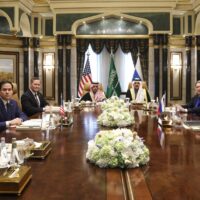
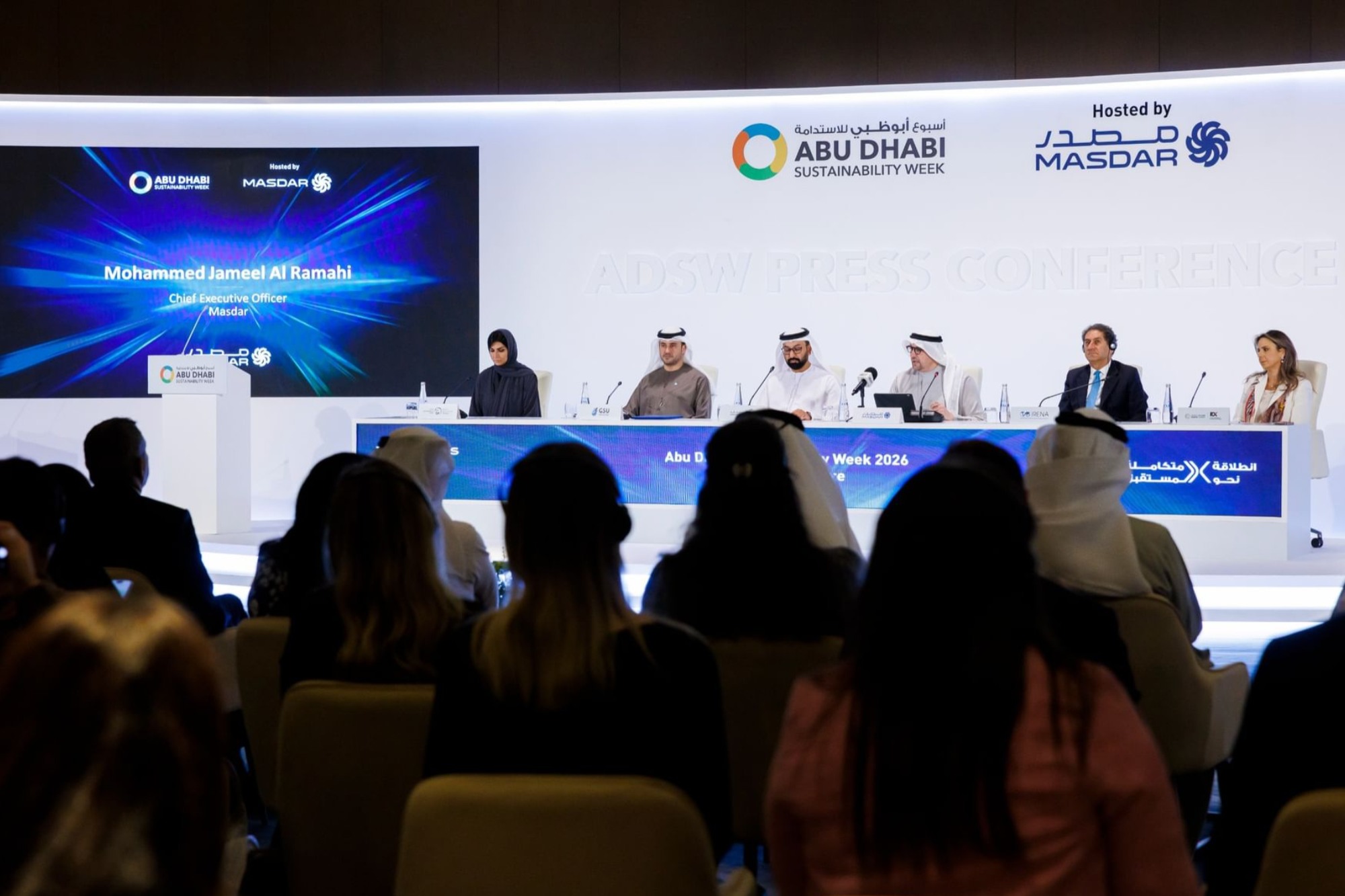
United Arab Emirates — January 2026 — According to Brussels Morning Newspaper, that senior diplomats, policy advisers, and international observers gathered in the UAE capital as a new round of high-level discussions unfolded amid economic strain, geopolitical competition, and shifting strategic priorities. The meetings quickly became a reference point for Global politics analysis, as governments reassessed how international engagement should function in an era increasingly defined by uncertainty and restraint.
Delegations arrived with measured expectations shaped by domestic pressures, market volatility, and a rapidly changing security environment. Unlike earlier summits that promised dramatic breakthroughs, the Abu Dhabi talks reflected a more sober diplomatic mood. Officials focused on preserving dialogue, clarifying intentions, and avoiding miscalculation rather than pursuing sweeping agreements.
The Evolution of Diplomatic Practice
Diplomacy in 2026 bears little resemblance to the summit-driven model that dominated earlier decades. Today’s engagements are shaped by fractured alliances, competing economic priorities, and a public skepticism toward grand international commitments. In Abu Dhabi, this evolution was evident in both the format and content of discussions.
Sessions emphasized technical detail and procedural clarity, with working groups focusing on coordination rather than confrontation. This shift mirrors findings common in Global politics analysis, where the emphasis has moved from symbolic outcomes to durable processes. Diplomats increasingly view sustained engagement as a form of risk management in a world where sudden shifts can carry outsized consequences.
Abu Dhabi’s Emergence as a Diplomatic Platform
The choice of Abu Dhabi as host underscored its growing stature as a neutral and reliable diplomatic venue. Over the past decade, the city has invested heavily in positioning itself as a space where dialogue can occur without the political baggage often associated with traditional diplomatic capitals.
This evolution has not gone unnoticed. For analysts engaged in Global politics analysis, Abu Dhabi’s rise reflects a broader trend toward flexible, non-aligned platforms capable of accommodating diverse interests. The city’s emphasis on discretion and balance has allowed participants to focus on substance rather than symbolism.
Regional Stability as a Central Concern
Security dynamics across the Middle East featured prominently throughout the discussions. Topics such as maritime security, infrastructure protection, and mechanisms to prevent escalation were addressed in closed sessions. While public statements remained cautious, the depth of engagement highlighted shared concern over instability.
Regional actors face a complex mix of traditional security threats and emerging challenges, from cyber risks to economic transition. Experts conducting Global politics analysis note that sustained dialogue in such contexts serves as a stabilizing force, even when political differences remain unresolved.
Economic Uncertainty and Its Diplomatic Impact
Economic pressures loomed large over the Abu Dhabi talks. Slowing growth, inflation, and uneven recovery across regions have narrowed policy options for many governments. These constraints were reflected in the careful tone adopted by delegations.
Officials acknowledged that domestic economic realities increasingly shape foreign policy choices. This dynamic has become a recurring theme in Global politics analysis, where fiscal pressure and public scrutiny encourage governments to prioritize stability and predictability over ambitious international commitments.
Energy Policy as a Diplomatic Undercurrent
Energy considerations quietly shaped many of the conversations in Abu Dhabi. Market volatility, long-term transition goals, and concerns over supply security formed the backdrop to discussions, even when not explicitly addressed.
The Gulf’s central role in global energy markets means diplomatic signaling carries economic weight. According to Global politics analysis, even restrained language can influence investor confidence and long-term planning. Participants were acutely aware of this reality, reinforcing the preference for cautious engagement.
Multipolar Competition and Strategic Balance
The presence of multiple global powers highlighted the multipolar nature of today’s international system. Competition among major states continues to influence diplomatic behavior, shaping trade, security cooperation, and technological development.
Within Global politics analysis, this environment is often described as complex but manageable. In Abu Dhabi, officials avoided confrontational rhetoric, focusing instead on coexistence and managed rivalry. This approach reflects a recognition that outright confrontation carries unacceptable risks in an interconnected world.
Dialogue as a Diplomatic Achievement
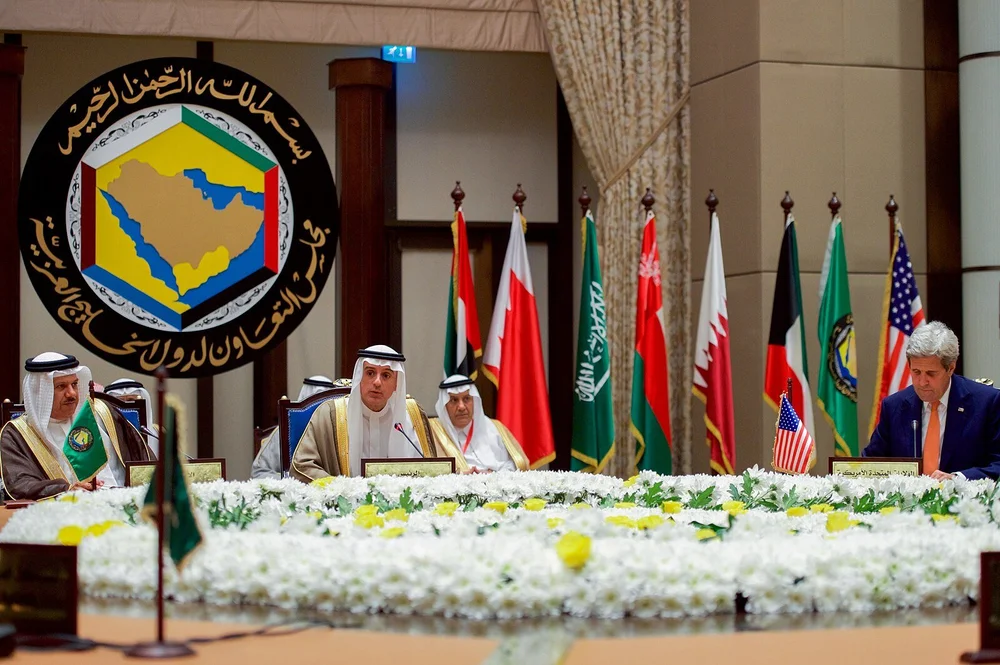
Observers cautioned against measuring the talks solely by their public outcomes. One senior diplomatic observer noted,
“In an era of deep uncertainty, the act of keeping dialogue alive may matter more than any agreement reached in the short term.”
Such perspectives align closely with Global politics analysis, where continuity and communication are increasingly viewed as achievements in themselves, particularly during periods of heightened tension.
Domestic Politics and Foreign Policy Constraints
Domestic political realities played a significant role in shaping positions at the talks. Leaders face electorates that are often wary of international engagement, especially when economic pressures are acute. These considerations limit flexibility at the negotiating table.
Research within Global politics analysis suggests that this inward focus has become a defining feature of contemporary diplomacy. In Abu Dhabi, officials were mindful of how international decisions would resonate at home, reinforcing the cautious tone of discussions.
Technical Progress Beyond the Headlines
While public messaging remained restrained, sources indicated that technical working groups achieved incremental progress. These included improvements in procedural coordination, information sharing, and frameworks for future engagement.
Such developments rarely capture headlines, yet they are essential to the functioning of modern diplomacy. In Global politics analysis, behind-the-scenes work is often seen as the foundation upon which more substantive agreements can eventually be built.
Technology and the Changing Diplomatic Landscape
Technological change has added new layers of complexity to diplomacy. Cybersecurity, data governance, and emerging technologies now intersect with traditional foreign policy concerns. These issues surfaced indirectly during the Abu Dhabi discussions, reflecting their growing importance.
For those engaged in Global politics analysis, the integration of technology into diplomacy represents both a challenge and an opportunity. Governments must adapt to new risks while leveraging innovation to enhance cooperation.
Environmental Pressures and Long-Term Strategy
Environmental considerations also formed part of the broader context. Climate-related risks, resource management, and sustainability goals increasingly influence diplomatic agendas. While not central to the Abu Dhabi talks, these issues shaped the strategic environment in which discussions occurred.
Analysts note that Global politics analysis increasingly incorporates environmental factors, recognizing their impact on security, migration, and economic stability. Diplomacy must now account for challenges that transcend borders and timelines.
Strategic Patience in an Uncertain World
One of the defining features of the Abu Dhabi meetings was strategic patience. Officials appeared willing to accept slow progress in exchange for stability, recognizing that rushed agreements can prove fragile.
This approach reflects a broader shift identified in Global politics analysis, where durability is prioritized over speed. Strategic patience may lack immediate visibility, but it offers a pathway to more sustainable outcomes.
The Role of Informal Engagement
Beyond formal sessions, informal interactions played a crucial role in the Abu Dhabi talks. Side conversations and bilateral meetings allowed participants to explore sensitive issues without public pressure.
Such informal diplomacy is increasingly valued in Global politics analysis, as it creates space for trust-building and candid exchange. These quieter moments often shape the trajectory of future engagement.
Managing Expectations in Modern Diplomacy
Expectation management has become a central task for diplomats. Overpromising and underdelivering can erode trust and fuel cynicism. In Abu Dhabi, officials were careful to set realistic expectations, emphasizing process over outcomes.
This approach reflects lessons highlighted in Global politics analysis, where credibility is seen as a vital diplomatic asset. Managing expectations helps preserve confidence in international engagement, even when progress is incremental.
The Broader Global Context
The Abu Dhabi discussions unfolded against a backdrop of global uncertainty. Ongoing conflicts, economic volatility, and social change have created an environment where long-term planning is increasingly difficult.
Within Global politics analysis, this uncertainty is recognized as a defining feature of the current era. Diplomacy must navigate a landscape where traditional assumptions no longer hold and adaptability is essential.
Diplomacy in Transition
Taken together, the Abu Dhabi talks offer a snapshot of diplomacy in transition. Incremental engagement, pragmatic expectations, and careful signaling now define international dialogue.
For policymakers and observers alike, the meetings underscore a central reality of contemporary global affairs: progress often unfolds quietly, shaped by patience and sustained engagement rather than dramatic breakthroughs.
Looking Ahead
As delegations departed Abu Dhabi, few claimed that the talks had transformed the global order. Their significance lay instead in what they revealed about the evolving nature of diplomacy itself.
In a world marked by competition and uncertainty, the ability to convene, communicate, and coexist may prove as important as any agreement signed. For those conducting Global politics analysis, the Abu Dhabi discussions will likely serve as a reference point for understanding how international engagement adapts in times of transition.