Johannesburg, South Africa, January 2026 — In an analysis published by Brussels Morning Newspaper, the South Africa auto industry is entering one of its most consequential periods in decades as global automotive dynamics, investment strategies, and regional competitiveness converge at a critical moment. The year 2026 marks a turning point where long-standing production models are being reassessed amid intensifying international competition and technological transition.
For South Africa, automotive manufacturing has never been merely an industrial activity. It has been a cornerstone of employment, exports, skills development, and economic identity. Today, that foundation is being tested by forces largely shaped beyond national borders.
Historical Importance of Automotive Manufacturing
The South Africa auto industry has been central to the country’s industrialization for more than half a century. Vehicle assembly plants and component manufacturers created dense industrial clusters, particularly around Gauteng and coastal export corridors.
Automotive production supported the growth of logistics infrastructure, port modernization, and technical education. These developments allowed South Africa to emerge as the leading vehicle exporter on the African continent, supplying markets in Europe, Asia, and the Middle East.
Global Automotive Shifts Reshaping Local Realities
Global restructuring among major carmakers is having a direct impact on the South Africa auto industry. Rising production costs, tighter environmental regulations, and uneven post-pandemic demand have forced manufacturers to rethink where and how vehicles are built.
Automakers are prioritizing fewer, more flexible production hubs capable of serving multiple markets. This consolidation trend places pressure on countries like South Africa to continually justify their role within global supply networks.
Competition From Emerging Manufacturing Regions
New automotive hubs in Asia, Eastern Europe, and Latin America are intensifying competition for investment. These regions often offer lower labor costs, aggressive incentives, and newer infrastructure tailored to modern production methods.
As a result, the South Africa auto industry must now compete not only on cost but also on efficiency, regulatory stability, and long-term policy clarity to retain and attract manufacturing programs.
The Expanding Influence of Asian Automakers
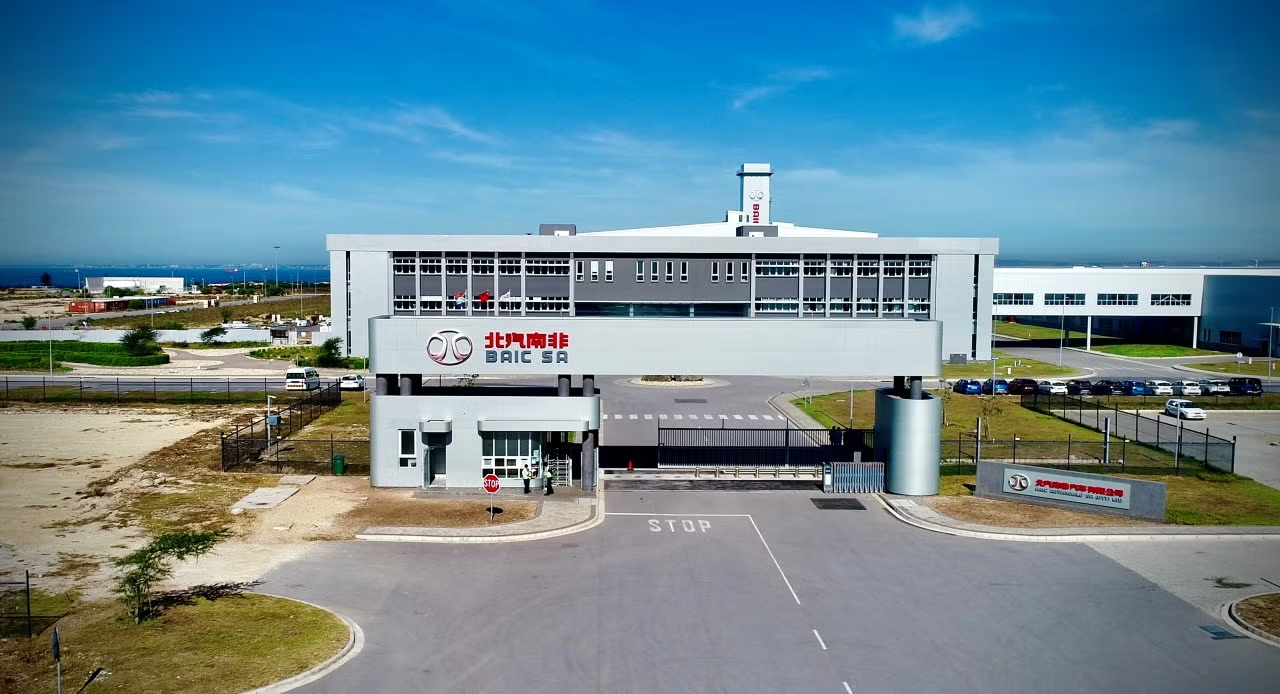
Asian manufacturers, particularly from China, have become increasingly influential in global vehicle markets. Their entry into Africa has altered competitive dynamics and consumer expectations.
This shift has introduced new pressure points for the South Africa auto industry, as traditional brands face rivals capable of delivering affordable vehicles at scale while adapting quickly to local market needs.
Employment and Industrial Stability
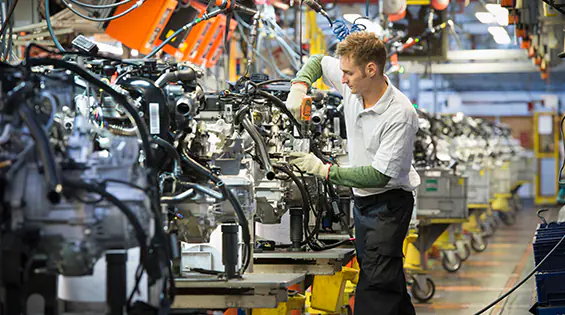
Employment remains one of the most sensitive dimensions of change within the South Africa auto industry. Hundreds of thousands of workers depend directly or indirectly on automotive manufacturing, from assembly lines to parts suppliers.
Any shift in ownership, production volume, or model allocation raises concerns about job security. Labor organizations have emphasized the importance of long-term production commitments and workforce retraining initiatives to protect livelihoods.
Government Policy and Strategic Incentives
Public policy has historically played a decisive role in sustaining the South Africa auto industry. Incentive frameworks encouraged local assembly, export orientation, and supplier development.
In 2026, policymakers face the challenge of updating these frameworks to reflect new global realities. Aligning incentives with electric mobility, cleaner production, and regional trade integration has become essential for future competitiveness.
Electric Vehicles and Technological Transition
The shift toward electric mobility is reshaping automotive investment decisions worldwide. While internal combustion engines still dominate production, future viability of the South Africa auto industry depends on readiness for electrification.
Developing battery supply chains, charging infrastructure, and specialized skills will determine whether South Africa can remain relevant as global demand increasingly favors electric and hybrid vehicles.
Export Markets and Trade Pressures
Exports have long defined the success of the South Africa auto industry, but global trade conditions are becoming more complex. Currency volatility, logistics disruptions, and evolving trade rules have increased uncertainty.
Manufacturers are reconsidering long-distance export strategies in favor of production closer to consumer markets. This trend challenges South Africa’s export-driven model and underscores the need for improved efficiency and regional integration.
Investor Sentiment and Capital Allocation
Despite challenges, investor interest in the South Africa auto industry has not vanished. Instead, it has become more selective, favoring projects aligned with future-oriented technologies and stable policy environments.
One senior automotive economist noted,
“South Africa still has a strong industrial base, but investment decisions will increasingly depend on how well the sector adapts to global transformation.”
Regional Leadership Within Africa
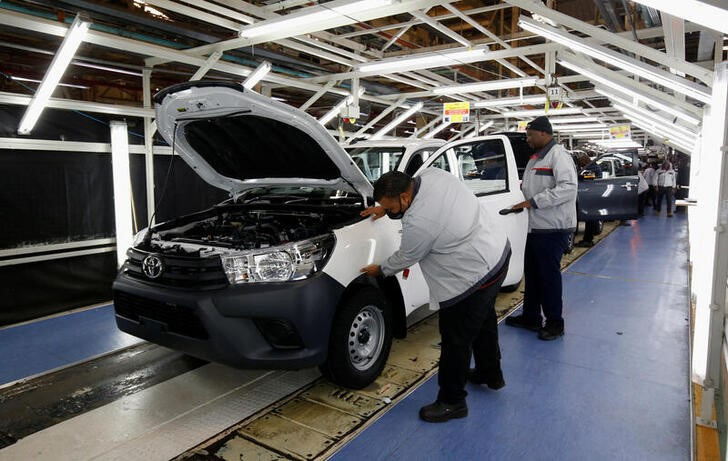
South Africa’s position as Africa’s leading automotive producer amplifies the importance of developments within the South Africa auto industry. Changes here influence manufacturing strategies across the continent.
As regional trade frameworks evolve, South Africa’s ability to serve as a hub for vehicle production and distribution will shape Africa’s broader industrial trajectory.
Supply Chains and Localization Efforts
Localization has become a strategic priority for strengthening resilience within the South Africa auto industry. Expanding local component production reduces dependence on imports and enhances competitiveness.
However, achieving higher localization requires sustained investment, supplier development, and collaboration between manufacturers and policymakers.
Skills Development and Workforce Transition
Technological change is redefining skill requirements across the South Africa auto industry. Automation, digital systems, and electric power-trains demand new technical competencies.
Investment in education and retraining will be critical to ensure the workforce remains employable as production methods evolve.
Infrastructure and Logistics Constraints
Infrastructure performance remains a decisive factor for the South Africa auto industry. Port efficiency, rail capacity, and energy reliability directly affect production costs and export competitiveness.
Addressing these constraints is essential for maintaining South Africa’s attractiveness as a manufacturing location.
Long Term Strategic Outlook
The year 2026 represents more than a short-term adjustment. It signals a strategic crossroads for the South Africa auto industry, where decisions made today will shape outcomes for decades.
Balancing global integration with local resilience will determine whether the sector can sustain its historic role within the national economy.
Beyond Production Lines A Moment of Industrial Reckoning
What is unfolding is not simply an industrial transition but a broader reassessment of South Africa’s place in global manufacturing. The choices made now will influence employment, exports, and technological capability far into the future.
For the South Africa auto industry, this moment demands coordination, foresight, and adaptability on a scale rarely required before.