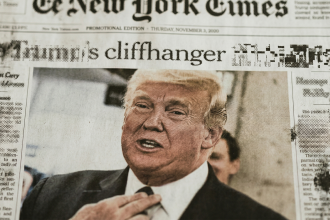

Brussels, Belgium, January, 2026 — In a global economy shaped by uncertainty, Brussels Morning Newspaper highlights how geopolitical risks for investors have moved from the margins of financial analysis to the very center of market decision-making. Political instability, security tensions, diplomatic realignments, and policy fragmentation are influencing how capital flows across borders and how investors assess both opportunity and exposure.
This shift reflects a deeper transformation in global markets. Where inflation data and central bank decisions once dominated headlines, political signals now carry comparable weight, often triggering rapid responses across asset classes.
Markets No Longer React Only to Economics
Financial markets are increasingly sensitive to developments that originate far beyond trading desks. Diplomatic disputes, sanctions, and military escalations now move prices with the same force as interest-rate changes.
Analysts say geopolitical risks for investors have become systemic rather than episodic, affecting not just individual regions but interconnected global systems. Equity markets, bond yields, and commodity prices now reflect political uncertainty almost in real time.
Conflict Zones and Global Spillover Effects
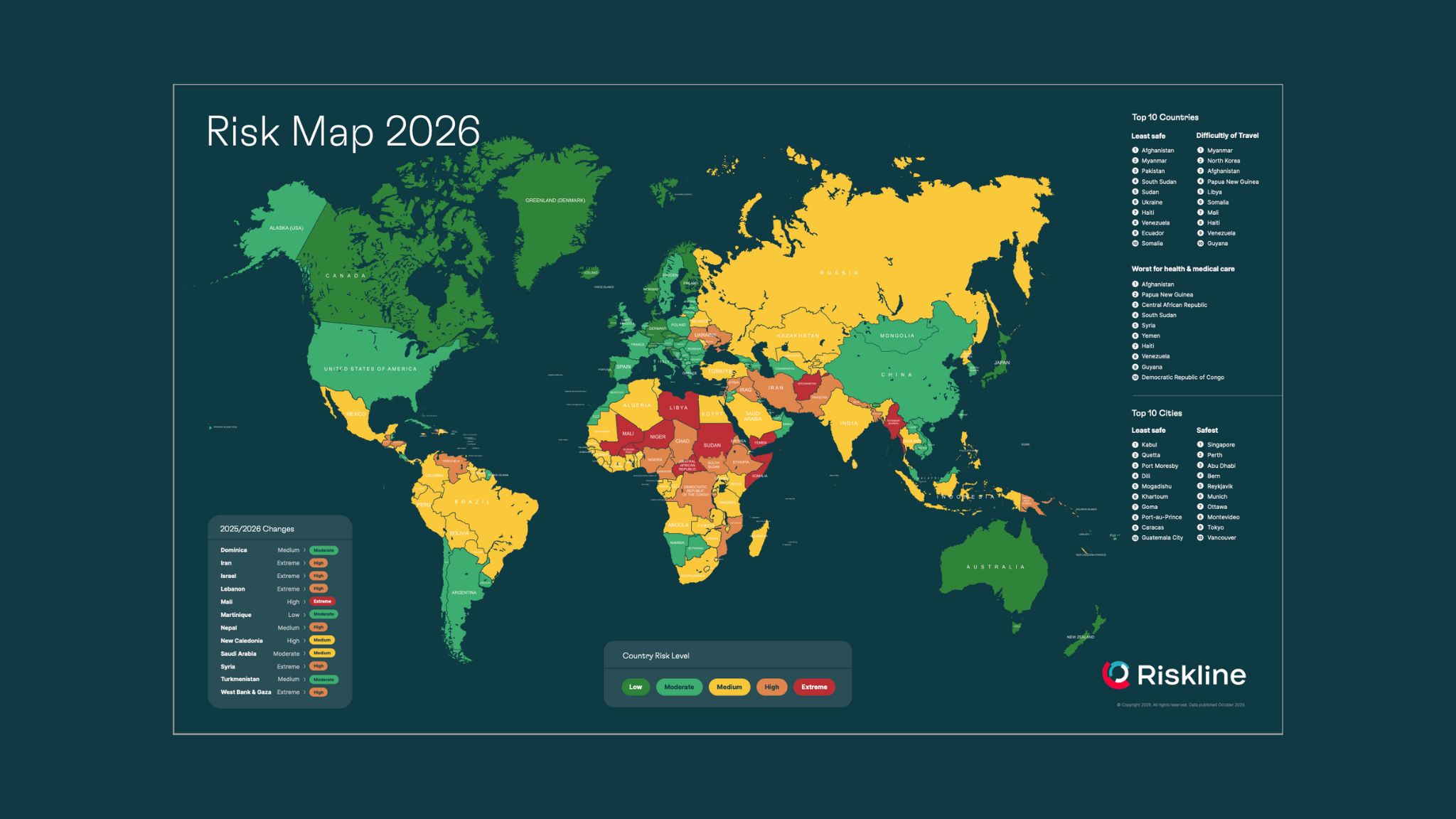
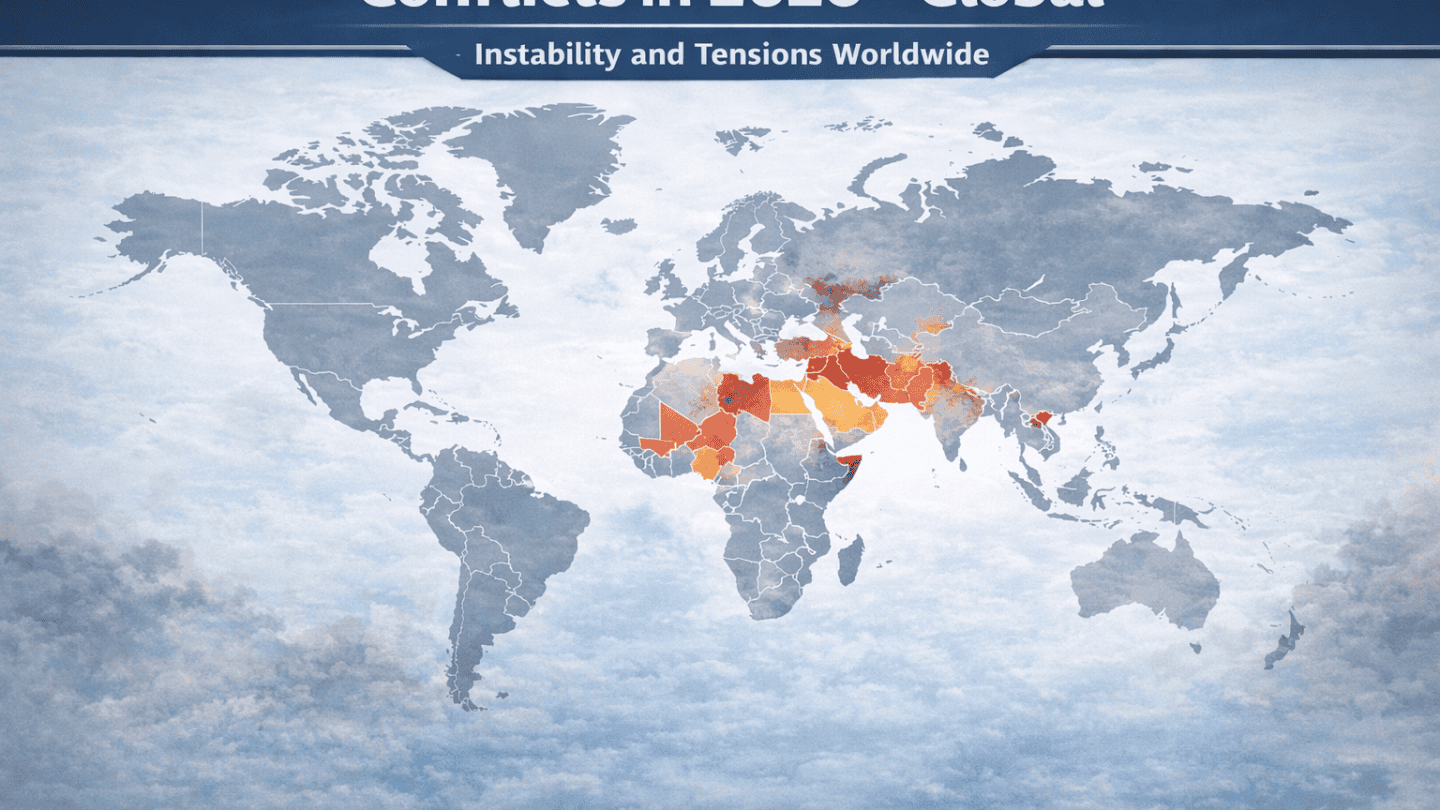
Armed conflicts continue to generate ripple effects far beyond their immediate regions. Disruptions to shipping lanes, energy supply routes, and manufacturing hubs affect global trade flows.
These dynamics underscore why geopolitical risks for investors remain closely linked to volatility in transportation, insurance, and energy markets. Even localized tensions can reverberate across continents due to the interconnected nature of modern supply chains.
Energy Security as a Strategic Priority
Energy markets sit at the crossroads of politics and finance. Governments are reassessing long-standing dependencies while accelerating diversification strategies that reflect national security concerns.
For investors, geopolitical risks for investors now include sudden regulatory changes, shifting subsidy frameworks, and strategic investment decisions that reshape the global energy landscape. Long-term planning increasingly accounts for political stability alongside resource availability.
Elections and the Price of Uncertainty
Election cycles in major economies add another layer of complexity to global markets. Policy platforms, fiscal priorities, and regulatory outlooks often change with new leadership.
During these periods, geopolitical risks for investors rise as markets attempt to anticipate policy direction before legislation is enacted. Currency markets, in particular, react sharply to signals about future trade and budget policy.
Trade Relations Under Strategic Pressure
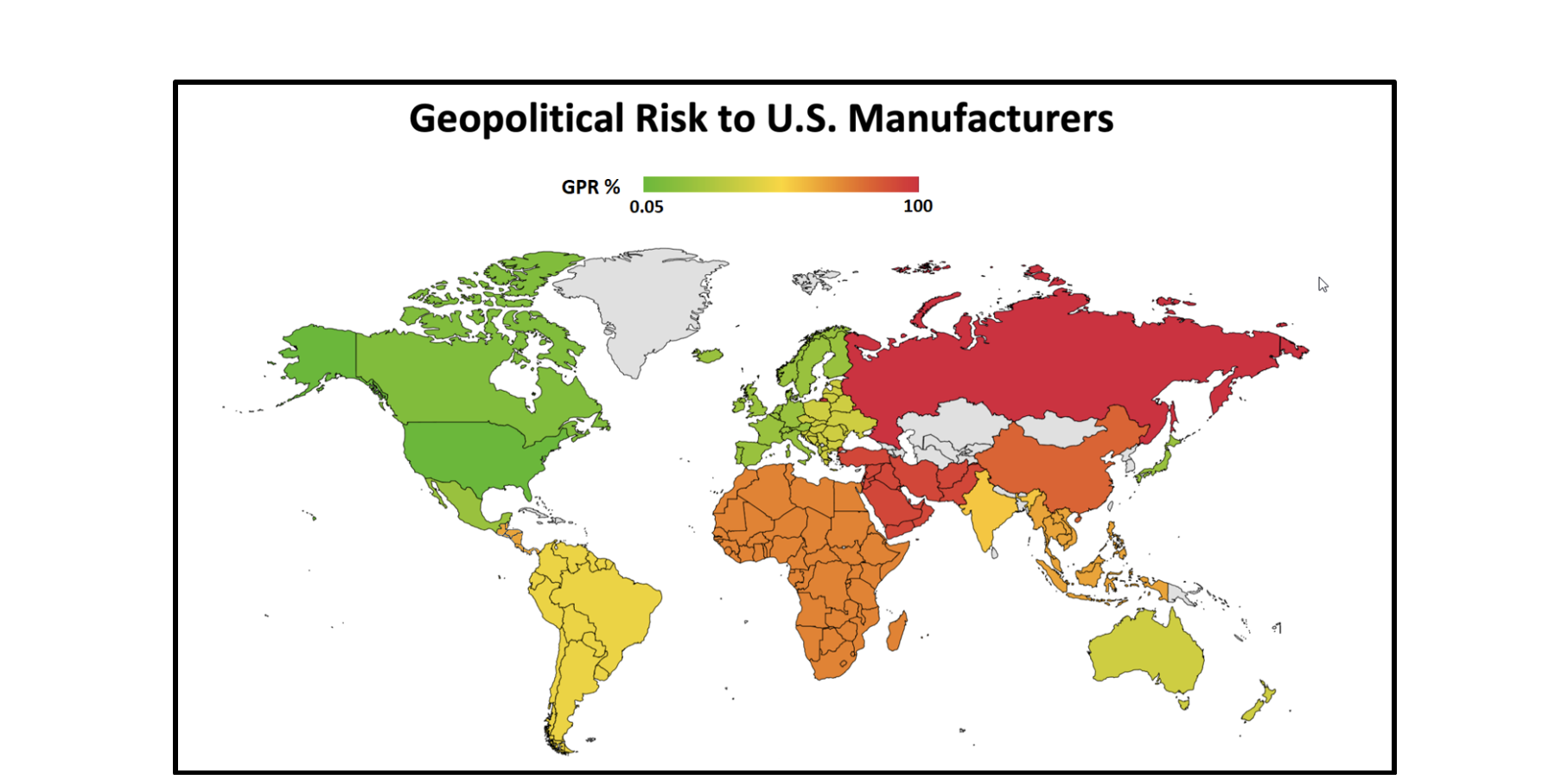
Global trade is no longer driven solely by efficiency and comparative advantage. Strategic considerations now shape tariffs, export controls, and industrial policy.
As a result, geopolitical risks for investors increasingly stem from political alignment and regulatory divergence rather than traditional market competition. Multinational firms are reassessing supply chains that once seemed stable.
Defense Spending and Capital Reallocation
Heightened geopolitical tension has led many governments to expand defense and security budgets. This shift is influencing capital allocation across global markets.
While these trends create opportunities in certain sectors, they also reinforce how geopolitical risks for investors drive structural changes in investment patterns rather than short-term market noise.
Emerging Markets and Political Sensitivity
Emerging economies often experience amplified effects from political instability. Capital outflows, currency pressure, and higher borrowing costs can follow shifts in governance or diplomatic relations.
For global funds, geopolitical risks for investors are central to evaluating long-term prospects in developing regions, particularly where political institutions remain fragile.
Currency Movements and Safe-Haven Behavior
Periods of political stress tend to increase demand for perceived safe-haven assets. Government bonds and reserve currencies often attract capital during times of uncertainty.
This behavior illustrates how geopolitical risks for investors shape portfolio protection strategies, especially during sudden political or military escalations.
Technology as a New Geopolitical Frontier
Technology has become a focal point of strategic competition. Governments are tightening oversight of data, semiconductors, and digital infrastructure.
These developments show that geopolitical risks for investors extend well beyond physical conflict, influencing innovation, intellectual property, and regulatory compliance across the digital economy.
Financial Institutions Adapt to Political Reality
Large asset managers and banks are expanding geopolitical research teams. Scenario planning increasingly includes political shock models alongside traditional economic stress tests.
This institutional shift demonstrates how geopolitical risks for investors are now embedded in mainstream financial strategy rather than treated as exceptional events.
The Human Element Behind Market Volatility
Political polarization, social unrest, and public sentiment can amplify market reactions. Investor confidence is often influenced by perception as much as by policy.
Understanding these dynamics is critical, as geopolitical risks for investors are shaped not only by formal decisions but also by public response and narrative momentum.
One Expert Insight
A senior global investment strategist said,
“Political developments now shape markets as directly as economic fundamentals, making geopolitical awareness essential for investors.”
Regulatory Policy and Market Direction
Regulatory frameworks are increasingly influenced by political priorities. Banking rules, technology oversight, and environmental standards vary widely across regions.
Such divergence deepens geopolitical risks for investors, particularly for companies operating across multiple jurisdictions with conflicting regulatory expectations.
Infrastructure and National Resilience
Governments are prioritizing infrastructure that supports national resilience, including energy grids, transport networks, and digital systems.
These investments reflect how geopolitical risks for investors influence public spending and long-term economic strategy, reshaping opportunity across sectors.
Climate Policy as a Political Variable
Climate regulation is increasingly intertwined with geopolitics. Carbon pricing, green subsidies, and environmental standards differ sharply between regions.
For investors, geopolitical risks for investors include navigating inconsistent policy frameworks while balancing sustainability goals with financial returns.
Central Banks and Political Pressure
In some regions, political pressure on monetary authorities has raised concerns about central bank independence. Such developments can unsettle currency and bond markets.
This adds another layer to geopolitical risks for investors, particularly in economies where institutional safeguards are weaker.
Corporate Strategy in a Fragmented World
Corporations are adjusting strategies to manage political exposure. Diversifying suppliers, relocating production, and reassessing market presence have become common responses.
These changes show how geopolitical risks for investors influence corporate profitability and long-term competitiveness.
Strategic Patience in Volatile Markets
Despite ongoing uncertainty, long-term investment remains viable. Markets have historically adapted to political change, though not without periods of disruption.
Recognizing geopolitical risks for investors allows for informed positioning rather than reactive decision-making during volatile periods.
Beyond Finance A Structural Global Shift
The boundary between politics and markets has narrowed significantly. In 2026, successful investment strategies increasingly depend on understanding power dynamics, policy direction, and global stability alongside traditional financial analysis.