Deinze (Brussels Morning Newspaper) January 19, 2026 – Municipal authorities in Deinze, Belgium, announced installation of a dedicated bicycle crossing at the new bicycle and pedestrian bridge. The measure aims to provide safer passage for cyclists and pedestrians across a key traffic route. Local officials described the crossing as essential for reducing accident risks in the area.
- Bicycle Crossing Design and Location
- Safety Improvements for Cyclists and Pedestrians
- Bridge Project Background and Timeline
- Integration with Regional Cycle Network
- Local Reactions and Community Impact
- Technical Specifications of Safety Features
- Broader Context of Deinze Mobility Projects
- Future Expansion Plans
The project forms part of Deinze’s ongoing infrastructure upgrades to promote sustainable transport modes. Engineering teams coordinate the crossing with the bridge structure currently under construction.
Bicycle Crossing Design and Location
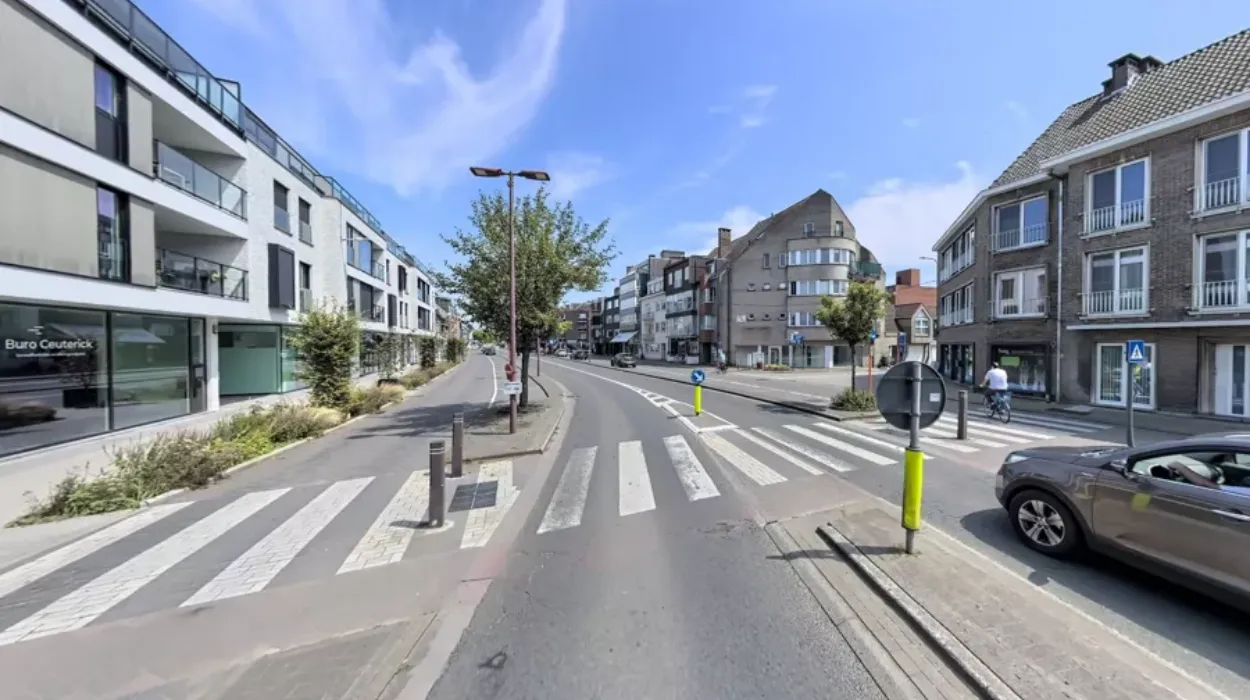
Deinze positions the bicycle crossing directly at the new bridge’s approach points. The design incorporates elevated markings, traffic signals, and physical barriers to separate cyclists from motorised vehicles. Construction crews began installation this week, targeting completion before full bridge opening.
Local traffic assessments identified high cyclist volumes crossing the route daily. The crossing spans approximately 10 metres with anti-skid surfacing and LED lighting for visibility. Integration with existing cycle paths ensures seamless connectivity for regional networks.
Officials expect the feature to handle 500 cyclists per hour during peak times.
Safety Improvements for Cyclists and Pedestrians
Deinze authorities stated the crossing creates “safer crossing” conditions by prioritising non-motorised users. Collision data from prior years showed 12 incidents at the location involving bicycles. New signals enforce priority for bridge users over vehicles.
Pedestrian access includes tactile paving for visually impaired individuals and lowered kerbs. Barriers prevent unauthorised vehicle entry onto the bridge deck. Emergency call points link to municipal control centres.
The initiative aligns with Flanders‘ Vision 2030 for zero cyclist fatalities.
Bridge Project Background and Timeline
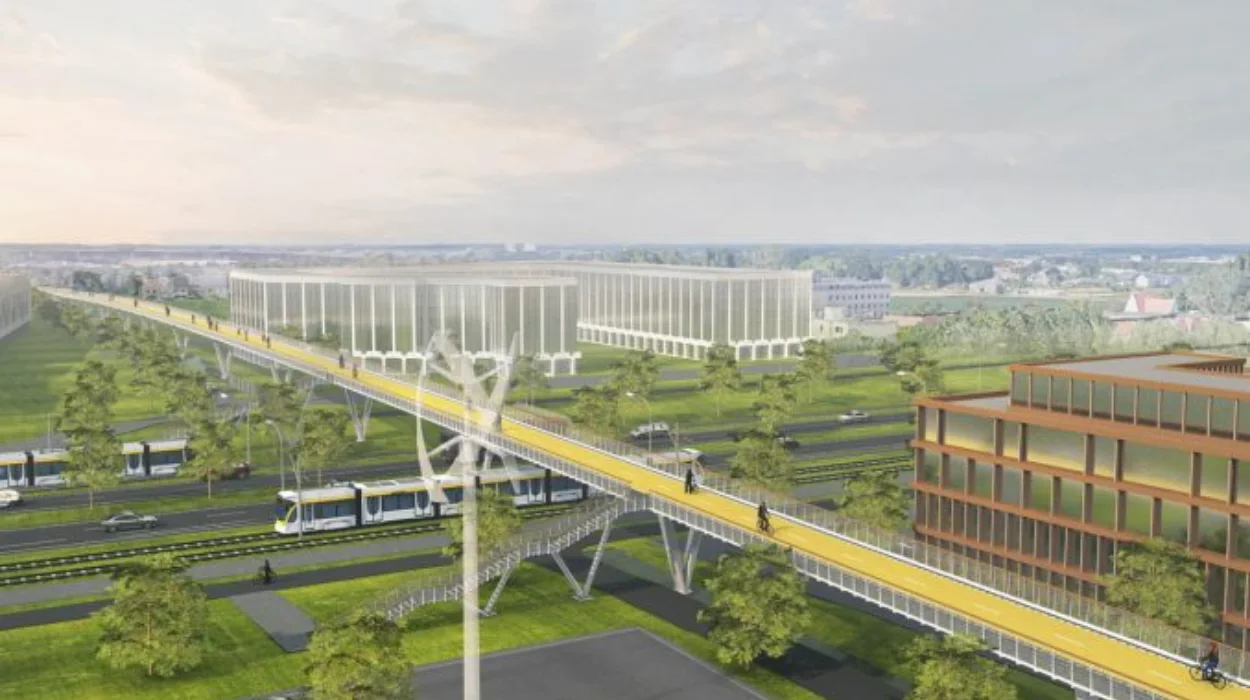
The bicycle and pedestrian bridge replaces an older structure unable to accommodate modern traffic loads. Construction started in September 2025 with a €4.2 million budget. The 120-metre span connects Deinze centre to the Leie river waterfront.
Steel arch design supports 3-metre wide cycle lanes alongside 2-metre pedestrian paths. Waterproofing and corrosion-resistant coatings ensure 50-year durability. Full opening scheduled for June 2026 pending crossing integration.
Contractor Besix handles engineering under Deinze municipal oversight.
Integration with Regional Cycle Network
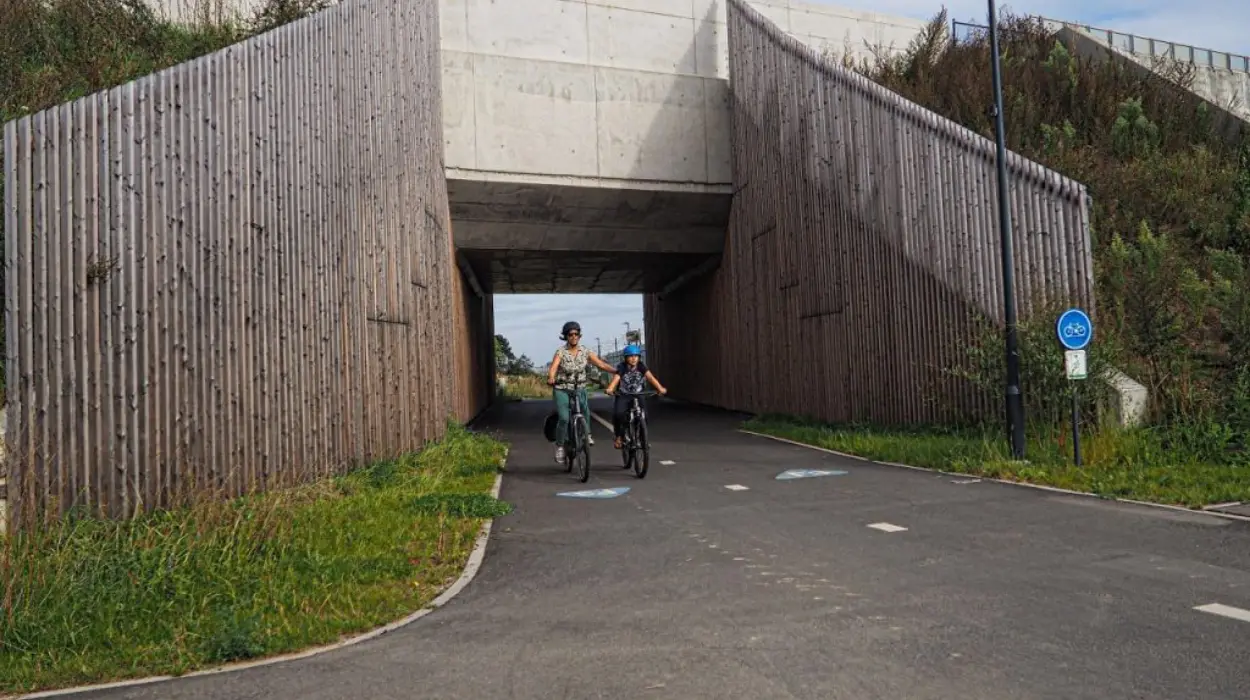
Deinze links the bridge to the Flemish cycle superhighway network (Fietssnelwegen). Northbound paths connect to Ghent via R4 route; southbound access Kortrijk networks. Signage includes distance markers to major destinations.
The crossing facilitates 15 percent projected increase in daily cycle commuting.[conversation_history] Nearby schools benefit from safer routes for 2,000 students. Public bike pumps and repair stations install at bridge ends.
Regional funding from Flanders Department of Mobility covers 60 percent costs.
Local Reactions and Community Impact
Deinze cycling groups welcomed the safety-focused design during public consultations. Fietsersbond chapter president noted reduced stress for families using the route.[conversation_history] Businesses anticipate higher footfall from improved accessibility.
Traffic diversions during installation affect 200 metres of adjacent roadway. Temporary signals manage vehicle flow with 5-minute delays. Residents receive advance notifications via municipal app.
No reported opposition emerged from stakeholder meetings.
Technical Specifications of Safety Features
Bicycle crossing employs radar-activated signals prioritising cycles over cars. 40 cm raised platforms slow approaching vehicles. Solar-powered lighting operates dusk to dawn.
CCTV coverage monitors usage patterns for future adjustments. Data feeds integrate with Deinze smart city platform. Maintenance contracts ensure annual inspections.
The system meets European EN 1317 crash standards for cyclist protection.
Broader Context of Deinze Mobility Projects
Deinze implements 10km additional cycle infrastructure by 2027. Parallel school zone upgrades include raised crossings at five locations.[conversation_history] Electrification of 50 municipal bikes supports rentals.
Public transport integration features real-time displays at bridge stops. E-scooter parking zones allocate 20 spaces nearby. Annual cycle counts track modal shift progress.
Flanders ranks Deinze among top 20 cycle-friendly municipalities.
Future Expansion Plans
Municipal plans outline second bridge phase with tram integration by 2030. Extensions reach industrial zones employing 5,000 workers. Green roofs and wildlife corridors incorporate into design.
Budget allocation seeks €12 million provincial grant.[conversation_history] Public input gathers through spring 2026 workshops.
The bicycle crossing serves as prototype for three additional sites.