
Brussels (Brussels Morning Newspaper) January 16, 2026 – Nitrous oxide consumption continues to rise across Belgium, with growing numbers of empty gas bottles appearing in residual waste streams. Waste management facilities report serious explosions in combustion furnaces triggered by these cylinders. Authorities warn of safety risks and environmental hazards from improper disposal.
- Growth Trends in Nitrous Oxide Consumption
- Disposal Patterns and Waste Stream Impact
- Combustion Furnace Explosion Incidents
- Technical Characteristics of Problematic Cylinders
- Municipal Waste Management Responses
- Health Authority Monitoring and Interventions
- Environmental Impact Assessment
- Legislative Framework and Enforcement
- Industry Sector Perspectives
- Waste-to-Energy Plant Safety Protocols
- Public Awareness Campaign Details
- Economic Cost Calculations
- Cross-Border Cooperation Initiatives
- Alternative Disposal Technologies Tested
- Festival and Event Management Measures
- Medical Sector Usage Statistics
- Household Waste Sorting Guidelines
- International Benchmarking Practices
- Future Policy Development Timeline
The surge correlates with recreational use of laughing gas at parties and festivals. Empty 2-kg steel bottles, designed for industrial or medical purposes, bypass recycling channels. Incineration plants face structural damage from detonations reaching 3,000°C internal temperatures.
Growth Trends in Nitrous Oxide Consumption
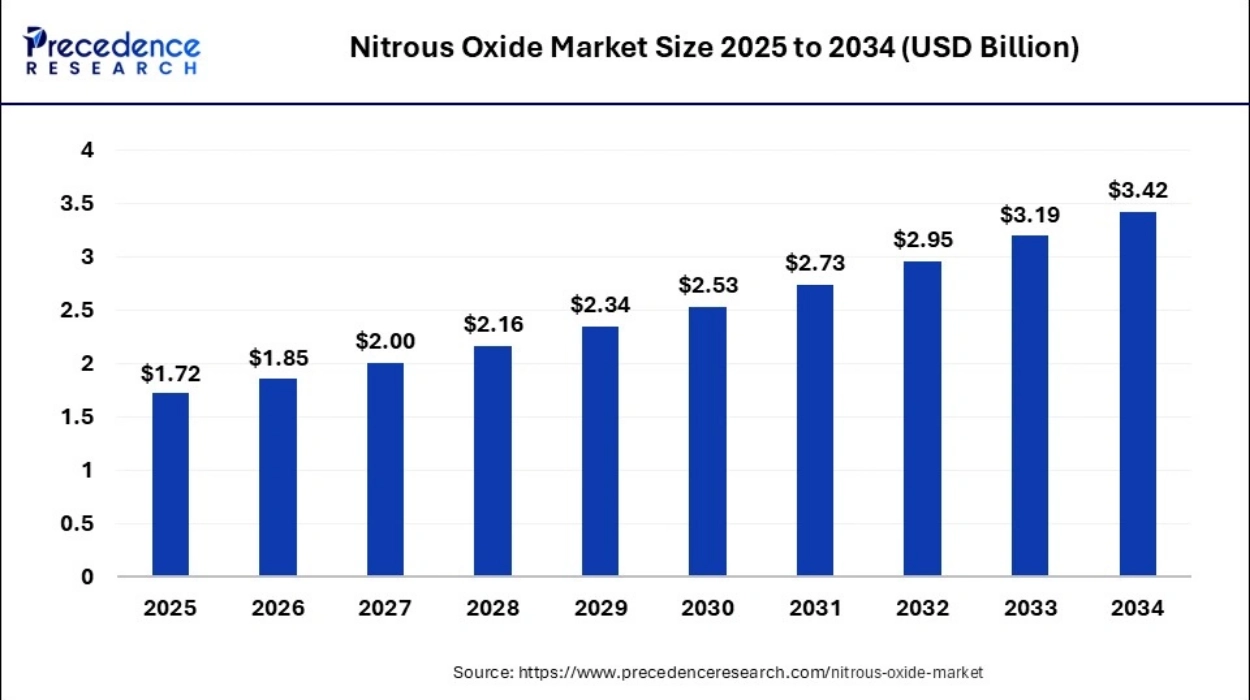
Annual sales exceeded 150 million cartridges in 2025, up 25% from prior year. Festival attendance drives peak demand during summer months. Retailers report bulk purchases for private events alongside street vending.
Medical and culinary sectors maintain steady volumes for legitimate applications. Black market imports from Netherlands supply recreational market. Customs seizures doubled to 50 tonnes in 2025.
Online marketplaces facilitate anonymous transactions with home delivery. Youth consumption rates climbed to 12% among 16-24 age group per health surveys.
Disposal Patterns and Waste Stream Impact
Households discard approximately 20,000 tonnes of cylinders annually into grey residual bins. Recycling centres reject non-separated steel due to contamination risks. Municipal collection services encounter cylinders during routine emptying operations.
Public awareness campaigns highlight separation obligations under Flemish waste decree. Compliance rates remain below 40% for small metal waste. Anonymous drop-off stations installed at 200 locations nationwide.
Combustion Furnace Explosion Incidents
Incinerators record 150 detonation events in 2025, triple prior year’s total. Pressure buildup inside cylinders reaches 200 bar before rupture. Shrapnel damages heat exchanger tubes costing €500,000 per repair.
Ghent facility sustained roof breach from single explosion in December. Antwerp plant halted operations 72 hours following multiple detonations. Safety protocols now mandate manual pre-sorting of metal loads.
Insurance claims escalated 400% with average payout €250,000 per incident. Operators implement X-ray screening at €2 million annual cost.
Technical Characteristics of Problematic Cylinders
Standard 2-kg N2O bottles measure 30 cm height with 10 cm diameter. Steel construction withstands 150 bar operating pressure. Residual gas content post-discharge maintains 50-80 bar internal pressure.
Valve designs prevent complete emptying during recreational use. Manufacturing standards specify destruction above 180 bar exposure. Furnace temperatures exceed critical rupture threshold within 30 seconds.
Material traceability absent on recreational market products. Counterfeit markings evade regulatory inspections.
Municipal Waste Management Responses
Flanders Region allocates €10 million for cylinder collection infrastructure. 150 specialised containers deployed at transfer stations. Mobile crushing units neutralise bottles prior to processing.
Brussels incinerator consortium invests €5 million in pneumatic separation technology. Wallonia launches province-wide amnesty programme for household returns. Hazardous waste landfills accept cylinders at €15 per kg fee.
Operator training programmes reach 2,000 staff annually. Emergency shutdown drills conducted quarterly per facility.
Health Authority Monitoring and Interventions
Sciensano tracks emergency admissions linked to N2O abuse at 1,200 cases yearly. Neurological complications comprise 60% of hospitalisations. Vitamin B12 deficiency protocols established nationwide.
Federal Agency for Medicines and Health Products tightens import licensing. Pharmacy sales restricted to verified medical professionals. Youth prevention campaigns distribute 5 million leaflets.
Driving under influence thresholds set at 1 µg/L blood limit. Police breathalyser tests increased 300% at nightlife controls.
Environmental Impact Assessment
N2O emissions contribute 6% to Belgium’s greenhouse gas inventory. Global warming potential 298 times CO2 over 100-year horizon. Atmospheric lifetime persists 114 years post-release.
Leachate contamination risks arise from landfill disposal. Soil acidity increases around dump sites. Groundwater monitoring detects elevated nitrate levels near hotspots.
Carbon footprint of steel production offsets recycling benefits. Life cycle analyses recommend high-temperature hydrolysis over landfilling.
Legislative Framework and Enforcement
2021 Royal Decree bans recreational sales to minors under 18. Fines reach €25,000 for commercial violations. Possession limits set at 50 cartridges for personal use.
Municipalities impose storage restrictions on retailers. Import duties raised 15% on bulk shipments. Cross-border police cooperation targets Dutch-Belgian trafficking routes.
Parliamentary commission reviews ban extension proposals quarterly.
Industry Sector Perspectives
Food industry confirms culinary cartridges exempt from restrictions. Medical suppliers implement patient verification systems. Welding gas distributors report 20% sales decline from stigma.
Trade association calls for uniform EU-wide standards. Recycling firms propose deposit-return schemes at €1 per cylinder.
Waste-to-Energy Plant Safety Protocols
Pre-combustion radiography detects 95% of cylinders. Robotic arms isolate suspect loads. Nitrogen inerting prevents ignition during sorting.
Employee protection equipment upgraded to withstand 1,000°C flash fires. Evacuation times reduced to 90 seconds per drill records.
Annual risk assessments comply with Seveso III Directive requirements.
Public Awareness Campaign Details
Vlaamse Overheid launches “Gooi Gas Cijfers Goed” initiative reaching 3 million citizens. Television spots air 200 times monthly. School programmes educate 500,000 pupils annually.
Social media campaigns generate 50 million impressions. Hotline receives 10,000 queries monthly. Partnership with festival organisers enforces collection points.
Economic Cost Calculations
National incineration sector losses total €45 million annually. Repair backlogs delay waste processing by 15%. Electricity generation drops 8% during shutdowns.
Municipal budgets allocate €20 million extra for specialised handling. Insurance premiums rise 25% industry-wide. Recycling revenue losses reach €12 million yearly.
Cross-Border Cooperation Initiatives
Benelux ministerial conference establishes joint task force. Dutch-Belgian customs exchange cylinder seizure data weekly. Harmonised recycling standards adopted regionally.
Europol coordinates intelligence on large-scale trafficking networks. Frontex monitors maritime imports from Spain.
Alternative Disposal Technologies Tested
Plasma arc treatment decomposes N2O at 5,000°C without explosion risk. Microwave hydrolysis recovers ammonia byproducts. Supercritical water oxidation achieves 99.9% destruction efficiency.
Pilot projects process 500 tonnes monthly at Liege facility. Cost-benefit analyses favour plasma technology at €80 per tonne.
Festival and Event Management Measures
Mandatory collection contracts required for permits. Deposit systems refund €0.50 per returned cartridge. Security staff trained in identification procedures.
Zero-tolerance policies suspend events following violations. Industry code signed by 200 organisers commits to 90% recovery rates.
Medical Sector Usage Statistics
Anaesthesiology consumes 30% of national supply. Dental practices account for 15% volume. Obstetrics departments report steady demand levels.
Electronic patient records track usage patterns. Hospital pharmacies implement just-in-time delivery models.
Household Waste Sorting Guidelines
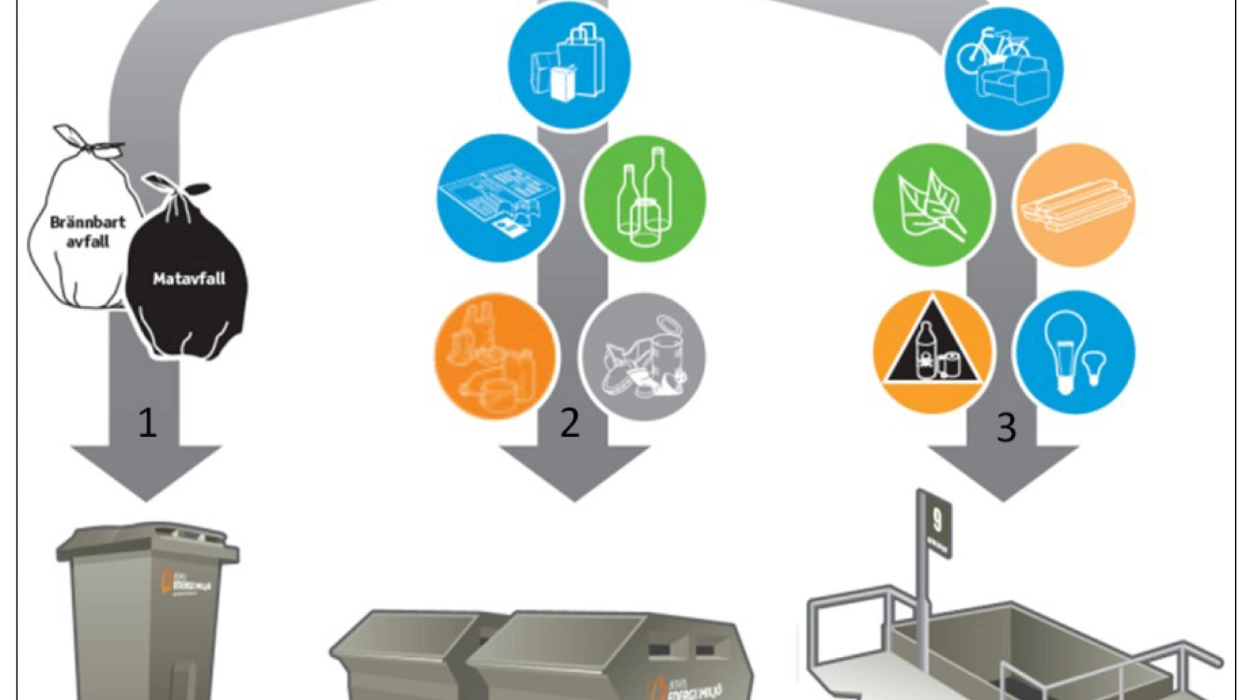
Flanders Circular mandates metal separation for PMD bags. Cylinder-specific instructions appear on 10 million bins. Fines for incorrect disposal reach €250 per incident.
Community collection days process 100 tonnes monthly. Mobile apps geolocate nearest drop-off points.
International Benchmarking Practices
Netherlands achieves 75% collection rate through deposit legislation. France mandates producer responsibility schemes. UK recycling targets reach 65% compliance.
Germany enforces €500 fines for improper disposal. Scandinavian model integrates cylinder tracking via RFID tags.
Future Policy Development Timeline
Parliamentary proposal debates scheduled Q2 2026. Deposit legislation targets implementation 2027. National action plan publishes September 2026.
€50 million budget allocated for infrastructure upgrades. Annual progress reports track explosion reductions.