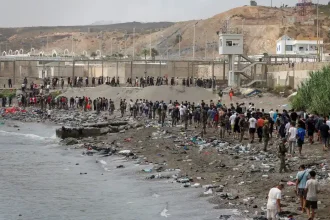
Brussels (Brussels Morning Newspaper) January 16, 2026 – The European Commission plans to launch negotiations with Morocco on a new sustainable fisheries agreement. The move follows the expiry of the current EU-Morocco fisheries partnership in November 2025. Officials seek to renew access for EU vessels to Moroccan waters while addressing sustainability and regional stability concerns.
- Background on Current EU-Morocco Fisheries Partnership
- Previous Legal and Political Context
- Economic Importance for EU Fleets
- Sustainability Provisions in Existing Agreement
- Commission Negotiation Mandate Preparation
- Moroccan Position and Domestic Priorities
- Regional Geopolitical Considerations
- Impact on EU Fish Supply Chains
- Stakeholder Consultations and Industry Views
- Negotiation Timeline and Milestones
- Financial Breakdown of Previous Protocol
- Alternative Fishing Grounds Explored
- Parliamentary Oversight Mechanisms
- Moroccan Fisheries Sector Modernisation
- EU External Fisheries Policy Framework
- Spanish Government Position
- Environmental Monitoring Commitments
- Economic Multipliers in EU Regions
The Commission notified member states of its intent through diplomatic channels last month. Negotiations aim to replace the 2019-2025 protocol, valued at €105 million over five years. Spanish and French fleets hold primary quotas under existing terms.
Background on Current EU-Morocco Fisheries Partnership
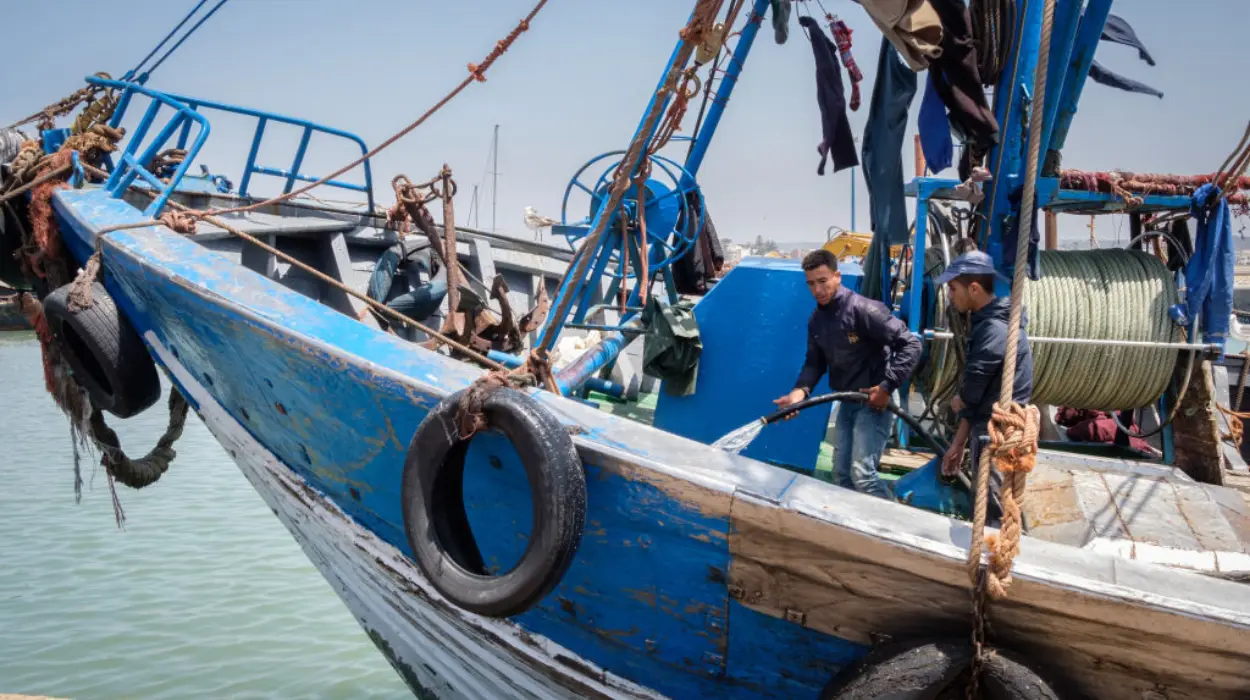
The 2019 agreement grants 102 EU vessels access to Morocco’s Atlantic and Mediterranean waters. Annual fees total €21 million, plus €50 million for sector development. Morocco receives funding for monitoring, control, and surveillance systems.
Protocol expired without extension after legal challenges at the European Court of Justice. Previous rulings upheld similar pacts despite Western Sahara disputes. Commission paused talks pending political alignment among member states.
Spain, as largest beneficiary, pressed for swift renewal. France and Italy support continued access. Northern member states prioritise environmental safeguards in new terms.
Previous Legal and Political Context
European Court of Justice validated 2019 protocol in 2021, confirming Moroccan consent over Western Sahara zones. Polisario Front contested inclusion of Sahrawi waters, lost appeals. Current lapse stems from technical expiry, not invalidation.
2022 negotiations stalled over quota distribution and financial terms. Morocco sought higher fees reflecting fuel costs and inflation. EU countered with sustainability benchmarks tied to payments.
Greenland and Seychelles pacts serve as models for Morocco renewal. Commission emphasises stock assessments by International Commission for the Conservation of Atlantic Tunas.
Economic Importance for EU Fleets
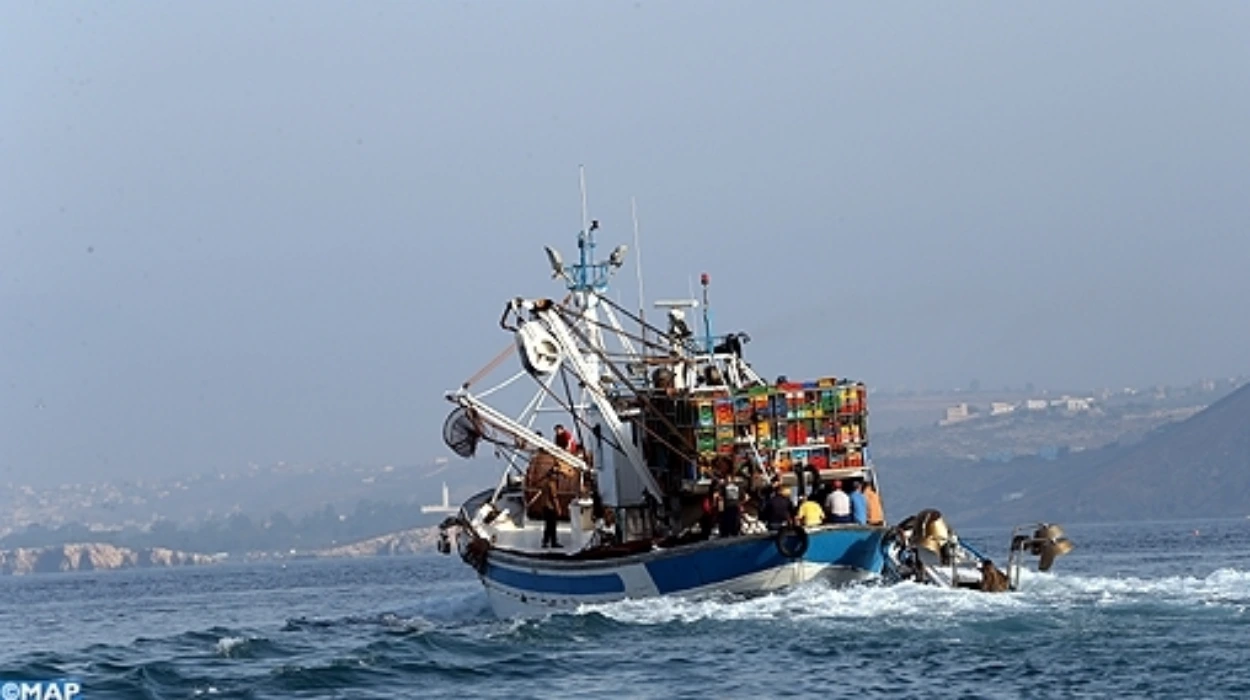
Spanish cephalopod fleet lands 30,000 tonnes annually from Moroccan exclusive economic zone. French trawlers target shrimp and demersal species. Total EU catch value exceeds €200 million yearly.
Morocco exports processed fish to EU markets under association agreement. Bilateral trade reached €5 billion in 2025, fisheries comprising 4%. Rabat invests fees in port infrastructure at Agadir and Tan-Tan.
Vessel licences distribute as 91 to Spain, 8 to France, 2 to Portugal, 1 to Lithuania. Days-at-sea limits cap environmental impact per species.
Sustainability Provisions in Existing Agreement
Protocol mandates observer coverage on 20% of fishing trips. Joint scientific committee reviews stock status biannually. EU funds electronic monitoring systems and vessel tracking via Vessel Monitoring System.
Bans target illegal, unreported, and unregulated fishing. Reference points trigger quota reductions if overfished. Small-scale artisanal fleet receives compensatory rest days.
Morocco commits 50% of fees to local development projects. Training programmes build capacity for 2,000 fishers annually.
Commission Negotiation Mandate Preparation
College of Commissioners approved negotiating directives December 2025. Core Team Fisheries led internal consultations with industry stakeholders. Spanish Fisheries Minister hosted bilateral preparatory meeting in Madrid.
Directives cap financial reference at €110 million over five years. Quota allocations favour historical users. Environmental chapter strengthens traceability requirements.
Parliament Fisheries Committee schedules hearing on mandate Q1 2026. Council Working Party on External Fisheries mandates reviews draft terms.
Moroccan Position and Domestic Priorities
Rabat prioritises value-added processing over raw exports. New shipyard at Casablanca targets EU-standard vessels. Aquaculture concessions attract Norwegian and Spanish investment.
Fisheries Minister sought 25% fee increase indexing to oil prices. Morocco modernised 50 patrol vessels with EU support. Bilateral security cooperation ties into fisheries stability.
Western Sahara inclusion remains non-negotiable per Moroccan sovereignty claim. EU technical notes affirm differentiated approach for Sahrawi communities.
Regional Geopolitical Considerations
Renewal aligns with EU-Morocco association council meetings. Migration management compact influences broader relations. Spain’s Ceuta-Melilla regularisation paved political path.
US recognition of Moroccan Sahara sovereignty bolsters Rabat’s hand. France shifted position under Macron aligning with Madrid. Germany maintains neutral stance on territorial issues.
Impact on EU Fish Supply Chains
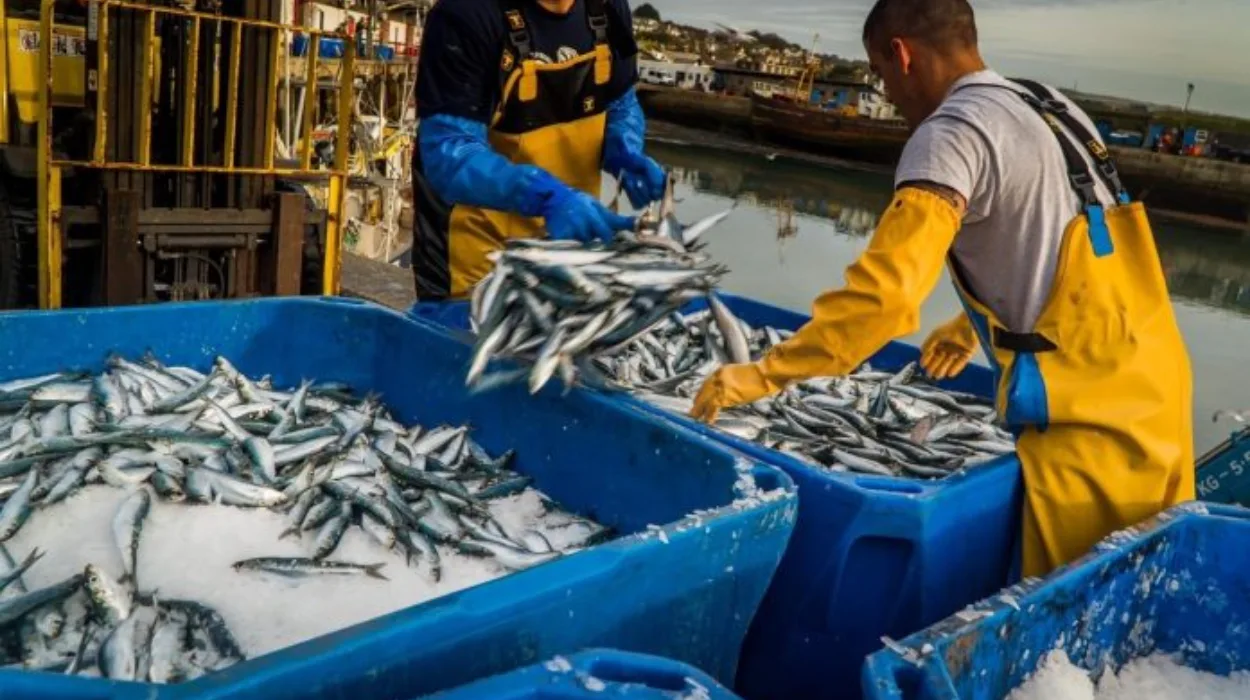
Canned tuna, sardine, and mackerel imports rely on Moroccan catches. Spanish canneries in Galicia process 40% of volume. Price stability hinges on protocol renewal by mid-2026.
Freezer trawlers store 90-day quotas on board. Landings occur at designated Moroccan ports. EU health certification verifies compliance.
Stakeholder Consultations and Industry Views
European Fishmeal Platform welcomes renewal for blue whiting stocks. Oceana urges independent audits of bycatch levels. Spanish Fishing Confederation projects 5,000 direct jobs dependent.
Portuguese pelagic sector seeks quota expansion. Regional advisory councils submitted position papers to Commission. Consumer groups monitor import price effects.
Negotiation Timeline and Milestones
Technical talks commence February 2026 in Rabat. Substantive sessions target Q3 agreement in principle. Parliament consent procedure follows signature.
Provisional application possible pending ratification. Five-year duration with two-year review clause. Exit clauses activate on serious non-compliance.
Financial Breakdown of Previous Protocol
€105.6 million total: €53.5 million sector support, €52.1 million access rights. Annual payments escalate from €18.8 million to €23.3 million. EU retains right to suspend on environmental grounds.
Morocco deploys 15% fees to Sahrawi development projects. Audit clauses permit EU verification missions.
Alternative Fishing Grounds Explored
Senegal protocol supplements Moroccan access for cephalopods. Mauritania negotiations advance for tropical tunas. Norway-Iceland quotas fill seasonal gaps.
Overcapacity concerns prompt EU fleet reduction plans. Blue Growth strategy diversifies into aquaculture.
Parliamentary Oversight Mechanisms
European Parliament approves or rejects final agreement. Consent committee hearings feature NGO testimony. Implementation reports due biannually.
Court of Justice fast-track jurisdiction over legal challenges. Polisario retains standing to contest territorial scope.
Moroccan Fisheries Sector Modernisation
National fleet expanded to 500 modern vessels since 2015. Export processing zones employ 40,000 workers. EU twinning projects upgraded sanitary standards.
Blue economy roadmap targets €3 billion export value by 2030. Wind farms power freezing plants sustainably.
EU External Fisheries Policy Framework
Common Fisheries Policy external dimension governs 17 agreements. €400 million annual budget supports 80,000 jobs. Sustainability roadmap conditions future renewals.
International stock assessments inform quota settings. UN Convention on Law of the Sea guides negotiations.
Spanish Government Position
Madrid allocates €15 million annual subsidies to Moroccan fleet segment. Ceuta port handles transhipments. Bilateral maritime demarcation facilitates operations.
Foreign Minister hosted Moroccan counterpart January 2026. Political declaration endorses swift negotiation timeline.
Environmental Monitoring Commitments
Joint deployment of 50 Vessel Monitoring System units tracks real-time positions. Satellite imagery verifies port calls. EU finances marine protected area designations.
Bycatch reduction gear mandatory for demersal trawls. Seabird and turtle mitigation measures audited yearly.
Economic Multipliers in EU Regions
Andalusia GDP contribution totals €300 million yearly. Galicia unemployment drops 2% during campaign. Finisterre ship repair yards service EU fleet.
Indirect effects support 20,000 processing jobs. Tourism charters utilise off-season vessels.