Bruges (Brussels Morning Newspaper) – 12 January 2026 – The Bruges city council revised its waste management plan, lowering the organic waste bin price from €45 to €15 annually after opposition and resident criticism. Bi-weekly residual waste collections remain in place despite objections. Mayor Dirk De Fauw (CD&V) defended the frequency, stating most municipalities follow this model.
- Organic Waste Bin Price Adjustment Specifics
- Bi-Weekly Residual Waste Collection Policy Stands
- Mayor De Fauw Addresses Policy Criticism Directly
- Opposition and Resident Feedback Driving Changes
- Implementation Schedule and Household Notifications
- Financial Structure and Revenue Projections
- Regional Comparisons of Waste Collection Frequencies
- Separation Rate Goals and Progress Tracking
- Public Awareness Campaigns and Support Measures
- Enforcement Mechanisms for Residual Waste
- PMD and Paper Collection Enhancements
- Intermunicipal Processing Partnerships
- Feedback Channels Post-Launch
- 2035 Waste Management Strategy Overview
City council members approved the organic fee adjustment during a session addressing public feedback on the initial proposal. The change applies to GFT (garden, fruit, and vegetable) containers, reducing household costs significantly. Residual waste pickups stay at two-week intervals, aligning with regional sustainability targets.
The revisions balance environmental goals with financial accessibility, maintaining incentives for waste separation. Bruges implements the updated tariffs from April 2026, notifying all households.
Organic Waste Bin Price Adjustment Specifics
The GFT bin annual fee drops to €15 from the proposed €45, affecting subscribers across Bruges’ 35,000 households. City calculations project a higher uptake with the lower cost, targeting 70 per cent participation. Non-subscribers face no charge for organics, focusing fees on residual waste.
Billing adjustments appear in April 2026 invoices, with prorated refunds for early adopters. Administrative teams process applications from March, prioritising existing users. The council anticipates €900,000 in reduced revenue, offset by tag sales.
Highlighting comparative organic waste policy shifts, Holderness & Hornsea Gazette (@HoldernessNews) said in X post,
“Brown bin collections across the East Riding are set to move to a weekly service, with the change being introduced in stages from next month.”
Brown bin collections across the East Riding are set to move to a weekly service, with the change being introduced in stages from next month.
Read more: https://t.co/xbbyWk6ld5 pic.twitter.com/lll5qxOF0o
— Holderness & Hornsea Gazette (@HoldernessNews) January 12, 2026
Bi-Weekly Residual Waste Collection Policy Stands
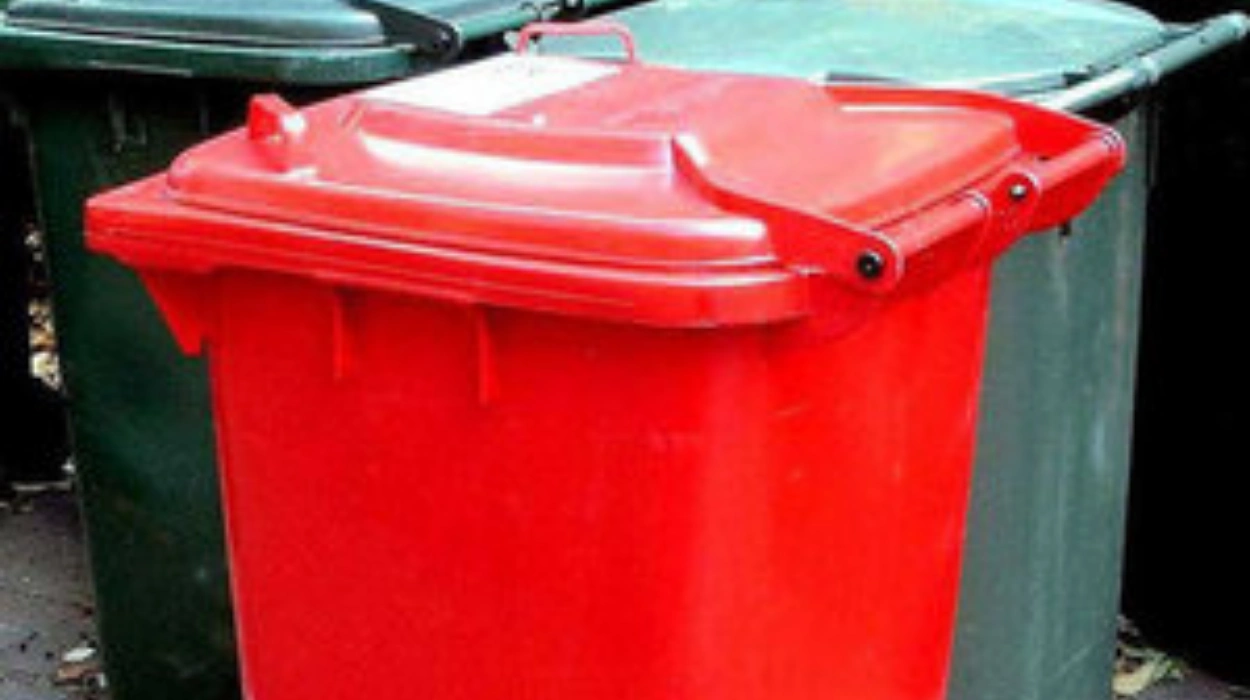
Residual waste collections continue every two weeks, rejecting opposition demands for weekly service. Collections rotate from Tuesday to Friday, serving neighbourhoods efficiently. Mayor De Fauw noted alignment with Flemish norms during the council debate.
Overflow containers incur €50 fines, escalating for repeats. Public bins maintain daily service in high-density areas. The policy aims for 25% volume reduction by 2028 through separation.
Mayor De Fauw Addresses Policy Criticism Directly
Mayor Dirk De fauw (CD&V) justified bi-weekly residuals, stating “most municipalities do it this way.” He cited Ostend and Roeselare examples during the session, projecting 10,000 tonnes annual diversion. De fauw committed to six-month monitoring with potential tweaks.
CD&V secured coalition support for the compromise, balancing N-VA environmental priorities against Vooruit concerns. The mayor emphasised uniform application across Bruges districts.
Opposition and Resident Feedback Driving Changes
Vooruit and Open VLD opposition gathered 2,800 signatures against the original plan, focusing on €45 GFT fees and reduced residuals. Residents cited inconvenience for families and seniors in petitions. Council debate featured 40 public speakers.
Expressing concerns over similar waste frequency policies, Albert de Groof (@albert_de_groof) said in X post,
Een beleid dat hier twee jaar geleden is ingevoerd, maar inmiddels overal tot zwerfafval leidt. Mensen gooien hun afval gewoon naast de container. De gemeente moet alsnog personeel inzetten om alles op te ruimen. Ondertussen is het een feestmaal voor spreeuwen en ratten.
— Albert de Groof (@albert_de_groof) January 12, 2026
The organic price cut addressed primary complaints, though residual frequency objections persist.
Implementation Schedule and Household Notifications
Tariffs activate April 1, 2026, with information campaigns starting in February. Door hangers, newsletters, and apps reach 90% of households. Recycling parks extend hours for tag purchases. Special collections handle bulky waste quarterly, free for initial volumes. Volunteers assist 4,000 seniors with setup.
Financial Structure and Revenue Projections

Total waste budget remains €18.4 million, including Ivago processing fees. Organic reduction creates a €1.05 million shortfall, covered by €1.50 residual tags. PMD collections rise to three weekly, boosting recycling revenue.
Household average costs €62 yearly, below the Flemish €78 average. Long-term savings target €2.8 million via landfill avoidance.
Regional Comparisons of Waste Collection Frequencies
Bruges matches 78 per cent of Flemish communes with bi-weekly residuals. Ostend reduced waste 28% since 2023. Roeselare achieves 85 per cent separation compliance. Knokke-Heist offers a weekly opt-out for €75 surcharge, rejected by Bruges for uniformity. PMD frequency compensates for reductions.
Separation Rate Goals and Progress Tracking
Bruges seeks 75 per cent separation by 2028, from 62% baseline. Monthly weigh-ins monitor organic uptake at 15% target. Digital dashboards publish quarterly data. Below-target areas receive audits and education drives.
Public Awareness Campaigns and Support Measures
Multi-channel rollout from 15 February includes bus ads and hotline support. Mobile apps track schedules and balances. Senior workshops reach 4,200 participants. €500 per neighbourhood council funds local initiatives.
Enforcement Mechanisms for Residual Waste
Fines structure starts at €50, with 1,200 annual citations. Night collections cut illegal dumping 40 per cent. Appeals succeed 68 per cent of cases. Revenue supports public bin expansion.
PMD and Paper Collection Enhancements
PMD shifts to three weekly from alternate, easing residual pressure. Paper/cardboard stays monthly with seasonal bonuses. Bulky waste remains quarterly.
Intermunicipal Processing Partnerships
Ivago handles organics and residuals through 2032 at €85/tonne. PMD sorting near Ghent yields 92 per cent purity. Annual audits ensure standards.
Feedback Channels Post-Launch
Monthly surveys target 10,000 responses. Petitions with over 5,000 signatures trigger review. Adjustment mechanisms activate after six months.
2035 Waste Management Strategy Overview
Zero-landfill vision incorporates smart bins by 2028. €25 million budget renews infrastructure. Circular economy principles guide expansion.