Tehran (Iran Foreign Ministry) 12 January 2026 – Iran summoned ambassadors from France, Germany, Italy, and the United Kingdom on Monday to protest their countries’ perceived support for demonstrations rocking the Islamic Republic. Iran’s foreign ministry showed the diplomats a video compilation of damage caused by what it called “rioters” and demanded the withdrawal of official statements backing the protesters. In parallel, European Parliament President Roberta Metsola announced a ban on all Iranian diplomats and representatives from assembly premises due to the regime’s crackdown on the unrest.
- European Parliament Enacts Ban on Iranian Representation
- Specifics of Iran’s Video Presentation to Envoys
- Confirmation from French Diplomatic Channels
- Reactions from Other Summoned Countries
- Nature and Scale of Iranian Protests
- European Parliament’s Broader Positioning
- Iran’s Pattern of Diplomatic Responses
- Potential Reciprocal European Measures
- Impact on Nuclear and Regional Dialogues
- Casualty and Damage Documentation Challenges
- Public and Media Amplification of Episode
The summoning took place at Iran’s foreign ministry in Tehran, where envoys viewed footage documenting destruction attributed to protest activities. Ministry officials characterised the actions as exceeding peaceful demonstration boundaries, framing them as organised sabotage. Diplomats received instructions to relay the video directly to their foreign ministers and urge retraction of supportive governmental positions.
Detailing the ministry’s confrontation with envoys, Lord Bebo – @MyLordBebo said in X post,
“Iran SUMMONS UK, Germany, Italy and France ambassadors to watch footage of violent rioters Iran’s FM emphasized that these actions exceeded the boundaries of peaceful demonstrations and were considered organized sabotage Tehran asked the ambassadors to transmit these footage directly to their respective foreign ministers and demanded that official statements supporting the protesters be withdrawn.”
🇮🇷🇩🇪🇬🇧🇫🇷 Iran SUMMONS UK, Germany, Italy and France ambassadors to watch footage of violent rioters
Iran’s FM emphasized that these actions exceeded the boundaries of peaceful demonstrations and were considered organized sabotage
Tehran asked the ambassadors to transmit these… https://t.co/SE9eYVGbWw pic.twitter.com/xtb7hCa0dn
— Lord Bebo (@MyLordBebo) January 12, 2026
France’s foreign ministry confirmed that “European ambassadors” had been summoned, verifying the multilateral diplomatic action. The development underscores mounting tensions as protests persist across Iranian cities, prompting strong responses from both Tehran and European institutions.
European Parliament Enacts Ban on Iranian Representation
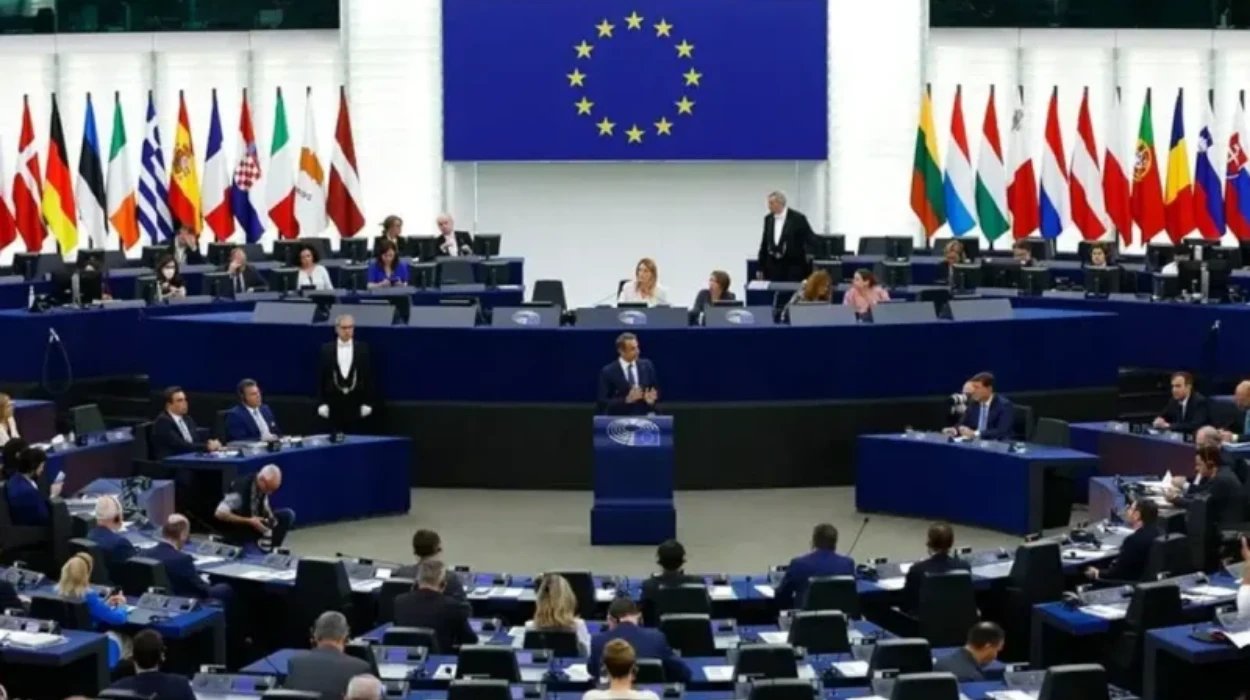
Roberta Metsola, President of the European Parliament, declared the immediate exclusion of all Iranian diplomatic staff and representatives from EP premises in Strasbourg and Brussels. The decision responds to what she described as a regime sustained through torture, repression, and murder during the protest suppression.
Metsola emphasised that the Parliament would not legitimise the Iranian government under the current circumstances. The ban applies comprehensively, barring access to all facilities and disrupting routine diplomatic engagements previously hosted by the assembly.
Announcing the exclusion policy directly, Roberta Metsola said on X,
“It cannot be business as usual. As the brave people of Iran continue to stand up for their rights and their liberty, today I have decided to ban all diplomatic staff and any other representatives of the Islamic Republic of Iran from all European Parliament premises. This House will not aid in legitimising this regime that has sustained itself through torture, repression and murder.”
The measure takes effect immediately, with EP security protocols updated to enforce compliance. This represents a significant curtailment of Iranian access to one of Europe’s key legislative venues.
Specifics of Iran’s Video Presentation to Envoys
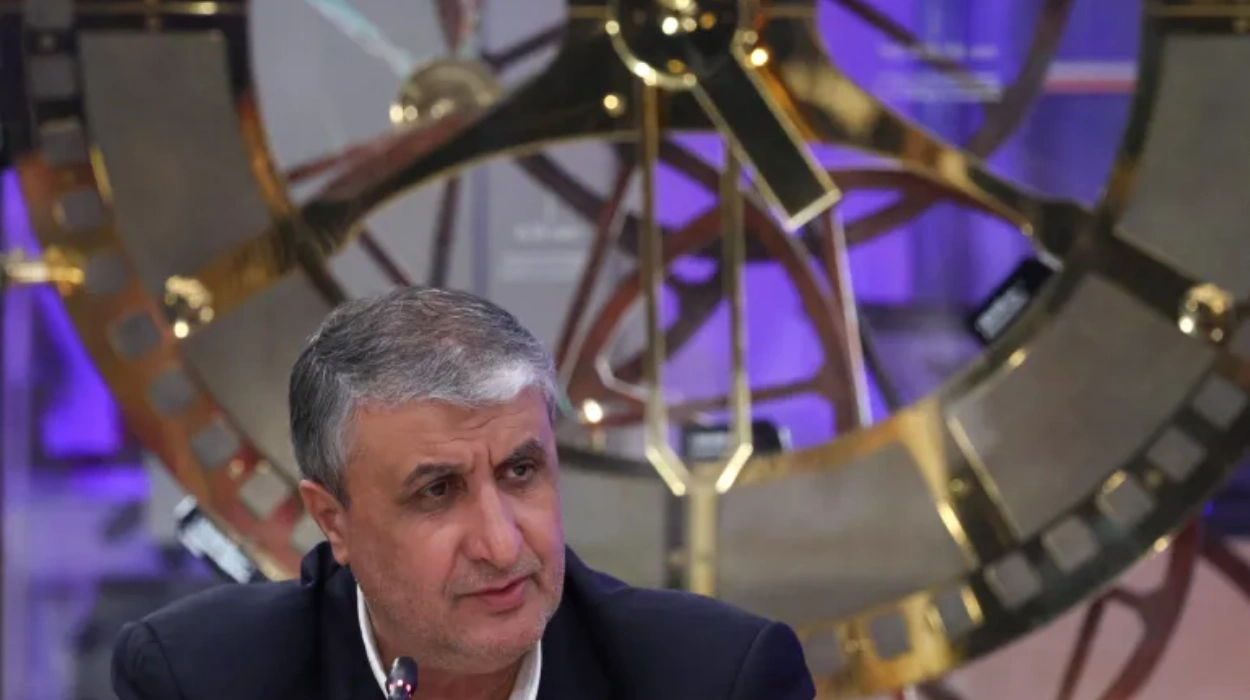
During the Tehran meetings, Iran’s foreign ministry screened a compilation highlighting property damage and violent incidents linked to the protests. Officials from Tasnim news agency reported the footage as evidence of rioter activities, distinguishing them from legitimate demonstrations.
The ministry demanded that the ambassadors convey the images to their capitals, pressing for official retraction of protester support. This visual diplomacy aims to counter European narratives framing the unrest as rights-based.
Reporting the summons with agency attribution, RT – @RT_com said in X post, “Iran summons UK, Germany, Italy & France ambassadors To watch compilation of ‘violent rioters’ at MFA — Tasnim Juxtaposed with Trump’s reaction to ICE shooting of Renee Good Asks diplomats to convey images to their countries and retract official support of protesters.”
Iran summons UK, Germany, Italy & France ambassadors
To watch compilation of ‘violent rioters’ at MFA — Tasnim
Juxtaposed with Trump’s reaction to ICE shooting of Renee Good
Asks diplomats to convey images to their countries and retract official support of protesters https://t.co/zXVpmVODZC pic.twitter.com/D93THsDgzT
— RT (@RT_com) January 12, 2026
Iranian state television broadcast the foreign ministry’s statement, reinforcing the rioter designation and sovereignty defence.
Confirmation from French Diplomatic Channels
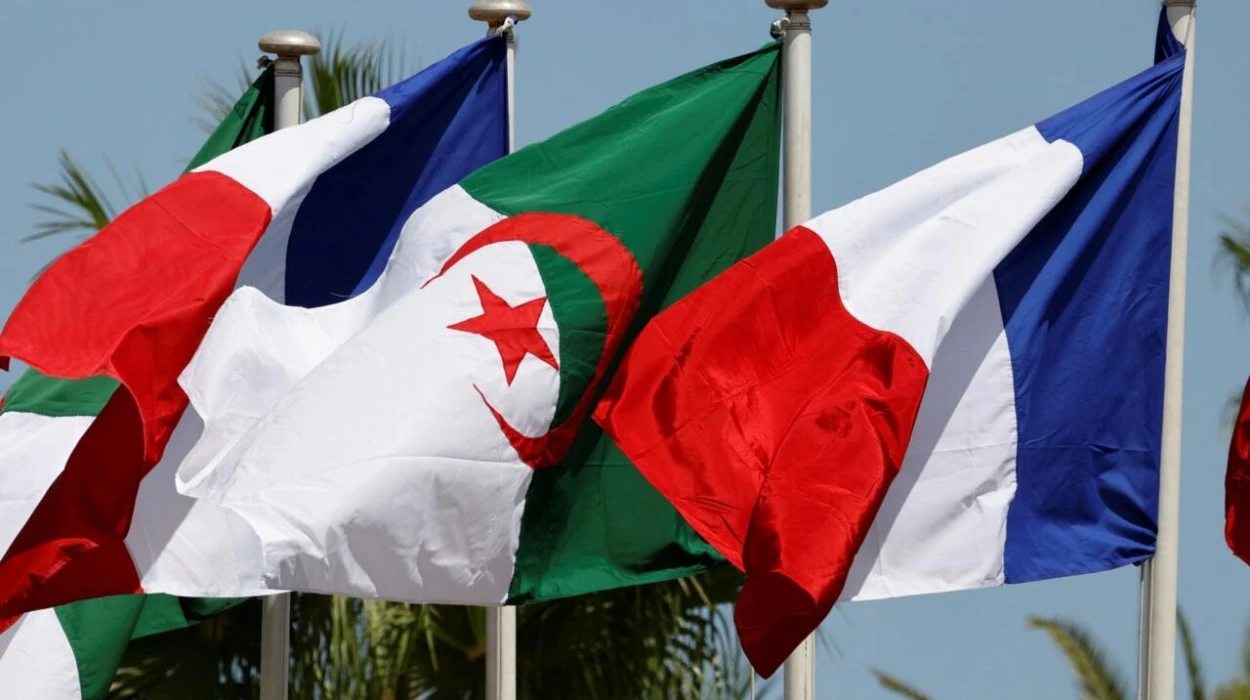
Paris acknowledged the summoning through its foreign ministry, noting involvement of multiple European ambassadors. This statement establishes the coordinated nature of Iran’s action against the E3 plus Italy grouping.
French officials refrained from immediate rebuttal, focusing on factual confirmation. The response aligns with positions maintained by the affected capitals on human rights concerns in Iran.
Reactions from Other Summoned Countries
Germany, Italy, and the United Kingdom have not issued public confirmations in initial reports, though diplomatic norms anticipate formal acknowledgements. The envoys followed protocol by receiving Iran’s representations for relay to their governments.
The selection of these four nations reflects prior alignments in nuclear negotiations, now applied to protest-related objections. Tehran views their statements as direct encouragement of internal disruption.
Nature and Scale of Iranian Protests
Demonstrations have convulsed multiple Iranian cities, prompting Tehran’s rioter and sabotage framing. Government reports emphasise destruction from organised elements, justifying security responses.
Protesters demand rights and liberties, sustaining activities despite reported fatalities. Conflicting accounts challenge verification, with access restrictions limiting independent observation.
European Parliament’s Broader Positioning
Metsola’s ban signals institutional solidarity with demonstrators, tying access denial to regime conduct. The Parliament has passed prior resolutions criticising Iran’s protest handling, building to this exclusionary step.
EP premises previously hosted Iranian officials for briefings and events; these now shift to external or virtual formats. The policy awaits review based on evolving circumstances.
Iran’s Pattern of Diplomatic Responses
Tehran routinely summons Western envoys during domestic unrest, using video evidence and demand letters. Similar actions targeted E3 missions over past human rights issues.
These episodes serve internal audiences while pressuring foreign capitals. Responses range from reassertions to occasional moderations, depending on strategic contexts.
Potential Reciprocal European Measures
Summoned nations may consider countermeasures, per diplomatic precedent. Coordinated E3 statements could reaffirm positions, potentially escalating the exchange. France’s measured tone suggests multilateral consultation before further action. Monitoring of Iranian developments continues across European foreign ministries.
Impact on Nuclear and Regional Dialogues
While protest tensions dominate, the underlying nuclear talks face indirect pressure. Core channels persist, though atmosphere strains broader cooperation. Regional dossiers involving Iran maintain operational status, insulated from the immediate row where possible.
Casualty and Damage Documentation Challenges
Iranian authorities report rioter-inflicted destruction, supported by ministry footage. European sources cite security force actions causing deaths, fuelling diplomatic divides. Satellite imagery and smuggled footage inform external assessments, amid Tehran’s media controls. Verification remains contested terrain.
Public and Media Amplification of Episode
Social media commentators and broadcasters amplified the summons details, highlighting footage and demands. Iran’s FM messaging reached wide audiences through these channels. State television integrated the story into domestic narratives, portraying European interference. International coverage focused on Metsola’s reciprocal ban.