
New York, United States — January, 2026: Brussels Morning Newspaper says AI shopping technology is reshaping the American retail landscape as global brands roll out intelligent systems to meet changing consumer expectations in 2026. The shift reflects a broader transformation in how retailers operate, combining data analysis, automation, and personalization to remain competitive in one of the world’s most demanding consumer markets.
Why the US Market Drives Retail Innovation
The United States has long served as a testing ground for new retail concepts, setting trends that often spread worldwide. High consumer expectations, intense competition, and rapid adoption of digital tools make the market uniquely influential. Analysts say the growing role of AI shopping technology highlights how retailers are responding to pressure for faster service, tailored experiences, and seamless interaction across channels.
American shoppers increasingly move between mobile browsing, online purchasing, and physical store visits. Retailers that succeed in coordinating these touch-points are more likely to build loyalty and sustain growth.
What Artificial Intelligence Adds to the Retail Experience
Artificial intelligence enables retailers to process vast amounts of data in real time, turning customer behavior into actionable insight. Supporters argue that AI shopping technology allows brands to anticipate preferences, adjust pricing dynamically, and refine product recommendations without relying solely on manual analysis.
These systems learn continuously, improving accuracy as more data becomes available. For consumers, this translates into smoother navigation, more relevant suggestions, and fewer frustrations during the shopping journey.

JD Sports and the Shift Toward Intelligent Commerce
Britain’s JD Sports has emerged as a prominent example of a retailer embracing digital transformation in the US. The company has invested in platforms that integrate online activity with in-store analytics, aiming to create a unified view of customer behavior. Executives believe AI shopping technology will help bridge the gap between physical and digital retail environments.
By using advanced analytics, JD Sports seeks to improve stock availability, reduce delays, and ensure that customers encounter consistent offerings regardless of how they shop.
Blending Digital Tools With Physical Stores
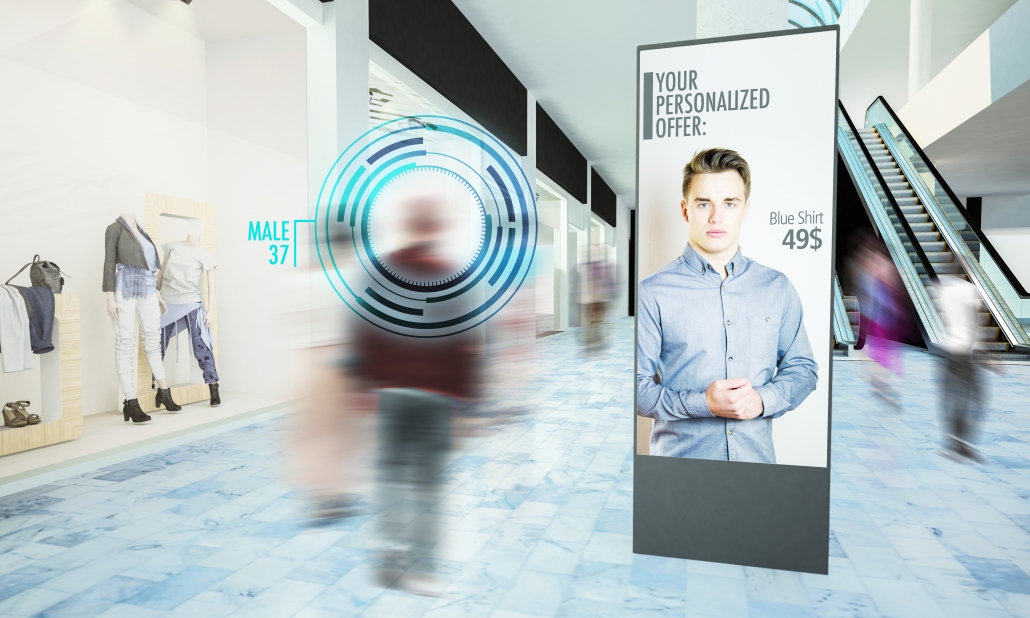
Physical stores remain central to retail strategy, but their role is evolving. Smart kiosks, mobile integration, and intelligent shelving are becoming more common, supporting staff with real-time information. Through these tools, AI shopping technology enhances service by giving employees better insight into inventory and customer needs.
This blended model reflects changing consumer habits, where convenience and human interaction are expected to coexist rather than compete.
Supply Chain Accuracy and Inventory Management
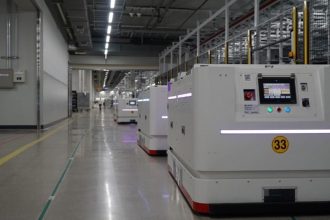
Behind the scenes, artificial intelligence is transforming logistics and forecasting. Predictive models help retailers anticipate demand shifts, reducing both shortages and excess stock. Industry experts say AI shopping technology improves efficiency by aligning supply more closely with actual consumer behavior.
These improvements can lower costs, limit waste, and support sustainability goals, all while maintaining responsiveness during peak shopping periods.
Consumer Data and Trust Considerations
As intelligent systems rely heavily on data, transparency and security have become critical issues. Retailers deploying advanced tools emphasize responsible data use and compliance with privacy regulations. JD Sports has stated that information feeding AI shopping technology platforms is anonymized and protected.
Analysts note that consumer trust will play a decisive role in how widely such systems are accepted, making ethical data management a competitive factor.
Industry Perspective on Retail Automation
One senior retail technology analyst said,
“Artificial intelligence is no longer an optional upgrade but the foundation of how modern retailers compete.”
The observation reflects a growing consensus that AI shopping technology will define the next phase of retail evolution rather than remain a niche innovation.
The comment underscores why brands are accelerating adoption, viewing delay as a strategic risk.
Employment and Skills in a Changing Retail Sector
Automation has raised questions about employment, but retailers argue that technology will complement rather than replace human roles. Staff are increasingly trained to interpret insights generated by AI shopping technology, improving decision-making and customer service.
New roles focused on data analysis, system oversight, and digital operations are emerging alongside traditional retail positions, reshaping workforce requirements.
Economic Impact and Market Growth
The spread of intelligent retail systems is expected to generate significant economic value. Consultancy forecasts suggest productivity gains across supply chains and customer engagement. Investments linked to AI shopping technology are also stimulating growth in related sectors such as cloud services and cyber-security.
For the US economy, these trends reinforce the country’s position as a leader in retail innovation.

Global Influence Beyond the United States
Although current deployments focus on America, success in the US often shapes global strategy. Executives say lessons learned from rolling out AI shopping technology in this market will inform expansion across Europe and Asia.
The approach positions the US not only as a consumer hub but also as a blueprint for future retail models worldwide.
Competition in a Data Driven Marketplace
As more retailers adopt intelligent systems, competition increasingly revolves around data quality and speed of response. Brands capable of acting quickly on consumer signals gain a clear advantage. Analysts observe that AI shopping technology compresses decision timelines, forcing continuous innovation.
This environment rewards agility and penalizes hesitation, redefining what leadership means in retail.
Consumer Experience at a Turning Point
For shoppers, the impact of innovation is already visible. Faster search results, smarter recommendations, and responsive service have become standard expectations. As AI shopping technology matures, personalization is expected to deepen, further blurring the line between online and offline shopping.
Retail experts suggest that unified, intelligent experiences will soon be the norm rather than a differentiator.
The Next Stage of Retail Evolution
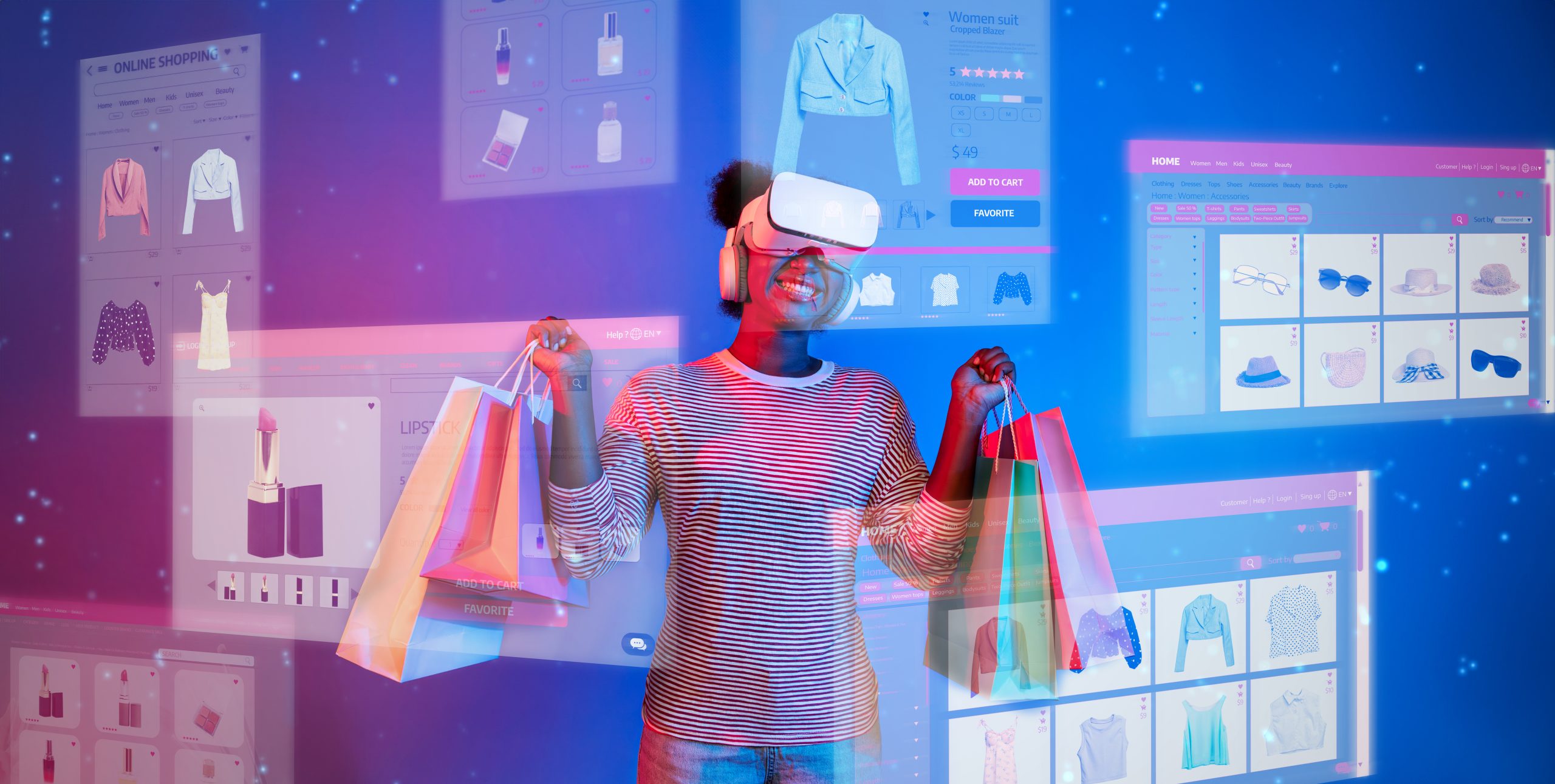
Looking ahead, voice-enabled purchasing, virtual fitting tools, and predictive shopping lists are expected to gain traction. These features build on foundations established by AI shopping technology, pushing retail toward a proactive rather than reactive model.
Early adopters are likely to shape consumer expectations for years to come.
A Defining Moment for Retail Strategy
The developments unfolding in 2026 mark a decisive moment for the retail sector. By integrating artificial intelligence into core operations, brands aim to align efficiency with customer satisfaction. The growing prominence of AI shopping technology reflects a shift toward smarter, more resilient retail ecosystems.
As competition intensifies, technology is increasingly determining which retailers thrive and which struggle to adapt.
A New Standard for Global Commerce
Retail is no longer defined solely by product range or pricing. Intelligence, adaptability, and responsiveness now play central roles. The rise of AI shopping technology illustrates how innovation is reshaping consumer expectations and redefining success across global markets.
Where Retail Goes From Here
As adoption continues, businesses and policymakers will debate how to balance innovation with responsibility. The trajectory of AI shopping technology suggests that intelligent systems will become deeply embedded in retail operations.
How effectively companies manage this transition will shape the future of commerce well beyond 2026.
A Turning Point in Retail History
The current wave of digital transformation represents more than incremental change. It signals a structural shift in how retail operates and competes. With AI shopping technology now central to strategy, the industry is entering a period of accelerated change that will redefine shopping in the years ahead.