United States, January 2026 —According to Brussels Morning Newspaper,that a major oil pipeline fire has intensified national concern over energy stability after emergency crews extinguished the blaze following hours of hazardous firefighting operations. The incident forced the shutdown of a critical section of the pipeline network and immediately raised questions about infrastructure resilience, security preparedness, and continuity in fuel distribution systems. As officials assessed the damage, attention turned to the growing risk of fuel supply disruption across regional and national markets.
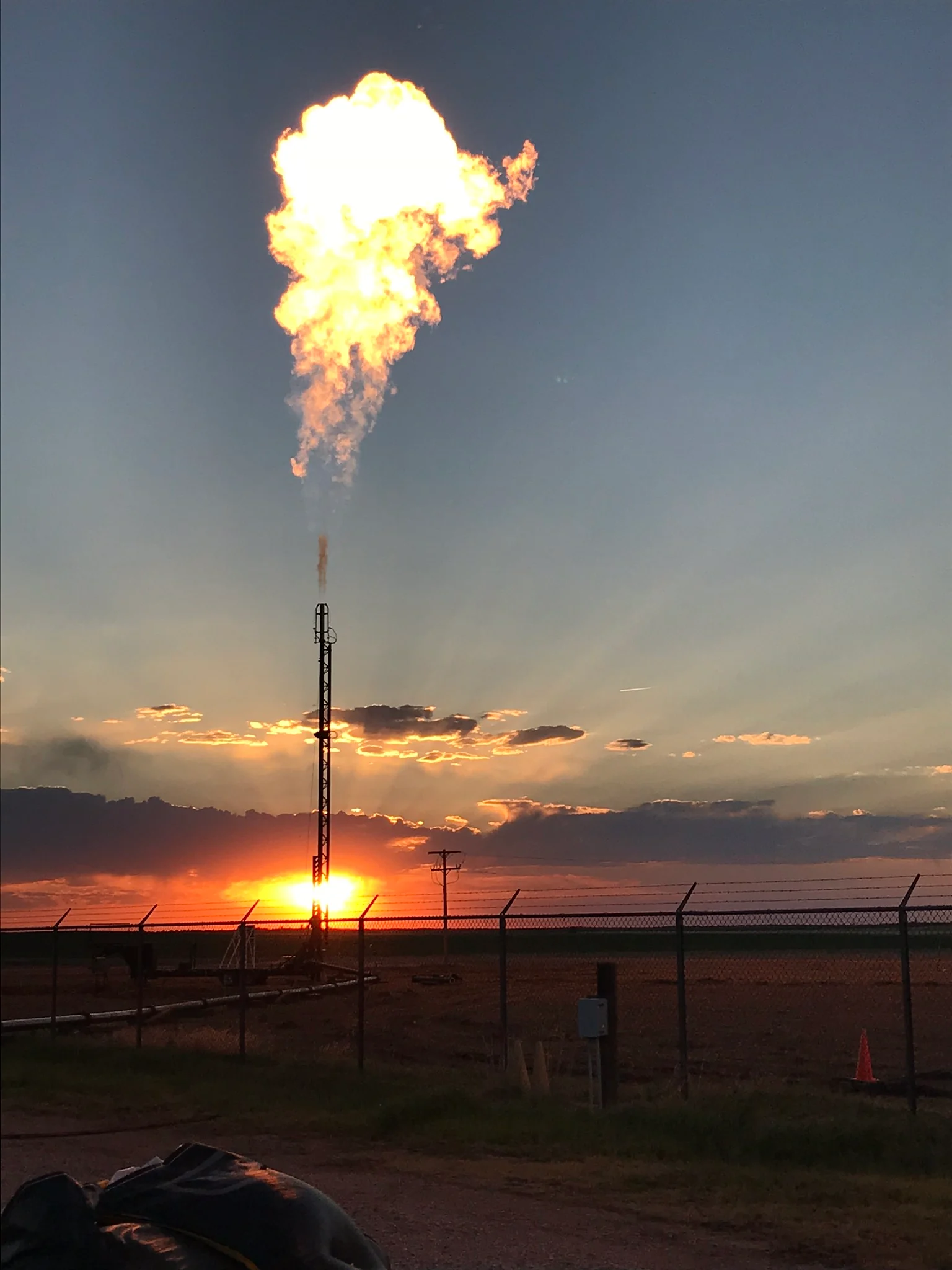
The fire erupted near a key junction of the pipeline system responsible for transporting refined petroleum products across several states. Thick smoke rose into the sky and was visible from miles away, prompting emergency alerts and precautionary advisories for nearby residents. While authorities confirmed that no casualties were reported, the scale of the incident and the strategic importance of the infrastructure involved made it one of the most closely monitored energy events of the year.
A Sudden Incident With Far-Reaching Consequences
According to early accounts from emergency services, the fire began with a loud explosion shortly before dawn, catching nearby workers and residents by surprise. Pipeline operators acted swiftly to halt fuel flow and isolate the affected section while emergency responders rushed to the scene.
The rapid escalation of flames highlighted the inherent risks associated with high-pressure energy transport systems. Within hours, authorities acknowledged that prolonged shutdowns could trigger fuel supply disruption if repairs were delayed, exposing how interconnected and vulnerable modern energy networks have become.
Firefighters Confront Extreme and Dangerous Conditions
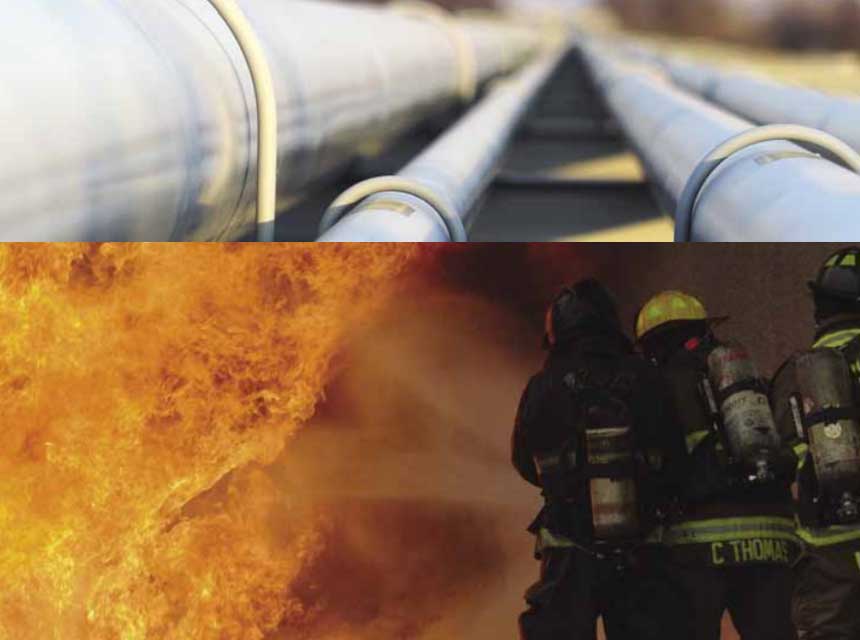
Fire crews faced intense heat, hazardous fumes, and the constant risk of secondary explosions as they worked to bring the blaze under control. Specialized firefighting foam was deployed to suppress petroleum-fed flames, while cooling operations continued long after visible fire subsided to prevent reignition.
Hazardous materials teams monitored air quality and runoff throughout the operation. Officials praised the coordination between local firefighters, federal agencies, and pipeline operators, noting that swift action prevented the incident from escalating further. Experts cautioned, however, that even a successfully contained fire can have lasting consequences when fuel transport is interrupted.
Investigation Focuses on Possible Sabotage
Once the immediate emergency was contained, investigators shifted their focus to determining the cause of the fire. Preliminary findings suggested that the incident may not have resulted solely from mechanical failure. Signs of forced access near monitoring equipment and unusual damage patterns raised the possibility of deliberate interference.
If sabotage is confirmed, the implications would extend beyond criminal accountability. Intentional attacks on energy infrastructure significantly increase the risk of fuel supply disruption and compel governments and operators to reassess security strategies. Investigators are reviewing surveillance footage, maintenance logs, and recent threat assessments as part of an ongoing inquiry.
The Strategic Importance of Pipeline Networks
Pipelines remain the backbone of modern fuel distribution, transporting vast quantities of gasoline, diesel, and aviation fuel across long distances efficiently and cost-effectively. The damaged pipeline in this incident serves as a critical artery supplying multiple states, industrial hubs, and transportation centers.
Energy analysts warn that disruptions to such systems can quickly cascade through the economy. When pipelines shut down, alternative routes often operate near capacity, leaving little margin for error. As a result, even short-term interruptions can escalate into fuel supply disruption during periods of high demand.
Market Reaction and Consumer Sensitivity
News of the fire rippled through energy markets, prompting cautious reactions from traders and suppliers. Wholesale fuel prices showed early signs of volatility as uncertainty grew around repair timelines and throughput capacity.
Economists noted that consumer sensitivity to fuel prices means that perceptions of fuel supply disruption can influence behavior as much as actual shortages. Increased demand driven by precautionary purchasing can further strain distribution networks and compound the effects of infrastructure outages.
Environmental Concerns and Cleanup Efforts
Environmental response teams were deployed to assess soil, water, and air quality in the affected area. Firefighting runoff and leaked fuel posed potential risks to nearby ecosystems, prompting containment measures and sampling programs.
Officials stated that early intervention helped limit contamination, though comprehensive environmental assessments are expected to take weeks. Environmental specialists emphasized that incidents linked to fuel supply disruption often carry long-term ecological costs if cleanup efforts are delayed or incomplete.
Impact on Local Communities
Residents living near the pipeline described moments of fear and uncertainty as the fire unfolded. Emergency alerts advised people to remain indoors, and several schools and businesses adjusted schedules as a precaution.
While no evacuations were ordered, local leaders expressed concern about the longer-term implications of fuel supply disruption for employment and economic stability. Communities located along pipeline routes often depend on energy infrastructure for jobs and local revenue, making prolonged outages particularly disruptive.
Infrastructure Security Under Renewed Scrutiny
The incident has reignited debate over how best to protect critical energy infrastructure. Pipelines frequently span remote and lightly populated areas, making comprehensive surveillance difficult.
Industry experts argue that existing security measures must evolve to address both physical and cyber threats. Calls for enhanced monitoring systems, advanced sensors, and closer coordination with law enforcement have grown louder following the fire, highlighting the national security implications of fuel supply disruption.
Government Response Highlights Infrastructure Risks
Government officials responded cautiously after the incident, stressing that protecting critical energy systems remains a national priority amid rising security challenges. One senior official said,
“Events like this highlight how vital it is to protect systems that underpin daily life and economic stability,”
noting that authorities are reviewing safeguards to reduce future risks and strengthen resilience across the energy network.
Repair Efforts and Operational Challenges
Engineering teams began detailed inspections of the damaged pipeline segment, focusing on structural integrity, material fatigue, and safety systems. High temperatures generated by the fire may have weakened key components, requiring replacement rather than repair.
Operators cautioned that restoring service too quickly could introduce additional risks. Balancing urgency with safety is critical, especially when the consequences of failure include renewed fuel supply disruption and potential environmental harm.
Lessons for the Energy Sector
Industry analysts view the incident as a reminder of the importance of redundancy and flexibility in fuel distribution networks. Diversified supply routes, strategic reserves, and rapid response capabilities are essential tools for minimizing disruption during emergencies.
The fire demonstrates how fuel supply disruption can emerge suddenly even in advanced systems, reinforcing the need for proactive maintenance, scenario planning, and long-term investment in infrastructure resilience.
Broader Implications for Energy Security
Beyond immediate repairs, the incident has prompted reflection on long-term energy security strategies. As demand remains high and infrastructure ages, the risk of disruption increases.
Repeated episodes of fuel supply disruption may accelerate interest in alternative transport methods, decentralized energy systems, and diversification of supply sources. While pipelines will remain essential, their vulnerabilities are now more visible than ever.

International Attention and Global Context
Although the fire occurred within a single country, global energy markets are tightly interconnected. Infrastructure failures in major economies can influence international pricing, shipping patterns, and investor confidence.
Analysts note that recurring fuel supply disruption incidents worldwide contribute to market volatility and uncertainty, reinforcing the importance of cooperation and information sharing across borders.
Public Communication and Trust
Clear and transparent communication proved vital in managing public reaction to the incident. Authorities provided regular updates on firefighting progress, safety measures, and repair plans, helping to prevent misinformation and panic.
Maintaining trust during periods of fuel supply disruption depends on consistent messaging and visible action. When the public understands what is happening and why, confidence in institutions is more likely to endure.
Economic Ramifications Beyond Energy
Fuel disruptions ripple across the broader economy, affecting transportation costs, manufacturing schedules, and consumer prices. Industries reliant on just-in-time delivery systems are particularly vulnerable to delays caused by pipeline outages.
Economists warn that repeated fuel supply disruption events could strain supply chains and erode competitiveness, underscoring the importance of resilient infrastructure for economic stability.
Planning for Future Resilience
As cleanup and repairs continue, attention is shifting toward prevention. Scenario planning, stress testing, and cross-sector coordination are increasingly viewed as essential strategies for reducing vulnerability.
Experts argue that minimizing fuel supply disruption requires a holistic approach integrating technology, policy, and community engagement. Infrastructure resilience is not solely an engineering challenge but a governance one.
A Defining Moment for Energy Policy
The pipeline fire has become a focal point in national discussions about energy policy and infrastructure investment. It illustrates how quickly unforeseen events can escalate into widespread concern, demanding coordinated responses from multiple stakeholders.
For policymakers, the challenge lies in translating lessons learned into concrete action that reduces the likelihood and impact of future fuel supply disruption.
Beyond the Immediate Crisis
While the flames have been extinguished, the broader conversation sparked by the incident is far from over. Questions about security, sustainability, and preparedness will continue to shape energy debates in the months ahead.
The episode serves as a reminder that modern societies remain deeply dependent on complex systems that require constant vigilance to maintain stability.
Energy Systems at a Critical Crossroads
As 2026 unfolds, the pipeline fire stands as a defining moment in the ongoing discussion about energy resilience. It exposed vulnerabilities, tested response capabilities, and highlighted the far-reaching consequences of infrastructure failure.
Ultimately, the incident underscores that fuel supply disruption is not merely a technical issue but a societal one that touches every aspect of daily life. How governments, industries, and communities respond will shape the reliability of energy systems in the years to come.