
Aleppo — January, 2026: Brussels Morning Newspaper states that renewed clashes in the northern Syrian city have prompted the US envoy Syria to urge the Syrian government and Kurdish representatives to step back from confrontation and re-engage in political dialogue. The call reflects growing concern in early 2026 that escalating violence in Aleppo risks undermining civilian safety, regional stability, and already fragile diplomatic efforts.
As Aleppo confronts the fallout from several days of armed confrontations that disrupted a period of relative calm, the appeal highlights how quickly localized tensions can widen into broader instability. The renewed fighting is once again placing the city at the center of international attention, shaping diplomatic priorities and reinforcing the urgency of dialogue as a stabilizing force in northern Syria.
Renewed Fighting Raises Alarm in Northern Syria
The latest clashes erupted after weeks of uneasy calm, catching residents and observers off guard. Though limited in geographic scope, the fighting had an immediate impact on daily life, forcing temporary closures of markets, disrupting transport routes, and prompting fears of displacement among civilians already living with prolonged insecurity.
Diplomatic sources said the US envoy Syria moved quickly to engage regional and international partners once reports of violence were confirmed, emphasizing the urgency of de-escalation before conditions deteriorated further.
Aleppo’s history as one of Syria’s most contested cities gives any renewed fighting symbolic and strategic significance, magnifying international concern even when clashes remain localized.
Aleppo’s Strategic and Symbolic Weight
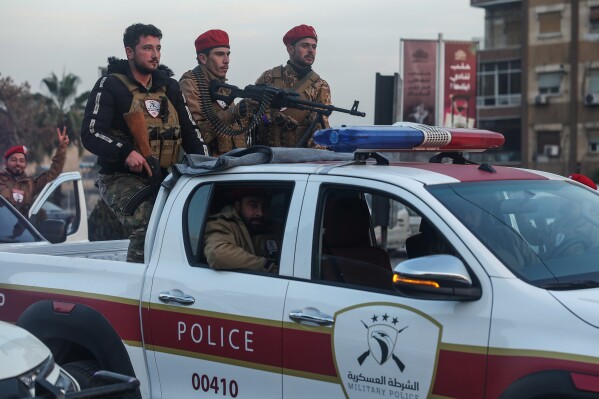
Aleppo occupies a unique place in Syria’s political and economic landscape. Once the country’s commercial heart, the city endured years of devastating conflict that reshaped its population, infrastructure, and governance.
Stability in Aleppo is often viewed as a bellwether for northern Syria as a whole. Analysts note that when tensions rise in Aleppo, ripple effects are felt across surrounding regions, complicating humanitarian operations and diplomatic calculations.
The US envoy Syria highlighted this broader context, stressing that renewed violence in Aleppo risks undermining fragile arrangements that have prevented wider escalation in recent months.
Washington’s Diplomatic Approach Emphasizes Restraint
US officials framed the envoy’s appeal as part of a consistent policy approach centered on diplomacy rather than military escalation. The US envoy Syria emphasized that sustained communication between rival actors remains essential to preventing misunderstandings that could trigger further violence.
Washington’s message focused on restraint, urging all sides to avoid actions that could inflame tensions or draw in additional actors. Officials stressed that while disagreements remain deep, dialogue offers the only viable mechanism for managing disputes without further harm to civilians.
One diplomat involved in regional coordination said,
“Dialogue is not a concession; it is a safeguard against further suffering.”
Deep Divisions Between Damascus and Kurdish Authorities
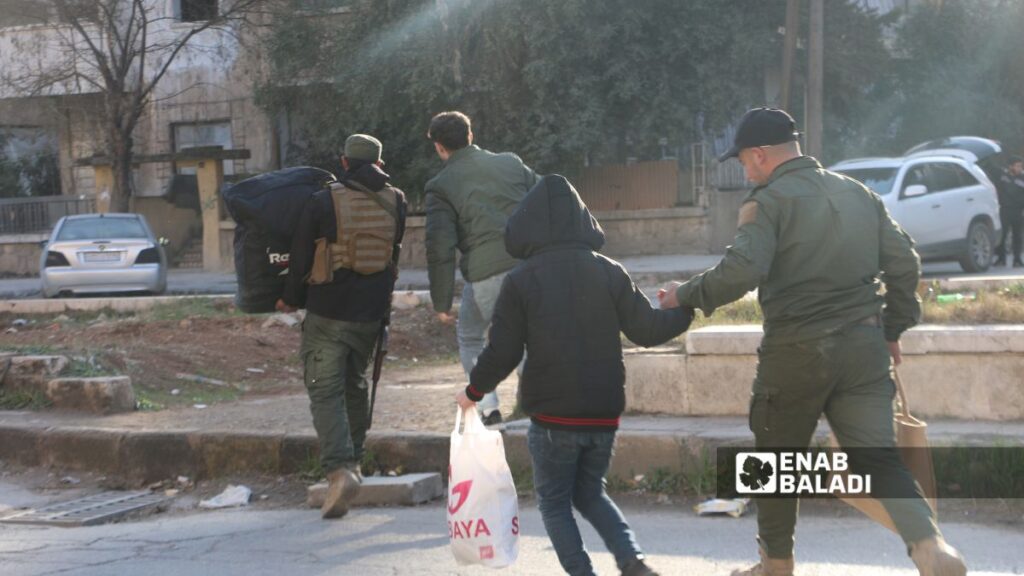
Despite repeated international appeals, political differences between the Syrian government and Kurdish representatives remain unresolved. Disputes over governance structures, security control, and regional autonomy have long stalled negotiations.
The recent clashes have further strained already fragile trust. Political analysts say both sides face internal pressures that limit flexibility, making compromise difficult even when international incentives are offered.
The US envoy Syria acknowledged these challenges but urged leaders to prioritize communication channels, warning that the absence of dialogue increases the risk of unintended escalation.
Humanitarian Consequences Drive Urgency
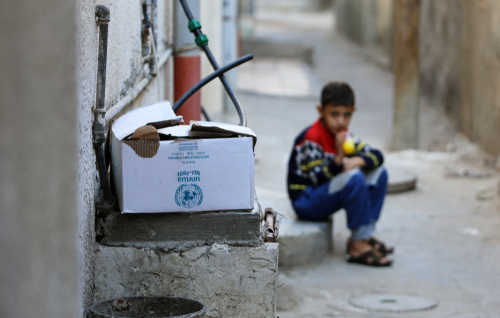
The humanitarian impact of renewed fighting has been immediate and visible. Residents reported shortages of basic goods, rising prices, and disruptions to essential services. Aid organizations warned that even short bursts of violence can have long-term effects on vulnerable communities.
Humanitarian officials said the appeal from the US envoy Syria reflected growing concern that civilians, already struggling with economic hardship, could face further displacement if clashes continue.
Access constraints remain a persistent challenge, with instability complicating aid delivery and recovery efforts in affected neighborhoods.
Regional Stability and Cross-Border Concerns
Developments in Aleppo are being closely monitored by neighboring countries, many of which fear that renewed instability could spill across borders. Northern Syria sits at the intersection of multiple regional interests, amplifying the significance of localized clashes.
Analysts note that the intervention by the US envoy Syria reflects broader international anxiety that escalation in Aleppo could complicate regional security arrangements and strain diplomatic relations.
European officials have echoed these concerns, calling for coordinated diplomatic pressure to support de-escalation.
International Diplomatic Response
The envoy’s call was broadly welcomed by international partners, including European and regional actors, who described it as a necessary step to prevent further deterioration. While no immediate talks were announced, diplomats confirmed that communication channels remain open.
The US envoy Syria coordinated messaging with allies to reinforce a unified stance on restraint, signaling that escalation would face international scrutiny.
Multilateral forums continue to discuss how external actors can support dialogue without deepening divisions or legitimizing violence.
Obstacles to Renewed Political Talks
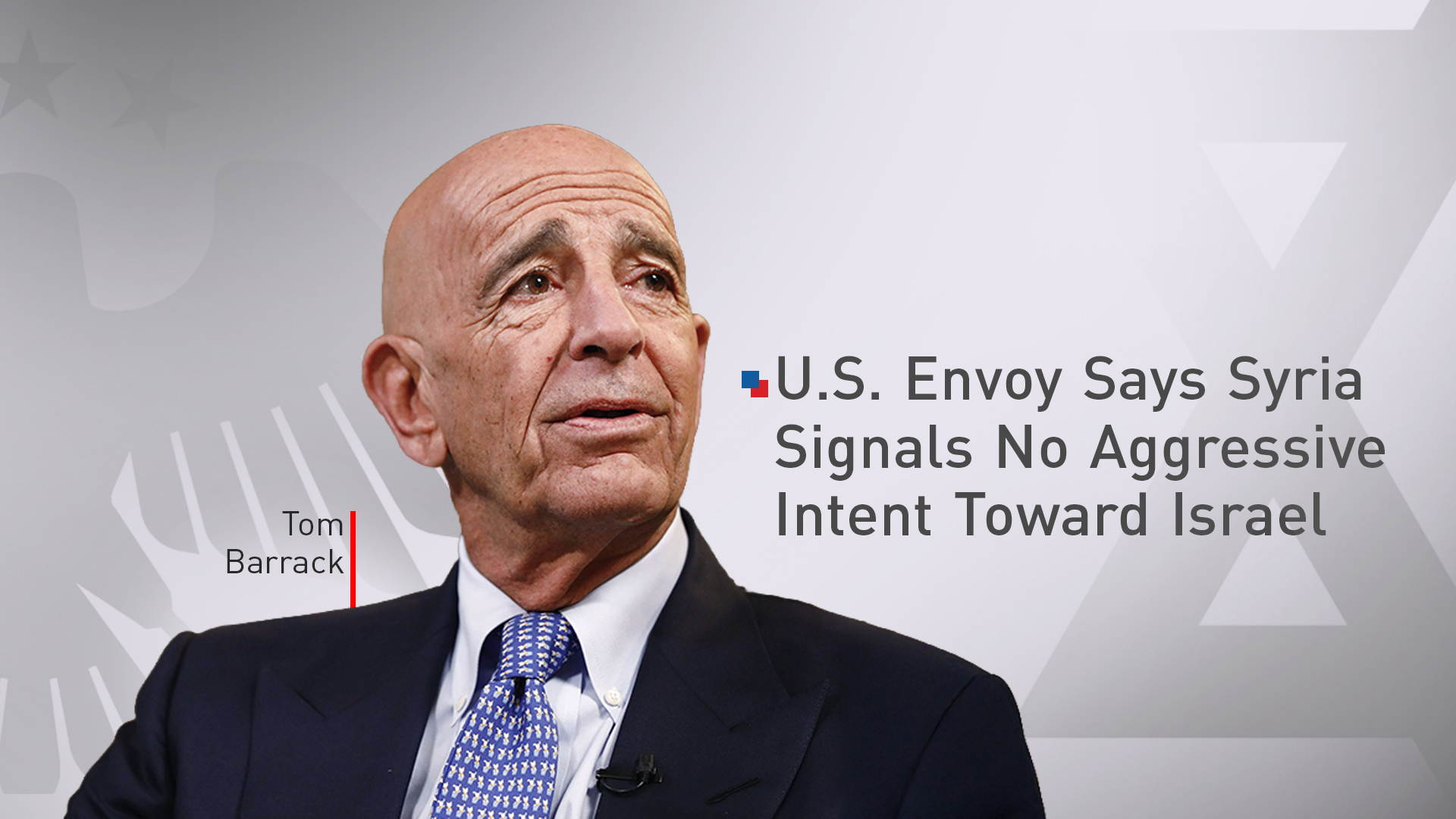
Restarting meaningful political dialogue remains a formidable challenge. Years of mistrust, shifting alliances, and competing external interests complicate efforts to bring parties back to the table.
Experts suggest that the US envoy Syria may focus initially on confidence-building measures, such as localized ceasefires or communication mechanisms, rather than comprehensive agreements.
Incremental steps, analysts argue, may offer the most realistic path toward reducing tensions in the near term.
Broader Context of the Syrian Conflict
The situation in Aleppo reflects the broader stalemate facing Syria’s national political process. UN-backed negotiations have struggled to gain traction, leaving local arrangements as the primary tools for managing conflict.
The US envoy Syria framed the appeal as part of an effort to prevent localized violence from undermining wider stabilization efforts, particularly in areas where civilians are attempting to rebuild daily life.
Without sustained engagement, observers warn, isolated clashes risk becoming recurring flashpoints.
Why Diplomacy Remains Central
Despite years of conflict and failed negotiations, diplomats insist that engagement remains essential. Military gains have shifted repeatedly, but none have delivered lasting peace.
The US envoy Syria underscored that diplomacy, though imperfect and slow, provides mechanisms to manage disputes, reduce harm, and keep political pathways open even in difficult circumstances.
This view aligns with broader international consensus favoring dialogue over renewed confrontation.
Early 2026 Outlook
As 2026 unfolds, the situation in Aleppo highlights the fragility of Syria’s current stability. Whether the envoy’s appeal will translate into tangible steps depends largely on local actors’ willingness to pause hostilities.
Observers say the US envoy Syria is likely to remain focused on crisis management rather than breakthrough negotiations in the coming months.
International pressure and incentives may play a role in shaping responses, but outcomes remain uncertain.
A Fragile Moment for Northern Syria
Aleppo’s renewed unrest serves as a reminder that Syria’s conflict remains unresolved. Each flare-up risks reversing limited gains toward stability and reconstruction.
The continued engagement of the US envoy Syria underscores how diplomacy persists even amid setbacks, seeking to contain violence and prevent wider escalation.
Dialogue as Damage Control
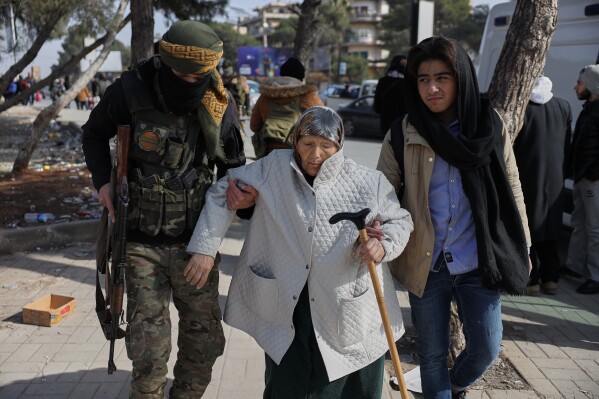
In today’s Syria, dialogue often functions less as a pathway to peace and more as damage control. Yet without it, analysts warn that cycles of violence could intensify, deepening humanitarian suffering.
The intervention by the US envoy Syria reflects a pragmatic recognition that imperfect dialogue is preferable to unchecked confrontation.
A Narrow Diplomatic Path
The renewed call for dialogue following Aleppo’s clashes illustrates both the fragility and necessity of diplomacy in Syria. As violence tests the limits of local arrangements, international engagement continues to focus on preventing further escalation.
For now, the message from the US envoy Syria is clear: restraint and communication remain the only alternatives to renewed instability in a region already burdened by years of conflict.
When Diplomacy Refuses to Disappear
Even after years of war, sanctions, and stalled negotiations, diplomacy continues to assert itself as the last remaining tool capable of limiting harm. The latest appeal from Aleppo shows that, despite fatigue and frustration, international actors remain unwilling to abandon political engagement.
In that sense, the actions of the US envoy Syria reflect not optimism, but persistence — an acknowledgment that dialogue, however constrained, remains indispensable in the face of conflict.