Tehran, Iran — January, 2026: According to details provided by the Brussels Morning Newspaper, the Iran internet blackout has carried into 2026 as demonstrations continue nationwide, with authorities sustaining wide ranging restrictions on mobile data and fixed broadband networks. The measures have significantly reduced access to communication platforms for millions of people, underscoring heightened political and social tension across Iran.
Residents in major cities and provincial regions describe unstable connections, blocked international platforms, and slow data speeds that are disrupting daily life and essential activities. As protests persist, the digital shutdown has emerged as a defining element of the unrest, shaping public awareness, economic conditions, and international perception of the unfolding situation.
Protests Expand Despite Digital Restrictions
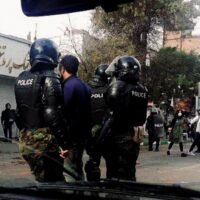
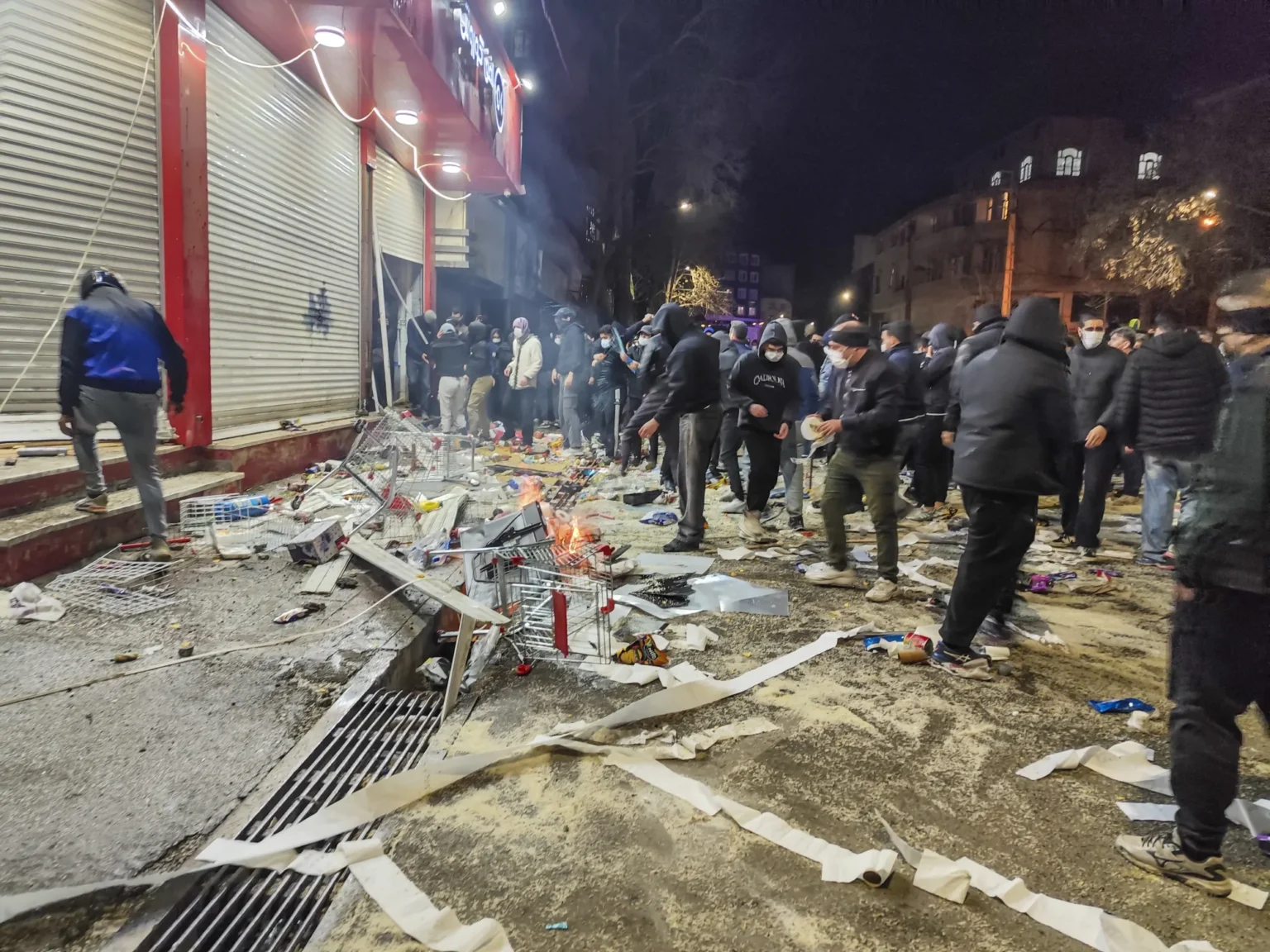
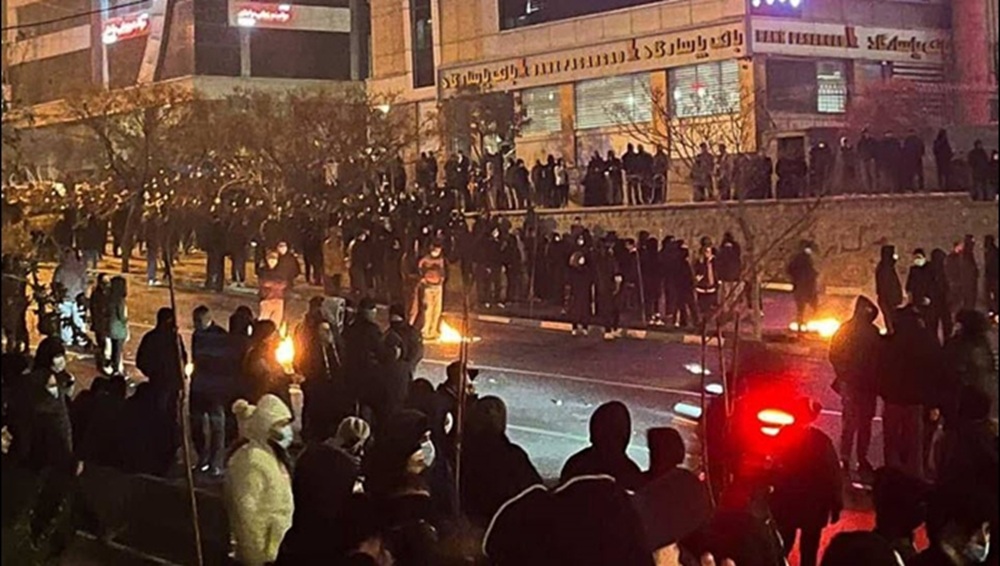
Street protests persisted in major urban centers, including Tehran, Isfahan, Shiraz, and Mashhad, despite the continued communications clampdown. Demonstrators cited economic hardship, governance concerns, and social restrictions as key drivers of the unrest.
While reduced connectivity limited real time coordination, the demonstrations showed resilience. Protesters adapted by relying on offline communication, printed materials, and face to face organization. Analysts noted that the Iran internet blackout altered protest dynamics but did not diminish public participation.
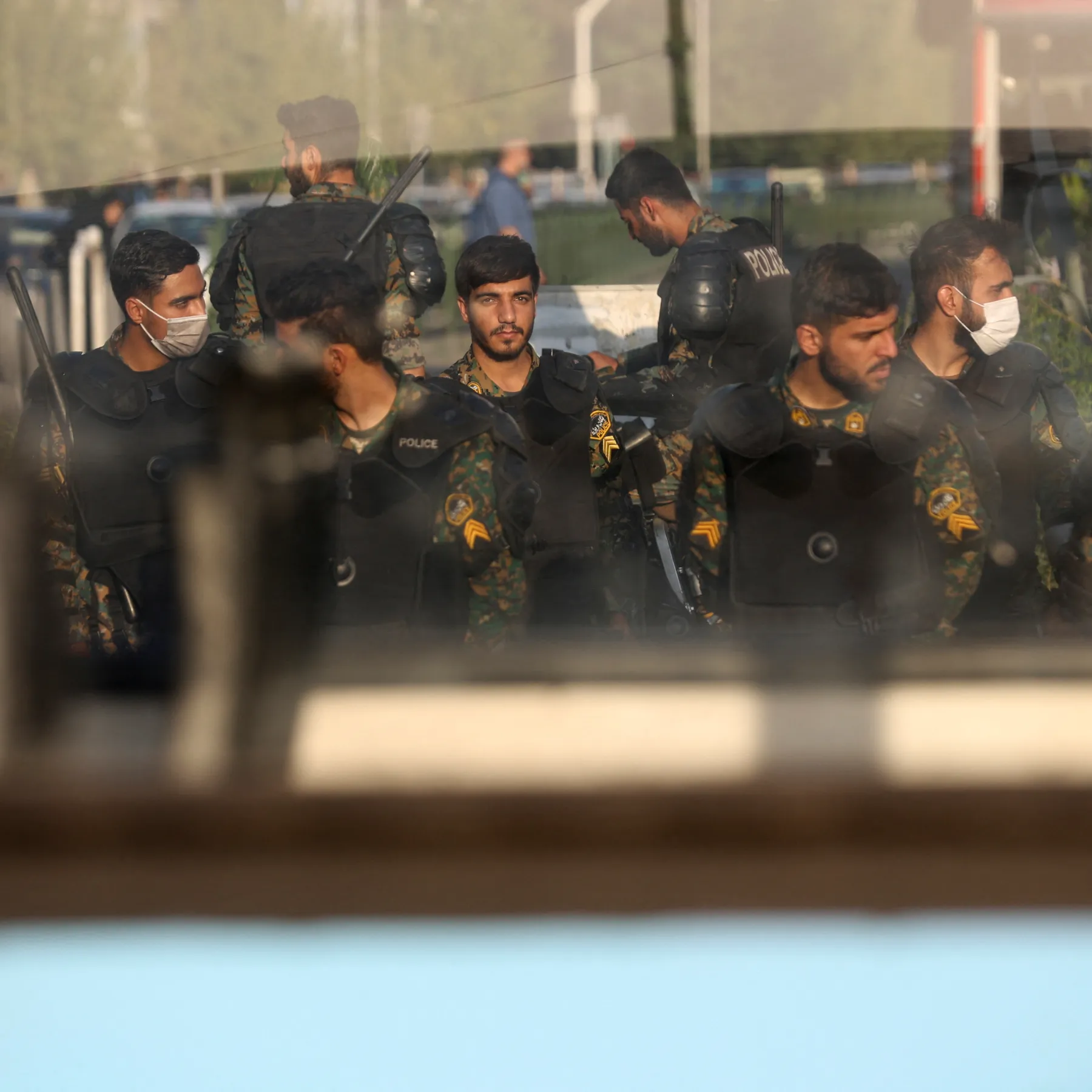
Security Measures and Official Justifications
Government officials defended the internet restrictions as a temporary security measure aimed at preventing violence and controlling the spread of unverified information. State media outlets emphasized stability and national safety, urging citizens to remain calm.
However, the absence of a clear restoration timeline contributed to public frustration. Many citizens expressed concern that the Iran internet blackout had become an open ended policy rather than a short term response, deepening mistrust between authorities and the public.
One regional analyst commented,
“When communication channels close, uncertainty grows faster than reassurance.”
Economic Strain on Businesses and Workers
The ongoing restrictions placed mounting pressure on Iran’s economy. Small and medium sized enterprises that depend on online sales, digital payments, and social media outreach reported steep declines in revenue.
Freelancers and remote workers struggled to meet international obligations, risking canceled contracts and delayed payments. Economists warned that prolonged disruption linked to the Iran internet blackout could further weaken consumer confidence and deter future digital investment.
Traditional industries were also affected. Logistics companies faced scheduling challenges, while some healthcare facilities experienced delays accessing digital records and appointment systems.
Impact on Education and Youth
Educational institutions faced significant challenges as online learning platforms became unreliable. Universities postponed virtual lectures, and students reported difficulty accessing academic resources.
For many young Iranians, digital access represents not only education but also global connection. The continuation of the Iran internet blackout heightened concerns about long term academic setbacks and reduced exposure to international knowledge networks.
Parents voiced anxiety about children preparing for exams, particularly in regions where in person schooling had previously shifted toward blended or online models.
Media Reporting Under Constraint
Independent journalism became increasingly difficult as upload speeds slowed and platforms were restricted. Journalists on the ground faced delays sharing verified footage and eyewitness accounts, complicating coverage of rapidly evolving events.
International media outlets relied heavily on delayed confirmations and secondary reporting. Media experts observed that the Iran internet blackout created an information gap that allowed speculation to flourish, challenging efforts to maintain accurate narratives.
Public Services and Daily Life Disrupted
Everyday services were deeply affected by the communications shutdown. Citizens reported difficulties accessing banking apps, completing online transactions, and receiving official updates.
Transportation services reliant on navigation and ride hailing platforms experienced interruptions, while municipal services struggled to communicate timely notices. The Iran internet blackout underscored how deeply digital infrastructure is embedded in modern governance and daily life.
International Attention and Diplomatic Signals
The situation drew attention from international observers and digital rights organizations, many of which expressed concern over prolonged access restrictions. Statements emphasized the importance of open communication during periods of unrest.
Foreign governments monitored developments closely, balancing calls for restraint with respect for national sovereignty. The Iran internet blackout became part of a broader global conversation about the limits of state control over digital infrastructure.
Social Adaptation and Community Networks
Despite the challenges, communities displayed adaptability. Some residents coordinated through offline networks, while others waited for brief connectivity windows to send updates.
This resilience highlighted the social determination to remain informed even under restrictive conditions. Sociologists noted that such adaptations could have lasting effects on how communities organize and communicate during future crises.
Technology Sector and Long Term Confidence
Iran’s domestic technology sector faced renewed uncertainty. Startups and developers expressed concern that recurring shutdowns undermine confidence in digital entrepreneurship.
Investors may hesitate to commit resources amid fears of unpredictable access disruptions. Observers warned that repeated reliance on the Iran internet blackout as a policy tool could slow innovation and isolate the digital economy.
Governance, Trust, and Public Perception
Public trust emerged as a central issue. Many citizens questioned whether restrictions truly enhanced security or instead exacerbated tensions.
Transparency advocates argued that clear communication and defined timelines were essential to maintaining legitimacy. The Iran internet blackout risked normalizing restricted access, potentially reshaping public expectations of digital freedom.
A Critical Juncture in 2026
As protests continued into mid January 2026, policymakers faced a pivotal choice. Restoring connectivity could ease economic pressure and signal willingness to engage, while extended restrictions risked deepening social divides.
The Iran internet blackout stood at the heart of this decision, symbolizing the broader struggle between control and communication in an increasingly digital society.
Regional and Global Implications
The events unfolding in Iran were closely watched across the region, where digital access has become a critical component of political stability. Analysts suggested that how Iran resolves the current situation could influence regional norms around internet governance.
Globally, the crisis reinforced debates about digital rights, emergency powers, and the role of technology during unrest.
Outlook for the Weeks Ahead
Looking ahead, much depends on whether authorities outline a clear path toward restoring services. Businesses, students, and families await clarity as they navigate uncertainty.
As Brussels Morning Newspaper continues to report on developments, the situation illustrates how access to information has become inseparable from economic resilience, public trust, and social stability in 2026.
Beyond the Current Crisis
When connectivity eventually returns, rebuilding confidence will take time. Dialogue between institutions and citizens may prove essential to addressing underlying grievances exposed during the shutdown.
The Iran internet blackout has left a lasting imprint on the national conversation, serving as a reminder that in the modern era, digital access is not merely a convenience but a cornerstone of societal functioning.